
Have you ever wondered about the best way to clean your kitchen surfaces without using harsh chemicals? Your kitchen is the heart of your home, and keeping it clean is crucial for your health and well-being.
Imagine transforming your cleaning routine with organic solutions that not only cleanse but also protect your environment and loved ones. This is your guide to discovering simple, effective methods for maintaining spotless kitchen surfaces using organic products. Get ready to uncover secrets that will not only save you time and money but also make your kitchen a safer and more inviting place.
Let’s dive into these eco-friendly cleaning tips that promise to make your kitchen shine naturally!
Choosing Natural Cleaning Agents
Choosing natural cleaning agents is a wise decision for a healthy kitchen. Organic cleaners protect surfaces and keep your family safe from chemicals. They are eco-friendly and reduce environmental impact. Many natural ingredients are both effective and affordable. Let’s explore the benefits and common ingredients of these organic cleaning agents.
Benefits Of Organic Cleaners
Organic cleaners offer numerous advantages. First, they are biodegradable. This means they break down naturally without harming the environment. Second, they are non-toxic. They pose no threat to human health. Third, they are gentle on surfaces. They clean without causing damage. Finally, they often have pleasant, natural scents. This enhances your kitchen’s atmosphere.
Common Natural Ingredients
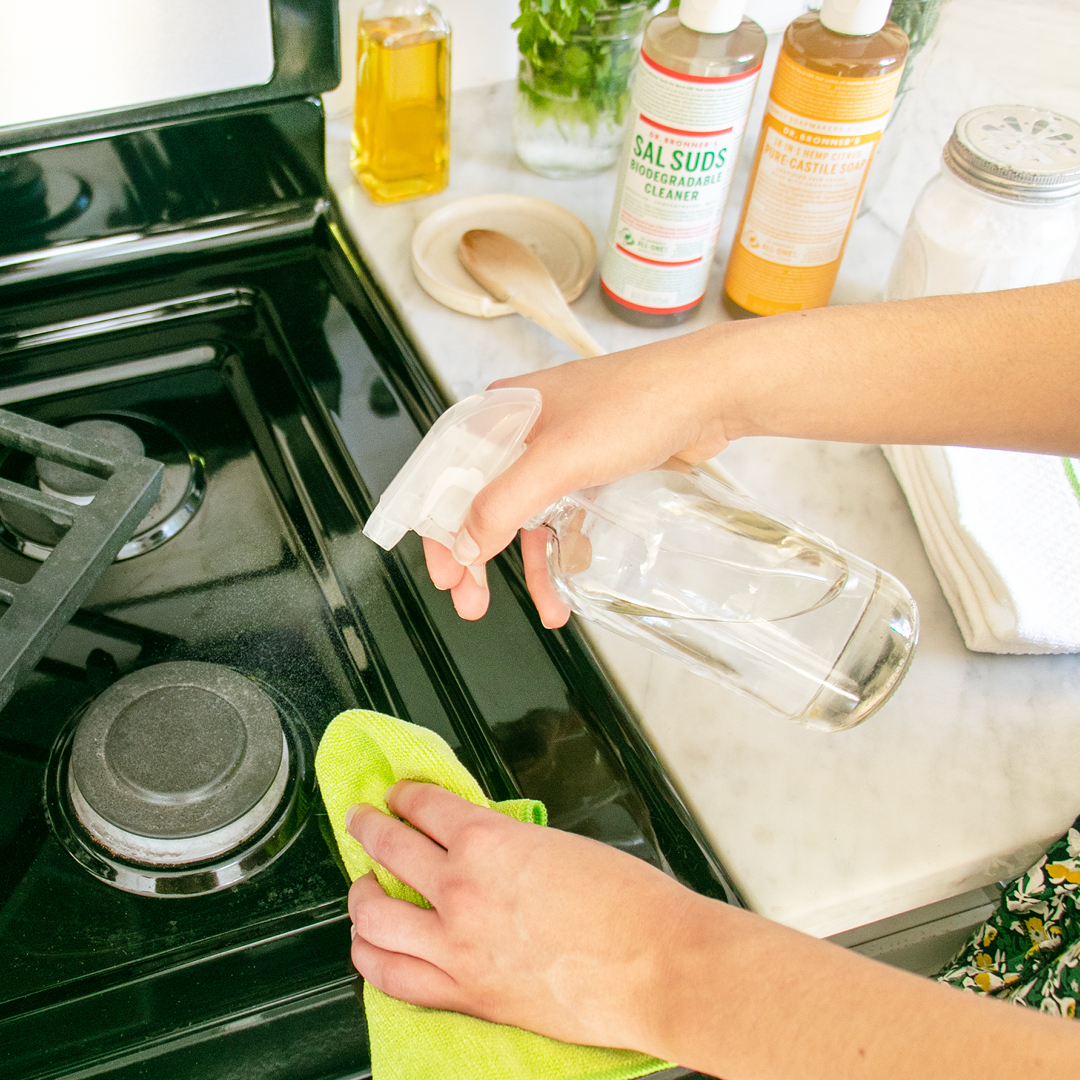
Many natural ingredients are excellent for cleaning. Vinegar is a strong disinfectant. It removes grease and kills germs. Baking soda is another popular choice. It acts as a mild abrasive and deodorizer. Lemon juice works well for cutting through grime. It also leaves a fresh scent. Essential oils, like tea tree and lavender, add antibacterial properties. They also provide a pleasant aroma.
These ingredients are easy to find and use. Combining them can create powerful cleaning solutions. They are budget-friendly and effective. Embrace these natural options for a cleaner, healthier kitchen.
Credit: www.lisabronner.com
Cleaning Techniques For Countertops
Keeping kitchen surfaces clean is essential for a healthy home. Countertops are especially important, as they are used daily for cooking and meal prep. Organic cleaning techniques can maintain cleanliness without harsh chemicals. Let’s explore ways to clean different countertop materials.
Granite And Marble Care
Granite and marble require gentle cleaning methods. Use a mixture of warm water and mild dish soap. Avoid acidic cleaners; they can damage the stone.
For stubborn stains, make a paste with baking soda and water. Apply it to the stain, cover with plastic wrap, and leave overnight. Wipe the paste away in the morning.
Regularly sealing these surfaces helps prevent damage. Use a natural stone sealant every year. It keeps the surface protected and shiny.
Handling Wood Surfaces
Wood countertops need special care to avoid damage. Mix vinegar and water in equal parts. This solution cleans effectively and is safe for wood.
Avoid soaking the wood. Moisture can cause warping. Wipe spills immediately and dry thoroughly.
For deeper cleaning, use a paste of salt and lemon juice. Rub gently, then rinse with a damp cloth. Regularly oil the wood with food-safe mineral oil. It keeps the wood nourished and prevents drying out.
Maintaining Stainless Steel
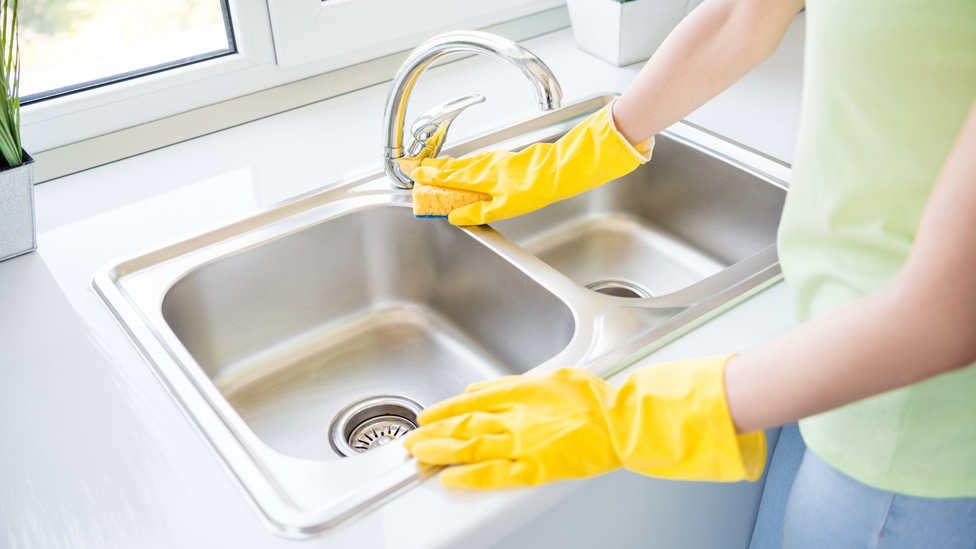
Effectively clean kitchen surfaces organically by using a mixture of vinegar and water. Gently scrub with a soft cloth. Rinse with clean water and dry immediately to prevent water spots.
Stainless steel is a popular choice for kitchen surfaces due to its durability and sleek appearance. However, maintaining its pristine condition requires a bit of effort, especially if you’re aiming for organic cleaning solutions. The good news? You can achieve a spotless and shiny stainless steel kitchen without the harsh chemicals.Removing Stains And Fingerprints
Stainless steel surfaces, while resistant to rust and corrosion, are notorious for showing fingerprints and stains. To tackle these, start by using a microfiber cloth dampened with warm water. This simple step can often remove light smudges without any additional products. For tougher stains or fingerprints, create an organic cleaning paste using baking soda and water. Gently rub the paste onto the stain with a soft cloth. Not only is this method effective, but it’s also free from harsh chemicals that can damage the surface over time. After cleaning, rinse the area with another damp cloth to remove any residue. This ensures the baking soda doesn’t leave a dull film on the surface. Isn’t it surprising how such a simple concoction can be so effective?Preserving Shine With Organic Products
Once your stainless steel is clean, maintaining its shine is key. Olive oil is an excellent natural polish. Just a few drops on a soft cloth can make your stainless steel gleam. Rub in the direction of the grain to avoid streaks and ensure an even shine. White vinegar is another fantastic organic option. Spray a little onto a microfiber cloth and wipe the surface. It not only cleans but also disinfects, leaving a streak-free finish. Consider using organic essential oils like lemon or orange for an added scent. They can give your kitchen a refreshing aroma while helping to mask any lingering odors. Who knew keeping your kitchen surfaces shiny and clean could also make it smell delightful? These organic methods not only preserve the shine but also ensure that your kitchen remains a healthy space for preparing meals. After all, isn’t peace of mind worth the extra effort?Cleaning Tiles And Backsplashes
Keep kitchen surfaces fresh with organic cleaning methods. Mix vinegar and water to remove stains and grime. Use baking soda for tough spots on tiles and backsplashes.
Cleaning Tiles and Backsplashes Your kitchen tiles and backsplashes can be a real magnet for grime and stains. Over time, cooking splatters and spills can make them look worn out, affecting the overall appeal of your kitchen. Keeping them clean not only enhances the aesthetic but also maintains hygiene. Let’s dive into efficient ways to tackle this cleaning challenge with organic methods.Efficient Tile Scrubbing Methods
To achieve sparkling tiles, you don’t need harsh chemicals. Start by mixing equal parts of white vinegar and water in a spray bottle. Spray the solution generously over your tiles and let it sit for a few minutes. Vinegar’s acidity helps break down grease and stains effortlessly. Grab a soft-bristled brush or a microfiber cloth. Gently scrub the tiles in circular motions, paying attention to stubborn spots. This method ensures you’re not just removing surface dirt but also rejuvenating the tile finish. Wondering if you can add a pleasant scent to your cleaning routine? Add a few drops of essential oils like lemon or lavender to the vinegar mixture. This leaves your kitchen smelling fresh and inviting.Natural Solutions For Grout
Grout often requires special attention as it can harbor mold and mildew. Baking soda is your ally here. Create a paste using baking soda and water, and apply it directly onto the grout lines. Use an old toothbrush for scrubbing the paste into the grout. Its abrasive nature helps lift dirt without damaging the grout. For tougher stains, consider adding a splash of hydrogen peroxide to the baking soda paste. This enhances the cleaning power significantly. After scrubbing, rinse the area with warm water. You’ll notice the grout lines becoming visibly brighter. Do you find grout cleaning tedious? Make it part of your regular cleaning schedule to prevent buildup, ensuring your kitchen always looks pristine. By using these organic methods, you not only protect your surfaces but also contribute to a healthier environment for your family. Remember, consistency is key to maintaining a spotless kitchen.Tackling Kitchen Floors
Kitchen floors endure heavy traffic and spills. Maintaining them is crucial for a clean kitchen. Organic solutions offer a safe way to keep floors spotless. Understanding your floor type helps in choosing the right cleaner.
Suitable Organic Solutions For Different Floor Types
Different floors need specific care. Here’s how to clean them naturally:
- Wood Floors:Mix vinegar and water. Use a damp mop to clean.
- Tile Floors:Use baking soda and water paste. Scrub gently for stains.
- Linoleum Floors:Use mild soap and hot water. Avoid excess water.
- Stone Floors:Use a mix of mild dish soap and water. Avoid acidic cleaners.
Always test solutions on a small area first. This ensures no damage to your floors.
Regular Maintenance Tips
Keep kitchen floors clean with regular upkeep. Sweep daily to remove dirt. This prevents scratches and buildup. Mop weekly using organic solutions. Dry floors promptly to avoid damage.
Address spills immediately. Use a cloth to blot spills rather than wiping. This prevents spreading. Use doormats to reduce dirt coming in.
Check for signs of wear. Refinish wood floors if needed. Reseal stone floors annually. Regular care extends the life of your floors.
Preventing Mold And Mildew
Mold and mildew can quickly become unwelcome guests in your kitchen, especially in areas with moisture. These fungi can not only damage surfaces but also impact the health of your family. Fortunately, by adopting organic cleaning methods, you can effectively prevent their growth while maintaining a safe kitchen environment. Let’s explore how to keep mold and mildew at bay with some natural techniques.
Natural Anti-mold Techniques
Embrace the power of nature to fight mold. Essential oils like tea tree, eucalyptus, and lavender are more than just pleasant scents; they have antimicrobial properties that can help prevent mold growth. Mix a few drops with water in a spray bottle and use it on surfaces prone to moisture. Vinegar is another kitchen staple that works wonders. Its acidity can kill mold spores effectively. Create a solution with equal parts water and vinegar and wipe down surfaces regularly.
Keeping Surfaces Dry
Moisture is mold’s best friend. Keep your kitchen surfaces dry to prevent mold from settling in. After cooking or washing dishes, take a moment to wipe down counters and sinks with a dry cloth. Invest in a good quality dehumidifier if your kitchen tends to be humid. Ensure adequate ventilation by opening windows or using exhaust fans, especially when cooking or washing dishes. Have you ever noticed mold in unexpected places? It’s often due to hidden moisture. Regularly check under sinks and around appliances for leaks.
Eco-friendly Cleaning Habits
Effectively cleaning kitchen surfaces organically involves using natural ingredients like vinegar, baking soda, and lemon. These elements combat grime without harsh chemicals. Regular maintenance ensures a hygienic cooking space while contributing to environmental sustainability.
Eco-friendly cleaning habits can transform the way you maintain your kitchen, turning routine chores into opportunities to protect the environment. Embracing organic cleaning methods not only benefits your health but also reduces the carbon footprint associated with chemical cleaners. Are you ready to make a positive change in your cleaning routine?Reducing Waste
Reducing waste begins with rethinking the products you use. Opt for reusable cleaning cloths instead of disposable paper towels. This small shift can significantly cut down on waste and save money over time. Consider making your own cleaning solutions using ingredients like vinegar and baking soda. These natural alternatives are effective, safe, and reduce reliance on plastic-packaged store-bought cleaners. Imagine the difference if every household adopted such simple swaps.Sustainable Practices
Sustainable practices in kitchen cleaning go beyond just the products. Pay attention to how much water you use while cleaning. Try to fill a bowl with soapy water for scrubbing rather than letting the tap run continuously. Think about the energy you consume during cleaning. Use daylight to inspect surfaces rather than relying on artificial lighting. Every small adjustment contributes to a larger impact on our planet. Reflect on your cleaning habits. Are there areas where you can be more conscious of sustainability? By making these mindful choices, you’re not just cleaning your kitchen—you’re also taking steps towards a healthier planet.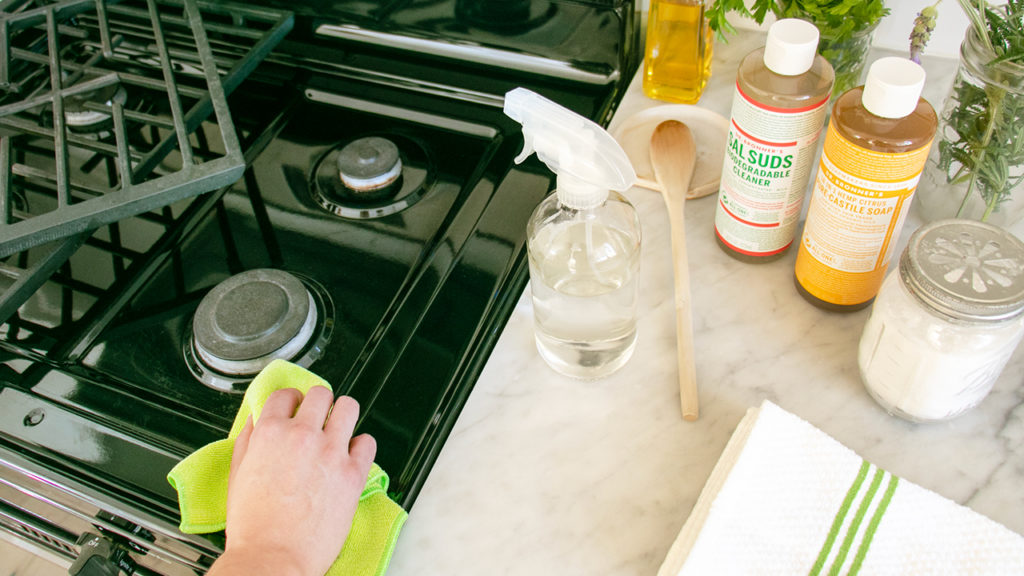
Credit: www.lisabronner.com
Credit: www.coles.com.au
Frequently Asked Questions
What Are Organic Cleaning Products For Kitchens?
Organic cleaning products are derived from natural ingredients like vinegar, baking soda, and essential oils. They are eco-friendly, non-toxic, and safe for surfaces. Using these products helps reduce chemical exposure, making them ideal for maintaining a healthy kitchen environment.
How Do I Clean Kitchen Surfaces Naturally?
To clean kitchen surfaces naturally, use a mixture of vinegar and water or baking soda paste. Apply with a cloth or sponge, gently scrubbing. Rinse with water and dry with a clean towel. This method effectively removes grime without harsh chemicals.
Can Vinegar Sanitize Kitchen Counters?
Yes, vinegar can sanitize kitchen counters. It contains acetic acid, which kills some bacteria and germs. Spray vinegar on the counter, let it sit for 10 minutes, then wipe clean. It’s an effective and natural way to maintain cleanliness.
Are Essential Oils Safe For Cleaning Kitchens?
Essential oils are safe for cleaning kitchens when diluted properly. They add fragrance and have antibacterial properties. Use oils like lemon or tea tree in cleaning solutions. They enhance cleaning efficiency while leaving a pleasant scent.
Conclusion
Cleaning kitchen surfaces with organic methods is simple and safe. It protects your family and the environment. Natural ingredients like vinegar and baking soda work wonders. They remove grime and kill germs effectively. Essential oils add a pleasant scent while boosting cleaning power.
Regular cleaning with these methods keeps your kitchen fresh. It also prevents buildup of dirt and bacteria. Switching to organic cleaning is easy and beneficial. Your kitchen will thank you. So will your health. Start today and enjoy a cleaner, healthier kitchen.