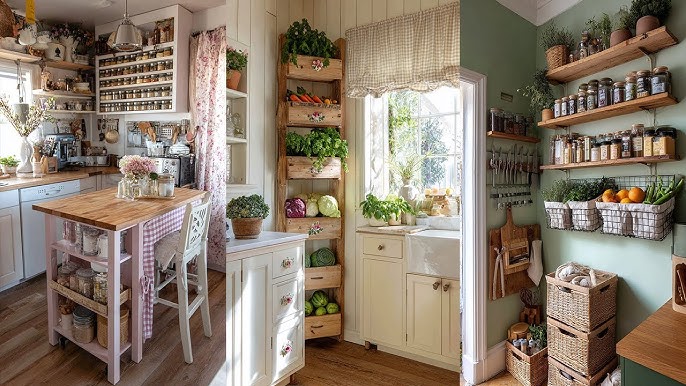
Your kitchen is the heart of your home. It’s where you whip up delicious meals, gather with family, and create lasting memories.
Yet, it’s easy for this vital space to become cluttered and chaotic. Imagine a kitchen where everything has its place, and you can effortlessly find what you need. Sounds appealing, right? In this guide, you’ll discover simple yet effective strategies to transform your kitchen into an organized haven.
Whether you’re a culinary enthusiast or just someone looking for a bit more order, these tips will help you design a kitchen that not only looks great but works seamlessly. Dive in, and unlock the secrets to a kitchen that truly enhances your life.
Credit: www.youtube.com
Kitchen Layout Essentials
Designing the perfect kitchen organization starts with understanding the essentials of layout. A well-thought-out kitchen layout not only enhances functionality but also adds to the aesthetic appeal of your space. Whether you’re a seasoned chef or someone who enjoys the occasional cooking session, optimizing your kitchen layout can make all the difference in your culinary experience.
Choosing The Right Layout
Choosing the right layout for your kitchen is crucial. Consider how you move around your current space. Do you find yourself crisscrossing the kitchen multiple times while cooking a single meal?
Popular layouts include the U-shape, L-shape, and galley. Each has its pros and cons depending on your space and needs. For instance, an L-shaped layout is great for open spaces and can easily accommodate a dining area.
Take into account the size and shape of your kitchen. If you have a smaller kitchen, a galley layout might be more efficient, providing ample counter space on either side. Remember, the goal is to minimize unnecessary movement and enhance accessibility.
Optimizing Workflow Zones
Optimizing workflow zones in your kitchen is about creating distinct areas for different tasks. Think about the three main zones: preparation, cooking, and cleaning. Each zone should be equipped with the necessary tools and supplies.
Arrange your kitchen so that these zones flow logically into one another. For instance, have your chopping boards and knives close to the fridge for easy access to fresh ingredients. Similarly, place pots and pans near the stove.
Consider your own cooking habits. Do you often find yourself reaching across the kitchen for a spoon or a bowl? If so, it might be time to reorganize your zones to keep frequently used items within arm’s reach. This small change can significantly streamline your cooking process.
Maximizing Storage Space
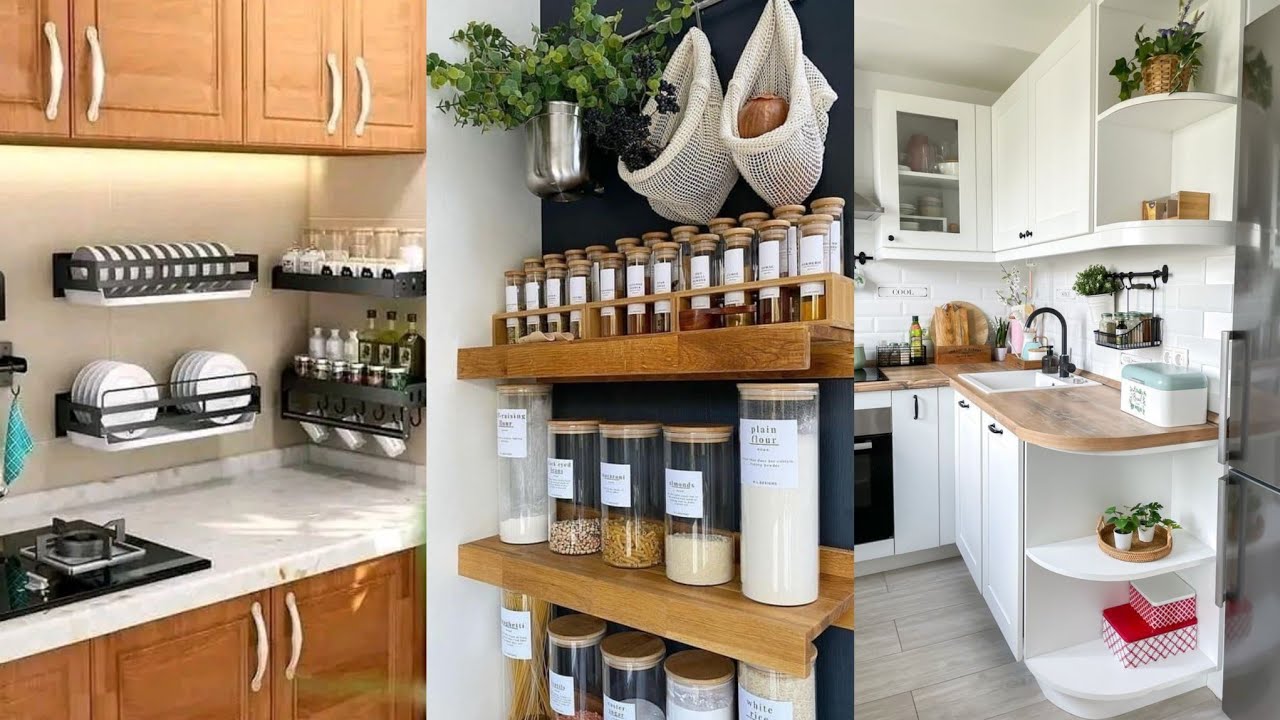
Designing kitchen organization involves smart use of cabinets and shelves. Consider vertical storage and pull-out drawers. Use hooks and racks to hang utensils, maximizing every inch of space efficiently.
Maximizing storage space in your kitchen can transform it from a cluttered area into a well-organized haven. It’s not just about having more room; it’s about using the space efficiently. As you look to optimize storage, consider your habits and daily routines. What items do you reach for the most? How can you make those items more accessible? Here are some practical ways to maximize storage space in your kitchen.Utilizing Cabinets And Shelves
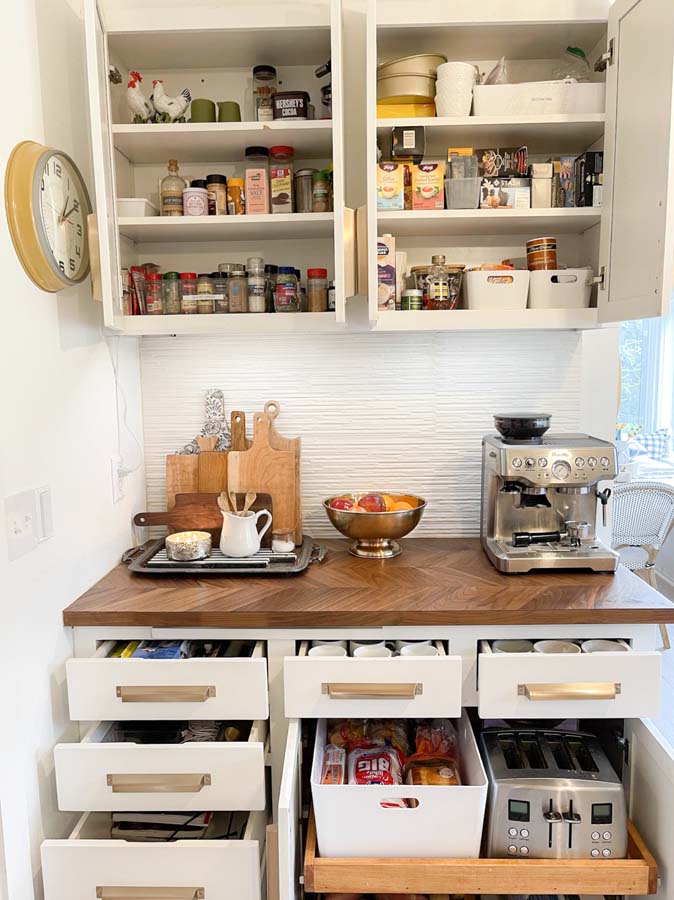
Cabinets and shelves are the backbone of kitchen storage. Think about adding adjustable shelves to accommodate items of different sizes. This simple change can make a big difference. Consider installing pull-out drawers in your cabinets. They allow easy access to items at the back and make organization straightforward. Is there a corner cabinet that’s hard to reach? Lazy Susans or corner drawers can solve that problem seamlessly.Incorporating Vertical Storage
Vertical storage is a game-changer, especially in small kitchens. Use the height of your kitchen to store items you don’t use daily. High shelves can be perfect for rarely used appliances or seasonal items. Wall-mounted racks can hold pots, pans, and even spices. They keep everything visible and easy to grab. You can also hang utensils or mugs on hooks to free up drawer space. Have you ever thought about the back of your cabinet doors? They can hold slim items like cutting boards or baking sheets.Creative Space-saving Ideas
Sometimes, the best solutions come from thinking outside the box. Consider using stackable containers for dry goods. They maximize shelf space and keep everything organized. Use drawer dividers to keep cutlery and utensils neatly arranged. It’s not just about saving space; it’s about saving time when searching for items. A magnetic strip for knives not only saves space but adds a modern touch to your kitchen. How about a fold-down table for extra counter space? It’s perfect for small kitchens and can be tucked away when not in use. Think about the flow of your kitchen—how can you make it work better for you?Efficient Pantry Organization
Efficient pantry organization is key to a functional kitchen. It helps save time and reduces stress when cooking. A well-organized pantry enhances the overall kitchen experience. Whether you have a large or small space, strategic organization makes a big difference.
Categorizing Pantry Items
Grouping similar items together is essential. This makes finding things quick and easy. Organize items by type, such as baking supplies or canned goods. Use shelves or racks to separate different categories. This method creates a neat and accessible pantry.
Using Containers And Labels
Containers help keep items fresh and organized. Choose clear containers to easily see contents. Label each container for quick identification. This reduces the time spent searching for ingredients. Use stackable containers to maximize space.
Streamlined Cooking Stations
Efficient kitchen organization begins with streamlined cooking stations. Arrange tools and ingredients for easy access. Keep surfaces clear to maximize workspace and improve flow.
Streamlined Cooking Stations Creating a streamlined cooking station enhances efficiency. A well-organized kitchen saves time. It makes cooking a pleasure. Design your kitchen with focused zones. Each area serves a specific purpose. This leads to smoother cooking processes. Let’s delve into how to organize these spaces.Organizing Cooking Utensils
Cooking utensils should be easily accessible. Store them near your stove. Use drawer dividers for better organization. Hang frequently used tools on hooks. This keeps them within arm’s reach. Use a utensil holder on the counter. It can hold spatulas and spoons. Arrange utensils by type. It simplifies finding what you need.Setting Up Prep Areas
A dedicated prep area is essential. Place it near the refrigerator. This minimizes walking back and forth. Use cutting boards and mixing bowls. Store them in nearby cabinets. Include a waste bin for scraps. Arrange knives in a block or magnetic strip. Keep measuring cups and spoons handy. This makes the prep process seamless.Smart Appliance Placement
Smart appliance placement enhances kitchen efficiency and organization. Arrange appliances near related work zones for easy access. Keep countertops clutter-free by storing less-used items in cabinets.
Smart appliance placement in the kitchen boosts efficiency and saves space. It helps create a clutter-free environment and enhances functionality. Thoughtful arrangement can transform your kitchen into a seamless workspace.Integrating Appliances Seamlessly
Integrating appliances seamlessly requires strategic planning. Built-in appliances offer a sleek look. They blend well with cabinetry and maintain uniformity. Opt for under-cabinet microwaves to free up counter space. Wall ovens save floor space and add a modern touch. Dishwashers with panel fronts match your cabinets. This creates a cohesive appearance. Consider appliance colors and materials. Stainless steel offers a timeless appeal. Match colors with your kitchen’s theme for harmony.Considering Accessibility
Accessibility ensures ease of use and convenience. Place frequently used appliances within arm’s reach. Store heavy items at waist level to avoid strain. Position the fridge near the food prep area. This reduces unnecessary movement. Keep the microwave at eye level for safety. Place the dishwasher near the sink for easy loading. Ensure there’s enough space around appliances for opening doors. Plan for outlets and ventilation. Proper placement enhances kitchen usability.Functional Dining Spaces
Designing kitchen organization focuses on maximizing space and functionality. Use shelves and drawers efficiently to store essentials. Consider open shelving to showcase dishes and easy access.
Creating a functional dining space in your kitchen is about more than just placing a table and chairs. It’s about designing an area that caters to your family’s needs, enhances your cooking experience, and invites conversation. With thoughtful planning, you can transform your dining space into a vibrant, multi-purpose hub.Designing Multi-purpose Areas
A well-designed kitchen can serve multiple roles beyond dining. Consider setting up a small workspace with a laptop-friendly nook for remote work or homework. If you entertain often, integrate a serving station or a mini-bar to keep the drinks flowing without interrupting your cooking flow. Think about the activities you want to support in your space. This will guide your design decisions.Choosing The Right Furniture
Furniture selection is crucial in maximizing both function and comfort. Opt for tables with extendable leaves if you frequently host guests. Benches can be a versatile seating option, doubling as storage space for table linens or board games. Is your dining area small? Try using chairs with slim profiles or clear materials to create the illusion of a larger space. Every piece should serve a purpose and fit seamlessly into your lifestyle. What furniture choices reflect your daily habits and enhance your kitchen’s functionality?Incorporating Aesthetics
Incorporating aesthetics into kitchen organization transforms a functional space into a stylish haven. A well-organized kitchen doesn’t just save time; it enhances the cooking experience. Thoughtful design choices can make a kitchen inviting and visually appealing. Let’s explore how to blend aesthetics seamlessly into your kitchen organization.
Selecting Colors And Materials
Colors set the mood in a kitchen. Choose colors that complement each other. Light shades can make the space feel open and airy. Dark colors add depth and sophistication.
Materials impact the kitchen’s look and feel. Wood adds warmth. Stainless steel brings modern elegance. Glass offers transparency and light. Select materials that match your personal style and function.
Adding Decorative Elements
Decorative elements personalize the kitchen. Consider open shelving to display beautiful dishware. Artwork or framed prints can add character to bare walls.
Plants bring life and color. Small herb gardens can be both decorative and useful. Stylish containers for utensils or spices add charm and functionality.
Consider lighting fixtures that serve as focal points. Pendant lights can be both practical and stylish. They enhance the overall aesthetic while providing ample illumination.
Lighting Solutions
Lighting solutions play a key role in kitchen organization. Bright lights enhance visibility, ensuring easy access to utensils and ingredients. Proper lighting also adds warmth and style, creating a welcoming space for cooking and dining.
Lighting Solutions are vital in kitchen organization. Proper lighting enhances both functionality and aesthetics. It helps you work efficiently and creates a welcoming atmosphere. Let’s explore how to select the best lighting for your kitchen.Choosing Task Lighting
Task lighting is essential for work areas. It provides focused light on countertops and stoves. Under-cabinet lights work well here. They illuminate workspaces without shadows. LED strips are popular for their energy efficiency. You can also use pendant lights over islands. They add style while providing necessary brightness. Choose fixtures with adjustable angles. This ensures light reaches every corner. Consider dimmable options for flexibility.Creating Ambient Atmosphere
Ambient lighting sets the mood. It fills the room with a soft glow. Ceiling fixtures like flush mounts are ideal. Recessed lights offer a sleek, modern look. Wall sconces can add character to your kitchen. Use warm bulbs for a cozy feel. Smart bulbs allow you to change light colors. This feature can match your mood or occasion. Mix different light sources for balance. This creates a layered lighting effect.Sustainability In Kitchen Design
Designing a sustainable kitchen is a thoughtful choice. It benefits both the environment and your home. Focus on eco-friendly materials and energy-efficient appliances. These elements play a crucial role in making a kitchen sustainable.
Eco-friendly Materials
Choose materials that are renewable and sustainable. Bamboo is a great option. It’s durable and grows quickly. Recycled glass countertops add a unique look. They are both stylish and sustainable. Use reclaimed wood for cabinets and shelves. It gives a rustic charm while being eco-friendly.
Energy-efficient Appliances
Opt for appliances with an Energy Star rating. They use less energy and save money. Consider induction cooktops. They heat faster and use less electricity. Choose a refrigerator with a high energy efficiency rating. It reduces power consumption significantly.
Credit: www.hallstromhome.com

Credit: food52.com
Frequently Asked Questions
What Are Kitchen Organization Essentials?
Kitchen organization essentials include shelving, drawer dividers, and storage containers. These tools help maximize space and efficiency. Use labels for easy identification and opt for adjustable shelves. Keep frequently used items within reach and store seasonal items higher up. Proper organization reduces clutter and enhances functionality.
How Can I Maximize Kitchen Storage?
Maximize kitchen storage by using vertical space with shelves and hooks. Utilize drawer dividers for utensils and bins for pantry items. Install pull-out cabinets for pots and pans. Consider space-saving furniture like foldable tables. Regularly declutter to maintain space and efficiency.
Effective storage solutions enhance kitchen usability.
What Are Best Practices For Kitchen Layout?
Best practices for kitchen layout include creating distinct zones for cooking, cleaning, and food prep. Ensure easy access between stove, sink, and fridge. Use the triangle rule for optimal workflow. Incorporate ample counter space and accessible storage. A well-planned layout enhances functionality and streamlines kitchen tasks.
How Do I Organize Kitchen Cabinets Efficiently?
Organize kitchen cabinets efficiently by categorizing items and using adjustable shelving. Place frequently used items at eye level. Use bins for grouping similar items and label them clearly. Utilize door racks for spices or small jars. Regularly review and declutter to maintain order and accessibility.
Conclusion
Creating a well-organized kitchen makes daily cooking simple and stress-free. Start by decluttering your space, removing unused items. Use drawer dividers to separate utensils neatly. Install shelves to maximize vertical space. Label jars and containers for easy access. Keep frequently used items within reach.
Store seasonal gadgets in higher cabinets. Use hooks for hanging pots or mugs. Remember, a clean kitchen boosts productivity and enjoyment. Small changes lead to big improvements. Design your kitchen organization with these tips in mind. Enjoy a tidy, efficient kitchen every day.
Happy cooking!