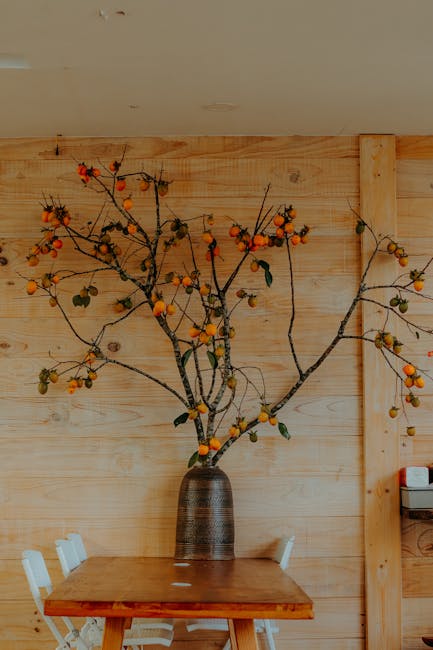
Imagine stepping into your kitchen and feeling an immediate sense of calm and clarity. Designing an organic minimalist kitchen can transform your cooking space into a serene sanctuary, where functionality meets elegance.
This approach isn’t just about aesthetics; it’s about creating an environment that nurtures both your culinary creativity and your well-being. You might be wondering how to achieve this harmonious balance. Don’t worry, you’re in the right place. By focusing on natural materials, clean lines, and thoughtful organization, you can craft a kitchen that feels like an extension of nature itself.
Picture a space where clutter is banished, and every element serves a purpose. This article will guide you through the steps to create a kitchen that feels open, airy, and effortlessly stylish. As you read on, you’ll discover practical tips and insightful strategies to bring your organic minimalist vision to life. Ready to transform your kitchen into a tranquil haven? Let’s dive in and explore the secrets to designing the perfect organic minimalist kitchen for your home.
Concept Of Organic Minimalism
Organic minimalism blends the simplicity of minimalism with natural elements. It creates a serene and functional kitchen space. This style emphasizes clean lines and uncluttered surfaces. It also incorporates organic materials to bring warmth and texture.
Understanding Organic Minimalism
Organic minimalism focuses on balance and harmony in design. It uses natural materials like wood, stone, and metal. These elements add warmth and authenticity to the kitchen. The goal is to create a peaceful and inviting environment.
Natural Materials
Choose materials that have a natural look and feel. Wood, bamboo, and stone are ideal choices. They bring an earthy touch to the kitchen. These materials are also sustainable and eco-friendly.
Color Palette
Opt for neutral and earthy tones. Whites, creams, and soft greens work well. These colors create a calming atmosphere. They also make the space feel larger and more open.
Functional Design
Incorporate open shelving and simple cabinetry. This keeps the space organized and efficient. Limit the use of decorative items. Focus on essential and functional pieces instead.
Lighting
Use natural light to illuminate the space. Large windows and skylights are excellent choices. For artificial lighting, select fixtures with simple designs. Soft, warm lighting enhances the organic feel.
Minimal Decor
Keep decor to a minimum. Choose a few statement pieces that reflect nature. Plants and natural textiles add a touch of color. They also enhance the organic theme.

Credit: uk.pinterest.com
Choosing Natural Materials
Creating a kitchen that seamlessly blends organic elements with minimalist design is all about choosing the right materials. Natural materials bring warmth and texture to your space, making it feel cozy and inviting. They also contribute to a sustainable lifestyle, which is a growing priority for many homeowners. But how do you choose the best natural materials for your kitchen?
Wood And Stone
Wood and stone are the cornerstone of an organic minimalist kitchen. Imagine walking into a space where the rich grains of reclaimed wood complement the smooth, cool touch of stone countertops. Wood adds warmth and a touch of nature, making it perfect for cabinets and flooring. Consider using woods like oak or walnut for their durability and classic beauty.
Stone, on the other hand, offers a sleek and timeless elegance. Granite or marble countertops can be both functional and stunning. They are not only durable but also easy to clean, which is a bonus for those who love to cook. Combining these materials gives your kitchen a balanced look that’s both modern and natural.
Sustainable Options
Opting for sustainable materials is not just a trend; it’s a responsibility. Bamboo is an excellent choice for those who want to keep it green. It’s fast-growing, renewable, and provides a similar warmth to traditional wood. It can be used for flooring, cutting boards, and even cabinetry.
Recycled materials are another fantastic option. Consider countertops made from recycled glass or metal that add a unique character to your kitchen. These choices not only look great but also help reduce waste, making your kitchen eco-friendly. What could be more rewarding than knowing your beautiful kitchen also benefits the planet?
- Choose materials that reflect your personal style and environmental values.
- Mix and match to create a harmonious balance between different textures.
- Ensure the materials are durable and easy to maintain.
As you design your organic minimalist kitchen, remember that every choice you make impacts both the aesthetics and functionality of your space. So, what natural materials will you choose to bring your vision to life?
Color Palette Selection
Choose earthy tones for an organic minimalist kitchen. Soft greens, warm browns, and gentle whites create a serene feel. These colors enhance natural light and bring a calming atmosphere.
Choosing the right color palette is key in designing an organic minimalist kitchen. The colors you choose can create a serene, calming space. This space should feel warm and inviting. A minimalist kitchen focuses on simplicity and harmony. This is achieved through carefully selected colors. Let’s explore the perfect colors for your kitchen.Neutral Tones
Neutral tones are the backbone of minimalist design. Think whites, creams, and soft grays. These colors create a clean, open feel. They make the kitchen look spacious and uncluttered. Neutral tones are versatile and pair well with other colors. They help highlight natural materials like wood and stone. Consider using white walls with gray countertops. Or cream cabinets with a light wood floor. This combination enhances the minimalist vibe.Earthy Shades
Earthy shades bring warmth and depth to your kitchen. Colors like terracotta, olive green, and sandy beige work well. They connect the indoor space with the natural world. Earthy shades add character without overwhelming the senses. Use them as accents or feature walls. For example, a terracotta backsplash can add a touch of warmth. Olive green cabinets offer a fresh, organic feel. Sandy beige floors provide a neutral base. These colors create a harmonious and balanced kitchen.
Credit: fancyhouse-design.com
Functional Layout Design
Crafting an organic minimalist kitchen requires a focus on clean lines and natural materials. Opt for wood cabinets and stone countertops to create a serene space. Arrange appliances and storage to ensure ease of use and maintain a clutter-free environment.
Designing a kitchen that embraces organic minimalism requires a keen focus on functionality. The layout should not only be visually appealing but also enhance your cooking experience. Achieving a balance between open spaces and efficient work zones is key to creating a kitchen that feels both spacious and practical.Open Spaces
Creating open spaces in your kitchen fosters a welcoming environment. It allows for easy movement and reduces clutter. You might consider removing unnecessary cabinetry and opting for open shelving to display your most-used items. Another approach is to use a neutral color palette. Light colors make a space feel larger, adding to the minimalist aesthetic. Incorporate natural materials like wood or stone to bring warmth and texture without overwhelming the senses. Think about how you can maximize natural light. Large windows or glass doors can open up your kitchen to the outside world, blurring the boundaries between indoor and outdoor spaces. This connection to nature is a cornerstone of organic design.Efficient Work Zones
An efficient kitchen layout is vital for seamless cooking. Consider the classic work triangle—connecting the sink, stove, and refrigerator. This arrangement minimizes movement and maximizes efficiency during meal preparation. Break down your kitchen into zones, each dedicated to a specific task. For instance, create a prep area with easy access to knives and cutting boards. Keep your cooking utensils and pots near the stove, ensuring everything you need is within arm’s reach. Evaluate the current placement of your appliances. Are they positioned for ease of use, or do they require unnecessary steps? Small tweaks can make a big difference in your kitchen’s functionality. Have you ever felt frustrated by constant back-and-forth while cooking? Streamlining your kitchen’s layout can transform your cooking experience, making it more enjoyable and less chaotic. Ultimately, an organic minimalist kitchen should feel like an extension of your lifestyle, enhancing both the aesthetics and functionality of your home.Incorporating Green Elements
Design an organic minimalist kitchen by integrating natural materials like wood and stone. Utilize energy-efficient appliances to enhance sustainability. Add indoor plants for a touch of greenery and freshness.
Incorporating green elements into your kitchen design isn’t just a trend—it’s a way to breathe life into the heart of your home. By adding touches of nature, you can create a calming, organic atmosphere that invites relaxation and creativity. Whether it’s the vibrant leaves of an indoor plant or the fresh aroma of homegrown herbs, these green elements transform your kitchen into a sanctuary of simplicity and sustainability.Indoor Plants
Bringing indoor plants into your kitchen is an easy and effective way to enhance its natural vibe. Choose plants that thrive in the kitchen’s environment, such as the resilient snake plant or the elegant peace lily. Their low maintenance makes them perfect for those with busy lifestyles. Adding plants to windowsills or countertops can create focal points that draw the eye. Consider using hanging planters to save space while adding a vertical element. Each plant not only enhances aesthetics but also purifies the air, making your kitchen a healthier place to be.Herb Garden
Imagine the convenience of having fresh herbs at your fingertips while cooking. Setting up a small herb garden in your kitchen is both practical and rewarding. Basil, mint, and parsley are popular choices that thrive indoors and add fresh flavors to your dishes. You can start with small pots on your windowsill or use a tiered stand to maximize space. Watching your herbs grow can be a satisfying experience and a great conversation starter. Plus, using homegrown herbs can elevate your cooking to a new level of freshness and taste. By integrating these green elements, you create a space that’s not just functional, but also a reflection of a more sustainable and mindful lifestyle. How will you let nature into your kitchen?Lighting Choices
Soft, natural lighting enhances the organic minimalist kitchen design. Use pendant lights with warm bulbs for a cozy ambiance. Incorporate under-cabinet lights to illuminate work areas, ensuring functionality and style.
Lighting plays a pivotal role in crafting the serene atmosphere of an organic minimalist kitchen. The right lighting choices can elevate your space, enhancing its natural beauty while maintaining a clutter-free aesthetic. Thoughtful selection of lighting elements can make your kitchen both functional and inviting.Natural Light Utilization
Maximize the use of natural light to bring warmth and vitality into your kitchen. Large windows or skylights can flood your space with sunlight, reducing the need for artificial lighting during the day. If privacy or climate control is a concern, consider sheer curtains or blinds that allow sunlight to filter through without compromising comfort. Reflective surfaces can also amplify the natural light available. Use materials like glossy countertops or light-colored paint to bounce light around the room. This creates a brighter, more open feel, making the kitchen an inviting space for both cooking and gathering.Ambient Lighting
Ambient lighting sets the overall tone of your kitchen. It should be soft yet sufficient to illuminate your space during evenings or cloudy days. Consider using recessed lighting or pendant lights with a subtle design to maintain a clean aesthetic. LED lights are an eco-friendly choice that offers versatility and longevity. Choose warm white tones to create a cozy atmosphere that complements the organic elements in your kitchen. Adjustable dimmers can also provide flexibility, allowing you to tailor the mood to your activities, whether you’re preparing a meal or hosting a dinner. Thoughtful lighting choices can transform your kitchen into a serene oasis. What lighting solutions resonate with your vision of a minimalist kitchen?Minimalist Storage Solutions
Designing an organic minimalist kitchen involves selecting natural materials like wood and stone. Use open shelves for easy access and clutter-free countertops. Prioritize functionality with multi-purpose storage solutions to enhance simplicity and aesthetics.
Designing an organic minimalist kitchen is all about creating a space that is both functional and aesthetically pleasing. The key to achieving this balance lies in the way you manage storage. Minimalist storage solutions not only declutter your kitchen but also add to its organic charm.Concealed Cabinets
Concealed cabinets are a game-changer in minimalist kitchen design. They keep your space looking clean and uncluttered by hiding away all the essentials. Opt for handle-less cabinets with push-to-open features for a seamless look. Integrate your appliances into the cabinetry to maintain the minimalist aesthetic. This approach not only enhances the visual appeal but also maximizes space. Consider using light-colored wood or matte finishes for a natural feel.Open Shelving
Open shelving can transform your kitchen into a welcoming and airy space. Use shelves to display beautiful ceramics, glass jars, or even your favorite cookbooks. This adds a personal touch while keeping things accessible. Balance is crucial when opting for open shelving. Avoid overcrowding the shelves to maintain a tidy appearance. Instead, curate a selection of your most-used and loved items. Think about the placement of your shelves. Installing them near natural light sources can highlight their contents beautifully. Are you ready to showcase your kitchen essentials while keeping the minimalist vibe intact?
Credit: www.youtube.com
Eco-friendly Appliances
Design an organic minimalist kitchen with eco-friendly appliances to save energy and reduce waste. Choose simple, natural materials for a clean, sustainable look.
Designing an organic minimalist kitchen is not just about aesthetics—it’s a commitment to a sustainable lifestyle. One of the key components in achieving this is selecting eco-friendly appliances. These appliances not only reduce your carbon footprint but also enhance the minimalist design with their innovative features and sleek appearances. Integrating them into your kitchen can transform your cooking space into a haven of efficiency and elegance.Energy Efficiency
Energy-efficient appliances save you money while conserving resources. Consider refrigerators with high ENERGY STAR ratings that use less electricity and perform optimally. They often include smart features like adjustable temperature settings and eco modes. Opt for induction cooktops that heat faster and use less energy compared to traditional gas stoves. They are safer, too, since they only heat the cookware. Dishwashers with energy-saving settings can clean effectively using less water and electricity.Sleek Designs
Sleek, modern designs bring a touch of sophistication to your kitchen. Look for appliances with clean lines and neutral colors that blend seamlessly with minimalist decor. Stainless steel or matte finishes often complement organic materials like wood or stone. Consider built-in ovens or compact appliances that maximize space without compromising functionality. These designs create a clutter-free environment, enhancing the organic minimalist vibe. Think about how an appliance’s design can harmonize with your overall kitchen theme. When you choose eco-friendly appliances, you’re making a statement that aligns with your values. How do these choices impact your daily life, and what benefits do they bring to your kitchen? Reflect on these questions as you curate your dream cooking space.Decorative Accents
Natural materials create a serene kitchen atmosphere. Choose wooden bowls and stoneware dishes for warmth and texture. Add potted herbs on windowsills for a fresh, earthy vibe.
Decorative accents are the key to infusing personality and charm into an organic minimalist kitchen. They can transform a simple space into a warm and inviting one. Adding the right elements ensures your kitchen remains uncluttered while still being visually appealing. It’s about finding a balance between simplicity and style. Are you ready to explore how you can achieve this?Simple Accessories
Consider adding a few select accessories that serve both functional and aesthetic purposes. Think of items like wooden cutting boards, ceramic pots, or glass jars. They can be both useful and visually pleasing without overwhelming your space. Choose accessories that reflect your personal taste while maintaining the minimalist ethos. You might find joy in displaying a handmade ceramic bowl that tells a story. Remember, less is more. A single accessory can make a bigger impact than a crowded display.Texture And Contrast
Introduce texture and contrast to bring depth to your kitchen design. Play with different materials like wood, stone, and metal. Each can add a unique touch to your space. Consider a textured backsplash or a contrasting kitchen island. These elements can break the monotony and add interest without losing the minimalist feel. Think about how each texture interacts with light. A rough stone wall might catch sunlight differently than a smooth metal surface. How does this change the mood of your kitchen throughout the day?Frequently Asked Questions
What Is An Organic Minimalist Kitchen?
An organic minimalist kitchen combines natural materials with a sleek design. It focuses on simplicity, functionality, and sustainability. This style uses eco-friendly materials like wood and stone. The aim is to create a calm, clutter-free environment that connects with nature.
It’s perfect for those seeking a stylish yet eco-conscious space.
How Do I Choose Kitchen Materials?
Choosing kitchen materials involves focusing on sustainability and durability. Opt for natural materials like bamboo, reclaimed wood, and stone. These materials are eco-friendly and long-lasting. Consider their maintenance needs and aesthetic appeal. Ensure they match your design vision for an organic minimalist kitchen.
What Colors Suit A Minimalist Kitchen?
Neutral colors like white, beige, and soft greys suit a minimalist kitchen. These colors create a calm, spacious feel. They help highlight natural materials and textures. Adding subtle accents like pastel greens can enhance the organic theme. Stick to a simple palette for a cohesive look.
How Can I Declutter My Kitchen Space?
Decluttering involves removing unnecessary items and organizing essentials. Start by clearing countertops and cabinets. Use storage solutions like baskets and drawer dividers. Prioritize functional items and donate unused ones. Regularly review and update your kitchen inventory to maintain a minimalist aesthetic.
Conclusion
Creating an organic minimalist kitchen enhances both style and function. Clean lines and natural materials offer a serene environment. Simple design choices promote a clutter-free space. Prioritize sustainability with eco-friendly materials and appliances. This approach not only benefits the planet but also enriches daily life.
A minimalist kitchen invites calm and clarity. It’s a space where cooking and socializing blend seamlessly. Thoughtful design creates a welcoming atmosphere. Embrace minimalism for a kitchen that feels fresh and inviting. Enjoy the simplicity and beauty of an organic lifestyle.
Transform your kitchen into a peaceful, functional haven today.