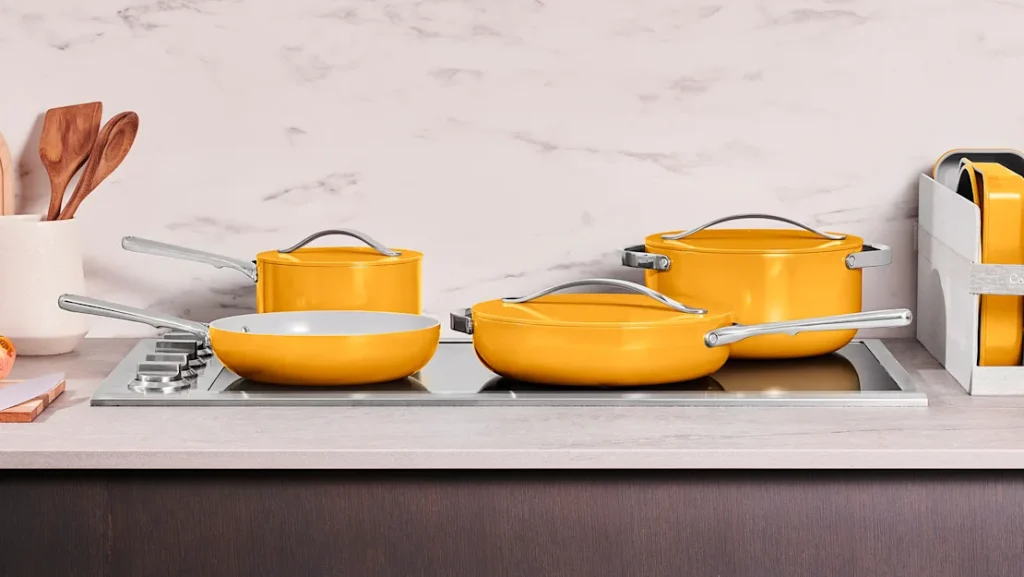
Have you ever wondered why your food doesn’t taste quite as good when cooked in traditional metal pots and pans? Or perhaps you’ve heard about the benefits of ceramic cookware but aren’t sure where to begin.
Imagine cooking meals that not only taste better but are also healthier for you and your family. Ceramic cookware is gaining popularity for its ability to enhance flavors while providing a safer cooking experience. As you explore how to cook in ceramic cookware, you’ll discover its unique properties that can transform your culinary skills.
This article will guide you through the benefits, tips, and tricks to mastering the art of cooking in ceramic, ensuring every meal you prepare is both delicious and nutritious. Are you ready to elevate your cooking game? Let’s dive into the world of ceramic cookware and uncover the secrets to perfect meals.
Credit: www.neoflamshop.com
Benefits Of Ceramic Cookware
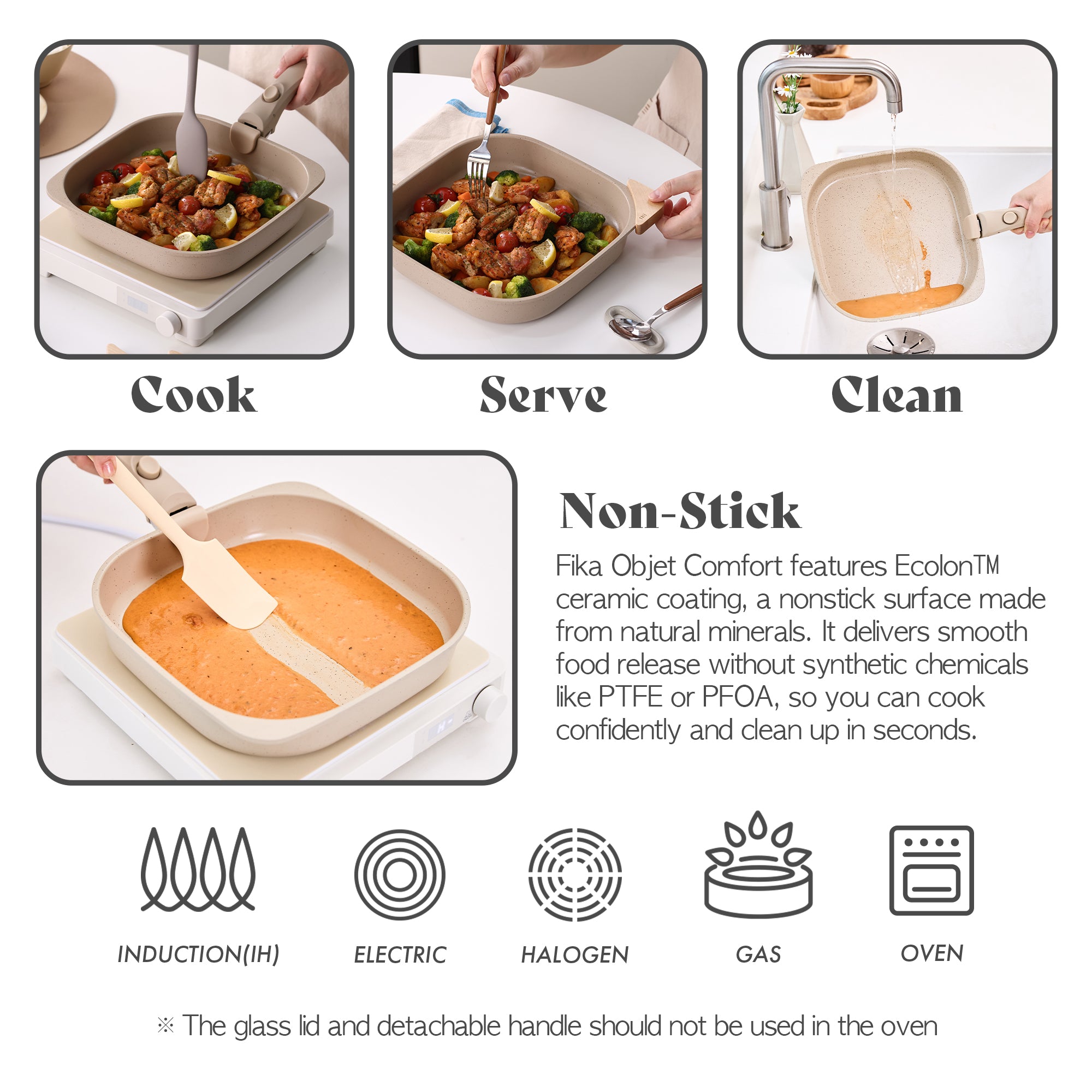
How to Cook in Ceramic Cookware Ceramic cookware provides even heat distribution, ensuring food cooks consistently. Its non-stick surface requires less oil, promoting healthier meals. Plus, it’s easy to clean, making post-cooking a breeze.
Cooking in ceramic cookware is not only a delightful experience but also offers numerous benefits that enhance your culinary journey. From ensuring your health is a priority with its non-toxic properties to providing versatility in cooking options, ceramic cookware stands out as a valuable addition to any kitchen. Let’s explore why you might want to consider this cookware for your next meal.Non-toxic Properties
Ceramic cookware is celebrated for its non-toxic nature. Unlike some traditional non-stick pans that can release harmful chemicals at high temperatures, ceramic cookware is free from PTFE and PFOA. This means you can cook with peace of mind, knowing that your meals are safe and healthy for your loved ones. Have you ever been concerned about chemicals leaching into your food? With ceramic cookware, this worry becomes a thing of the past. It’s a comforting thought, especially when preparing meals for children or individuals with sensitivities.Even Heat Distribution
Achieving the perfect sear on a steak or evenly cooking a delicate sauce can be challenging. Ceramic cookware excels in providing even heat distribution across the cooking surface. This ensures that every part of your dish is cooked to perfection, eliminating hot spots that can burn or undercook your food. Imagine making a creamy risotto where every grain of rice is cooked uniformly. Ceramic cookware makes this dream a reality by maintaining consistent temperatures. This can elevate your cooking skills, leading to dishes that are not just cooked but crafted with precision.Versatile Cooking Options
Ceramic cookware is incredibly versatile, accommodating various cooking techniques and recipes. Whether you’re sautéing vegetables, simmering a stew, or baking a casserole, ceramic pots and pans can handle the task with ease. Their ability to transition from stovetop to oven expands your cooking possibilities. Do you enjoy experimenting with different cuisines? Ceramic cookware can be your trusty companion in trying out new recipes, providing the flexibility you need. Its adaptability makes it a practical choice for both novice cooks and seasoned chefs. Consider how these benefits could transform your cooking experience. Wouldn’t it be satisfying to create meals that are not only delicious but also prepared with cookware that supports your health and culinary ambitions? Ceramic cookware offers just that.Choosing The Right Ceramic Cookware
Opt for ceramic cookware for even heat distribution and easy cleaning. Preheat the pan slowly to avoid cracks. Use low to medium heat for best results, preserving the pan’s surface and your food’s flavor.
Choosing the right ceramic cookware can make a big difference. It influences your cooking experience and the taste of your dishes. Ceramic cookware comes in various types, sizes, and qualities. Knowing what to look for is essential. Let’s explore the options available.Types Of Ceramic Cookware
Ceramic cookware varies in design and functionality. You can find pure ceramic pans and pots. These are made entirely of ceramic material. They are great for slow cooking and baking. There’s also ceramic-coated cookware. This type has a metal core with a ceramic layer. It heats quickly and is ideal for everyday cooking. Consider your cooking style before choosing the type.Size And Shape Considerations
Size matters in cookware. Larger pots are perfect for family meals. Smaller ones work well for single servings or sauces. The shape affects cooking results too. Flat-bottomed pans are ideal for frying. Deep pots are better for soups and stews. Think about the meals you often prepare.Quality Indicators
Quality ceramic cookware lasts longer and performs better. Look for a smooth, uniform surface. It should be free of chips and cracks. A sturdy handle ensures safe handling. Check the weight; heavier cookware is usually more durable. Consider the brand reputation and customer reviews. They can offer insights into quality and longevity.Preparing Ceramic Cookware
Ceramic cookware offers even heat distribution for perfect cooking. Preheat the pan gently to avoid cracking. Use low to medium heat for best results.
Cooking with ceramic cookware can elevate your culinary experience, offering both aesthetic appeal and even heat distribution. However, to truly maximize its benefits, it’s crucial to prepare your ceramic cookware properly. This preparation not only ensures longevity but also enhances the performance of your pots and pans. Let’s dive into how you can effectively prepare your ceramic cookware for exceptional cooking results.Initial Seasoning Tips
Before you begin cooking, it’s important to season your ceramic cookware to create a non-stick surface. Start by washing your new ceramic pots and pans with warm soapy water and a soft sponge. Rinse thoroughly and let them dry completely. Once dry, apply a thin layer of cooking oil on the interior surface. Use a soft cloth or paper towel to spread the oil evenly. Heat the cookware on medium heat for about two to three minutes, then let it cool. This simple step can make all the difference in preventing food from sticking.Cleaning And Maintenance
Proper cleaning of ceramic cookware is essential to maintain its non-stick properties. Always allow your cookware to cool before washing to prevent thermal shock, which can cause cracking. Use warm water, mild dish soap, and a soft sponge to clean the surface. Avoid abrasive cleaners or steel wool, as these can damage the ceramic coating. For stubborn stains, create a paste using baking soda and water. Apply it gently and let it sit for a few minutes before rinsing. Regular maintenance, such as wiping with a damp cloth after each use, can extend the life of your ceramic cookware. Are you maintaining your cookware to ensure it serves you well for years? By focusing on these preparation tips, you can enjoy a smoother, more enjoyable cooking experience with your ceramic cookware.Cooking Techniques For Ceramic Cookware
Ceramic cookware requires gentle heating to prevent damage. Use low to medium heat for even cooking. Avoid sudden temperature changes and metal utensils to maintain the surface.
Cooking with ceramic cookware can elevate your culinary experience, offering both versatility and beauty in your kitchen. Whether you’re simmering a stew or roasting a chicken, ceramic cookware provides consistent heat distribution that enhances your dish. But how do you maximize its potential? Let’s dive into some effective cooking techniques that will make your meals shine.Low And Slow Cooking
When you’re aiming for deep flavors, low and slow cooking is your friend. Ceramic cookware’s ability to retain heat means you can simmer soups and stews to perfection. The gentle, even heat allows flavors to meld beautifully. Consider a hearty beef stew. The ceramic pot keeps the temperature steady, ensuring tender meat and rich flavors. Remember to check occasionally and give it a stir, as ceramic can hold the heat longer than metal.Searing And Browning
Achieving a perfect sear is one of ceramic cookware’s many talents. The key is preheating your pot or pan. A well-heated ceramic surface can give your meats a golden crust without sticking. Imagine searing a salmon fillet; it sizzles beautifully, developing a crispy skin while keeping the inside juicy. Be sure to add oil to your preheated pan to enhance the browning effect. Wouldn’t you love that crispy texture with every bite?Baking And Roasting
Ceramic cookware excels in the oven, making it ideal for baking and roasting. Its heat retention transforms an ordinary roast into a succulent masterpiece. Picture roasting vegetables; they emerge caramelized and full of flavor. Or baking a lasagna that maintains its heat evenly throughout, preventing burnt edges. Use a ceramic dish for your next casserole, and enjoy the consistent results it offers. Each technique is a path to culinary delight. Which one will you try first? Whether you’re simmering, searing, or baking, ceramic cookware promises to deliver delicious results.Unlocking Flavors With Ceramic Cookware
Ceramic cookware delivers even heat distribution, enhancing flavors. Preheat gently to preserve ceramic’s non-stick surface. Use low to medium heat for best results. Avoid metal utensils to prevent scratches. Cleaning is easy; soak in warm water and use mild detergent.
Enjoy healthier meals with minimal oil.
Cooking with ceramic cookware offers a unique culinary experience. It brings out the best in your ingredients. This type of cookware is known for its ability to enhance flavors. Its non-reactive surface ensures that food retains its natural taste. Let’s dive into how ceramic cookware helps in unlocking these flavors.Retaining Nutrients
Ceramic cookware helps in retaining nutrients. Its even heat distribution cooks food gently. This method preserves vitamins and minerals. You enjoy a healthier meal. Foods cooked in ceramic often taste fresher. Nutrient retention also enhances flavor profiles.Enhancing Natural Flavors
Ceramic cookware enhances natural flavors. Its non-stick surface needs less oil. This allows the food’s true taste to shine. It does not react with acidic foods. So, tomatoes and citrus fruits taste pure. The cookware locks in moisture, keeping dishes juicy and tender.Experimenting With Ingredients
Experimenting with ingredients is fun with ceramic. You can try new spices and herbs. The cookware’s even heat ensures balanced flavor. Complex dishes become easy to manage. Explore global cuisines without fear. Ceramic cookware supports your culinary creativity.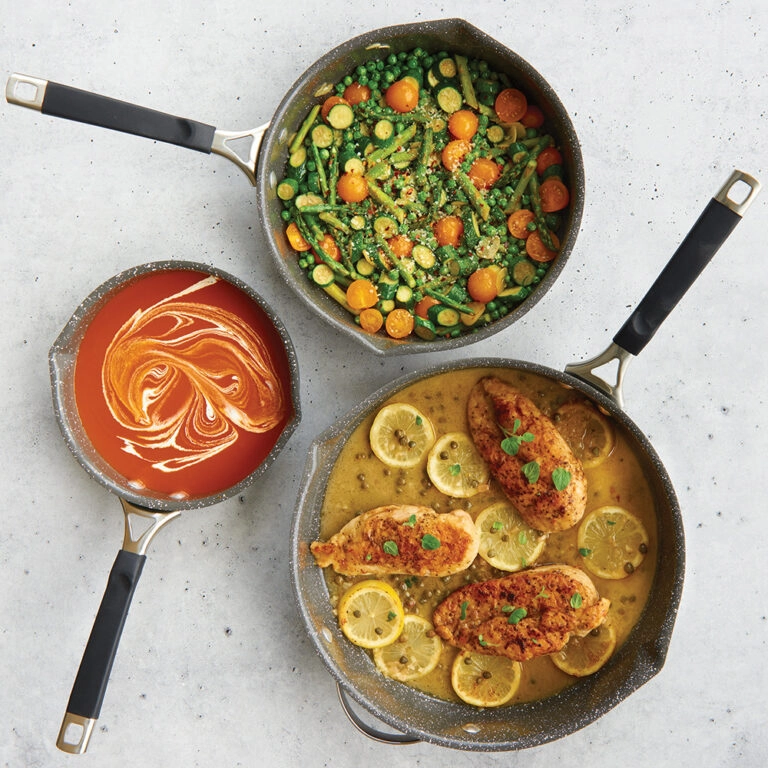
Credit: www.nordicware.com
Common Mistakes To Avoid
Ceramic cookware demands gentle handling to prevent chips and cracks. Avoid using high heat; it can damage the ceramic surface. Stir food with wooden or silicone utensils to avoid scratches.
Cooking with ceramic cookware offers a delightful experience. Its non-stick surface and even heat distribution make it a favorite in many kitchens. Yet, using ceramic cookware requires care. Avoiding common mistakes ensures your cookware lasts longer and performs well.Overheating The Cookware
Ceramic cookware is sensitive to high heat. It can lead to damage. Use medium heat for most dishes. High heat can cause the ceramic coating to crack. It may also affect the non-stick properties. Always preheat slowly to maintain the cookware’s integrity.Using Abrasive Cleaners
Scratches can ruin the surface. Abrasive cleaners and scrubbers are harsh on ceramic. They strip away the non-stick layer. Use soft sponges and mild detergents. Gentle cleaning preserves the smooth finish. Your cookware remains functional and beautiful.Ignoring Manufacturer Instructions
Every ceramic cookware brand is unique. Following the manufacturer’s guidelines is essential. These instructions provide specific care tips. They help avoid damage and extend the cookware’s life. Always read and adhere to these instructions. It ensures optimal performance and longevity.Care And Longevity Tips
Ceramic cookware offers a unique cooking experience. To maintain its beauty and function, proper care is essential. Understanding how to extend its life can make a significant difference in your culinary journey. Below are some key tips to ensure your ceramic cookware remains a staple in your kitchen for years.
Proper Storage Solutions
Store ceramic pots and pans separately from other cookware. This prevents scratches and chips. Use soft padding between stacked items for added protection. Hanging racks are great for keeping them safe and accessible. Ensure the racks are sturdy to avoid accidents.
Regular Maintenance Practices
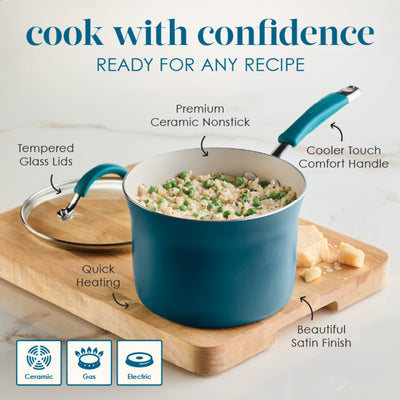
Wash ceramic cookware with warm, soapy water after each use. Avoid using abrasive cleaners or scouring pads. These can damage the surface. Dry them thoroughly before storing to prevent moisture damage. Regularly check for chips and cracks. Early repair can prolong their lifespan.
Credit: rachaelray.com
Frequently Asked Questions
Is Ceramic Cookware Safe For Cooking?
Yes, ceramic cookware is safe and non-toxic. It’s free from harmful chemicals like PTFE and PFOA. Ceramic provides even heat distribution. This reduces the risk of hotspots. Always follow the manufacturer’s instructions for best results. Use low to medium heat to preserve its coating.
How Do I Clean Ceramic Cookware?
Clean ceramic cookware with warm soapy water. Avoid abrasive cleaners and pads to prevent scratching. Use a soft sponge or cloth for scrubbing. For stubborn stains, soak in warm water. Rinse thoroughly and dry before storing. Never put it in the dishwasher unless specified by the manufacturer.
Can Ceramic Cookware Be Used On Induction Stoves?
Not all ceramic cookware is suitable for induction stoves. Check the manufacturer’s specifications for compatibility. Some have a special magnetic base that works with induction. If it lacks this, use an induction adapter. Always ensure proper contact with the stove’s surface for efficient heating.
Does Ceramic Cookware Need Seasoning?
Ceramic cookware doesn’t typically require seasoning. It comes with a non-stick surface. Seasoning can be done occasionally to maintain its non-stick properties. Use a light layer of vegetable oil. Heat gently to seal the surface. Always consult the manufacturer’s guidelines for specific care instructions.
Conclusion
Ceramic cookware makes cooking enjoyable and healthy. Its non-stick surface ensures easy cleaning. Remember to use low to medium heat for best results. Avoid sudden temperature changes to protect your cookware. Use wooden or silicone utensils to keep surfaces scratch-free.
With these tips, you can enjoy delicious meals every time. Ceramic cookware is a wonderful addition to any kitchen. It’s simple to use and easy to maintain. Try it out for your next meal and see the difference. Happy cooking!