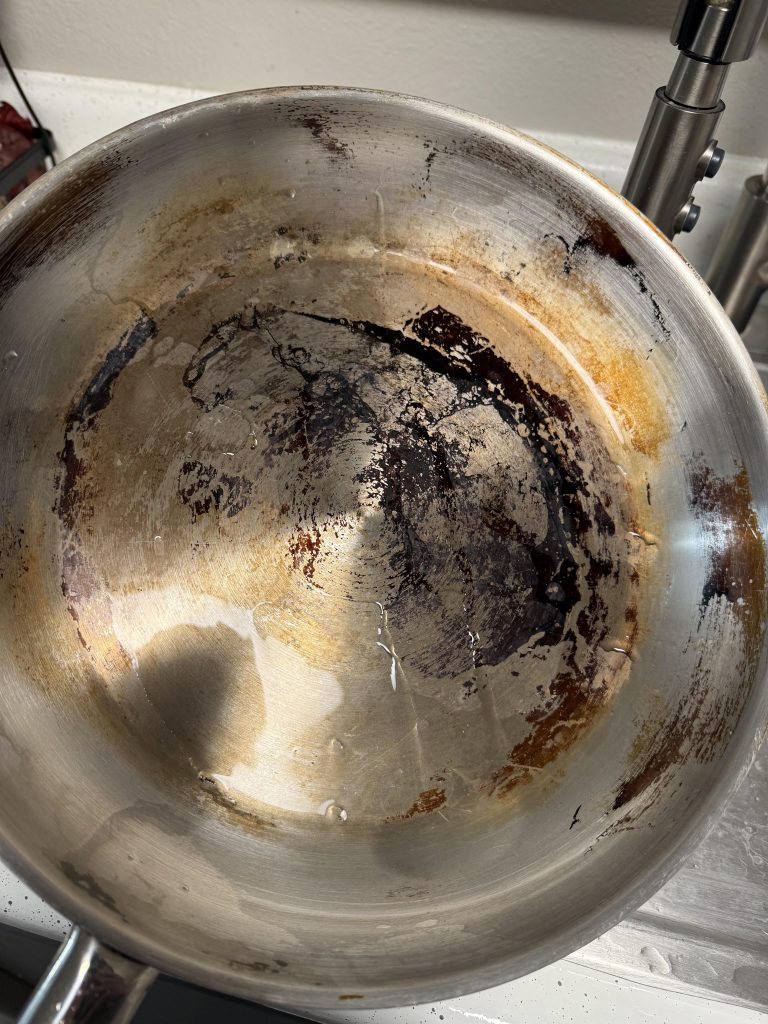
Are you tired of seeing your stainless steel cookware lose its shine and luster? Discolored pots and pans can be frustrating, especially when you’ve invested in quality pieces for your kitchen.
You might wonder if it’s possible to restore their gleaming appearance without resorting to harsh chemicals or replacing them altogether. The good news is, you can bring back the brilliance of your cookware with a few simple techniques! Imagine your cookware sparkling like new again, enhancing the look of your kitchen and making cooking a pleasure.
You deserve to enjoy the beauty of stainless steel, and with the right approach, achieving this is easier than you think. You’ll discover effective, straightforward methods to clean discolored stainless steel cookware. These tips are designed to make your life easier, saving you time and frustration. So, get ready to transform your kitchen tools back to their original glory, and let’s dive into the secrets of achieving spotless stainless steel.
Causes Of Discoloration
Discoloration of stainless steel cookware often happens due to overheating, mineral deposits, or burnt food residues. Cleaning these stains involves using gentle abrasives like baking soda, vinegar, or specialized stainless steel cleaners. Regular maintenance helps in keeping your cookware shiny and spotless.
Understanding the reasons behind the discoloration of your stainless steel cookware can save you time and effort when it comes to cleaning. Discoloration is more common than you might think, and it can be caused by several factors. Knowing these causes can help you prevent them and maintain the pristine look of your cookware.Heat Effects
Excessive heat can lead to rainbow-like colors forming on stainless steel surfaces. This happens because high temperatures alter the metal’s surface, causing a thin oxide layer to form. If you’ve ever left a pan on the stove a bit too long or used it under high heat frequently, you might have noticed this discoloration. It’s not just an aesthetic issue; it can impact the performance of the cookware.Chemical Reactions
Stainless steel is durable, but it can react with certain chemicals, especially if cleaning products are left on for too long. Acidic foods like tomatoes or vinegar can also cause discoloration if left in contact with the surface for extended periods. This reaction is often subtle but can become noticeable over time, affecting both the appearance and integrity of the cookware.Water Stains
Ever noticed those dull, cloudy spots after your cookware dries? That’s often due to mineral deposits from hard water. These water stains can make your stainless steel look less than stellar. While they don’t affect the cookware’s functionality, they can be frustrating when you’re striving for that shiny, spotless finish. Regularly spotting these stains might mean it’s time to check your water softness or drying techniques. Why not take a closer look at your cleaning habits and see if any adjustments are necessary? Your cookware deserves the best care to keep serving you delicious meals.
Credit: www.delish.com
Essential Cleaning Supplies
Removing discoloration from stainless steel cookware involves simple steps. Use baking soda and water to create a paste. Gently scrub the affected areas, rinse thoroughly, and dry with a clean cloth.
Cleaning discolored stainless steel cookware can be a daunting task if you’re not equipped with the right tools. The key to restoring your pots and pans to their original shine lies in using essential cleaning supplies. Let’s dive into the must-have items that will make this task not only possible but also easy and efficient.Non-abrasive Cleaners
Non-abrasive cleaners are a must when dealing with stainless steel. These cleaners help lift stains without scratching the delicate surface of your cookware. Brands like Bar Keepers Friend or Bon Ami are popular choices. They contain gentle yet effective ingredients that break down stubborn discolorations. Using harsh chemicals or abrasive powders can leave unsightly marks. So, always opt for products specifically designed for stainless steel to maintain its polished look.Soft Sponges
A soft sponge is your cookware’s best friend. It helps distribute your cleaner evenly across the surface without causing scratches. Opt for sponges that are labeled as non-scratch. They are designed to be tough on grime yet gentle on your cookware. If you’ve ever accidentally scratched a pan with a steel wool pad, you’ll appreciate the finesse a soft sponge brings to your cleaning routine. It’s a simple change that makes a world of difference.White Vinegar
White vinegar is a powerhouse cleaner that’s likely already in your pantry. Its acidity helps dissolve mineral deposits and discoloration on stainless steel. To use, mix equal parts of vinegar and water in a spray bottle. Spray generously on the affected area, let it sit for a few minutes, then wipe clean with a soft cloth. Have you ever noticed how a touch of vinegar can make your kitchen gleam? It’s not just an old wives’ tale—vinegar is a tried-and-true solution that works wonders on stainless steel. By equipping yourself with these essential cleaning supplies, you’ll be well on your way to restoring your cookware’s natural shine. Have you tried any of these methods before, or do you have other go-to cleaning hacks? Let us know in the comments below!Pre-cleaning Steps
Before diving into cleaning, take a few preparatory steps. Proper preparation ensures effective results and protects your cookware from further damage. Let’s break down the pre-cleaning process.
Assessing Damage
Start by examining your stainless steel cookware. Look for discoloration, stains, or rust. Understanding the extent of the damage helps choose the right cleaning method. Note any specific problem areas that need extra attention.
Gathering Supplies
Collect the necessary cleaning tools and materials. You will need:
- Soft sponge or cloth
- White vinegar
- Baking soda
- Warm water
- Dish soap
- Non-abrasive scrub pad
Having everything handy saves time and effort. Ensure supplies are suitable for stainless steel to avoid scratches.
Setting Up Workspace
Prepare a clean, clutter-free workspace. A spacious area helps you move freely while cleaning. Arrange your supplies within easy reach. Ensure good lighting to see all discolorations clearly.
Using a sink or countertop near a water source is ideal. This setup makes rinsing and washing easier. A well-organized space boosts efficiency and makes the process smoother.

Credit: www.reddit.com
Cleaning Techniques
Stainless steel cookware can lose its shine over time. Discoloration affects its appearance and performance. Fortunately, there are effective cleaning techniques. Restore your pots and pans effortlessly.
Vinegar And Baking Soda Method
This method is simple and effective. First, mix equal parts of vinegar and water. Apply the mixture to the discolored area. Let it sit for a few minutes. Next, sprinkle baking soda over the area. Scrub gently with a non-abrasive sponge. Rinse thoroughly with warm water. Pat dry with a clean towel.
Commercial Cleaner Application
Commercial cleaners are another option. Choose a cleaner specifically for stainless steel. Follow the instructions on the product label. Usually, you apply the cleaner and scrub gently. Rinse the cookware with water. Dry with a soft cloth to avoid water spots.
Boiling Water Technique
Use this technique for stubborn stains. Fill the cookware with water and bring to a boil. Add a tablespoon of salt or vinegar. Let it boil for a few minutes. Turn off the heat and allow it to cool. Scrub with a sponge, then rinse well. Dry thoroughly to prevent watermarks.
Removing Stubborn Stains
Stainless steel cookware often faces stubborn stains after regular use. These stains can seem impossible to remove. Thankfully, there are effective methods to restore its shine. Let’s explore some techniques to tackle these tough stains.
Salt And Lemon Mix
Salt and lemon juice create a powerful cleaning combination. Sprinkle salt on the stained area. Cut a lemon in half and rub it over the salt. The citric acid helps lift the stain. Rinse the cookware with warm water. This method is gentle and natural.
Hydrogen Peroxide Use
Hydrogen peroxide is excellent for removing stubborn marks. Pour it onto the stained area. Let it sit for a few minutes. Use a soft sponge to scrub gently. Rinse thoroughly with warm water. This solution is safe and effective. Avoid using it on non-stainless surfaces.
Specialty Products
Several specialty products designed for stainless steel are available. They often contain unique formulas to tackle hard stains. Follow the instructions on the label. Apply the product as directed. These products usually provide quick results. Ensure proper ventilation when using any chemical cleaner.
Preventive Measures
To clean discolored stainless steel cookware, use a gentle mixture of baking soda and water. Apply the paste, scrub lightly, and rinse thoroughly. Dry the cookware with a soft cloth to prevent future stains.
Preventive Measures Keeping your stainless steel cookware in pristine condition doesn’t have to be a daunting task. By incorporating a few preventive measures, you can ensure your pots and pans remain shiny and spotless. Let’s dive into some practical tips that can make a significant difference in maintaining the beauty of your cookware.Proper Storage
Proper storage is crucial to prevent discoloration. Store your cookware in a dry area where moisture cannot cause rust or stains. Use pot protectors or soft cloths between stacked pans to avoid scratches. Do you frequently toss your cookware into a cupboard without a second thought? Taking a little extra care in storage can save you from unsightly discoloration down the line.Regular Maintenance
Regular maintenance is your cookware’s best friend. Make it a habit to clean your pots and pans after every use, even if they seem spotless. A simple wipe with a damp cloth can remove residues that might become stubborn over time. What if you dedicated just five minutes after each meal to keep your cookware in top shape? The results might surprise you.Avoiding Harsh Chemicals
Avoid using harsh chemicals that can damage the surface of your cookware. Choose gentle dish soaps and non-abrasive sponges to preserve the integrity of the stainless steel. Did you know that some common household cleaners can actually cause more harm than good? Sticking to mild cleaning products can prevent unwanted chemical reactions that lead to discoloration. Implementing these preventive measures can extend the life of your stainless steel cookware, keeping it looking new for years.Restoring Shine
Discolored stainless steel cookware regains its shine through simple cleaning methods. Use baking soda and vinegar to effectively remove stains. Gently scrub with a soft cloth to restore its natural luster.
Restoring Shine to your discolored stainless steel cookware can feel immensely satisfying. The process not only revives the aesthetic appeal but also enhances its performance. Imagine the joy of watching your old pots and pans transform back to their gleaming best, just like the day you first used them.Polishing Techniques
To bring back that mirror-like finish, start with a simple polishing technique. Use a non-abrasive cleaner specifically designed for stainless steel. Apply a small amount on a soft sponge or cloth, then rub it gently in circular motions over the discolored areas. Ensure you cover the entire surface evenly. Rinse thoroughly with warm water and dry with a clean towel. You’ll see how this gentle effort restores the shine without scratching or damaging your cookware.Using Olive Oil
Did you know olive oil can be a surprising ally in restoring shine? Take a small amount of olive oil on a soft cloth and buff your cookware gently. This method not only adds shine but also creates a protective layer against future discoloration. Make sure to wipe off any excess oil to prevent a sticky residue. It’s an easy and eco-friendly way to keep your cookware looking pristine.Buffing Cloths
Invest in a quality buffing cloth for the final touch. These cloths are designed to polish stainless steel to perfection. Use them dry, rubbing the cookware in the direction of the grain for best results. The soft fibers of the cloth pick up any remaining residues and help achieve a brilliant shine. You might even find yourself admiring your reflection on that sparkling pot! Remember, bringing back the shine is a rewarding process that takes only a few minutes. Why settle for dull and lifeless cookware when you can easily restore its former glory?Expert Advice
Expert Advice on Cleaning Discolored Stainless Steel Cookware
Stainless steel cookware is a kitchen staple for many. Over time, it can become discolored. This happens due to heat, food residue, or cleaning products. Expert advice can help restore its shine effectively.
Common Mistakes
Many people use harsh cleaners. These can scratch or dull the surface. Others use abrasive pads, which can also damage the cookware. Avoid bleach. It can lead to permanent discoloration. Using too much water can cause spotting. These mistakes can make cleaning harder.
Professional Recommendations
Experts suggest using white vinegar. It helps remove water spots and stains. Baking soda is another useful cleaner. It can gently scrub away residue. A soft cloth is ideal for cleaning. It avoids scratches and maintains shine. Warm soapy water should be used regularly. This keeps the cookware clean without damage.
Long-term Care Tips
Regular cleaning is key to maintaining stainless steel. Always dry the cookware immediately after washing. This prevents water spots. Store in a dry area to avoid moisture. Use low heat to prevent burning and stains. Avoid metal utensils that scratch the surface. Following these tips helps keep cookware looking new.

Credit: www.reddit.com
Frequently Asked Questions
What Causes Stainless Steel Discoloration?
Stainless steel discoloration is often caused by overheating, prolonged exposure to acidic foods, or using harsh cleaners. These factors can damage the protective chromium layer, leading to discoloration. Regular maintenance and proper cleaning methods can help prevent this issue and keep your cookware looking new.
Can Vinegar Clean Stainless Steel Cookware?
Yes, vinegar is effective for cleaning stainless steel cookware. Mix equal parts vinegar and water, then apply it to the discolored areas. Let it sit for a few minutes, then scrub gently with a soft cloth. Vinegar’s acidity helps remove stains and restore shine without damaging the cookware.
How Do You Remove Burnt Marks?
To remove burnt marks, make a paste with baking soda and water. Apply the paste to the affected area and let it sit for 10 minutes. Scrub gently with a non-abrasive sponge or cloth. Rinse thoroughly with warm water. This method is safe and effective for restoring stainless steel cookware.
Is Baking Soda Safe For Stainless Steel?
Yes, baking soda is safe for stainless steel. It is a mild abrasive that effectively removes stains without scratching the surface. Make a paste with water and gently scrub the cookware. Baking soda is environmentally friendly and cost-effective, making it a popular choice for cleaning stainless steel.
Conclusion
Caring for stainless steel cookware keeps it looking new. Discoloration can be frustrating but is fixable. Regular cleaning with vinegar or baking soda helps. These natural cleaners remove stains without damage. Avoid harsh chemicals to preserve the finish. Gentle scrubbing clears residue and restores shine.
Keep cookware dry after washing. This prevents future discoloration. Stainless steel is durable with proper care. A little effort maintains its beauty. Enjoy cooking with clean, shiny pots and pans. Keep your kitchen looking its best with these easy tips.
Your cookware can shine bright for years to come.