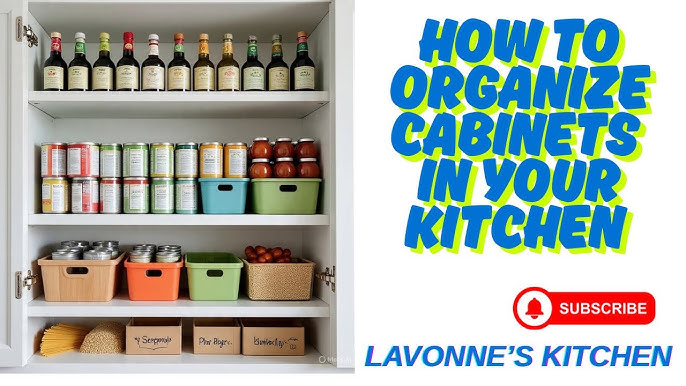
Your kitchen is the heart of your home, where delicious meals are created and cherished memories are made. But sometimes, it can feel more like a cluttered maze than a welcoming space.
If you’re feeling overwhelmed by the chaos, you’re not alone. Imagine walking into a kitchen where everything has its place, countertops are clear, and cooking is a joy rather than a chore. Sounds great, right? You don’t have to dream about it any longer.
With a few simple tips and tricks, you can transform your kitchen into a clean and organized haven. Keep reading to discover how you can create a space that not only looks good but works beautifully for you and your lifestyle. Your ideal kitchen is just a few steps away.
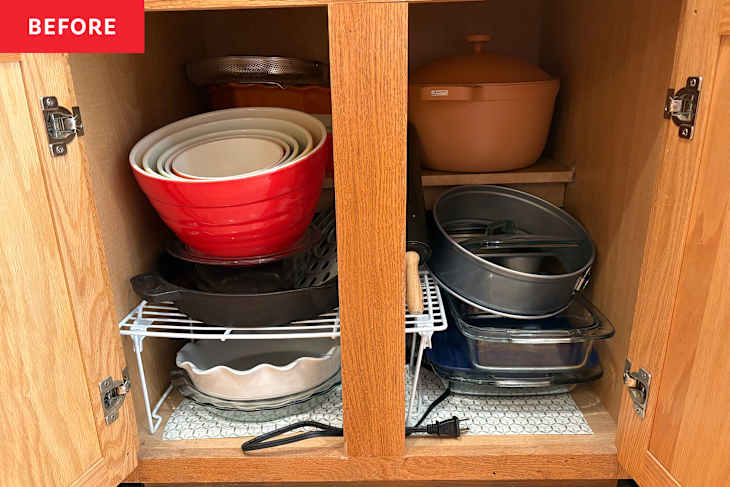
Credit: www.apartmenttherapy.com
Decluttering Essentials
Cleaning and organizing your kitchen can be a daunting task, but embracing the decluttering essentials can transform your space into a functional and stress-free environment. It’s all about making smart choices and keeping only what truly adds value to your cooking routine. Let’s dive into the key aspects of decluttering to make your kitchen a place you love.
Assessing Kitchen Items
Begin by taking a close look at every item in your kitchen. Open your cabinets and drawers and take out everything. This approach allows you to see all the items you own and evaluate their utility.
Ask yourself: When was the last time I used this? If you haven’t used an item in the past year, it might be time to let it go. Sometimes, we hold onto gadgets or utensils thinking we might need them one day, but they end up collecting dust.
Create a system to sort items. Use three categories: keep, donate/sell, and discard. This will help you make quick decisions and prevent unnecessary clutter from creeping back in.
Deciding What To Keep
Choosing what to keep should be about practicality and joy. Hold onto items that you use frequently and that bring you happiness when you cook. Think about your go-to pots, pans, and utensils that make meal prep easier.
Consider multi-purpose tools. A high-quality chef’s knife can replace several lesser-quality knives. Prioritize quality over quantity to ensure your kitchen remains streamlined.
Be honest about aspirational items. It’s easy to hold onto a pasta maker or a bread machine because of the dream of using them. If they haven’t seen the light of day, it might be best to pass them on to someone who will use them.
What changes can you make today to create a kitchen that serves you better? By focusing on decluttering essentials, you set the stage for a kitchen that is not only tidy but also a joy to cook in.
Credit: www.rd.com
Deep Cleaning Techniques
Discover effective deep cleaning techniques to transform your kitchen. Focus on decluttering countertops and organizing cabinets. Use natural cleaners for a spotless finish.
Deep cleaning your kitchen can transform it into a fresh, sparkling space. This process involves more than just wiping down surfaces. It requires thorough techniques to ensure every inch shines. Here’s how you can achieve a spotless kitchen.Cleaning Surfaces And Countertops
Begin by clearing all items from countertops. Use a mixture of warm water and mild detergent. Scrub the surfaces with a soft sponge. Pay attention to corners and edges. Dry them with a clean cloth to prevent streaks. For stubborn stains, use baking soda paste. Apply it directly on stains and let it sit. Scrub gently with a brush and rinse with warm water. This helps to remove grime without damaging surfaces.Tackling Appliances
Start with the refrigerator. Empty it and remove shelves. Wash shelves with warm soapy water. Use a damp cloth to wipe the interior walls. For persistent odors, place a box of baking soda inside. Move on to the oven. Remove racks and soak them in warm water. Use a mixture of vinegar and baking soda. Apply it to the interior and let it sit for a few minutes. Scrub thoroughly and wipe clean. For the microwave, place a bowl of water with lemon inside. Heat it for a few minutes. This loosens grime and makes cleaning easier. Wipe the interior with a damp cloth. These steps ensure your kitchen is clean and organized, ready for your next culinary adventure.Organizing Cabinets And Drawers
Transform your kitchen with clean and organized cabinets and drawers. Start by emptying them, wiping surfaces, and sorting items. Arrange cookware and utensils by frequency of use for easy access and a tidy look.
Organizing your kitchen cabinets and drawers can transform your cooking space into a sanctuary of efficiency and creativity. Imagine opening a drawer and finding everything you need right at your fingertips. No more rummaging through clutter or losing track of essential tools. With a few simple strategies, your kitchen can become the envy of any culinary enthusiast.Efficient Storage Solutions
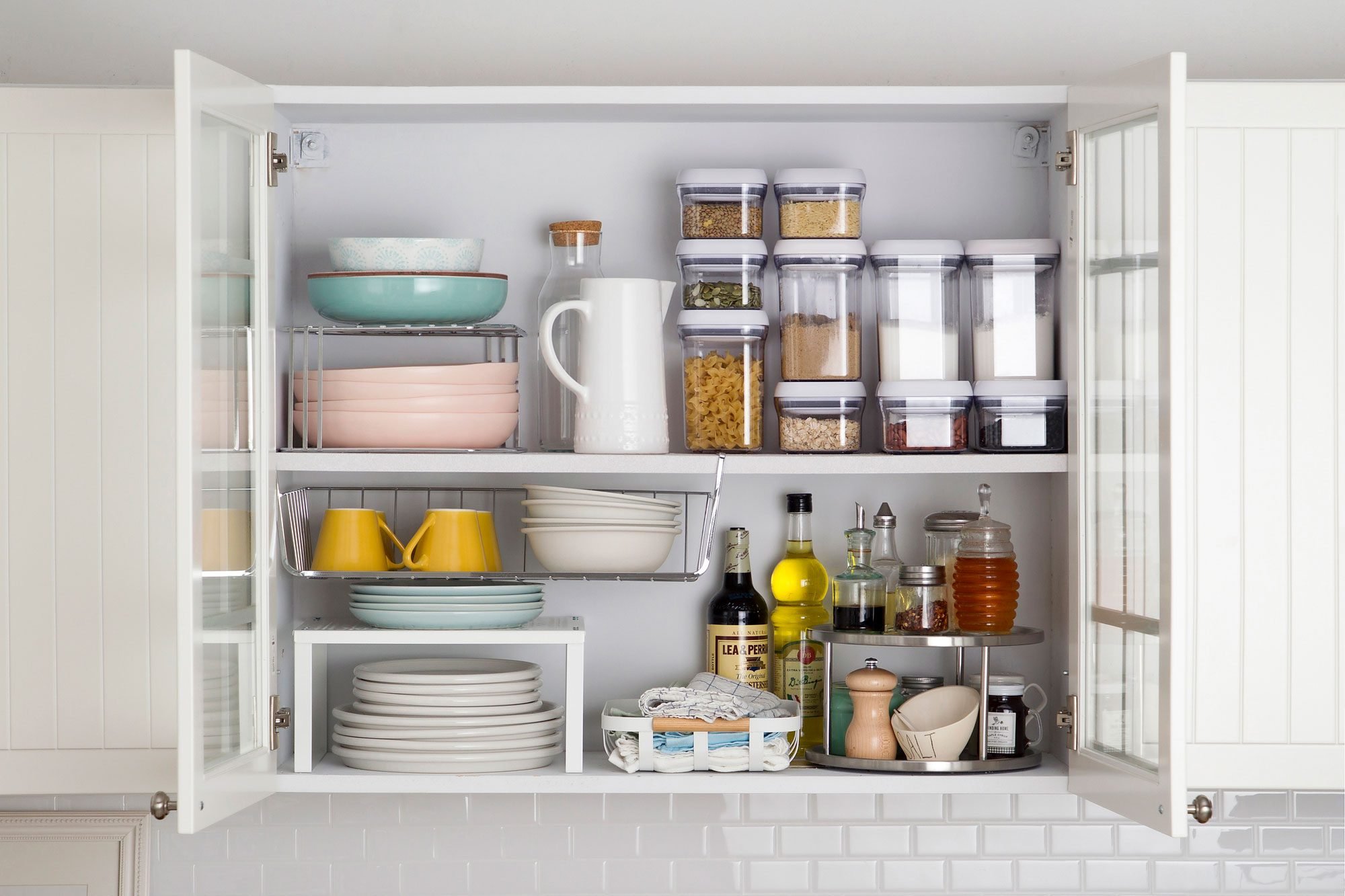
Maximizing space in your cabinets and drawers starts with smart storage solutions. Consider using stackable containers for bulk items like grains and pasta. These containers save space and keep food fresh. Add shelf risers to double your storage space. You can store plates below and cups above, effectively using every inch of your cabinet. Drawer organizers can also work wonders by dividing utensils, making them easy to grab during meal prep. Use hooks on the inside of cabinet doors for additional storage. Hang measuring spoons or small kitchen gadgets that might otherwise get lost in a drawer. With these strategies, every item will have a designated spot, reducing clutter and freeing up space.Categorizing Kitchen Tools
Sorting kitchen tools into categories can streamline your cooking process. Start by grouping items based on their function. Keep baking tools like whisks and measuring cups together, while spatulas and wooden spoons can be stored with frying pans. Label drawers to know exactly where each tool is located. This not only saves time but also ensures you always return items to their rightful place. Consider frequency of use when organizing. Place everyday essentials like knives and cutting boards in easy-to-reach areas. Less frequently used items, such as specialty gadgets, can be stored in the back or higher shelves. Does your organization reflect your cooking style? Tailoring your storage to your habits can make your kitchen more intuitive and enjoyable.Pantry Organization Tips
Organizing your pantry can save time and reduce stress. A tidy pantry helps you find ingredients quickly and keeps food fresh. Let’s dive into some practical tips for organizing your pantry.
Grouping Food Categories
Start by sorting foods into categories. Place similar items together, like canned goods, grains, and snacks. Use clear containers or baskets to keep items visible and accessible. Labels can help identify each category, making it easier to locate what you need.
Maintaining Inventory
Keep track of your pantry inventory. Note expiration dates and replenish items before they run out. A simple list or spreadsheet can help manage this task. Regularly review your stock to ensure nothing goes to waste.
Fridge And Freezer Management
Managing your fridge and freezer is essential for a clean kitchen. Proper organization ensures food stays fresh longer. It also helps reduce waste and keeps your meals healthy.
Keeping your fridge organized saves time during meal prep. It also prevents unnecessary stress when searching for ingredients.
Optimal Food Placement
Place dairy items on the middle shelves. They stay fresh there. Use door shelves for condiments. They don’t need cold temperatures. Store meat on the bottom shelf. This prevents cross-contamination.
Vegetables do best in crisper drawers. They maintain moisture and stay crisp. Store fruits separately. They release gases that spoil vegetables.
Keep leftovers in clear containers. This way, they’re visible and less likely to be forgotten.
Regular Maintenance Practices
Clean spills immediately to prevent odors. Use vinegar to wipe surfaces. It’s a natural cleaner and deodorizer.
Defrost the freezer biannually to maintain efficiency. Remove expired food weekly. This keeps shelves tidy and prevents overcrowding.
Check temperature settings monthly. Ensure the fridge is at 37°F and the freezer at 0°F.
Organize shelves monthly. This helps identify items that need to be used soon.
Utilizing Vertical Space
Are you running out of counter space in your kitchen? Utilizing vertical space can be a game-changer. It allows you to maximize every inch, making your kitchen more functional and visually appealing.
Installing Shelves
Shelves offer a practical solution for storing frequently used items. Consider installing floating shelves above your countertops or next to cabinets. This keeps essentials within arm’s reach without cluttering your workspace.
Opt for adjustable shelves to accommodate items of different heights. This flexibility ensures you have space for everything from tall jars to small spice bottles. Adding a splash of paint or decorative brackets can also enhance the aesthetic appeal of your kitchen.
Hanging Storage Options
Hanging storage options are perfect for keeping your kitchen organized. Use hooks under cabinets to hang mugs or utensils. Pegboards are versatile and can hold pots, pans, and even small baskets for additional storage.
Don’t overlook the space inside cabinet doors. Install hooks or small racks to hold lids or cleaning supplies. This not only frees up cabinet space but also keeps items easily accessible.
Have you tried using a magnetic strip for knives? It’s a smart way to keep them handy while saving drawer space. Vertical storage is not just about functionality; it’s about creating a kitchen that works for you.
Sustainable Cleaning Practices
Embracing sustainable cleaning practices in your kitchen supports a healthier planet. It’s about using eco-friendly methods and reducing waste. These practices not only benefit the environment but also promote a healthier home. Explore how you can implement these strategies effectively.
Eco-friendly Products
Choose cleaning products that are kind to the earth. Look for labels like biodegradable, non-toxic, and plant-based. These products reduce harmful chemicals in your home. Baking soda and vinegar can be natural alternatives. They clean effectively without damaging surfaces or the environment.
Consider reusable cleaning cloths instead of paper towels. They last longer and reduce waste. Use glass or metal containers for storing cleaning supplies. This minimizes plastic usage and is better for the environment.
Reducing Waste
Minimize waste by repurposing old items for cleaning. Use old t-shirts or towels as cleaning rags. Create a compost bin for food scraps. This reduces trash and enriches your garden soil.
Practice mindful consumption. Buy only what you need to avoid excess packaging. Recycle or reuse containers whenever possible. These actions significantly cut down on waste in your kitchen.
Implementing these practices makes a big difference. It leads to a cleaner kitchen and a healthier planet. Small changes in our routines can have a significant impact. Start today and make your kitchen a model of sustainability.

Credit: thecrownedgoat.com
Routine Maintenance Strategies
Cleaning and organizing your kitchen starts with sorting utensils and clearing countertops. Wipe surfaces with a gentle cleaner. Arrange items in cabinets by frequency of use for easy access. Regularly check pantry items to ensure freshness and order.
Maintaining a clean kitchen doesn’t have to be overwhelming. With routine maintenance strategies, you can keep your kitchen spotless and organized. Regular habits prevent mess from piling up, making cleaning less daunting. Let’s dive into some simple strategies.Daily Habits
Incorporate small tasks into your daily routine. Wipe countertops after each meal. This prevents crumbs and spills from accumulating. Wash dishes immediately after use. It keeps the sink clear and ready for the next meal. Sweep the kitchen floor each evening. This keeps dirt and debris at bay. Empty the trash bin daily to avoid unpleasant odors.Weekly Cleaning Schedules
Set aside time each week for deeper cleaning tasks. Clean the microwave to remove food splatters. Wipe down kitchen cabinets and remove stains. This preserves their appearance. Check the refrigerator for expired items. Discard them to maintain freshness. Mop the floor to eliminate any stubborn grime or dirt.Frequently Asked Questions
How Often Should I Clean My Kitchen?
Cleaning your kitchen should be a daily routine. Wipe surfaces and clean dishes after each meal. Conduct a deep clean once a week to tackle appliances and floors. Regular cleaning prevents germs and maintains a pleasant cooking environment.
What Are The Best Kitchen Organizing Tips?
Start by decluttering countertops for a clean look. Use drawer dividers for utensils and labels for pantry items. Maximize cabinet space with stackable containers. Regularly reassess your organization to keep it functional and efficient.
How Do I Clean Kitchen Appliances Effectively?
Unplug appliances before cleaning for safety. Use a damp cloth and mild detergent for exteriors. Remove and soak removable parts in warm soapy water. Regularly clean to prevent grime buildup and maintain appliance efficiency.
Which Cleaning Products Are Safe For Kitchens?
Opt for non-toxic, biodegradable cleaning products. Vinegar and baking soda are natural and effective cleaners. Check labels for safe usage on food-contact surfaces. Using eco-friendly options protects your family and the environment.
Conclusion
A clean kitchen boosts happiness and productivity. Start small. Tackle one task daily. Declutter countertops for a fresh look. Organize cupboards for easy access. Use clear containers for pantry items. Label everything for better order. Regular cleaning prevents buildup and mess.
A tidy kitchen promotes healthy eating habits. Enjoy cooking in a neat space. Feel proud of your organized kitchen. Invite friends over without stress. Maintenance is key. Spend a few minutes daily. Keep your kitchen tidy and welcoming. Make it a habit.
Your efforts will pay off.