Moving into a new home is an exciting experience, but before you start unpacking, there’s one crucial task to tackle: cleaning and organizing your kitchen. Imagine walking into your new kitchen, ready to whip up your favorite meals, only to find cluttered cabinets and dusty countertops.
You want a fresh start, a space that feels welcoming and functional. By cleaning and organizing your kitchen before you move in, you set the stage for a home that feels truly yours. Imagine opening drawers and knowing exactly where everything is, or reaching for a pot without rummaging through piles of mismatched lids.
This article will guide you through simple steps to transform your kitchen into an organized oasis, ensuring that your move is as smooth as possible. Get ready to create a space where cooking feels effortless and enjoyable. Dive in to discover how easy it is to achieve that dream kitchen setup!
Kitchen Cleaning Essentials
Preparing a kitchen before moving in is crucial. A clean kitchen ensures a fresh start. You’ll need the right tools and methods. Here’s a guide to kitchen cleaning essentials.
Must-have Cleaning Supplies
Gather essential supplies for a spotless kitchen. Start with a multi-surface cleaner. It’s versatile for countertops and cabinets. Stock up on sponges and microfiber cloths. They are gentle yet effective. Disinfectant wipes are handy for quick clean-ups. A heavy-duty scrub brush tackles stubborn grime. Don’t forget a mop for the floors. A vacuum with attachments reaches into corners.
Eco-friendly Options
Choose eco-friendly options for a greener clean. Vinegar and baking soda are powerful and safe. Lemon juice cuts through grease naturally. Castile soap is gentle and biodegradable. Use cloth towels instead of paper ones. Reusable spray bottles reduce waste. Look for plant-based cleaners without harsh chemicals.

Credit: www.youtube.com
Deep Cleaning Basics
Thoroughly cleaning and organizing the kitchen is essential before moving in. Begin by wiping down cabinets and counters to remove dust and grime. Next, sort and arrange items in drawers and shelves for easy access.
Deep cleaning a kitchen before moving in is essential. It sets the stage for a fresh start. A clean kitchen means a healthier environment and a more organized space. Deep cleaning goes beyond surface cleaning. It involves tackling grime and making hard-to-reach areas spotless. Let’s explore how to achieve this.Tackling Stubborn Stains
Stubborn stains can be a real challenge. Start with your countertops and appliances. Use a mixture of baking soda and water. Apply it directly to stains. Let it sit for a few minutes. Scrub gently using a soft sponge or cloth. For greasy stains, a vinegar solution works wonders. Mix equal parts of vinegar and water. Spray it on the stain and wipe clean. Don’t forget about the sink. Lemon juice can help remove any lingering stains. It also leaves a fresh scent.Cleaning Hard-to-reach Areas
Hard-to-reach areas often get overlooked. Use a vacuum with an attachment for corners and edges. Clear out cabinets and wipe them down thoroughly. A microfiber cloth can be helpful. For areas behind appliances, move them carefully. Sweep and mop the floor underneath. Use a long-handled brush for ceiling corners and vents. Check the tops of cabinets and shelves. Dust and wipe them clean. Make sure every nook is free from dirt.Organizing Cabinets
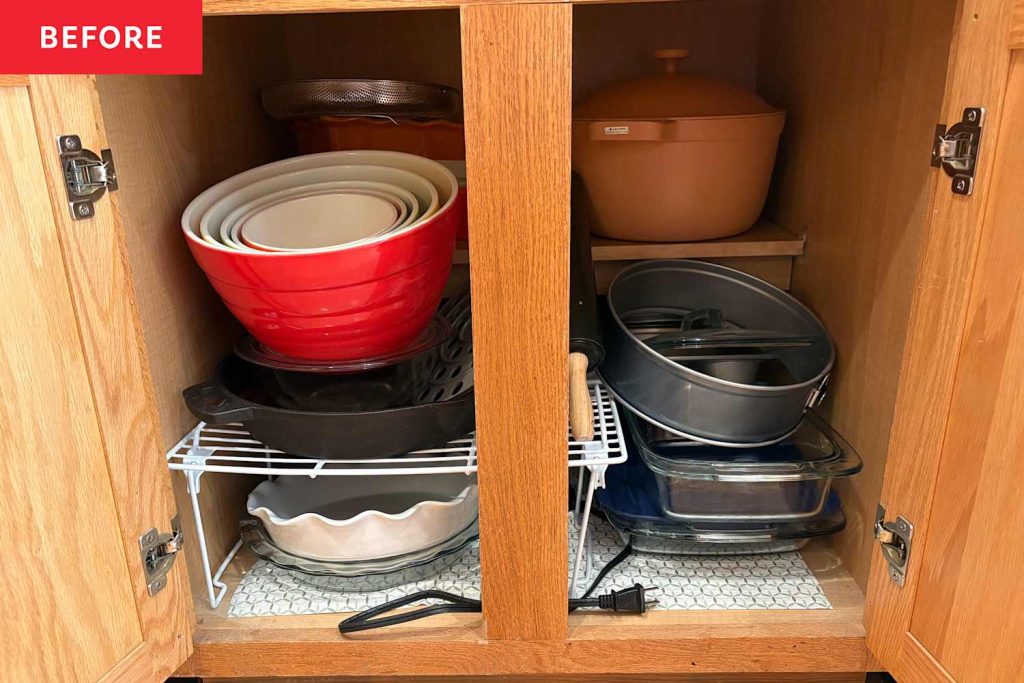
Cleaning and organizing kitchen cabinets before moving in is essential. Begin by removing all items and wiping surfaces with a gentle cleanser. Sort and categorize items, ensuring efficient use of space.
Organizing Cabinets The kitchen cabinets are the backbone of your culinary space, and getting them organized before you move in is essential. A well-organized cabinet system not only makes cooking more efficient but also transforms your kitchen into a welcoming space. Imagine opening a cabinet and immediately finding exactly what you need—it’s a game changer.Sorting And Categorizing Items
Start by sorting through all your kitchen items. Group similar items together, such as pots and pans, dishes, glassware, and utensils. Consider what you use frequently and what can be stored away for occasional use. An organized kitchen is one where everything has its place. Label shelves or use clear containers to make items easy to find. This step not only saves time but also reduces stress when you’re in a hurry.Maximizing Cabinet Space
Think vertically to make the most of your cabinet space. Use shelf risers to create extra layers and increase storage capacity. Hooks on the inside of cabinet doors are perfect for hanging measuring spoons or small pots. Pull-out trays and lazy Susans can make deep cabinets more accessible. These tools help you reach items in the back without having to empty the entire shelf. What creative solutions can you think of to maximize your space? Consider adjustable shelves for flexibility. As your needs change, so can your cabinet configurations. This adaptability ensures your kitchen remains organized and efficient.Pantry Organization
Pantry organization is essential for a well-functioning kitchen. A tidy pantry saves time and reduces stress. Before moving in, give your pantry a thorough clean and organize it effectively. This ensures easy access to ingredients and helps maintain freshness.
Labeling And Storage Solutions
Labels are crucial for a neat pantry. They help identify items quickly. Use clear, simple labels for each container. Consider labeling shelves too. This helps keep similar items together. Choose storage solutions wisely. Airtight containers preserve freshness. Transparent bins allow easy visibility. Stackable options save space.
Managing Expiry Dates
Keep track of expiry dates to ensure food safety. Arrange items by expiration date. Place newer items behind older ones. Use a calendar to note upcoming expiry dates. Consider a digital app for reminders. Regularly check and remove expired goods. This keeps your pantry fresh and safe.
Drawer Arrangements
Organizing kitchen drawers before moving in can save time and stress. A well-arranged drawer helps you find items quickly. It also keeps the space tidy. Let’s explore some ways to set up your kitchen drawers effectively.
Efficient Utensil Placement
Store similar utensils together for easy access. Keep cooking spoons near the stove. Place eating utensils close to the dining area. Use drawer dividers for better organization. They help keep items in place. This prevents a messy drawer.
Decluttering Techniques
Sort through your kitchen items. Decide what you need and discard the rest. Keep only useful and frequently used items. Donate or recycle unwanted kitchen tools. This reduces clutter and frees up space. Label drawers if needed. It helps family members find items easily.
Appliance Care
Cleaning and organizing a kitchen before moving in ensures a fresh start. Wipe down surfaces, cabinets, and appliances thoroughly. Arrange items logically for easy access and efficient use.
Moving into a new home is an exciting chapter, but before you start unpacking your kitchen essentials, it’s crucial to give your appliances some much-needed attention. Proper appliance care not only ensures efficiency but also prolongs the lifespan of your gadgets, making your daily cooking experience smoother. Imagine the joy of using a spotless oven or a fridge that smells fresh! Let’s dive into some practical tips to achieve that.Cleaning Kitchen Appliances
Start with your refrigerator by emptying all contents, including shelves and drawers. Use a gentle soap solution to wipe every corner, ensuring no sticky residue is left behind. Pay special attention to seals and gaskets, which can harbor mold if neglected. Next, tackle your oven. If it has a self-cleaning option, use it, but always double-check the manual for safety tips. For manual cleaning, a baking soda paste can work wonders on tough stains. Don’t forget to clean the range hood and check the filters, as they can accumulate grease over time. For smaller appliances like the microwave, a simple mix of water and lemon can steam away odors and stains. Similarly, descale your kettle and coffee maker with vinegar to keep them running efficiently.Maintaining Appliance Efficiency
Regular maintenance can significantly enhance the performance of your kitchen appliances. Start by checking the seals and gaskets on your fridge and oven to ensure they are airtight. This simple step can save energy and reduce utility bills. Keep the coils of your refrigerator clean by vacuuming them every six months. This prevents the motor from overworking and extends the fridge’s life. For optimal efficiency, ensure that your dishwasher’s spray arms and filters are free from food debris. Running an empty cycle with vinegar can help remove any lingering grime. Finally, always refer to the appliance manuals for specific maintenance tips. Each model may have unique requirements to operate at its best. Are you ready to give your kitchen appliances the care they deserve? A few simple steps today can lead to a more efficient and enjoyable cooking experience tomorrow.Countertop And Surface Tips
Moving into a new home brings excitement and a fresh start. Cleaning and organizing the kitchen is essential before settling in. Countertops and surfaces play a vital role in kitchen aesthetics and functionality. Proper cleaning and organizing ensure a hygienic and welcoming space. Let’s explore some effective tips for countertops and surfaces.
Stain Prevention Strategies
Avoid stains by using coasters under drinks and trivets under hot pans. This simple step prevents unwanted marks and keeps surfaces looking new. Regularly wipe spills immediately with a damp cloth. Quick action stops stains from setting. Invest in cutting boards for food prep. They prevent knife marks and reduce direct contact with countertops.
Selecting The Right Cleaners
Choosing the correct cleaners is crucial for surface care. For granite or marble, use pH-balanced cleaners. They protect the natural shine without damaging the surface. For laminate countertops, mild dish soap works wonders. It’s gentle yet effective in removing dirt and grime. Always check product labels for compatibility with your surfaces. Avoid harsh chemicals that can cause irreversible damage.

Credit: www.instagram.com
Setting Up A Functional Layout
Setting up a functional layout begins with a clean and organized kitchen. Remove unnecessary items and wipe surfaces thoroughly. Arrange utensils and appliances to ensure easy access and efficiency.
Setting up a functional kitchen layout is essential before moving in. A well-organized kitchen saves time and effort during meal preparation. It also provides a pleasant cooking experience. Focus on creating a space that meets your needs and preferences. Consider the placement of appliances, counters, and storage areas.Ergonomic Kitchen Design
An ergonomic kitchen design enhances comfort and efficiency. Arrange frequently used items within easy reach. Store pots and pans near the stove. Place utensils close to prep areas. Minimize bending and stretching. Choose adjustable shelves for flexibility. Ensure countertops are at a comfortable height. This reduces strain during cooking tasks.Flow And Accessibility
Ensure smooth flow and accessibility in your kitchen layout. Arrange pathways for easy movement between zones. Keep the sink, stove, and refrigerator in a convenient triangle. This layout is known as the “work triangle.” It minimizes steps and maximizes efficiency. Avoid cluttered spaces. Ensure cabinet doors and drawers open easily. This helps maintain order and tidiness.Decorative Touches
Add decorative touches for a clean, organized kitchen before moving in. Clear counters and wipe surfaces thoroughly. Arrange essentials neatly for easy access, creating a welcoming space.
Decorating your kitchen when moving into a new home can be an exciting opportunity to inject your personality into the space. Decorative touches not only elevate the aesthetic appeal but also set the tone for the environment you will be cooking and gathering in. These elements can transform a basic kitchen into a warm, inviting hub of your home.Adding Personal Flair
Think about what makes you feel at home. Is it a splash of color, a specific pattern, or perhaps a collection of vintage tins? Adding personal flair can be as simple as placing a colorful rug near the sink or displaying a set of your favorite cookbooks on open shelves. Consider using artwork or family photos to bring warmth and life to the walls. You might hang a painting that reminds you of a favorite vacation or a collage of candid family moments. These touches will make the kitchen uniquely yours.Balancing Aesthetics And Functionality
While it’s tempting to focus solely on looks, remember that your kitchen needs to function efficiently. Striking a balance between aesthetics and functionality ensures the space is both beautiful and practical. Place decorative items such as plants or vases on countertops, but ensure they don’t interfere with your cooking space. Use multi-purpose items like stylish storage jars that add to the decor while also keeping essentials within reach. Ask yourself: Does this decorative item serve a purpose, or does it add unnecessary clutter? This question helps maintain a tidy and organized kitchen where everything has its place.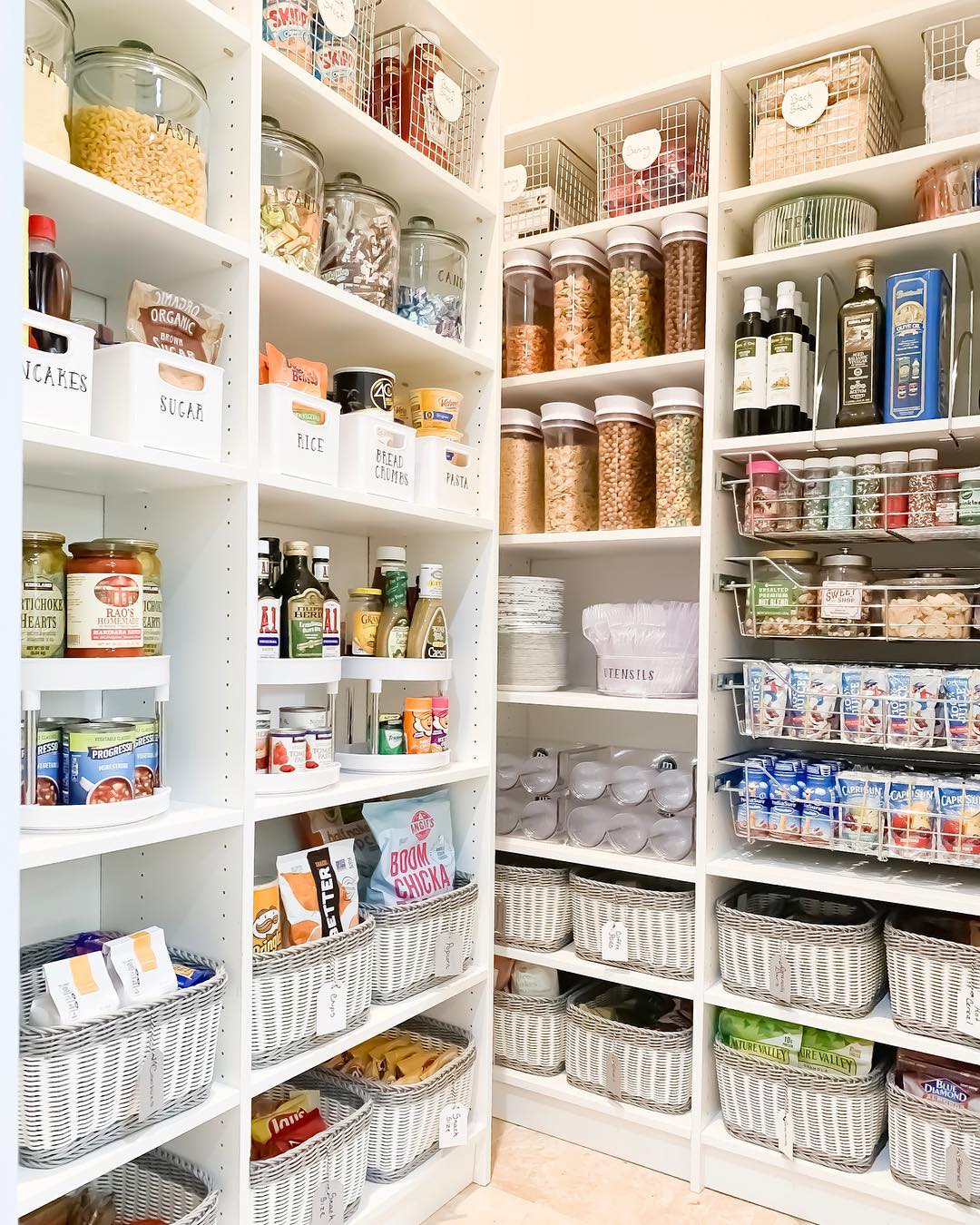
Credit: www.extraspace.com
Frequently Asked Questions
How Do I Start Cleaning My Kitchen?
Begin by emptying all cabinets and drawers. Wipe down surfaces with a disinfectant. Clean appliances thoroughly, including the oven and refrigerator. Sweep and mop the floors. Ensure the sink is scrubbed and free of stains.
What Is The Best Way To Organize Kitchen Items?
Sort items by category such as utensils, cookware, and pantry goods. Use organizers or dividers in drawers and cabinets. Frequently used items should be easily accessible. Label containers for easy identification. Ensure everything has a designated spot.
How Can I Declutter My Kitchen Before Moving In?
Evaluate each item and determine its necessity. Donate or discard duplicates and unused items. Use space-saving storage solutions. Keep countertops clear of clutter. Regularly reassess and remove unnecessary items to maintain a clutter-free kitchen.
What Cleaning Supplies Do I Need For The Kitchen?
Essential supplies include a multipurpose cleaner, sponges, microfiber cloths, and a mop. Use baking soda for tough stains. A degreaser is useful for oily surfaces. Ensure you have gloves and trash bags for efficient cleaning.
Conclusion
A clean, organized kitchen brings peace when moving in. Start with a plan. Sort items into keep, donate, and toss piles. Wipe surfaces and deep clean appliances. Arrange essentials in easy-to-reach spots. Label boxes for quicker unpacking. Use drawer organizers and shelf dividers for neatness.
Remember, small steps make big differences. You’ll enjoy cooking in a tidy space. The effort now saves time later. Embrace the fresh start your new kitchen offers. Enjoy settling into your new home. It’s all about creating a cozy, functional space.
Happy moving!