Are you tired of chaos reigning supreme in your restaurant kitchen? Imagine walking into a space where everything is effortlessly organized, with each ingredient, utensil, and appliance in its rightful place.
Picture the streamlined processes and the seamless coordination among your staff, all leading to faster service and satisfied customers. If you find yourself yearning for such efficiency and harmony, then this guide is for you. We’ll delve into practical steps to transform your kitchen into a well-oiled machine, ensuring you achieve the ultimate goal: delighting your guests with flawless dishes.
Stick with us, and you’ll discover how a well-organized kitchen can be the backbone of your restaurant’s success.
Kitchen Layout Essentials
Organizing a restaurant kitchen is crucial for efficiency and productivity. A well-designed layout supports smooth operations and enhances the culinary experience. Focusing on kitchen layout essentials ensures each area operates optimally. Below are key elements that contribute to a functional kitchen layout.
Work Zones
Defining clear work zones is vital for organization. Each zone should have specific tasks. Common zones include prep areas, cooking stations, and cleaning sections. This division helps staff understand their responsibilities. It reduces confusion and speeds up processes. Equipment placement should match the tasks performed in each zone. This minimizes unnecessary movement and boosts efficiency.
Flow Of Movement
Efficient flow of movement is essential in a busy kitchen. Design pathways that allow staff to move freely. Avoid obstacles that can slow down operations. Consider how staff move between zones. The path from storage to prep, then to cooking, should be smooth. This reduces time wasted on unnecessary trips. Proper flow decreases the risk of accidents. It also improves teamwork and communication.

Credit: www.shelving.com
Efficient Storage Solutions
Efficient storage solutions keep a restaurant kitchen organized and functional. Proper storage maximizes space and maintains food safety. The right strategies ensure quick access to ingredients and equipment. Let’s explore some effective methods.
Cold Storage Tips
Cold storage is crucial for preserving perishable items. Organize the refrigerator by categorizing food types. Store meat on the bottom shelf to prevent cross-contamination. Use clear bins for fruits and vegetables. Label each item with its expiry date for easy tracking. Maintain a temperature below 40°F to ensure freshness.
Invest in shelving units that optimize vertical space. Utilize adjustable shelves for flexible arrangements. Regularly clean and inspect the refrigerator to prevent build-up. This keeps it running efficiently.
Dry Goods Organization
Dry goods need proper storage to stay fresh and accessible. Use airtight containers for grains and pasta. Label containers to identify contents easily. Arrange items by usage frequency. Keep frequently used goods at eye level. Store seldom-used items higher up.
Consider using stackable bins to save space. Organize spices by type for quick access during cooking. Ensure storage areas are cool and dry. This prevents spoilage and prolongs shelf life.
Regularly check inventory to avoid overstocking. This reduces waste and controls costs. Efficient dry goods organization contributes to a smooth kitchen operation.
Equipment Placement Strategies
Organizing a restaurant kitchen requires strategic equipment placement. Proper arrangement boosts efficiency and safety. Let’s explore key strategies for optimal kitchen setup.
Cooking Equipment
Place cooking equipment near prep stations. This reduces the need for long trips. Ensure stoves, ovens, and grills are easily accessible. Arrange them to allow quick movements between appliances. Keep fire extinguishers close to cooking areas. Safety is crucial in a busy kitchen.
Prep Stations
Prep stations should be near storage areas. Easy access to ingredients saves time. Divide prep stations based on food types. This prevents cross-contamination and speeds up the process. Arrange tools and utensils within reach. This minimizes distractions and maintains focus.
Safety And Sanitation Practices
Proper safety and sanitation practices ensure a clean restaurant kitchen. Organize tools and ingredients for easy access. Regular cleaning prevents contamination and maintains hygiene.
Ensuring safety and sanitation in a restaurant kitchen is not just about compliance; it’s about creating a secure environment for both staff and patrons. A well-organized kitchen prioritizes these practices to prevent accidents and foodborne illnesses. By focusing on structured cleaning protocols and equipping your kitchen with the right safety tools, you lay the foundation for a successful operation.Cleaning Protocols
An effective cleaning protocol is your first line of defense against contamination. Set a strict schedule for cleaning tasks, dividing them into daily, weekly, and monthly routines. – Daily Tasks: Wipe down all surfaces, clean utensils, and sanitize high-touch areas like handles and switches. – Weekly Tasks: Deep clean ovens and grills, degrease kitchen hoods, and check for expired ingredients. – Monthly Tasks: Conduct a thorough inspection of the storage areas and perform maintenance on kitchen equipment. Assign responsibilities to staff members and use a checklist to ensure nothing is missed. This not only maintains cleanliness but also instills a sense of accountability among your team.Safety Equipment
Proper safety equipment is essential to prevent injuries and accidents. Equip your kitchen with fire extinguishers, first aid kits, and non-slip mats. – Fire Extinguishers: Place them in easily accessible locations and train your staff on their use. Conduct regular checks to ensure they’re in working order. – First Aid Kits: Stock them with essentials like bandages, antiseptics, and burn ointments. Ensure all staff know the kit’s location. – Non-slip Mats: Install these in areas prone to spills or moisture, like near sinks and cooking stations. Personal protective equipment (PPE) such as gloves, aprons, and hairnets should be worn by all staff. These simple measures can significantly reduce the risk of kitchen injuries. Are you confident your kitchen meets these safety and sanitation standards? Implementing these practices not only safeguards health but also boosts your restaurant’s reputation.Inventory Management Techniques
Efficient inventory management is crucial in a restaurant kitchen. It ensures the kitchen runs smoothly and reduces waste. Proper techniques can also enhance food quality and safety. Let’s explore some effective methods for managing inventory in a restaurant setting.
Stock Rotation
Stock rotation helps use older stock first. This prevents spoilage and waste. Use the First In, First Out (FIFO) method. Place new stock behind older items. Check expiry dates regularly. Ensure staff understands this process.
Ordering Processes
Ordering processes are key to efficient inventory management. Keep track of stock levels daily. Determine reorder points for each item. Avoid overordering to prevent wastage. Use a digital system for accuracy. Train staff to follow established ordering protocols.
Credit: kitchen.services
Staff Workflow Optimization
Creating a seamless workflow in your restaurant kitchen is not just about organization; it’s about ensuring your staff can perform their tasks efficiently and effectively. Optimizing staff workflow involves strategic planning and clear communication, making sure everyone knows their roles and responsibilities. It’s about reducing chaos and enhancing productivity, ultimately leading to satisfied customers and a thriving restaurant. Let’s dive into how shift schedules and role assignments play a crucial role in this optimization.
Shift Schedules
Shift schedules are the backbone of a well-organized kitchen. They ensure that the right number of staff is available at peak times, reducing stress and bottlenecks.
Consider using digital scheduling tools to map out shifts. This allows for easy adjustments and ensures everyone is aware of their working hours. One chef mentioned how implementing a digital schedule transformed his kitchen operations by reducing last-minute changes and confusion.
Do your shift schedules accommodate staff preferences? When staff feel their needs are considered, they’re likely to be more motivated and perform better. Regularly review your schedules for any necessary tweaks based on feedback and observed workflow.
Role Assignments
Clear role assignments ensure that everyone knows their specific duties. This clarity prevents overlap and confusion, which can lead to inefficiencies.
Assign roles based on skills and expertise. A sous chef might be better suited for prepping ingredients, while a less experienced staff member can handle simpler tasks like dishwashing. This alignment boosts confidence and productivity.
Have you discussed role expectations with your team? Regular meetings can help clarify responsibilities and address any misunderstandings. One restaurant owner shared that monthly role review meetings helped her team function like a well-oiled machine.
By optimizing staff workflow through strategic shift schedules and role assignments, you can create a kitchen environment that thrives on efficiency and collaboration. How can you adjust your current practices to better serve your staff and customers?
Technology Integration
Integrating technology in restaurant kitchens streamlines organization and boosts efficiency. Digital inventory systems simplify stock management, while kitchen display screens enhance communication among staff, ensuring timely service.
Integrating technology into your restaurant kitchen can transform your operations from chaotic to streamlined. Embracing modern tools not only boosts efficiency but also enhances communication, reduces waste, and improves overall customer satisfaction. Let’s explore how integrating technology can make your kitchen run smoother than ever.Kitchen Management Software
Imagine having a digital assistant that keeps track of your inventory, orders, and even staff schedules. Kitchen management software does precisely that, acting as the backbone of your kitchen’s operations. This software helps you monitor stock levels, automatically reorder supplies, and track food costs with precision. With real-time data at your fingertips, you can make informed decisions quickly. Picture this: a busy Saturday night, and you realize you’re running low on a key ingredient. The software alerts you in advance, giving you time to adjust or reorder. This technology also allows seamless communication between front and back-of-house, reducing errors in orders. Your staff will thank you for the clarity, and your customers will appreciate the accuracy of their meals.Smart Appliances
Smart appliances are not just about futuristic allure; they are practical tools that can revolutionize how you cook and store food. From refrigerators that monitor temperature and humidity to ovens that you can control with a smartphone, these appliances add a layer of precision to your kitchen. Consider a smart oven that can be pre-programmed for different dishes, ensuring consistent cooking every time. This feature is especially useful during peak hours when every second counts. You can focus on plating and garnishing while trusting the appliance to manage the cooking process. Smart refrigerators can notify you when items are nearing their expiration dates, helping to reduce waste. This not only saves money but also aligns with sustainable practices that more consumers value today. Have you considered how much time and money you could save by integrating these technologies? Embracing smart solutions in your kitchen is not just a luxury—it’s a necessity for staying competitive in the restaurant industry.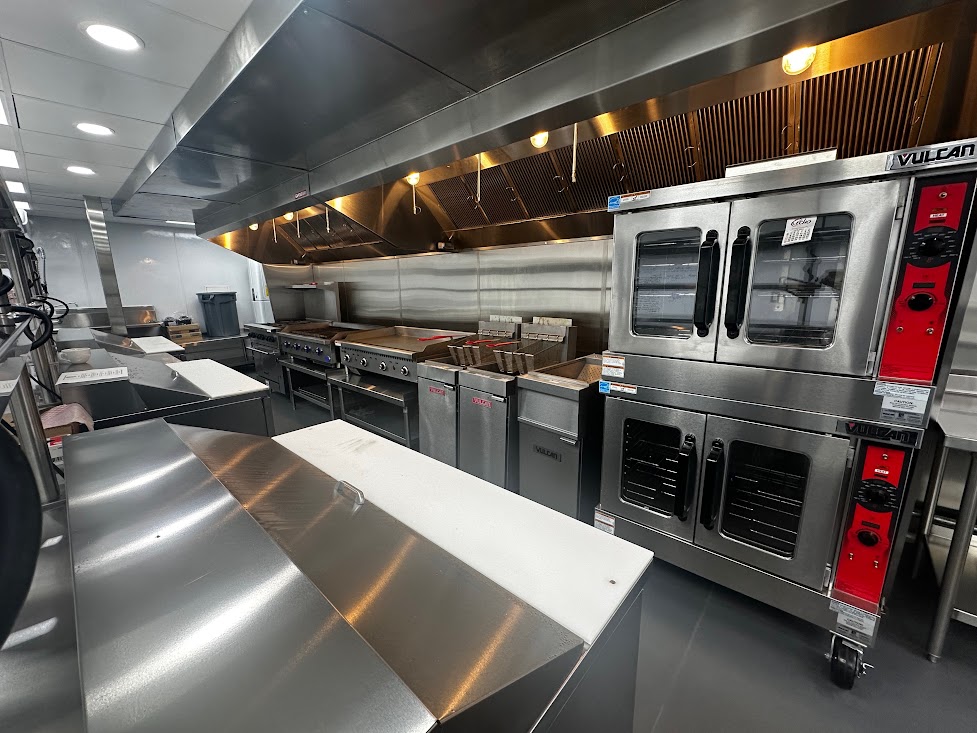
Credit: www.contekpro.com
Sustainability Practices
Organizing a restaurant kitchen with sustainability in mind involves efficient waste management and energy-saving practices. Use local, seasonal ingredients to reduce carbon footprint and support local farmers. Implementing recycling and composting systems ensures minimal waste and promotes environmental responsibility.
Sustainability practices are essential for modern restaurant kitchens. They help reduce environmental impact and can cut costs. Implementing eco-friendly solutions can enhance your kitchen’s efficiency. Let’s explore ways to make your kitchen more sustainable.Waste Reduction
Minimize food waste by planning menus carefully. Use seasonal ingredients to prevent spoilage. Train staff to portion food correctly. Compost organic waste instead of sending it to landfills. Donate surplus food to local charities. This supports the community and reduces waste.Energy Efficiency
Install energy-efficient appliances in your kitchen. LED lighting can reduce electricity usage. Maintain equipment to ensure it runs smoothly. Set thermostats to optimal temperatures for cooking and refrigeration. Use smart technology to monitor energy consumption. This can identify areas for improvement and save money.Frequently Asked Questions
How To Improve Kitchen Efficiency?
Improving kitchen efficiency involves strategic organization and layout. Ensure tools and ingredients are easily accessible. Use labeled storage containers. Implement a clear workflow for staff. Regularly train employees on best practices. Analyze and adjust the process to minimize waste and time.
Keep workstations clean and clutter-free.
What Is The Best Kitchen Layout?
The best kitchen layout depends on your space and operations. Common layouts include assembly line, zone-style, or island style. Each has its benefits. Choose a layout that maximizes space, facilitates workflow, and enhances communication among staff. Consider your menu and peak times when designing your kitchen layout.
How To Maintain Kitchen Cleanliness?
Maintain kitchen cleanliness by implementing a daily cleaning schedule. Assign specific tasks to staff members. Use commercial-grade cleaning supplies for thorough sanitation. Regularly inspect equipment for maintenance needs. Encourage staff to clean as they go, reducing buildup. Properly store food and ingredients to prevent contamination and spoilage.
Why Is Inventory Management Important?
Inventory management is crucial for minimizing waste and controlling costs. It helps track stock levels, ensuring ingredients are available when needed. Proper management prevents over-ordering and spoilage. It also provides insights into popular items, aiding in menu planning and cost efficiency.
Regular audits ensure accuracy and accountability.
Conclusion
Organizing a restaurant kitchen boosts efficiency and safety. Clean spaces reduce stress. Arrange tools for easy access. Label shelves for quick location. Train staff on kitchen layout. Regular checks ensure everything in place. This saves time and cuts chaos. A well-organized kitchen enhances workflow and service quality.
Happy staff means happy customers. Simple steps lead to big improvements. Keep it tidy and efficient. Your kitchen will run smoother, and everyone benefits. Enjoy the benefits of a well-organized kitchen.