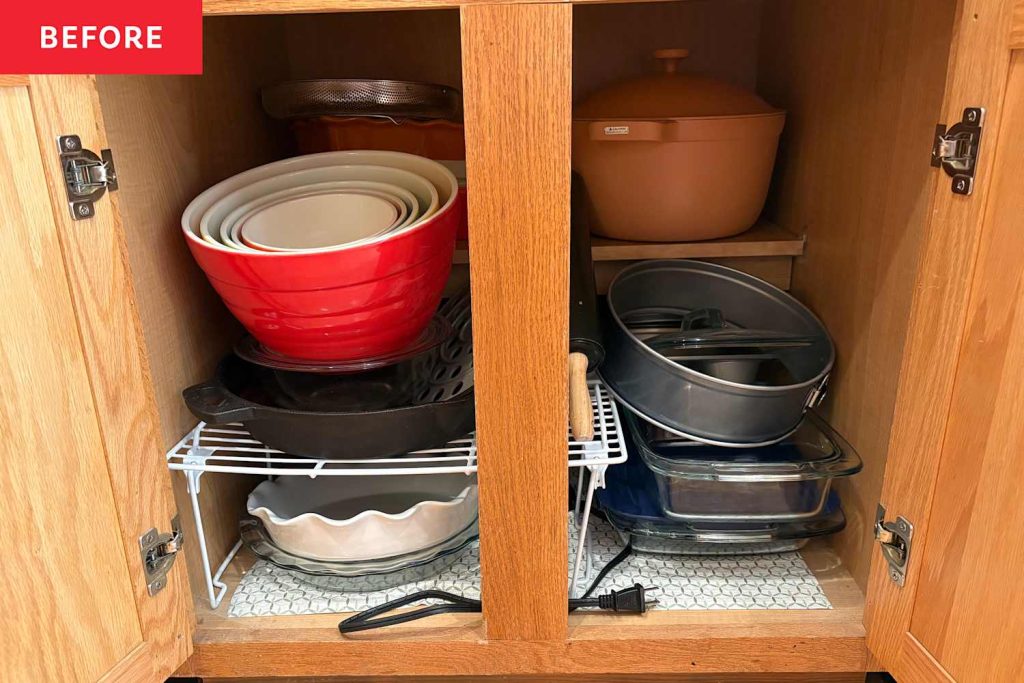
Imagine opening your kitchen cabinets and finding everything neatly arranged, easy to access, and perfectly organized. No more rummaging through cluttered shelves, no more misplaced items.
With just a few thoughtful changes, your kitchen can transform into a model of efficiency and order. You deserve a space that not only looks good but also works seamlessly with your cooking and daily routines. In this guide, you’ll discover simple strategies to organize your kitchen cabinets effectively.
Whether you’re dealing with limited space or simply want to improve functionality, these tips will help you create a kitchen that supports your lifestyle and enhances your culinary experiences. Dive in to find the secrets to a stress-free, organized kitchen, where everything has its place and you can focus on what really matters—creating delicious meals and enjoying time with loved ones.
Assessing Your Space
Maximize kitchen cabinet space by evaluating current storage needs. Identify frequently used items and place them within easy reach. Group similar items together to enhance accessibility and maintain order.
Assessing Your Space Before diving into organizing your kitchen cabinets, take a moment to understand the space you’re working with. Knowing exactly what you have to work with is the key to optimizing your kitchen storage. Consider the layout, the size, and the unique features of your kitchen. Are there awkward corners or deep shelves that might need special attention? Sometimes, a simple shift in perspective can reveal creative solutions. Let’s explore how you can make the most out of your kitchen cabinets by assessing your space effectively.Identify Available Storage
Take a good look at your kitchen and identify all potential storage areas. Don’t just focus on the obvious shelves and cabinets; think about the space above cabinets or below the sink. Is there a pantry or a freestanding storage unit you can utilize? Sometimes, these overlooked areas can provide extra space for items you use less frequently. Write down every possible storage spot you have.Measure Cabinet Dimensions
Grab a tape measure and note the dimensions of each cabinet. Knowing the height, width, and depth of your cabinets can help you determine what fits where. Do you have tall cabinets perfect for stacking pots? Or maybe wide ones that can hold your favorite dinnerware? These measurements are crucial for planning how to best use the space. Create a simple table to list out these measurements for quick reference:| Cabinet Location | Height | Width | Depth |
|---|---|---|---|
| Above Sink | 24 inches | 30 inches | 12 inches |
| Below Stove | 36 inches | 18 inches | 24 inches |
Credit: www.rd.com
Categorizing Kitchen Items
Categorizing kitchen items helps maintain a tidy space. Group similar items together for easy access. Place frequently used items on lower shelves.
Categorizing kitchen items is crucial for an organized kitchen. It makes cooking and meal prep easier and more efficient. By sorting items logically, you can maximize space and accessibility. This approach minimizes clutter and ensures each item has a designated spot.Group Similar Items
Grouping similar items simplifies finding what you need. Start by collecting all utensils in one place. Place pots and pans together for easy access. Organize spices and seasonings in a single cabinet or drawer. Arrange baking supplies such as flour, sugar, and baking powder nearby. Use clear containers for items like cereals or pasta. This keeps everything visible and easy to grab.Prioritize Daily Use Items
Place daily use items within reach to save time. Keep frequently used plates and bowls on lower shelves. Store cooking oils and salt near the stove. Position mugs and glasses close to the sink. Arrange coffee supplies like filters and beans near the coffee maker. Make sure snacks and breakfast items are easy to access. This setup streamlines your daily routines.Maximizing Cabinet Efficiency
Do you often find yourself rummaging through your kitchen cabinets, trying to locate that elusive spice jar or the right-sized pot lid? Maximizing cabinet efficiency can make a world of difference in streamlining your cooking process and keeping your kitchen tidy. It’s all about creating smart storage solutions that utilize every inch of space. Let’s dive into how you can transform your cabinets into models of efficiency.
Utilize Vertical Space
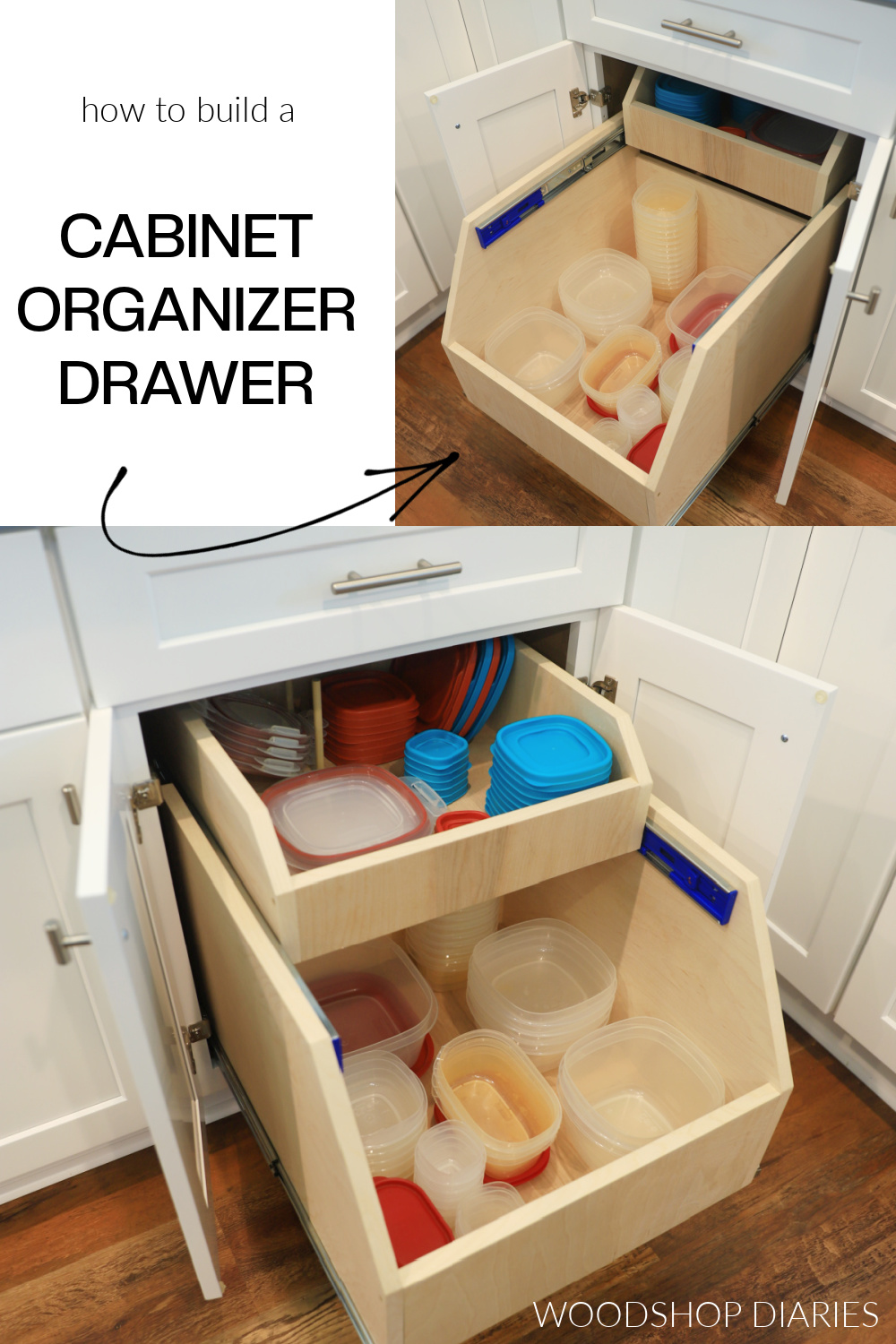
Have you ever glanced at the tall spaces between shelves and thought they were wasted? It’s time to put them to good use. Think vertically and stack items that are seldom used on top, while keeping frequently used items within easy reach. This way, you can take full advantage of your cabinet’s height.
- Store tall items like cutting boards or baking sheets upright in narrow spaces.
- Use hooks on the inside of cabinet doors to hang mugs or utensils.
- Consider installing a pegboard for extra vertical storage.
By organizing in layers and stacking items, you create more room for essentials. What’s one item you constantly misplace that could benefit from a vertical storage solution?
Incorporate Shelf Risers
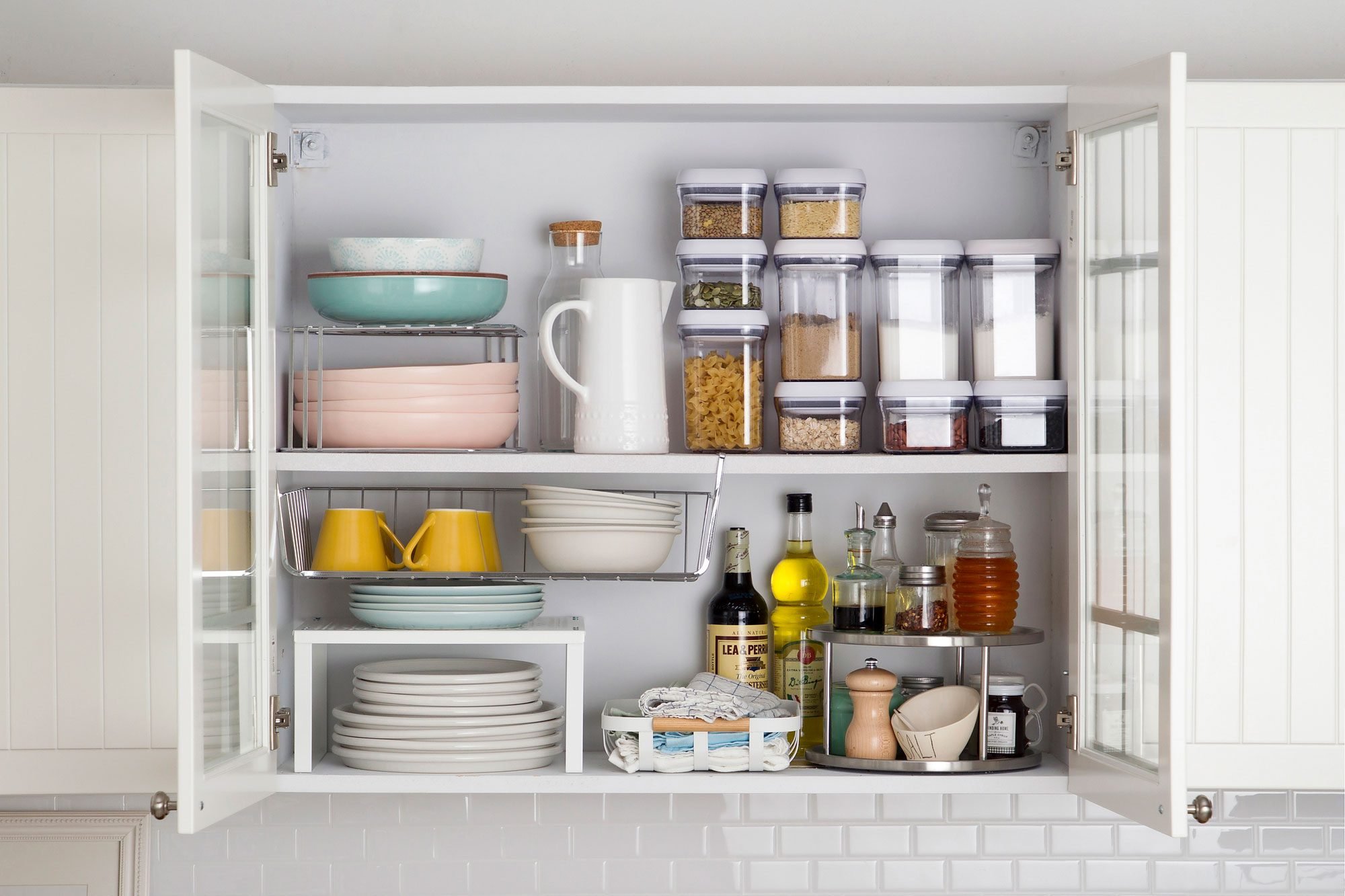
Shelf risers are game-changers when it comes to maximizing space. They add a second level to your shelves, allowing you to store twice as much without any clutter. Imagine doubling your space instantly with these simple tools.
- Place shelf risers in cabinets to separate plates and bowls.
- Use them to stack canned goods neatly.
- Arrange spices on risers for easy visibility and access.
These risers are particularly useful for stacking items of similar size and weight. This organization technique can save you time and effort during meal prep. How would shelf risers change the way you organize your kitchen cabinets?
Credit: www.woodshopdiaries.com
Choosing Organizational Tools
Choosing the right organizational tools can transform your kitchen into a more efficient and enjoyable space. No one enjoys rummaging through cluttered cabinets to find a specific spice or pan. With the right tools, you can maximize space and accessibility, making your kitchen a hub of productivity and ease.
Select Drawer Dividers
Drawer dividers can be a game changer in organizing your kitchen cabinets. They help in separating utensils, baking tools, and other small items, preventing them from becoming a jumbled mess. Imagine opening a drawer and instantly finding the exact measuring spoon you need—pure bliss!
Consider adjustable dividers that can be customized to fit your specific needs. This flexibility allows you to accommodate items of various sizes and shapes. It’s a small investment for a big impact on your daily kitchen routine.
Opt For Lazy Susans
Lazy Susans are perfect for those hard-to-reach corners in your cabinets. They bring items from the back of the shelf to the front with just a simple spin. This is particularly useful for spices, oils, and sauces, keeping them visible and accessible.
Have you ever struggled to reach a jar hidden at the back of your cupboard? With a Lazy Susan, every item is within arm’s reach, reducing the hassle and frustration. Choose a size and style that fits your cabinet and enjoy the newfound convenience.
What tools do you think would make your kitchen experience smoother? By investing in the right organizational aids, you can make your kitchen not only more functional but also a pleasure to use. Try experimenting with these tools and see the difference they make!
Labeling For Easy Access
Label items clearly for quick access. Use simple labels for jars, containers, and shelves. This helps find ingredients fast.
Organizing kitchen cabinets can transform your cooking space into a haven of efficiency. One simple yet effective way to achieve this is by labeling. Labels bring order and clarity, allowing you to find items quickly and effortlessly. Imagine opening your cabinet and instantly locating the oregano or baking powder without rummaging. Labeling is the secret weapon for easy access, and it comes with creative options that can add charm to your kitchen. Let’s delve into the art of labeling and how you can make it work for you.Use Clear Labels
Clear labels are a game changer in kitchen organization. They provide straightforward information at a glance. Opt for labels with large, readable fonts, so there’s no squinting involved. Consider waterproof labels for items prone to spills, ensuring longevity and cleanliness. Think about your labeling method. Are you a fan of handwritten labels for a personal touch, or do you prefer printed ones for a uniform look? Both have their perks, but the key is clarity. You want to quickly know what’s inside without second-guessing. A practical tip is to label containers and shelves. This extra step can prevent misplaced items and save you time. Imagine a guest trying to help and easily finding the pasta without needing directions. Clear labeling creates a user-friendly kitchen for everyone.Color Code Categories
Color coding is an exciting way to organize your kitchen cabinets. It adds visual appeal and simplifies finding items. Assign different colors to various categories like spices, snacks, or baking essentials. Choose vibrant colors that stand out. This can be as simple as using colored labels or containers. Picture opening your cabinet and immediately spotting the red label for spices—it’s efficient and aesthetically pleasing. Color coding helps when you have multiple people accessing the kitchen. It reduces confusion and ensures everyone knows where things belong. It’s not just about organizing; it’s about creating harmony in your space. Are you ready to bring a splash of color into your kitchen organization? It’s a fun, practical approach that can make daily tasks more enjoyable.
Credit: www.tiktok.com
Maintaining Organization
Keep frequently used items within easy reach to streamline kitchen tasks. Utilize clear bins and labels for effortless identification. Group similar items together to maximize space and enhance efficiency.
Maintaining organization in your kitchen cabinets is essential for a tidy home. A well-organized kitchen saves time and reduces stress during meal preparations. With consistent effort, your cabinets can remain neat and functional for years. Let’s explore some effective strategies to maintain this organization.Regularly Declutter
Decluttering keeps your kitchen fresh and efficient. Go through your cabinets monthly. Remove items you no longer use. Donate or discard old appliances or utensils. This frees up space for essentials. Keep only what you need and use.Schedule Routine Checks
Routine checks are key to maintaining order. Set a regular schedule to inspect your cabinets. Check for expired food items. Ensure everything is in its designated spot. A quick glance can prevent clutter from building up. Regular checks make organizing less overwhelming.Expert Tips For Small Kitchens
Maximize space by using stackable shelves and clear containers. Group similar items together for easy access. Keep frequently used items on lower shelves and less-used items higher. Utilize cabinet doors with hooks or racks for additional storage. Rotate pantry goods regularly to ensure freshness and reduce clutter.
Maximizing space in a small kitchen can be a daunting task, but with expert tips, you’ll find that it’s easier than you think. Small kitchens offer unique challenges that require innovative solutions and smart organization strategies. Let’s dive into some practical tips that can transform your compact kitchen into a well-organized haven.Innovative Space Solutions
Small kitchens demand creativity. Consider using vertical space to your advantage. Wall-mounted shelves can hold spices, utensils, and even pots and pans. Magnetic strips can be a game changer for organizing knives and freeing up drawer space. Folding furniture is another clever solution. A foldable table can serve as extra counter space when needed and be tucked away when not in use. Ask yourself: how can you make the most out of every inch in your kitchen?Compact Storage Ideas
Think beyond traditional cabinets. Stackable containers can help you use cabinet space more efficiently. Opt for clear containers to easily identify contents without rummaging through everything. Lazy Susans in corner cabinets can prevent items from getting lost in the depths. They allow easy access to all your ingredients, turning the once dreaded corner cabinet into a favorite feature. Hooks and pegboards can keep frequently used items like mugs and spatulas within easy reach, freeing up cabinet space for less frequently used items. With these ideas, you’ll find organizing a small kitchen is not only possible but can be fun and rewarding.Frequently Asked Questions
How Do I Start Organizing Kitchen Cabinets?
Begin by emptying cabinets and sorting items. Group similar items together. Decide what to keep or discard. Clean shelves thoroughly. Use organizers like baskets, bins, and racks for efficient storage. Label containers for easy identification. Arrange items based on usage frequency.
Regularly reassess and adjust for optimal organization.
What Is The Best Way To Store Pots And Pans?
Store pots and pans vertically using organizers or racks. This saves space and provides easy access. Hang them if space allows. Use cabinet hooks or rails for lids. Ensure heavy items are stored on lower shelves. Regularly declutter to maintain order and efficiency in your kitchen.
How Can I Maximize Small Cabinet Space?
Utilize vertical space with stackable shelves and organizers. Use door-mounted racks for extra storage. Consider pull-out shelves for easy access. Store items based on frequency of use. Keep less-used items at the back. Regularly declutter to maintain an organized and efficient space.
Use baskets for grouping small items together.
How To Organize Spices Efficiently?
Store spices in labeled containers for easy identification. Use racks or pull-out drawers for easy access. Arrange spices alphabetically or by usage frequency. Consider magnetic strips or wall-mounted racks for small kitchens. Regularly check expiration dates and discard old spices.
Keep frequently used spices within easy reach.
Conclusion
Organizing kitchen cabinets transforms your cooking space. It makes life easier. Use clear containers for visibility. Label everything to know where things belong. Keep frequently used items within reach. Group similar items together. This saves you time. Use vertical space with shelf risers.
They create extra room. Rotate items based on use. That way, nothing gets forgotten. Keep counters clutter-free. A tidy kitchen inspires creativity. Regularly check and adjust your system. Stay flexible. Your needs might change over time. A well-organized kitchen promotes efficiency and joy in cooking.
Enjoy the benefits of a clean, functional space.