Is your kitchen feeling more chaotic than cozy? Are you tired of rummaging through cluttered drawers and overcrowded cabinets just to find a single spatula?
If so, you’re not alone. Many people struggle with organizing their kitchens effectively, but the good news is that transforming your space into an efficient and enjoyable hub doesn’t have to be overwhelming. Imagine opening a cabinet and immediately spotting what you need, or preparing a meal without dodging disorganized piles.
Sounds like a dream, right? By learning how to organize your kitchen, you can create an environment that not only looks great but also makes cooking and entertaining a pleasure. Dive into this guide, and discover the secrets to a kitchen that’s as functional as it is fabulous. Your perfect kitchen awaits—let’s get started!
Decluttering Your Kitchen
Organize your kitchen by grouping similar items together. Store pots and pans near the stove for easy access. Use clear containers for pantry staples to keep track of supplies.
Decluttering Your Kitchen A clutter-free kitchen is not just about aesthetics; it’s about efficiency and peace of mind. Imagine walking into your kitchen and knowing exactly where everything is. Sounds dreamy, right? Let’s dive into how you can achieve that by decluttering your kitchen.Assessing Your Needs
Take a moment to reflect on your cooking habits. Do you bake often, or is stir-frying more your style? Tailor your kitchen space to your culinary preferences. Consider the tools and appliances you use regularly. This insight will guide you in making decisions about what stays and what goes.Identifying Unnecessary Items
Open each cupboard and drawer and ask yourself, “When was the last time I used this?” It’s surprising how many items lurk in the shadows, unused and forgotten. Be ruthless and honest. Donate or recycle items you haven’t touched in months. This will make room for what truly matters.Creating Space For Essentials
Once you’ve cleared out the clutter, focus on organizing the essentials. Use drawer dividers to keep utensils tidy. Hang pots and pans for easy access. Maximize shelf space with stackable containers. Creating a system that works for you is key. This ensures you can quickly grab what you need, when you need it.
Credit: food52.com
Optimal Kitchen Layout
Creating an optimal kitchen layout is more than just arranging cabinets and appliances. It’s about crafting a space that enhances your cooking experience and maximizes efficiency. A well-organized kitchen can make meal preparation enjoyable, helping you save time and effort. Let’s dive into how zoning, the work triangle concept, and flow and accessibility can transform your kitchen into a culinary haven.
Zoning Your Kitchen
Think of your kitchen as a city with different zones. Each zone should be dedicated to a specific activity, such as cooking, cleaning, and storage. This helps in reducing clutter and confusion.
- Cooking Zone: Place pots, pans, and utensils near the stove or oven.
- Cleaning Zone: Keep your sink, dishwasher, and cleaning supplies together.
- Storage Zone: Allocate space for pantry items and cold storage near the preparation area.
By zoning your kitchen, you create a streamlined workflow that makes tasks simpler and more efficient. Have you ever noticed how frustrating it is to search for a spatula in a drawer across the room? Proper zoning minimizes such irritations.
Work Triangle Concept
The work triangle is a classic kitchen design principle that connects the three primary work areas: the sink, refrigerator, and stove. Ideally, these should form a triangle to minimize unnecessary movement.
Imagine standing at the sink and easily reaching the fridge without bumping into obstacles. The work triangle ensures that you can move seamlessly between tasks without wasting time. A good question to ask yourself is: Can I move between the sink, fridge, and stove without much effort?
Flow And Accessibility
Flow and accessibility are crucial in ensuring your kitchen is user-friendly. Consider the paths you take when preparing a meal and how accessible your kitchen tools are.
- Ensure pathways are clear and wide enough for easy movement.
- Frequently used items should be within arm’s reach.
- Think about the height and placement of appliances for easy access.
Have you ever felt like a contortionist trying to reach a mixing bowl on the top shelf? Improving flow and accessibility prevents such hassles and makes cooking more enjoyable. Ask yourself: Is my kitchen layout allowing me to work comfortably?
Efficient Storage Solutions
Maximize kitchen space by using shelves and cabinets efficiently. Store items in clear containers for easy access. Label everything to find ingredients quickly and keep countertops clutter-free.
Efficient storage solutions can transform your kitchen from a cluttered mess into a streamlined haven. Imagine a space where every item has its place, and you can effortlessly find what you need. The key lies in smart organization techniques that maximize space and enhance accessibility. Let’s dive into how you can achieve this in your own kitchen.Utilizing Vertical Space
Think of your kitchen walls as untapped storage potential. Vertical space is often overlooked, yet it can be a game-changer. Install shelves or racks on walls to store pots, pans, and even spices. You can add hooks for hanging utensils, freeing up drawer space. Tall cabinets reaching up to the ceiling can house less frequently used items, keeping them out of the way but still accessible when needed.Smart Cabinet Arrangements
Cabinets can be your best friend or your worst enemy, depending on how you use them. Consider organizing items by frequency of use. Keep everyday dishes and glasses within easy reach, while reserving higher shelves for special occasion items. Lazy Susans or pull-out shelves can eliminate the need to dig through deep cabinets. This not only saves time but also reduces frustration.Drawer Organizers And Dividers
Drawers often become catch-alls for miscellaneous items, leading to chaos. Invest in organizers and dividers to keep things tidy. Sort cutlery, cooking tools, and gadgets into dedicated compartments. Adjustable dividers can be tailored to fit your needs, ensuring every piece has a designated spot. This way, you’ll never have to rummage for that elusive spatula again. What creative storage solutions have you tried in your kitchen? Share your insights and let’s make kitchen organization an exciting challenge rather than a dreaded task.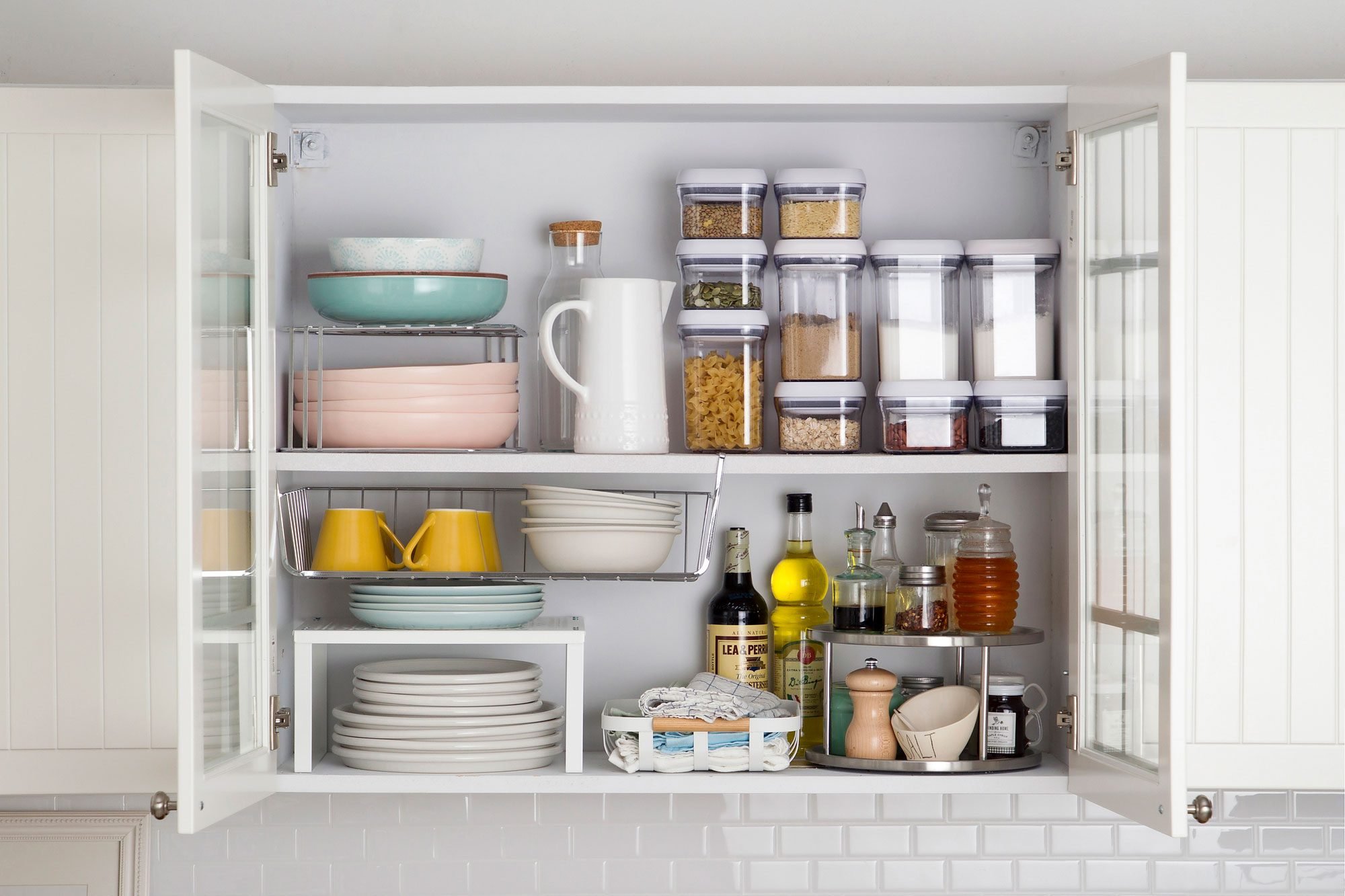
Credit: www.rd.com
Organizing Cookware And Utensils
Maximize kitchen space by storing pots and pans in stackable racks. Utilize drawer dividers to neatly organize utensils. Keep frequently used items within easy reach for efficient cooking.
Organizing cookware and utensils can transform your kitchen space. It makes cooking more enjoyable and efficient. A well-organized kitchen saves time and reduces stress. Let’s explore some effective ways to manage your cookware and utensils.Grouping Similar Items
Keep similar items together. Group pots with pots and pans with pans. This method makes them easier to find. Use dividers to separate different types of utensils. Grouping helps in maintaining a neat kitchen. It also speeds up the cooking process.Hanging Pots And Pans
Use hooks to hang pots and pans. This frees up cabinet space. Hanging also keeps them within easy reach. Choose a sturdy rack for heavy items. Install hooks on walls or under shelves. Hanging is both practical and decorative.Drawer And Countertop Solutions
Utilize drawer organizers for utensils. They prevent clutter and save space. Place frequently used items on countertops. This keeps them accessible. Use trays to organize smaller items. Drawer dividers keep everything in order. This method maximizes efficiency in the kitchen.Pantry Organization
Organizing your pantry can transform your kitchen experience. A well-organized pantry saves time and reduces stress. You find items quickly and avoid unnecessary purchases. Let’s explore how to make your pantry more efficient.
Categorizing Food Items
Sort your pantry items into categories. Group similar items together. Place canned goods, grains, and snacks in separate sections. This method makes finding what you need easier. It also helps you keep track of what you have.
Using Clear Containers
Clear containers are a great solution for organizing. They provide visibility and help maintain freshness. Choose airtight containers for items like rice and pasta. Stackable containers save space and create a tidy look.
Labeling And Inventory
Labels are essential for a well-organized pantry. Use labels to identify contents and expiration dates. Consider creating an inventory list. Keep it updated to know what needs restocking. This reduces waste and saves money.
Refrigerator And Freezer Tips
Organizing your kitchen starts with efficiently managing your refrigerator and freezer. Place frequently used items in easy-to-reach spots. Group similar foods together for quick access and better visibility.
Organizing your refrigerator and freezer can be a game-changer in maintaining freshness and ensuring optimal food safety. Imagine opening your fridge and finding everything exactly where it should be. Efficient storage not only saves time but also prevents food waste. It’s all about making the space work for you while keeping things safe and accessible. Let’s dive into some practical tips to help you get started.Temperature Zones
Different areas within your refrigerator and freezer maintain varying temperatures. The top shelf is often warmer than the lower shelves, making it ideal for foods that don’t require extreme cold, like leftovers or drinks. Reserve the colder sections for dairy products and meats to prolong freshness. Meanwhile, the freezer should maintain a consistent temperature at or below zero degrees Fahrenheit to keep items frozen solid.Food Safety Practices
Food safety begins with proper storage. Always store raw meats on the bottom shelf to avoid cross-contamination. Use airtight containers to keep your food protected and fresh longer. Regularly check expiration dates and remove expired items promptly. Keep a thermometer handy to ensure your appliance stays within the recommended temperature ranges for both the fridge and freezer.Efficient Storage Techniques
Efficient storage can make a world of difference. Use clear bins to categorize and store similar items together, making it easy to find what you need. Label each bin for quick identification. Consider using lazy Susans or drawer organizers for small items or condiments. Always leave some space between items to allow proper air circulation, enhancing cooling efficiency and preserving your food’s quality. Do you often find yourself wasting time searching for items in your fridge? With these tips, transforming your fridge into a well-organized space is within reach.Maintaining A Clean Kitchen
Organize your kitchen by grouping similar items together. Store frequently used utensils in easily accessible spots. Arrange spices and condiments in clear containers for quick identification.
Maintaining a clean kitchen is essential for a healthy home. A tidy kitchen not only looks inviting but also boosts your mood. It can make cooking enjoyable and stress-free. Keeping this space clean helps prevent pests and ensures food safety. Here’s how to keep your kitchen spotless and organized.Daily Cleaning Routine
Start by wiping surfaces after each meal. This prevents crumbs and spills from accumulating. Sweep the floor quickly to remove any debris. Wash dishes immediately after use. This keeps the sink clear and free from bad smells. Clean your appliances daily. Wipe the microwave inside and out. Give the fridge door a quick clean.Weekly Deep Cleaning
Focus on one area of the kitchen each week. Clean the oven thoroughly. Remove all racks and scrub them well. Wipe down cabinets, removing any sticky spots. Mop the floors for a deeper clean. Pay attention to the corners. Check the fridge for expired items. Throw away old food to free up space.Preventing Clutter Build-up
Clear countertops of unnecessary items. Keep only frequently used appliances out. Store lesser-used items in cabinets. Organize your pantry by category. Use bins and labels for easy access. Regularly check drawers for unused utensils. Donate or discard items you don’t need. Keep a small basket for mail or keys. This prevents clutter from spreading.Sustainable Kitchen Practices
Organize your kitchen for sustainability by prioritizing efficient storage. Utilize clear containers to reduce waste and keep ingredients visible. Arrange items based on usage frequency to minimize energy consumption and streamline cooking processes.
Sustainable kitchen practices are not just about making ethical choices; they also help you save money and enjoy a more organized, efficient cooking space. Making small changes can lead to a big impact on the environment and your pocket. By focusing on reducing food waste, using eco-friendly products, and opting for energy-efficient appliances, you can create a kitchen that’s both modern and mindful.Reducing Food Waste
Did you know that nearly one-third of all food produced globally is wasted? Start by planning your meals for the week, which helps you buy only what you need. Store leftovers in clear containers so you can easily spot them and avoid tossing good food. Consider composting. It not only reduces waste but also enriches your garden soil. A friend once shared a tip: Use a whiteboard on your fridge to track perishable items. It’s a fun way to involve the family and reduce waste.Eco-friendly Products
Switching to eco-friendly products can make your kitchen greener without a drastic lifestyle change. Opt for reusable beeswax wraps instead of plastic wrap. They’re durable, washable, and add a charming touch to your kitchen. Look for cleaning supplies with natural ingredients. They’re less harsh on the environment and safer for your family. Have you tried bamboo utensils? They’re biodegradable and surprisingly sturdy, making them a great alternative to plastic.Energy-efficient Appliances
When was the last time you thought about the energy your appliances consume? Energy-efficient appliances can reduce your utility bills and environmental footprint. Choose appliances with a high energy star rating for maximum efficiency. Even small changes, like using a microwave instead of an oven when possible, can save energy. Consider unplugging gadgets when not in use. An energy monitor can help you identify which appliances are using the most power, helping you make smarter choices.Personalizing Your Space
Organize your kitchen by categorizing items for easy access. Use labeled bins to separate pantry goods. Optimize cabinet space with adjustable shelves for flexibility.
Personalizing your kitchen space is all about making it uniquely yours. The kitchen is more than just a place to cook; it’s a space where you can express your personality and style. Think about what makes you feel comfortable and inspired, and use that to guide your design choices.Incorporating Style Elements
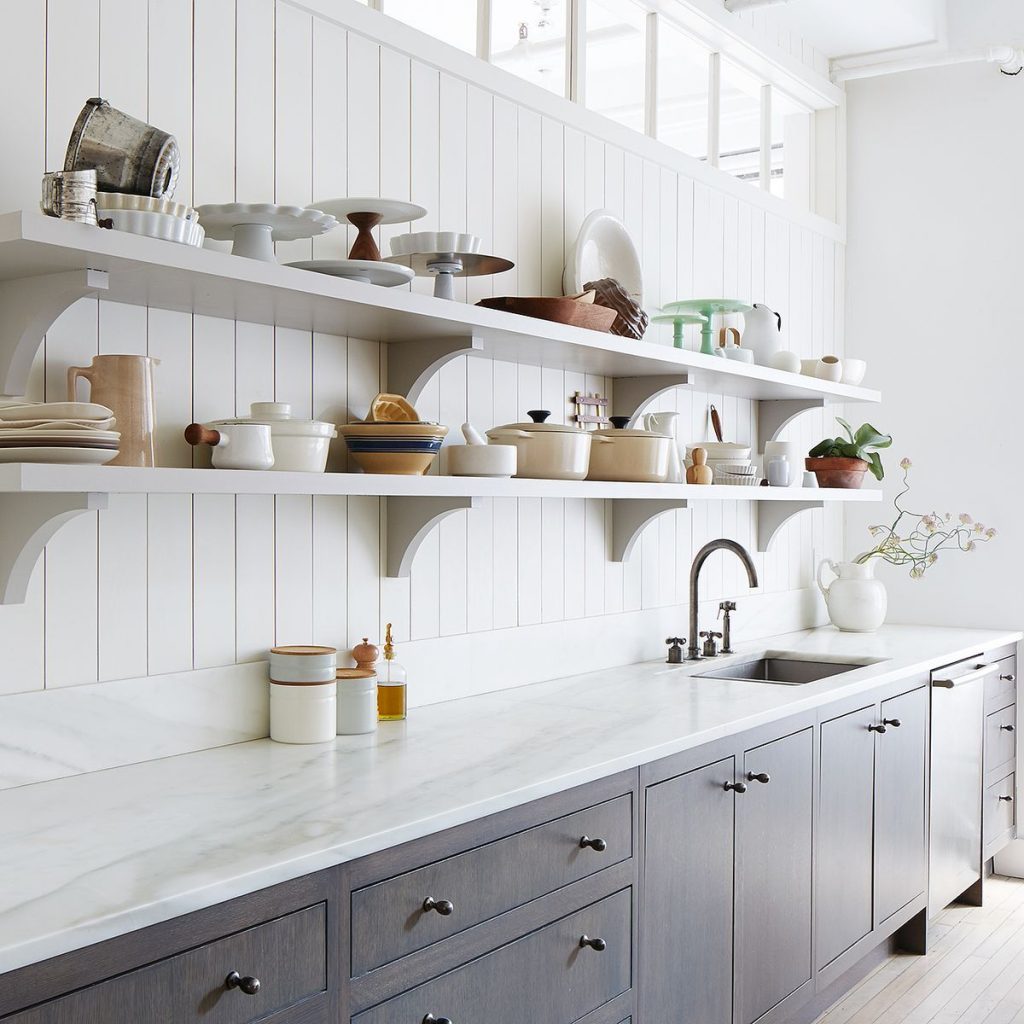
Consider the colors, materials, and textures that resonate with you. Maybe you love the warmth of wood accents or the sleek look of stainless steel. Adding these elements can transform your kitchen from a generic space to one that reflects your personal taste. Open shelving is a great way to showcase your favorite dishes or vintage finds. It also keeps frequently used items within easy reach, blending style with function. What statement pieces can you add to make your kitchen truly yours?Functional Decor
Decorate with items that serve a purpose. A beautifully patterned rug can add warmth to the floor while providing comfort during long cooking sessions. Wall-mounted utensil holders not only save counter space but also add a touch of elegance. Consider the lighting. Pendant lights over the island can create a focal point and enhance the ambiance. What functional decor can brighten up your kitchen while keeping it practical?Creating A Welcoming Atmosphere
A welcoming kitchen invites you to linger, cook, and converse. Soft lighting, cozy seating, and a touch of greenery can make a big difference. Think about how your kitchen can become a haven for family gatherings or intimate dinners. Personal touches like family photos or a chalkboard wall for notes and recipes can add warmth. What elements can you introduce to make your kitchen a place where everyone feels at home? By focusing on these aspects, you’ll create a kitchen that’s not only functional but also a reflection of who you are. Your kitchen will become a space where memories are made, and that’s truly special.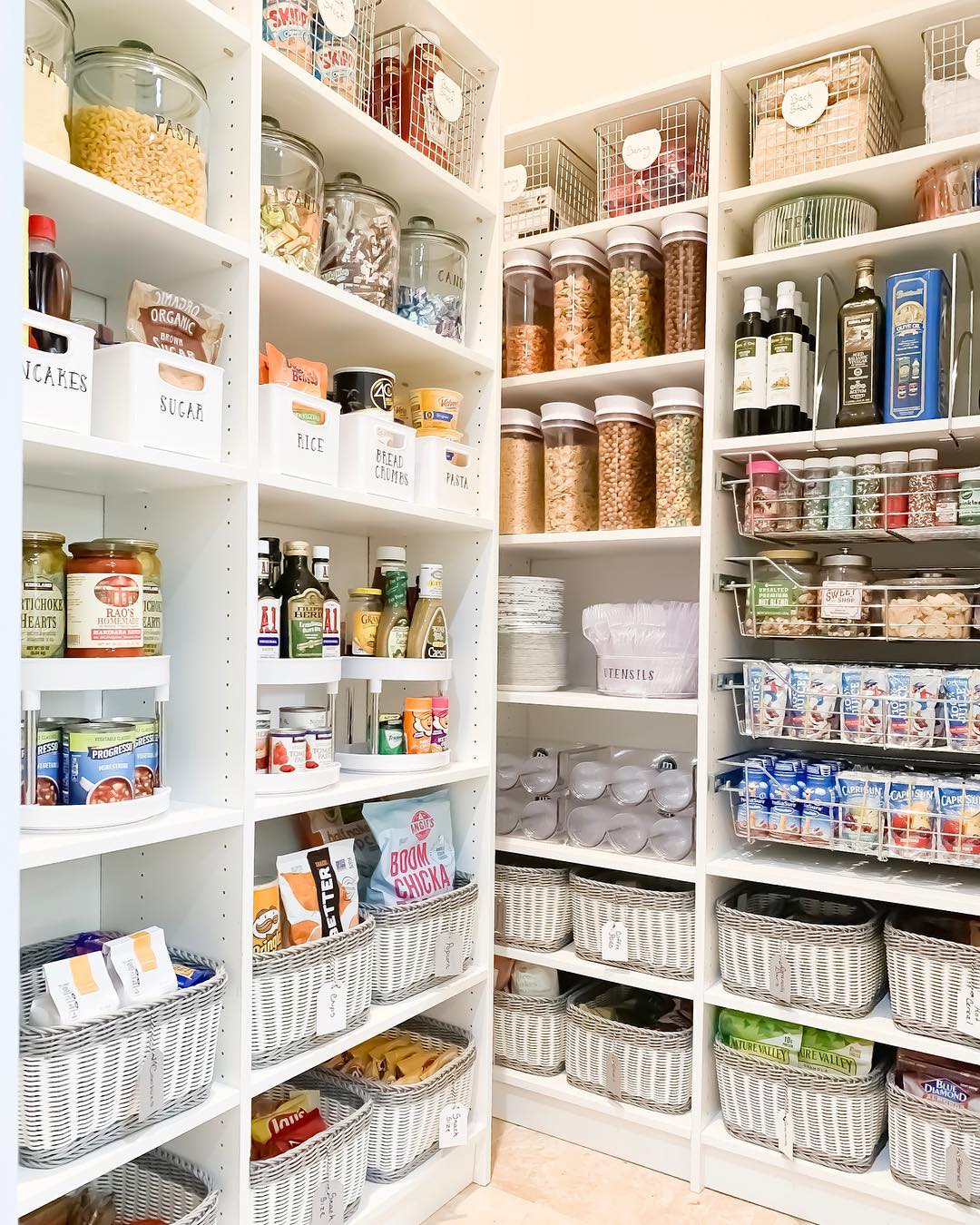
Credit: www.extraspace.com
Frequently Asked Questions
How Can I Maximize Kitchen Storage Space?
Maximize storage by using vertical space, such as wall shelves and hanging racks. Consider drawer organizers for utensils. Utilize cabinet door racks for small items. Invest in stackable containers to save space and maintain order. Declutter regularly to ensure efficient use of all available storage areas.
What Are Effective Kitchen Organizing Tips?
Start by decluttering and removing items you rarely use. Group similar items together for easy access. Use clear containers for visibility. Label shelves and containers to maintain organization. Optimize drawer space with dividers. Consider the workflow and place items near where they’re frequently used.
How Do I Organize Kitchen Cabinets?
Sort items by category and frequency of use. Place everyday dishes and cookware within easy reach. Use shelf risers for stacking. Store rarely used items higher up. Consider pull-out shelves for easy access. Regularly assess cabinet contents to maintain organization and remove unused items.
What Tools Help In Organizing A Kitchen?
Invest in drawer dividers, shelf risers, and clear storage containers. Use magnetic strips for knife storage. Consider lazy Susans for corner cabinets. Utilize hooks and racks for hanging pots and pans. Label makers can assist in maintaining order and clarity in storage areas.
Conclusion
Organizing your kitchen makes cooking easier and more fun. Start small. Tackle one area at a time. Sort items by usage and need. Use labels and clear containers. Keep counters clutter-free. Arrange utensils within reach. Store pots near the stove.
Place snacks at eye level. Use vertical space wisely. Clean regularly to maintain order. A tidy kitchen saves time. It reduces stress. It boosts productivity. Enjoy cooking in a well-organized space. A little effort leads to big rewards. Transform your kitchen into a pleasant place to create meals.
Happy organizing!