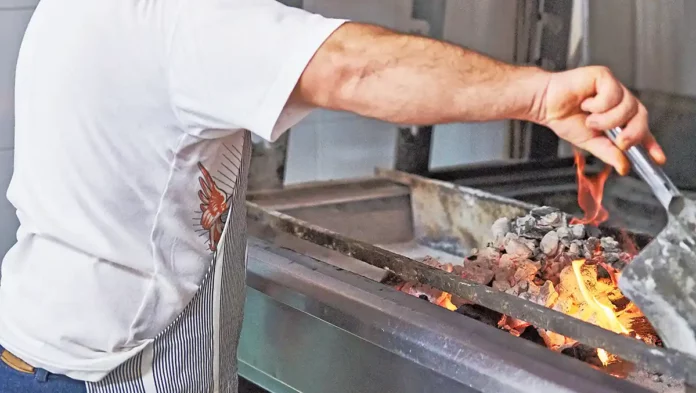
Imagine the comforting aroma of a home-cooked meal filling your kitchen. But behind this delightful scene lurks a silent threat—the risk of fire from an unclean kitchen exhaust.
You might not realize it, but regular kitchen exhaust cleaning is your first line of defense against potential fires. Why take the risk when the solution is so simple? By understanding how kitchen exhaust cleaning can prevent fires, you not only safeguard your home but also ensure peace of mind every time you cook.
Ready to learn how this essential task can protect you and your loved ones? Dive in and discover the key to a safer kitchen environment.
Importance Of Kitchen Exhaust Cleaning
The importance of kitchen exhaust cleaning cannot be overstated, especially when it comes to preventing fires. Imagine cooking up a storm in your kitchen, only to be caught off guard by a sudden blaze. A clean exhaust system acts as your first line of defense, ensuring that your culinary adventures remain safe and enjoyable. Let’s delve into why regular cleaning of your kitchen exhaust is crucial.
Understanding The Risks
Every time you cook, grease and food particles accumulate in your exhaust system. Over time, this build-up creates a highly flammable environment. If a spark from the stove or oven comes into contact with these residues, it can ignite a fire.
Have you ever thought about how quickly a kitchen fire can spread? The heat can travel through the ducts, reaching other areas of your home in seconds. Keeping your exhaust clean minimizes these risks and keeps your home safe.
Enhancing System Efficiency
Regular cleaning of your kitchen exhaust not only prevents fires but also improves its efficiency. A clean system effectively removes smoke, odors, and airborne particles from your kitchen.
Consider the difference between a clogged and a clear exhaust. Which one would you trust to keep your kitchen air fresh and clean? By maintaining a clean exhaust, you ensure the system operates at optimal capacity.
Prolonging Equipment Lifespan
Did you know that grease build-up can cause significant wear and tear on your exhaust system? This reduces its lifespan and leads to costly repairs or replacements.
Think about it: wouldn’t you prefer to spend money on kitchen upgrades rather than unnecessary repairs? Regular cleaning helps you avoid these expenses and prolongs the life of your equipment.
Professional Vs Diy Cleaning
While DIY cleaning can be a good start, professional services ensure thorough cleaning of hard-to-reach areas. Experts have the tools and expertise to remove stubborn build-up and ensure your exhaust system is spotless.
Ask yourself: is it worth risking incomplete cleaning when professionals can provide peace of mind and guaranteed results? Investing in professional cleaning can save you time and potential headaches.
Regular Cleaning Schedule
Establishing a regular cleaning schedule is key to maintaining a safe kitchen environment. Depending on your cooking frequency, schedule cleanings every three to six months.
Would you rather wait for a problem to arise or take proactive measures to prevent it? A consistent cleaning routine keeps your kitchen safe and efficient, allowing you to focus on creating delicious meals without worry.
Common Causes Of Kitchen Fires
Kitchen fires are often unexpected, catching homeowners off guard and leading to potentially devastating consequences. Understanding the common causes of these fires is crucial in taking preventative measures. By knowing what typically triggers a kitchen fire, you can better protect your home and family.
Cooking Left Unattended
Leaving the stove or oven unattended is a leading cause of kitchen fires. It’s easy to get distracted by a phone call or a knock at the door. But even a few minutes away can lead to a fire. Consider setting a timer or enlisting a family member to watch over the meal while you step away.
Overheated Oils
Cooking oils can ignite when they reach their smoke point. It’s a mistake to assume all oils behave the same. For instance, olive oil has a lower smoke point than canola oil. Always monitor the temperature closely and use oils suited for the cooking method.
Cluttered Cooking Areas
Keeping flammable items like dish towels, paper towels, or pot holders too close to heat sources can spell disaster. Ensure your cooking area is free of clutter. Regularly check for potential fire hazards and relocate them away from the stove.
Faulty Appliances
Old or malfunctioning kitchen appliances pose a significant risk. Regular maintenance checks can help spot issues before they become dangerous. For example, a damaged electrical cord can lead to sparks and fires. Make it a habit to inspect your appliances regularly.
Grease Build-up
Grease can accumulate in exhaust systems, creating a fire hazard. This build-up not only reduces efficiency but can ignite if a flame reaches it. Professional exhaust cleaning can drastically reduce this risk, ensuring your kitchen remains safe.
By addressing these common causes, you’re not only preventing potential fires but also creating a safer cooking environment for everyone involved. What steps can you take today to minimize these risks? Remember, a small effort now can prevent a major disaster later.
Role Of Grease Buildup In Fire Hazards
Grease buildup poses a serious fire risk in kitchens. Over time, cooking oils and fats accumulate in exhaust systems. This creates a highly flammable environment. Regular cleaning helps prevent these hazards.
Understanding grease buildup is crucial for kitchen safety. It forms a sticky residue inside hoods, ducts, and vents. This residue can ignite easily under high heat. Fires spread quickly through exhaust systems, endangering lives and property.
Grease Accumulation: A Fire’s Best Friend
Grease acts as fuel for kitchen fires. Even a small spark can set it ablaze. The thick layer of grease intensifies fire spread. In commercial kitchens, the risk multiplies due to constant cooking.
How Grease Buildup Occurs
Cooking produces vaporized fats that settle in exhaust systems. Over time, these fats harden and thicken. This buildup narrows air passage, trapping more heat and grease. Without cleaning, the fire risk increases significantly.
Consequences Of Ignoring Grease Buildup
Uncleaned exhaust systems lead to devastating fires. Fire damage can result in costly repairs and downtime. Worse, it can cause injuries or loss of life. Regular maintenance is essential for preventing such outcomes.
Effective Measures To Control Grease Buildup
- Schedule routine cleaning of kitchen exhaust systems.
- Use professional services for thorough cleaning.
- Inspect exhaust systems regularly for grease levels.
- Educate staff on safe cooking practices to reduce grease.
Regular Maintenance Benefits
Regular maintenance of kitchen exhaust systems plays a crucial role in fire prevention. Cleaning removes grease buildup that can ignite and cause fires, ensuring a safer cooking environment. Keeping exhaust systems clean reduces fire risk and enhances kitchen safety.
Regular kitchen exhaust cleaning offers many benefits. It plays a crucial role in preventing fires. This maintenance ensures a safer cooking environment. Clean exhaust systems reduce grease buildup. Grease is a major fire hazard in kitchens. Regular cleaning keeps your kitchen safe and functional.Enhanced Air Quality
Kitchen exhaust systems remove smoke and odors. Grease and debris can clog these systems. Clogged systems fail to filter air effectively. Regular cleaning clears these blockages. It improves indoor air quality. Fresh air makes cooking more enjoyable. It also promotes a healthier environment.Improved Efficiency
Clean exhaust systems work more efficiently. Grease and dirt slow down airflow. This makes the system work harder. Regular cleaning keeps airflow smooth and consistent. Your kitchen stays cooler and ventilated. Improved efficiency saves energy and reduces wear.Cost Savings
Regular maintenance reduces repair costs. Clogged systems can break down. Repairs can be expensive. Cleaning prevents damage and prolongs system life. It reduces the need for frequent repairs. You save money and avoid unexpected expenses. Proper maintenance is a cost-effective strategy.Cleaning Methods And Techniques
Regular cleaning of kitchen exhaust systems removes grease buildup. This reduces the risk of fires significantly. A clean exhaust ensures proper ventilation and lowers fire hazards in busy kitchens.
Cleaning kitchen exhaust systems is crucial in preventing fires, ensuring both safety and efficiency in your kitchen. Different methods and techniques can be employed to effectively clean these systems, each offering unique benefits and challenges. Understanding these methods can help you choose the best option for your kitchen’s needs.Manual Cleaning
Manual cleaning involves physically scrubbing and wiping the exhaust components. This method is labor-intensive but allows for detailed attention to every part of the system. You can easily access corners and crevices that might be missed by other methods. Have you ever noticed how a simple hand wash can reveal areas you never knew were dirty? This technique is much like that, offering the benefit of a thorough inspection. However, it requires patience and precision to ensure nothing is overlooked.Pressure Washing
Pressure washing uses high-pressure water jets to remove grease and grime. This technique is efficient for larger systems or those with stubborn buildup. It can quickly clear away debris, leaving your exhaust sparkling clean. Imagine the power of a rainstorm washing away dirt—that’s the impact of pressure washing. While effective, ensure your system can handle the force to avoid damage. You wouldn’t want to end up with leaks or broken parts after a cleaning session.Chemical Treatments
Chemical treatments involve applying specialized cleaning solutions to dissolve grease and residues. This method is ideal for tough, baked-on grime that manual methods might struggle to remove. Think of it as a powerful cleaning agent breaking down stubborn stains in your kitchen exhaust. It’s crucial to use chemicals that are safe for your system and the environment. Are you aware of the potential hazards some chemicals can pose? Always double-check labels and instructions to ensure safety. Choosing the right method depends on your kitchen’s specific needs. Which technique aligns best with your cleaning goals and safety requirements? Consider the benefits and limitations of each to maintain a fire-safe environment.
Credit: www.catersource.com
Safety Tips For Effective Cleaning
Kitchen exhaust cleaning removes grease buildup, reducing fire risks. Regular maintenance ensures safer cooking environments, preventing hazardous situations.
Keeping your kitchen exhaust system clean is not just about maintaining appearances or reducing unpleasant odors—it’s a critical step in preventing kitchen fires. A clean exhaust system ensures that grease and other flammable residues don’t accumulate, reducing the risk of fire hazards. By following these safety tips, you can ensure your kitchen remains a safe and efficient space for cooking.Use Of Proper Equipment
Using the right cleaning tools is essential for effective kitchen exhaust maintenance. You might think a regular kitchen sponge and detergent will do the trick, but specialized equipment like degreasing solutions and long-handled brushes are more efficient. Investing in a good quality exhaust fan cleaner can make the task easier and more effective, ensuring every nook and cranny is spotless.Protective Gear
Safety is paramount when cleaning kitchen exhausts, which is why wearing the proper protective gear is crucial. Gloves, goggles, and a mask should be part of your cleaning attire to protect against harsh chemicals and grease. Think of it as suiting up like a professional—because your safety is worth it.Regular Inspection Schedules
Setting up a regular inspection schedule can prevent small issues from becoming major fire hazards. Make it a habit to check your exhaust system monthly for grease buildup or any malfunctioning parts. Scheduling professional inspections every six months can also be beneficial, as experts can catch things you might miss. Are you ready to take these steps to safeguard your kitchen from potential fires? By implementing these safety tips, you can cook with peace of mind, knowing your kitchen exhaust system is clean and secure.Choosing Professional Services
Kitchen exhaust cleaning is crucial in preventing fires. Grease buildup in exhaust systems can ignite easily. Professional cleaning services remove this hazard, ensuring safer kitchen environments.
Choosing professional services for kitchen exhaust cleaning is crucial to fire prevention. When you hire experts, you’re ensuring that the job is thorough, efficient, and adheres to safety regulations. But how do you make sure you’re selecting the right professionals? Here’s what you need to consider.Certifications To Look For
Before hiring, verify the certifications of the cleaning service. Look for credentials like the National Fire Protection Association (NFPA) certification or affiliations with reputable industry organizations. Certified professionals follow stringent guidelines, ensuring your kitchen exhaust system is in top shape. This is not just about ticking boxes; it’s about protecting your space from potential hazards.Questions To Ask Before Hiring
When interviewing potential services, ask about their experience and expertise. Are they familiar with your specific exhaust system model? Request testimonials or case studies from previous clients. Additionally, inquire about their cleaning process—do they offer before-and-after photos? Consider asking about emergency services. If a fire risk is detected, you need to know they’ll act swiftly. Selecting the right professional service is more than a business transaction; it’s a proactive step towards safety. Are you ready to ask the right questions?Regulations And Compliance
Kitchen exhaust cleaning is a crucial practice in preventing fires, but did you know that regulations and compliance play a vital role in ensuring its effectiveness? Adhering to industry standards and legal requirements is not just about ticking boxes; it’s about safeguarding lives and properties. Understanding these regulations could be the difference between safety and disaster. Let’s dive into how these standards shape the way you approach kitchen exhaust cleaning.
Industry Standards
Industry standards offer a blueprint for maintaining safety in your kitchen. These guidelines are developed by experts who understand the intricacies of kitchen exhaust systems.
Ever wondered why certain cleaning methods are recommended? It’s because they’re proven to minimize the risk of grease buildup, a common fire hazard.
Following these standards ensures that your exhaust system remains efficient, protecting both your staff and customers. Are you familiar with the NFPA 96 Standard for Ventilation Control and Fire Protection of Commercial Cooking Operations? It’s a game-changer in the industry.
Legal Requirements
Legal requirements are non-negotiable, and failing to comply can result in hefty fines or even closure of your business.
These laws are put in place to protect public safety, and understanding them is crucial for any business owner. Did you know that some jurisdictions mandate regular inspections of kitchen exhaust systems?
Compliance isn’t just about avoiding penalties; it’s about demonstrating your commitment to safety. Are you prepared to meet these legal obligations? Regular checks and documentation can save you from unexpected legal troubles.
Signs Your Exhaust System Needs Cleaning
Kitchen exhaust systems play a crucial role in maintaining safety. They remove smoke, odors, and grease from cooking areas. A dirty exhaust system can be a fire hazard. Recognizing signs that your exhaust needs cleaning is vital. This can help prevent dangerous situations.
Visible Grease
Grease build-up is a clear sign of trouble. Check for grease on hoods and filters. Thick layers mean it’s time for cleaning. Grease is flammable and increases fire risk. Clean exhausts reduce this danger.
Unusual Odors
Strange smells in your kitchen? It might be the exhaust system. Accumulated grease and debris can cause bad odors. These smells suggest your system needs attention. Regular cleaning keeps your kitchen smelling fresh.
Reduced Ventilation
Notice less airflow in your kitchen? A clogged exhaust system might be the cause. Reduced ventilation means smoke and heat linger. This can make cooking uncomfortable and hazardous. Cleaning restores proper air circulation.

Credit: fox2now.com
Preventive Measures Beyond Cleaning
Regular kitchen exhaust cleaning stops grease buildup. This reduces fire risks significantly. Proper maintenance keeps your kitchen safe.
Preventive measures beyond cleaning can be your best defense against kitchen fires. While regular cleaning of exhaust systems is essential, there are additional steps you can take to enhance safety. Think of them as a safety net that catches potential hazards before they escalate into a full-blown fire emergency. These measures not only protect your kitchen but also empower your staff and build a culture of safety.Regular Staff Training
Training your staff is crucial. When everyone knows how to handle equipment safely, the risk of fire decreases significantly. Schedule regular sessions where your team learns about fire risks associated with kitchen exhaust systems. Consider interactive workshops that engage staff in fire prevention techniques. Encourage them to share their experiences and insights, fostering a proactive approach to safety. Ask yourself: Are your staff confident in their ability to prevent fires? If not, it’s time for some hands-on training!Fire Safety Equipment
Installing fire safety equipment is another preventive measure. Fire extinguishers and smoke alarms should be strategically placed around the kitchen. This equipment acts as the first line of defense if a fire does break out. Regular checks and maintenance of this equipment ensure they are functional when needed. It’s not just about having them; it’s about ensuring they work efficiently. Visualize the peace of mind you gain knowing your kitchen is equipped to handle emergencies. Are you ready to invest in safety?
Credit: www.facebook.com
Frequently Asked Questions
Why Clean Kitchen Exhaust Regularly?
Regular cleaning of kitchen exhaust prevents grease buildup. Accumulated grease is highly flammable and poses fire risks. Cleaning improves air quality and reduces health hazards. It ensures efficient ventilation and prolongs the life of the exhaust system. Regular maintenance is essential for safety and optimal performance.
How Does Grease Cause Kitchen Fires?
Grease is highly combustible and can ignite easily. It accumulates in exhaust systems over time, increasing fire risks. A spark or high heat can cause grease to catch fire. Regular cleaning removes grease buildup, reducing fire hazards. This preventive measure is crucial for kitchen safety.
What Are Signs Of Dirty Exhaust?
A dirty exhaust often emits strong odors and reduced airflow. Grease drips and visible dirt are common indicators. It may also produce unusual noises. Frequent cleaning prevents these issues, enhancing performance. Addressing these signs promptly reduces fire risks and ensures a safe kitchen environment.
How Often Should Exhaust Be Cleaned?
Exhaust cleaning frequency depends on kitchen usage. High-use kitchens may require monthly cleaning. Regular home kitchens should clean exhausts every three to six months. Consistent maintenance prevents grease buildup and reduces fire risks. Establishing a routine ensures optimal performance and enhances kitchen safety.
Conclusion
Regular kitchen exhaust cleaning is essential for preventing fires. It removes grease build-up, reducing fire risks. Cleaner exhaust systems improve air quality. They ensure a safer cooking environment. Neglecting cleaning can lead to dangerous situations. It’s crucial for both homes and restaurants.
Prioritize safety with routine maintenance. Protect your property from fire hazards. Cleaner kitchens mean peace of mind. So, keep your exhaust systems clean. Stay safe, stay aware.