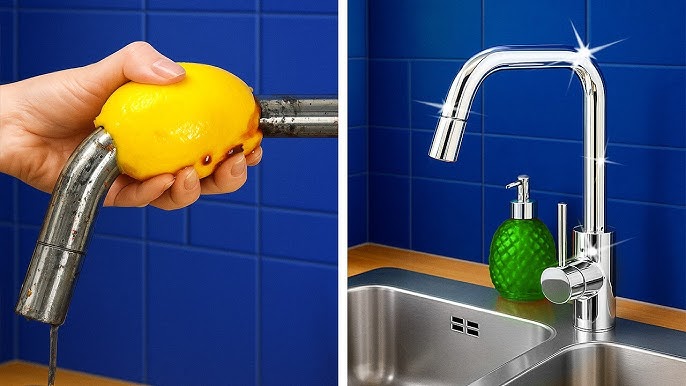
Imagine transforming your kitchen into a space that not only shines but also contributes positively to the environment. What if you could clean your kitchen without resorting to harsh chemicals?
Making eco-friendly kitchen cleaner is simpler than you might think and incredibly rewarding. You’re not just cleaning; you’re making a conscious choice to protect your home and the planet. This article will guide you through creating your own green cleaning solution, saving money while ensuring a safer environment for you and your loved ones.
Dive in to discover easy steps and tips that will change the way you clean forever.
Benefits Of Eco-friendly Cleaners
How to Make Eco Friendly Kitchen Cleaner Eco-friendly kitchen cleaners reduce harmful chemicals in your home. They are simple to make using everyday ingredients. This approach supports a healthier environment and saves money.
Eco-friendly cleaners offer a range of benefits for both your home and the planet. They reduce exposure to harmful chemicals, making your kitchen safer for everyone. Natural ingredients mean fewer toxins, which can improve indoor air quality. Choosing eco-friendly options supports sustainable practices and reduces environmental impact. These cleaners are often biodegradable, ensuring they won’t harm ecosystems. Plus, they can be cost-effective, using ingredients you already have at home. Let’s explore these benefits in detail.Reduced Chemical Exposure
Conventional cleaners contain harsh chemicals. Eco-friendly options avoid these, protecting skin and lungs. Natural ingredients like vinegar and lemon are safe. They clean effectively without harmful residues.Improved Air Quality
Traditional cleaners can emit volatile organic compounds. These can worsen indoor air quality. Eco-friendly cleaners use natural scents like essential oils. This helps keep your kitchen smelling fresh without pollution. Eco-friendly cleaners are biodegradable. They break down naturally, preventing pollution in water sources. This helps keep ecosystems healthy. Choosing green products supports sustainable manufacturing processes.Cost-effective Solutions
Many eco-friendly cleaners use simple ingredients. Baking soda and vinegar are inexpensive and effective. You save money by using items you already have. This makes green cleaning accessible for everyone.Essential Ingredients
Creating an eco-friendly kitchen cleaner starts with understanding the essential ingredients. These components are crucial for effective cleaning while being gentle on the environment. Using natural elements reduces chemical exposure and ensures sustainability. Let’s explore these essential ingredients that make a difference.
Natural Cleaning Agents
Natural cleaning agents are the backbone of eco-friendly cleaners. Vinegar is a popular choice. It cuts through grease and disinfects surfaces. Baking soda is another versatile agent. It scrubs away grime and absorbs odors. Lemon juice offers a fresh scent and fights bacteria. These ingredients are safe and effective for daily cleaning tasks.
Essential Oils
Essential oils add fragrance and extra cleaning power. Tea tree oil is known for its antibacterial properties. Lavender oil provides a calming scent while disinfecting. Eucalyptus oil works well against stubborn stains. Essential oils enhance cleaning solutions with their natural benefits. They offer a pleasant aroma without harmful chemicals.
Biodegradable Materials
Biodegradable materials are crucial for eco-friendly cleaning. They break down naturally and reduce waste. Use recycled paper towels for wiping surfaces. Bamboo cloths are a sustainable alternative to synthetic sponges. Cornstarch-based packaging keeps ingredients fresh. These materials support a zero-waste lifestyle.
Tools And Supplies
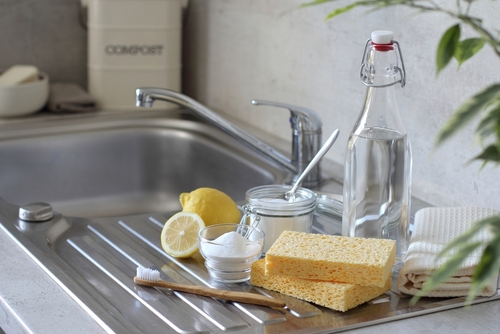
Gather white vinegar, baking soda, and lemon juice for an eco-friendly kitchen cleaner. Use a spray bottle for easy application. A clean cloth or sponge helps wipe surfaces effectively.
Creating your own eco-friendly kitchen cleaner is not only a sustainable choice but also a rewarding DIY project. To ensure your cleaner is effective, it’s essential to have the right tools and supplies on hand. By gathering these items, you’ll be well on your way to a cleaner kitchen and a cleaner planet.Measuring Tools
Accurate measurements are key to mixing the perfect solution. A set of measuring cups and spoons will help you get the right balance of ingredients. It’s amazing how a small difference in measurements can affect the effectiveness of your cleaner. If you’re new to DIY cleaners, start with a standard set of measuring tools you might already have in your kitchen.Storage Containers
Once your cleaner is mixed, you need a safe place to store it. Glass spray bottles are a popular choice because they don’t react with the ingredients. They also look stylish sitting on your kitchen counter. If you’re worried about breakage, opt for high-quality plastic bottles that are BPA-free.Cleaning Tools
The right cleaning tools can make your homemade cleaner even more effective. Microfiber cloths are excellent for trapping dirt and bacteria. They’re reusable, which aligns perfectly with your eco-friendly mission. Sponges and brushes with natural fibers are another great addition, reducing the need for synthetic materials. Having these tools and supplies at your disposal not only makes the process smoother but also ensures you’re getting the most out of your homemade cleaner. Have you considered how these simple changes can significantly reduce your environmental footprint?
Credit: www.thechowtrain.com
Diy Recipes
Creating your own eco-friendly kitchen cleaners can be simple and rewarding. Use ingredients you likely have at home. These DIY recipes are effective and safe for the environment. Let’s explore how you can make three types of natural cleaners.
All-purpose Cleaner
An all-purpose cleaner is essential for daily kitchen tasks. Combine equal parts of white vinegar and water in a spray bottle. Add a few drops of lemon essential oil for a fresh scent. Shake well before each use. Spray on surfaces and wipe with a clean cloth. This cleaner works on countertops, sinks, and more. It’s safe and non-toxic.
Grease Remover
Grease can be stubborn, but a natural solution can help. Mix two cups of water with one tablespoon of baking soda. Add a few drops of dish soap. Shake the mixture in a spray bottle. Spray directly on greasy surfaces. Let it sit for a few minutes. Wipe clean with a damp cloth. This mixture cuts through grease effectively.
Antibacterial Spray
Keep your kitchen germ-free with a homemade antibacterial spray. Fill a spray bottle with one cup of water. Add half a cup of rubbing alcohol. Include 15 drops of tea tree oil. Tea tree oil is a natural disinfectant. Shake well before each use. Spray on surfaces and let it air dry. Use on cutting boards and kitchen handles.
Step-by-step Instructions
Creating an eco-friendly kitchen cleaner is simple and effective. Follow these step-by-step instructions to make your kitchen sparkle without harmful chemicals. Let’s dive into the process, ensuring you keep your home clean and green.
Preparation And Mixing
Gather your ingredients: vinegar, baking soda, and lemon juice. These are natural cleaning agents. Use a clean spray bottle for mixing. Start by pouring one cup of vinegar into the bottle. Add two tablespoons of baking soda. Pour gently to avoid fizzing over. Add a tablespoon of lemon juice for a fresh scent. Secure the lid tightly. Shake the bottle to mix the ingredients well.
Application Techniques
Spray the cleaner on kitchen surfaces. Let it sit for two minutes. This helps break down grease and grime. Use a clean cloth to wipe the surface. For tough stains, scrub gently with a sponge. Rinse with water if needed. Dry the area with a clean towel. Your kitchen surfaces will shine.
Storage Tips
Store the cleaner in a cool, dry place. Avoid direct sunlight. This keeps it effective longer. Label the bottle clearly to avoid confusion. Keep out of reach of children and pets. Regularly check the bottle for leaks. Replace if necessary. This ensures safety and convenience. Your eco-friendly cleaner is now ready for repeated use.
Credit: www.springcleaning.com.sg
Safety Precautions
Making eco-friendly kitchen cleaner is smart and responsible. Safety is crucial to ensure a healthy cleaning experience. Using natural ingredients requires careful handling. Be mindful of potential allergies and maintain proper ventilation. Let’s explore these aspects for a safe cleaning process.
Handling Natural Ingredients
Natural ingredients are gentle but can be potent. Always store them in a cool, dry place. Use clean utensils to mix and measure. Avoid direct contact with skin to prevent irritation. Read labels for any warnings before use. Wear gloves if handling acidic substances like vinegar. This keeps your skin safe from reactions.
Allergy Considerations
Some natural ingredients may cause allergies. Test a small amount on your skin first. Wait to see if any irritation occurs. Keep a list of potential allergens in the kitchen. Essential oils can be strong, so use them sparingly. Inform family members about ingredients used. This helps prevent allergic reactions in everyone.
Proper Ventilation
Ventilation is key in the cleaning process. Open windows to let fresh air circulate. Use exhaust fans if available. Avoid inhaling strong odors directly. Ensure the room is well-ventilated during and after cleaning. This prevents buildup of fumes and keeps the air fresh.
Environmental Impact
Our daily choices impact the environment significantly. Making eco-friendly kitchen cleaners helps reduce this impact. These cleaners minimize pollution and protect natural resources. They also create a healthier home environment.
Reducing Chemical Waste
Traditional cleaners often contain harsh chemicals. These chemicals can harm the environment. Eco-friendly cleaners use natural ingredients. This reduces chemical waste. Less waste means cleaner water and soil. It also decreases air pollution.
Benefits For Wildlife
Wildlife suffers from chemical pollution. Many animals are sensitive to toxins. Natural cleaners are safer for them. They prevent harmful substances from entering ecosystems. This keeps habitats safe and livable.
Sustainable Practices
Eco-friendly cleaners promote sustainability. They often use biodegradable ingredients. This ensures they break down naturally. Sustainable practices help preserve resources for future generations. Making these choices supports a healthier planet.

Credit: kateable.com
Cost Comparison
Creating an eco-friendly kitchen cleaner can be cost-effective. Compare homemade mixtures with store-bought options to see savings. Simple ingredients like vinegar and baking soda provide an affordable and sustainable choice for cleaning tasks.
In today’s world, people seek eco-friendly solutions for their homes. One area gaining attention is kitchen cleaning. Making your own kitchen cleaner can be both green and cost-effective. But how does it stack up against buying commercial cleaners? Let’s explore a cost comparison.Homemade Vs. Commercial Cleaners
Many people buy commercial cleaners for their convenience. Yet, they come with a price. A bottle of commercial cleaner can cost several dollars. Some brands are even more expensive. Now, consider homemade cleaners. Ingredients like vinegar, baking soda, and lemon are cheap. You may already have them in your kitchen. Mixing these creates an effective cleaner at a fraction of the cost.Long-term Savings
Think about long-term savings. Buying ingredients in bulk reduces costs. You make many batches of cleaner from one purchase. Also, homemade cleaners reduce trips to the store. Over time, this saves both time and money. In sum, making your own kitchen cleaner can be a smart financial choice. It helps you save money while caring for the environment.Frequently Asked Questions
What Are The Benefits Of Eco-friendly Kitchen Cleaners?
Eco-friendly kitchen cleaners reduce chemical exposure and are safe for the environment. They often use natural ingredients like vinegar or lemon. These ingredients are biodegradable and non-toxic, making them ideal for homes with children or pets. Plus, they are usually cost-effective and easy to make at home.
How Can I Make A Natural Kitchen Cleaner?
To make a natural kitchen cleaner, mix equal parts vinegar and water. Add a few drops of essential oil for fragrance. This solution is effective for cleaning countertops and appliances. It’s safe and non-toxic, making it ideal for everyday use.
Always test on a small area first to ensure compatibility.
Are Homemade Cleaners As Effective As Store-bought?
Homemade cleaners can be as effective as store-bought ones for everyday cleaning tasks. They use natural ingredients like vinegar, which is a natural disinfectant. While they may not have the same strength for heavy-duty cleaning, they are safer and environmentally friendly for regular use.
Can I Use Essential Oils In Eco-friendly Cleaners?
Yes, essential oils can be used in eco-friendly cleaners for fragrance and additional cleaning properties. Oils like tea tree or lavender have natural antibacterial properties. They also add a pleasant scent to your cleaning solution. Always use essential oils sparingly and ensure they are safe for household use.
Conclusion
Creating your own eco-friendly kitchen cleaner is simple and rewarding. You protect the environment and save money. Natural ingredients like vinegar and baking soda are effective. They clean without harmful chemicals. Your kitchen will smell fresh and stay safe. Plus, you reduce waste by reusing spray bottles.
Making this switch benefits your health and the planet. Try these green cleaning tips today. You’ll notice a positive change. Enjoy a cleaner, greener kitchen. Embrace sustainable living with these easy steps. Small efforts can make a big difference. Happy cleaning!