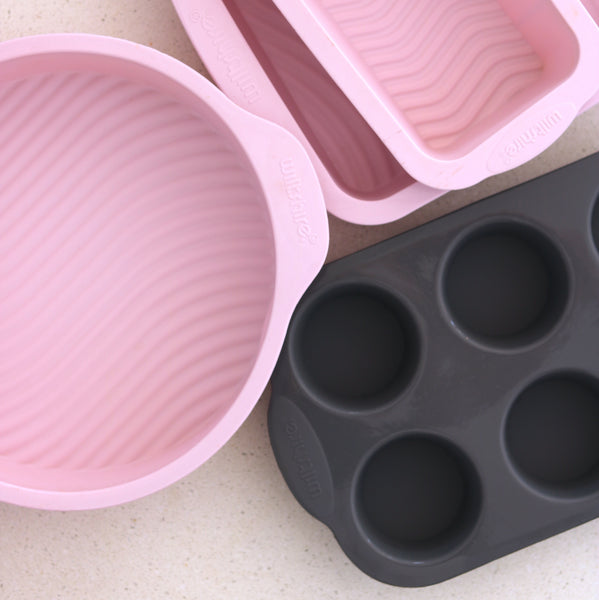
Have you ever wondered if you’re missing out on the magic of silicone bakeware? Imagine effortlessly releasing your perfectly baked treats without a single crumb left behind.
Picture the ease of cleaning up, saving precious time, and avoiding the fuss of traditional bakeware. Silicone bakeware offers you just that—a hassle-free baking experience that feels almost too good to be true. But how do you actually use it to get the best results?
We’ll unravel the secrets of silicone bakeware, providing you with tips and tricks to elevate your baking game. You’re about to discover why silicone is a game-changer in your kitchen arsenal, and why once you start using it, you’ll never look back. Keep reading to unlock the full potential of your silicone bakeware and transform your baking into a delightful experience.
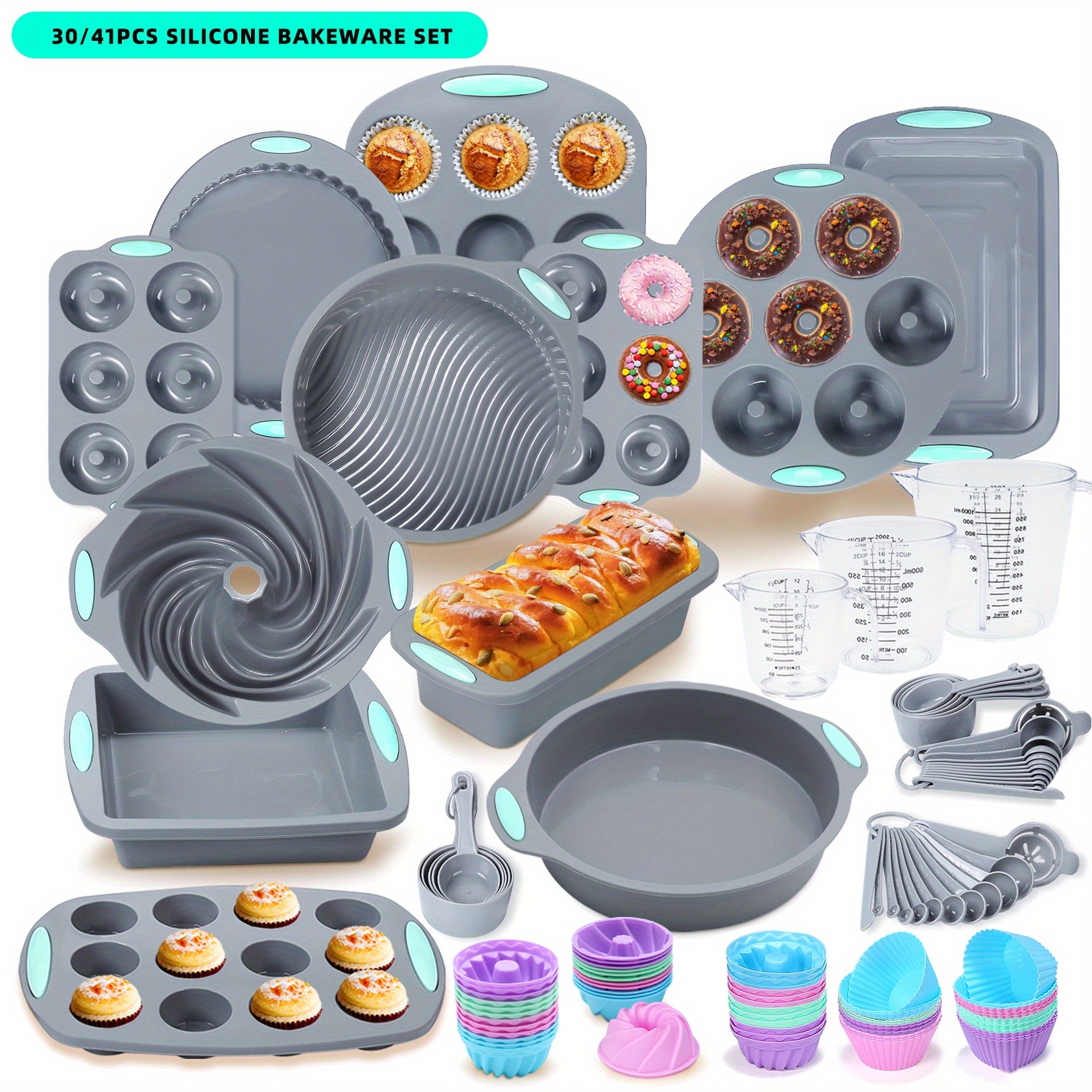
Credit: www.temu.com
Benefits Of Silicone Bakeware
Silicone bakeware has gained popularity for its numerous benefits. It offers convenience and efficiency in the kitchen. Baking enthusiasts often choose silicone for its unique properties.
Non-stick Properties
Silicone bakeware is naturally non-stick. No need for greasing or parchment paper. Baked goods slide out easily. This makes cleanup quick and simple. Cakes, muffins, and cookies retain their shape perfectly.
Durability And Flexibility
Silicone is highly durable. It withstands regular use without damage. Its flexibility allows easy storage. You can fold or bend it without breaking. This feature is ideal for small kitchens. It returns to its original shape effortlessly.
Heat Resistance
Silicone handles high temperatures well. It is safe for ovens and microwaves. You can use it from freezer to oven. This versatility is unmatched by other bakeware. It ensures even cooking without hot spots. Silicone remains cool to the touch after baking.

Credit: www.amazon.com
Choosing Quality Silicone Bakeware
Silicone bakeware offers easy use and flexibility in the kitchen. Simply grease it before pouring batter to ensure easy release. Withstanding both heat and cold, it’s perfect for baking or freezing treats effortlessly.
Choosing quality silicone bakeware can make all the difference in your baking experience. Not all silicone bakeware is created equal, and investing time in selecting the right pieces will pay off when your baked goods come out perfectly every time. Let’s dive into what you need to look out for to ensure you’re getting the best quality silicone bakeware for your kitchen.Checking Material Composition
The first thing to scrutinize is the material composition of the silicone bakeware. Pure silicone will be flexible yet resilient, allowing you to twist it without any white streaks appearing. If you notice any discoloration when bending, it might indicate fillers, which could affect the bakeware’s performance. Consider the manufacturer’s reputation and reviews to confirm the absence of fillers. High-quality silicone bakeware is typically made of 100% food-grade silicone. This ensures your food remains safe and free from harmful chemicals.Evaluating Thickness And Strength
The thickness of the silicone is crucial for stability and heat distribution. Thicker silicone bakeware can hold its shape better and provide even baking results. A good test is to press the sides; quality silicone should not collapse easily. Strength is equally important. Your bakeware should feel robust, not flimsy. This will not only help in maintaining the shape during baking but also in the ease of handling when transferring in and out of the oven.Certifications To Look For
Certifications can give you peace of mind about the safety and quality of your silicone bakeware. Look for FDA or LFGB certification, which indicates the bakeware meets stringent safety standards. These certifications ensure that the bakeware is free from harmful substances and safe for food contact. Do these certifications matter to you? They certainly should, especially if you’re concerned about health and safety standards. Checking for these labels can help you make a more informed purchase, ensuring that your silicone bakeware is both high quality and safe to use.Preparing Silicone Bakeware
Cleaning silicone bakeware is simple. Use warm soapy water and a soft sponge. Rinse well and dry completely.
Preparing silicone bakeware is an essential step to ensure your baking endeavors go smoothly. This versatile material is loved for its non-stick qualities and ease of use, but proper preparation is key to achieving the best results. From cleaning to temperature settings, each step plays a crucial role in maximizing the efficiency and longevity of your silicone bakeware.Cleaning Before First Use
Before your silicone bakeware’s debut in the kitchen, a thorough cleaning is necessary. Though it might seem clean straight out of the packaging, washing it helps remove any residue left from manufacturing. Use warm water and mild dish soap. A soft sponge or cloth will do the trick without damaging the surface. Rinse thoroughly to ensure no soap remains, and let it air dry completely.Greasing Recommendations
Silicone bakeware is known for its non-stick properties, but a little greasing can go a long way, especially for intricate designs. A light spray of oil or a thin layer of butter can enhance the non-stick effect. If you find your baked goods sticking, try greasing next time. It’s a small effort for a big payoff.Proper Temperature Settings
Silicone is heat-resistant, but knowing the right temperature settings is crucial. Most silicone bakeware can handle up to 428°F (220°C). Always check the manufacturer’s instructions for maximum temperature limits. Consider whether your oven runs hotter than usual. Adjust accordingly to prevent warping or damage. Have you ever noticed your cake’s edges browning faster than the center? It might be your oven’s temperature. A simple oven thermometer can help keep everything in check.Baking Techniques With Silicone
Silicone bakeware offers unique advantages in the kitchen. Its flexibility and non-stick surface provide ease in baking. Understanding proper techniques can enhance your baking experience.
Adjusting Baking Times
Silicone bakeware may affect baking times. It heats slowly compared to metal pans. Check your baked goods a few minutes early. This helps avoid overcooking. You might need to extend the baking time slightly. Use a toothpick to test doneness.
Monitoring Browning And Crisping
Baked goods may brown less in silicone. This is due to its insulating properties. To achieve a golden crust, increase the oven temperature slightly. Keep a close eye to avoid burning. Adjust based on your preference and recipe.
Tips For Even Cooking
Place silicone bakeware on a sturdy baking sheet. This provides stability and even heat distribution. Rotate the pan halfway through baking. This ensures even cooking and prevents hotspots. Avoid overcrowding the oven for best results.
Removing Baked Goods From Silicone
Using silicone bakeware simplifies the baking process. To remove baked goods, ensure they cool completely. Gently flex the silicone mold to release your treats with ease.
Silicone bakeware offers great flexibility and ease of use. One of its standout features is its non-stick surface. This makes removing baked goods straightforward. But, handling it gently is important to maintain the bakeware’s quality. Here are some tips for removing your baked creations successfully.Cooling Before Removal
Allow your baked goods to cool completely. This helps in easy removal. Silicone retains heat longer than metal. Let it sit for a few minutes on a cooling rack. This prevents sticking and crumbling. You will have perfectly shaped treats.Using Gentle Pressure
Apply gentle pressure to release your baked goods. Hold the silicone bakeware in your hands. Gently press from the bottom or sides. This releases the treats smoothly. Avoid forceful actions to prevent tearing.Avoiding Damage To The Bakeware
Handle silicone bakeware with care. Avoid sharp objects that can scratch or tear. Use soft utensils like spatulas or wooden spoons. This ensures your bakeware lasts longer. Proper care keeps it in good condition for future baking.Maintenance And Storage
Store silicone bakeware flat or rolled to save space. Ensure it’s clean and dry before storing. Avoid sharp objects to prevent damage.
Silicone bakeware is a kitchen staple known for its flexibility and durability. Proper maintenance and storage are key to extending its lifespan. Keeping your silicone bakeware in top shape requires a bit of care. Below, learn the essential steps for maintaining and storing your silicone pieces effectively.Cleaning After Each Use
Wash silicone bakeware immediately after use. Use warm water and mild soap. A soft sponge helps remove food residue easily. Rinse thoroughly to remove soap traces. Ensure the bakeware is completely dry before storing. This prevents mold or mildew growth.Storing To Prevent Misshaping
Store silicone bakeware flat or hang it. Avoid stacking heavy items on top. This prevents bending or misshaping. Use a dedicated space for silicone items. Keep them away from sharp objects. This avoids accidental cuts or damage.Avoiding Harsh Chemicals
Do not use bleach or abrasive cleaners. These can damage silicone surfaces. Stick to gentle, non-toxic cleaning products. They keep your bakeware safe and long-lasting. Read labels to ensure compatibility with silicone.Common Mistakes To Avoid
Silicone bakeware can be tricky. Avoid using sharp utensils that might damage it. Always grease pans lightly to prevent sticking.
Avoiding common mistakes with silicone bakeware ensures better baking results. Silicone bakeware is popular for its flexibility and non-stick properties. Yet, improper use can affect its performance. Let’s explore some frequent mistakes.Overheating Silicone
Silicone bakeware is heat-resistant, but not indestructible. Check the manufacturer’s temperature limit before use. Most silicone can withstand temperatures up to 428°F (220°C). Higher heat can cause warping or unpleasant odors. Keep an eye on your oven temperature.Using Abrasive Tools
Avoid using sharp or abrasive tools on silicone bakeware. These tools can scratch and damage the surface. Instead, use wooden or silicone utensils. They are gentle and prolong the life of your bakeware. Cleaning with a soft sponge or cloth is best. Harsh scrubbing can degrade the silicone over time.Ignoring Quality Indicators
Not all silicone bakeware is created equal. Quality indicators include the material’s thickness and flexibility. Thin silicone can lead to uneven baking. Check for food-grade silicone, which is safer and more durable. Investing in high-quality bakeware pays off in the long run.Innovative Uses For Silicone Bakeware
Silicone bakeware offers unique versatility in the kitchen. Use it for baking, freezing, or molding chocolates and candies. Its flexibility makes it easy to release food and clean up afterward.
Silicone bakeware is not just for baking anymore. Its flexibility, durability, and non-stick surface open up a world of possibilities that you might not have considered. Whether you’re whipping up a culinary masterpiece or organizing your home, silicone bakeware can be your secret weapon. Let’s dive into some innovative uses that might change how you view these colorful kitchen tools.Freezing And Refrigeration
Silicone bakeware isn’t limited to the heat of the oven. Its ability to withstand extreme temperatures makes it perfect for freezing and refrigeration. Imagine preparing individual servings of soup or sauce in advance. Pour them into silicone muffin trays, freeze, and then pop them out for easy storage. The flexibility allows you to effortlessly release frozen cubes without a fuss. Plus, you can neatly stack them in your freezer, optimizing space.Creative Molding Ideas
The pliability of silicone makes it a fantastic option for molding. Why not get creative in the kitchen or craft room? Use silicone molds to shape chocolates, candies, or even homemade soap. The non-stick properties ensure your creations come out perfectly formed every time. Experiment with different shapes and sizes to surprise guests or personalize gifts. Have you ever tried making a jello sculpture for a party? Your silicone molds are just waiting for you to unleash your creativity.Non-baking Applications
Silicone bakeware isn’t confined to the kitchen. Its versatility extends to non-baking applications that can simplify everyday tasks. Organize small items like jewelry or office supplies using silicone muffin trays. Their compartments can help keep things tidy and within easy reach. Are you looking for a handy way to separate hardware during a DIY project? Silicone trays can hold screws, nuts, and bolts without them rolling away. As you explore these innovative uses, consider how silicone bakeware could streamline your life. What’s the most unexpected way you can think of to use your silicone tools? Your imagination is the limit.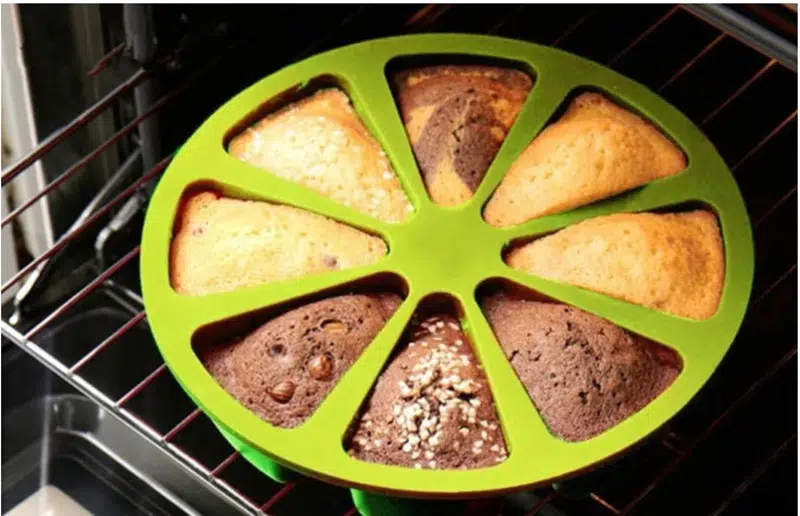
Credit: consumersiliconeproducts.com
Frequently Asked Questions
Is Silicone Bakeware Safe For Cooking?
Yes, silicone bakeware is safe for cooking. It can withstand high temperatures without releasing harmful chemicals. It’s non-toxic, BPA-free, and doesn’t leach into food. Ensure you purchase high-quality silicone bakeware from reputable brands to guarantee its safety and durability.
How Do You Clean Silicone Bakeware?
Cleaning silicone bakeware is easy and straightforward. Simply wash it with warm, soapy water using a sponge. Rinse thoroughly and let it air dry. For stubborn residues, use a baking soda paste to scrub gently. Avoid abrasive cleaners to prevent damaging the silicone surface.
Can Silicone Bakeware Go In The Oven?
Silicone bakeware is oven-safe and can withstand high temperatures up to 500°F. Ensure your bakeware is placed on a sturdy baking sheet for stability. Avoid using it under direct heat sources like broilers. Always check the manufacturer’s guidelines for specific temperature recommendations.
Does Silicone Bakeware Affect Baking Time?
Silicone bakeware may slightly affect baking times due to its heat-resistant properties. It tends to heat slowly compared to metal pans. You might need to adjust cooking times slightly. Always check your food for doneness and follow your recipe’s instructions for best results.
Conclusion
Silicone bakeware offers many benefits in the kitchen. It’s flexible and durable. Easy to clean too. Just a quick rinse and you’re done. Plus, it cools quickly. No more waiting ages for your cake to cool. Baking is more fun with silicone tools.
They come in various shapes and sizes. Perfect for creative baking ideas. Try it for muffins, cakes, or even bread. You’ll enjoy the convenience. No sticking, less mess. Silicone bakeware makes baking simpler. Safe and reliable for everyday use. A great addition to any kitchen.
Happy baking with silicone!