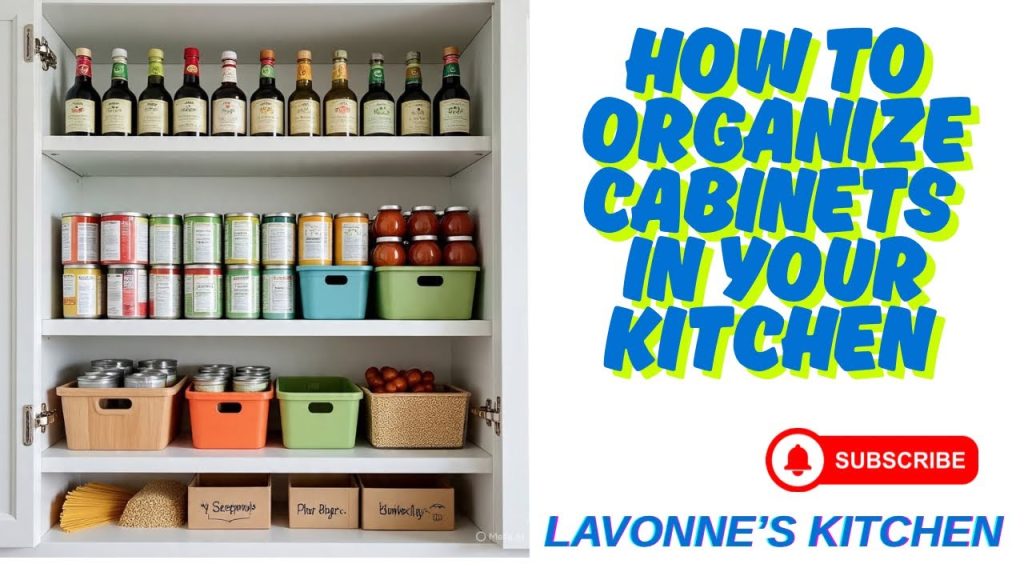
Imagine opening your kitchen cabinets and finding everything neatly organized, easily accessible, and visually appealing. It sounds like a dream, right?
But it doesn’t have to be. You can achieve this reality with a few simple steps. Organizing your kitchen cabinets can transform your cooking space into a haven of efficiency and calm. Think about how much time you spend rummaging through cluttered shelves looking for that elusive spice jar or measuring cup.
What if you could save time, reduce stress, and enjoy cooking in a space that feels more like a well-oiled machine than a chaotic mess? By following some straightforward strategies, you can turn your kitchen into a place where you love to cook and entertain. Ready to learn how to make this happen? Keep reading to discover the secrets to organizing your kitchen cabinets like a pro.
Assess Your Space
Assess Your Space Organize your kitchen cabinets by first decluttering and identifying essential items. Group similar items together and utilize vertical space with stackable shelves. Consider easy-to-reach placements for frequently used items to enhance functionality and flow.
Assessing your kitchen space is the first and most crucial step in organizing your cabinets. It’s like setting the foundation before building a house. Understanding the dimensions and intricacies of your kitchen will guide you in making informed decisions about storage solutions. Whether you have a compact kitchen or a sprawling one, each space has its unique challenges and opportunities. Have you ever opened a cabinet only to find items tumbling out? A well-organized kitchen starts with knowing the space you have.Measure And Analyze
Grab a tape measure and note down the dimensions of each cabinet. Measure the height, width, and depth. This data is crucial when deciding which storage solutions will fit best. Analyze how these dimensions can accommodate your kitchen essentials. Some cabinets might be better suited for tall items, while others can house smaller appliances. Consider the accessibility of each space; frequently used items should be easily reachable.Identify Storage Needs
Think about your cooking habits and what you use most often. Do you need more space for pots and pans or perhaps more room for pantry items? Identify gaps in your current storage. Is there a jumble of spice jars in one cabinet? Or maybe your Tupperware has taken over an entire shelf? Recognizing these needs will help you categorize and allocate space effectively. Create a list of items that need designated spots. This might include bulky appliances, baking supplies, or daily dishes. A clear inventory will ensure nothing is overlooked and every item finds a home.Sort And Declutter
Efficient kitchen organization starts with sorting items by category. Group similar items together for easy access. Decluttering is key; remove expired or rarely used items. Use clear containers to see contents quickly. Adjust shelf heights to fit tall items and maximize space.
Organizing your kitchen cabinets can transform your cooking space into a more functional and enjoyable area. The first step to achieving this is to sort and declutter. A clutter-free cabinet not only makes it easier to find items, but also creates an inviting atmosphere for culinary creativity. Let’s dive into the process of sorting and decluttering, focusing on categorizing items and removing the unnecessary ones.Categorize Items
Begin by grouping similar items together. This might include placing all baking supplies in one section, and spices in another. Use clear containers or baskets to keep these categories visible and accessible. This strategy not only saves time during meal preparation but also helps you maintain an organized look. Think about the frequency of use when categorizing. Items used daily should be within easy reach, while those used occasionally can be stored higher up or towards the back.Remove Unnecessary Items
Evaluate each item in your cabinet and ask yourself if it’s truly needed. Consider getting rid of duplicate items or those that haven’t been used in months. Clearing out unused items can free up valuable space and reduce clutter. Create a “donate” or “discard” pile. This helps in making quick decisions and prevents second-guessing later. Keeping only the essentials ensures a more streamlined and efficient kitchen setup.Strategic Placement
Strategic placement in kitchen cabinets transforms chaos into order. It enhances functionality and eases daily tasks. Simple adjustments create a smoother cooking experience. Arrange items thoughtfully for quick access and efficiency. Consider frequency of use and size when organizing. These small changes lead to a big impact.
Prioritize Accessibility
Place frequently used items at eye level. This saves time and effort. Reach essentials without rummaging through crowded shelves. Keep pots, pans, and utensils close to the stove. Store spices and oils near the cooking area. Accessible placement reduces stress during meal preparations.
Group Similar Items
Group items by function or type. Store baking tools together. Arrange all breakfast supplies in one spot. This system simplifies finding what you need. It prevents clutter and confusion. Use baskets or dividers for better organization. Categorizing items improves cabinet efficiency.
Credit: www.rd.com
Utilize Storage Solutions
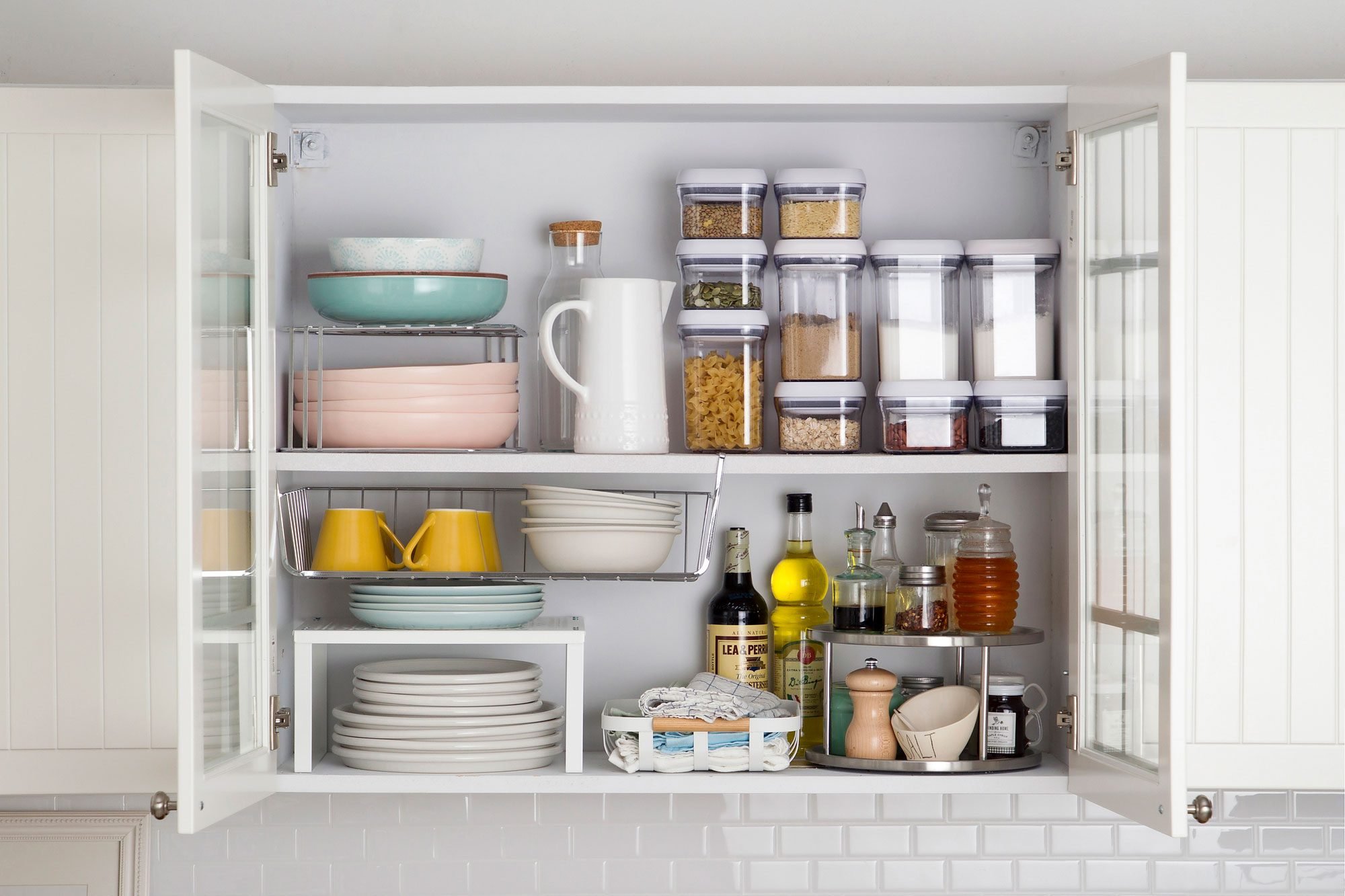
Maximize kitchen space by using stackable shelves and drawer organizers. Arrange items by category for easy access. Store frequently used items in front and less-used ones in the back.
Utilizing storage solutions in your kitchen cabinets can transform your cooking space into a model of efficiency and order. By making the most of every inch, you can streamline meal prep and reduce clutter. Let’s dive into some practical strategies to maximize your kitchen’s potential.Use Shelf Organizers
Shelf organizers are a game-changer in kitchen cabinet organization. They allow you to divide your shelves into manageable sections, making it easier to find what you need. Whether it’s a stackable shelf for plates or a wire rack for mugs, these organizers bring a sense of order to your chaos. Consider adjustable dividers for your baking sheets and cutting boards. This simple addition can keep them upright and accessible. You might be surprised at how much space you save when everything has its own spot.Maximize Vertical Space
Often, the vertical space in cabinets goes unused, but it’s a goldmine for storage. Adding tiered racks or hanging baskets can utilize every bit of height available. This approach not only frees up room but also keeps items within reach. Think about your pantry items. Taller shelves can accommodate cereal boxes or pasta jars that usually clutter your countertop. Have you ever tried using hooks under shelves for mugs or utensils? It’s a small tweak with a big impact on space efficiency. By implementing these storage solutions, your kitchen cabinets can become a well-organized haven. What changes will you make to transform your kitchen into a more functional space?Label And Categorize
Organizing your kitchen cabinets can be a game-changer for your daily routine. By labeling and categorizing your items, you can save time and avoid the frustration of searching through cluttered shelves. Imagine the ease of reaching for a spice or utensil without second-guessing its location. Let’s dive into how labeling and color-coding can transform your kitchen experience.
Create Clear Labels
Clear labels are crucial for an organized kitchen. They provide instant clarity about what’s inside each cabinet or drawer. Consider using waterproof labels for areas prone to spills or steam. You can print labels or handwrite them if you prefer a personal touch. Think about using specific terms that make sense to you and your cooking style. For example, instead of a vague ‘baking supplies,’ you might label as ‘flour, sugar, baking soda.’
How often do you open a cabinet and wonder where that elusive ingredient is hiding? Clear labels eliminate this guessing game and streamline your cooking process.
Color-coding Systems
Color-coding is a visually appealing way to categorize your kitchen items. Assigning colors to different categories can help you quickly identify what’s where. For instance, you might use green labels for herbs and spices, blue for baking goods, and red for canned foods. This method is particularly useful for larger families or shared kitchens.
Does your kitchen often become a free-for-all with everyone searching for their favorite snack? Implementing a color-coding system can make it easy for everyone to find what they need without confusion.
Both labeling and color-coding offer practical solutions for maintaining an organized kitchen. They enhance efficiency, reduce stress, and bring a sense of order to your culinary space.
Maintain Organization
Maintaining organization in your kitchen cabinets ensures a smooth cooking experience. A tidy kitchen saves time and reduces stress. It helps you find items quickly and easily. Consistent effort keeps your cabinets neat and functional.
Regularly Reassess
Set aside time to review your kitchen cabinets. Check for expired items and unused gadgets. Donate or dispose of things you no longer need. This frees up space and keeps your kitchen organized. A regular reassessment prevents clutter buildup.
Develop Routine Habits
Create habits that support an organized kitchen. Return items to their designated places after use. Clean your cabinets regularly to avoid dirt and dust. Label shelves to help family members know where things belong. Routine habits maintain order in your kitchen.
Expert Insights
Organizing your kitchen cabinets can be a daunting task, especially if you’re not sure where to start. To make this process easier and more efficient, we gathered some expert insights that will transform your kitchen into a well-organized space. These tips come from professional organizers who have honed their skills over years of experience, and they know the common pitfalls to avoid.
Professional Organizers
Professional organizers emphasize the importance of categorizing your items. Group similar items together like spices, canned goods, and baking supplies. This makes it easy to find what you need without rummaging through every shelf.
They also suggest using adjustable shelving and clear containers. This allows you to customize the space according to your needs, maximizing storage and visibility.
One organizer shared how labeling shelves dramatically improved her kitchen efficiency. Labels eliminate guesswork and maintain order, even when you’re in a rush.
Common Mistakes To Avoid
A common mistake is overloading cabinets with items you rarely use. Keep your cabinets stocked with essentials and store non-essentials elsewhere to avoid clutter.
Another pitfall is ignoring the vertical space. Utilize stackable containers and shelf risers to make the most of the space between shelves.
Neglecting to declutter is also a frequent error. Ask yourself if you really need every item in your cabinets. If not, it might be time to let some things go.
Credit: www.woodshopdiaries.com

Credit: www.youtube.com
Frequently Asked Questions
What Is The Best Way To Organize Kitchen Cabinets?
The best way is to categorize items. Keep similar items together for easy access. Use shelf organizers to maximize space. Label containers for quick identification. Regularly declutter to remove unnecessary items. This approach helps maintain an efficient and tidy kitchen space.
How Can I Maximize Cabinet Space?
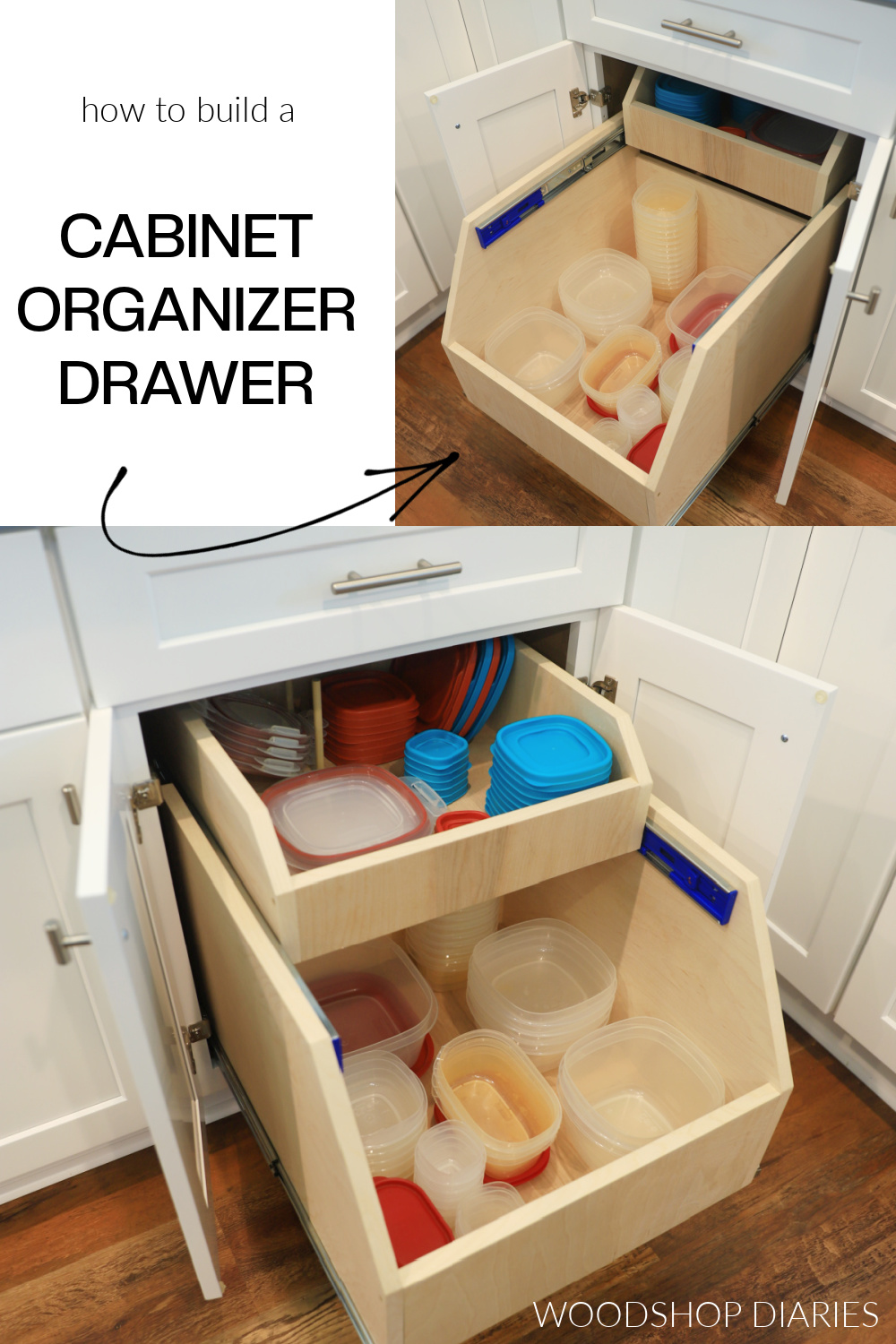
Utilize vertical space with stackable shelves. Store less-used items on higher shelves. Use door-mounted racks for spices and small items. Consider pull-out trays for easy access. These techniques help maximize your cabinet space efficiently.
What Should I Store In Upper Cabinets?
Store lightweight and less-used items in upper cabinets. These can include glassware, mugs, and seasonal dishes. Keep everyday essentials within easy reach. This arrangement ensures safety and convenience in your kitchen.
How Do I Declutter Kitchen Cabinets Effectively?
Start by emptying the cabinets and sorting items. Discard expired or damaged products. Donate or recycle what you don’t need. Organize remaining items by category. Regular decluttering keeps your kitchen functional and neat.
Conclusion
Organizing kitchen cabinets can make life easier. Clear out unused items first. Use baskets and labels for a tidy look. Store frequently used items in easy-to-reach spots. Arrange similar items together to save time. Regularly review and adjust as needed.
This keeps your kitchen efficient and clutter-free. Enjoy cooking more with everything in its place. A well-organized kitchen makes tasks smoother and less stressful. So, start small and keep improving. Your kitchen will thank you.