
Have you ever taken a moment to admire your glass bakeware, only to notice stubborn stains and baked-on residue that just won’t budge? You’re not alone.
Glass bakeware is a favorite in many kitchens because of its elegant look and practical use, but keeping it spotless can be a real challenge. You probably want your dishes to shine as brightly as your culinary creations do. Imagine the satisfaction of pulling out a pristine, sparkling glass dish, ready to showcase your delectable meals.
You’ll discover simple, effective methods to clean your glass bakeware without the hassle. Whether you’re dealing with burnt-on food, cloudy surfaces, or greasy films, you’ll learn how to restore your bakeware to its original brilliance. By the end, you’ll have all the tips and tricks you need to maintain your kitchen treasures effortlessly. Let’s dive into the secrets of keeping your glass bakeware looking brand new, so you can focus on what you love most – cooking and enjoying delicious food.
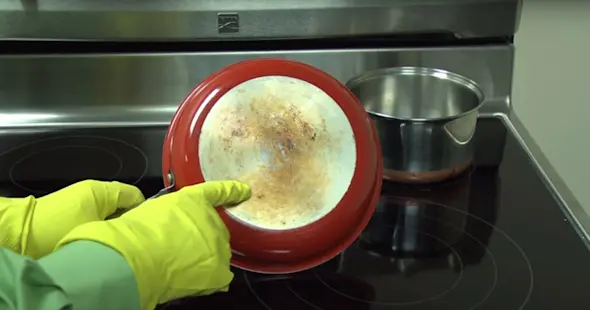
Credit: www.searspartsdirect.com
Types Of Glass Bakeware
Glass bakeware is a staple in many kitchens, offering a versatile and durable option for baking enthusiasts. But did you know there are different types of glass bakeware? Each type has its unique characteristics, affecting not only how you bake but also how you clean them. Understanding these differences can help you choose the right bakeware for your needs and maintain them properly.
Pyrex
Pyrex is a popular choice for many home cooks. Known for its durability, it’s made of tempered glass that can withstand high temperatures. However, it’s not invincible. Sudden temperature changes can cause it to crack, so always let it cool before washing. A gentle scrub with warm, soapy water usually does the trick for cleaning.
Borosilicate Glass
Borosilicate glass bakeware is often a favorite for its high thermal resistance. It’s less likely to shatter under sudden temperature changes. This makes it ideal for dishes that go from freezer to oven. Cleaning is straightforward—warm water and a non-abrasive sponge keep it sparkling.
Soda-lime Glass
Soda-lime glass is typically more affordable but is also more prone to breaking. It’s suitable for oven use but requires careful handling. Avoid direct stovetop heat or rapid temperature changes. When cleaning, use caution and avoid harsh scrubbing tools to prevent scratches.
Colored Glass
Colored glass bakeware adds a stylish touch to your kitchen. Beyond aesthetics, it’s similar in functionality to clear glass. Check manufacturer instructions for specific care tips, as colors can fade if cleaned with harsh chemicals. Typically, a gentle wash with mild detergent preserves its vibrant look.
Have you ever found yourself struggling to remove baked-on stains from your glass bakeware? Knowing the type of glass you’re working with can make all the difference. Proper care not only extends the life of your bakeware but also ensures your baking adventures remain stress-free. What type of glass bakeware do you prefer, and why?
Common Cleaning Challenges
Cleaning glass bakeware can be tricky due to stubborn stains and baked-on residue. Use baking soda and a gentle scrubber to tackle tough spots effectively. Rinse thoroughly to restore shine and ensure safety for the next use.
Cleaning glass bakeware can sometimes feel like a daunting task. Stubborn stains, baked-on residues, and lingering odors often pose significant challenges. It’s not uncommon to find yourself scrubbing tirelessly, yet achieving minimal results. Let’s explore some common cleaning challenges and how you can tackle them effectively.Stubborn Baked-on Residue
Burnt-on food is one of the most frustrating things to deal with. You might wonder if you’ll ever see your bakeware sparkle again. A simple soak in hot water mixed with a bit of dish soap can soften these tough residues. Once softened, use a non-abrasive sponge to gently scrub away the grime. For particularly persistent spots, consider sprinkling some baking soda over the area and scrubbing with a damp sponge. This acts as a mild abrasive, helping to lift those stubborn bits without damaging the glass.Cloudy Film
Have you ever noticed a cloudy film on your glass bakeware? This often happens due to mineral deposits from hard water. It’s not just unsightly; it can also make your bakeware less effective. To tackle this, fill the dish with a mixture of equal parts water and white vinegar. Let it sit for about 30 minutes, then scrub gently. The acidity of the vinegar helps break down those mineral deposits, leaving your bakeware clear and shiny.Lingering Odors
Glass bakeware can sometimes hold onto odors from previous dishes. Baking a savory casserole followed by a sweet dessert can leave your bakeware smelling a bit odd. To eliminate odors, try a baking soda soak. Dissolve a few tablespoons of baking soda in warm water and let your dish soak for at least 30 minutes. Baking soda is excellent for neutralizing odors, so your bakeware comes out smelling fresh and clean.Scratches And Scuffs
While scratches might not affect the functionality of your bakeware, they can be unsightly. It’s essential to avoid using harsh scrubbing pads or metallic utensils that could worsen the issue. Instead, focus on gentle cleaning methods and consider using a paste of baking soda and water for light scuff marks. Apply the paste, let it sit for a few minutes, and then gently buff with a soft cloth. Are there other cleaning challenges you’ve faced with your glass bakeware? Share your experiences and tips in the comments below!Essential Cleaning Tools
Cleaning glass bakeware requires a gentle touch to avoid scratches. Use warm soapy water and a soft sponge. Rinse thoroughly and dry with a lint-free cloth for a sparkling finish.
Cleaning glass bakeware can be a daunting task, especially after you’ve whipped up a delicious casserole that leaves stubborn residue behind. The right tools can make the process less of a chore and more of a breeze. Let’s look at the essential cleaning tools that will help you maintain your glass bakeware’s pristine condition.Non-scratch Scrubbers
Using a non-scratch scrubber is crucial to avoid damaging your glass bakeware. These scrubbers are designed to tackle tough stains without leaving scratches. They are perfect for removing baked-on food and grease while preserving the integrity of your glassware.Baking Soda And Vinegar
This dynamic duo is a must-have in your cleaning arsenal. Baking soda acts as a gentle abrasive, while vinegar helps to dissolve stubborn residue. Together, they create a fizzy reaction that can lift off even the toughest grime. Have you ever tried this natural method and noticed how the bubbles do the hard work for you?Dish Soap
A good quality dish soap is essential for breaking down grease and removing food particles. Opt for a dish soap that is tough on grease but gentle on your hands. A little goes a long way in making your glass bakeware sparkle.Microfiber Cloths
Microfiber cloths are excellent for giving your glass bakeware a final polish. They are highly absorbent and can pick up any leftover residue. Plus, they leave your glassware streak-free, which is the cherry on top for a satisfying clean.Plastic Scrapers
Plastic scrapers are handy for loosening stuck-on food without scratching the glass surface. They are especially useful for those hard-to-reach corners. Have one in your kitchen toolkit to make cleaning less of a hassle. With these essential cleaning tools at your disposal, keeping your glass bakeware clean becomes a straightforward task. What tool will you add to your cleaning routine today?
Credit: www.kitchenaid.com
Step-by-step Cleaning Process
Cleaning glass bakeware involves gentle scrubbing with a mix of baking soda and water. Rinse thoroughly to remove residues. Dry with a soft cloth to prevent streaks.
Cleaning glass bakeware can be a simple process with the right steps. Proper cleaning not only keeps your bakeware sparkling but also extends its life. Let’s explore the step-by-step cleaning process to make your glass bakeware shine.Pre-cleaning Preparation
Start by gathering your cleaning tools. You will need dish soap, a sponge, and warm water. Fill your sink with warm, soapy water. Submerge the bakeware and let it soak for a few minutes. This helps loosen any stuck food particles. Use a soft sponge to gently scrub the surface. Avoid using abrasive pads to prevent scratches. Rinse thoroughly with clean water.Removing Stubborn Stains
For persistent stains, create a paste with baking soda and water. Apply this mixture to the stained areas. Let it sit for 15 minutes to break down the stain. Use a soft cloth to rub the paste gently. Rinse well to remove all residue. Vinegar can also help tackle tough stains. Pour a small amount over the stain, allowing it to fizz. Wipe clean with a sponge and rinse.Dealing With Grease Build-up
Grease can be tricky, but vinegar helps. Mix equal parts of vinegar and water in a spray bottle. Spray the solution over the greasy areas. Let it sit for a few minutes to dissolve the grease. Wipe with a clean cloth or sponge. For heavy grease, use a small amount of dish soap on the sponge. Scrub gently and rinse with warm water. Repeating the process may be necessary for stubborn grease.Preventing Future Stains
Prevent future stains on glass bakeware by promptly washing it after use. Use a non-abrasive sponge and mild detergent to avoid scratches. Regular cleaning helps maintain its clarity and shine.
Cleaning glass bakeware is only half the battle; the real challenge is keeping those stubborn stains at bay. With a few simple habits, you can preserve the pristine condition of your bakeware. Let’s dive into some effective strategies to prevent future stains and maintain that crystal-clear look.Use Cooking Spray Or Oil
Always coat your glass bakeware with a light layer of cooking spray or oil. This creates a barrier between the food and the glass, reducing the chances of food sticking and causing stains. You might have noticed that grease seems like a messy option, but it’s a game-changer for stain prevention.Avoid Sudden Temperature Changes
Glass bakeware is sensitive to abrupt temperature changes. Moving it directly from the fridge to a hot oven can lead to thermal shock and cracks. This not only ruins your bakeware but also makes it more prone to stains. Instead, let the dish sit at room temperature for a few minutes before placing it in the oven.Opt For Non-stick Utensils
When serving or slicing food in glass bakeware, use non-stick or silicone utensils. Metal utensils can scratch the surface, making it easier for food residues to cling on and create stains. Ever tried scraping off burnt cheese from a scratched dish? It’s not fun!Rinse Immediately After Use
After serving your delicious meal, take a moment to rinse the bakeware with warm water. This helps in removing food particles before they harden and leave a mark. A quick rinse now saves a lot of scrubbing later.Line With Parchment Paper
For recipes that are notorious for leaving a mess, like lasagna or cheesy casseroles, consider lining your bakeware with parchment paper. It forms a protective layer between the food and the glass, making clean-up a breeze. Plus, it’s a great excuse to bake more often without the dread of cleaning up! Preventing stains in your glass bakeware requires just a little extra effort, but it pays off with sparkling results. What tips do you have for keeping your dishes spotless? Share your experiences in the comments below!Maintenance Tips
Keeping glass bakeware in top shape requires regular care. These maintenance tips help extend the life of your bakeware. Follow these guidelines to ensure your glass dishes remain sparkling and safe for use.
Proper Storage
Store glass bakeware with care to prevent damage. Avoid stacking them directly on each other. Use felt or cloth between pieces to prevent scratches. Choose a cool, dry place away from direct sunlight. This prevents the glass from expanding and contracting, which can lead to cracks.
Regular Inspection
Inspect your glass bakeware regularly for any signs of damage. Look for chips or cracks before each use. Damaged bakeware can be unsafe as it may break under heat. Replace any piece that shows signs of wear to ensure safety. Regular checks help you catch problems early.
Common Mistakes To Avoid
Using abrasive materials can scratch glass bakeware. Avoid sudden temperature changes to prevent cracking. Rinsing with cold water after baking is a common mistake.
Cleaning glass bakeware seems simple, but many make common mistakes. These errors can lead to scratches or dullness. Understanding these pitfalls helps maintain your glassware’s shine. Let’s explore these mistakes to keep your bakeware looking brand new.Using Abrasive Cleaners
Avoid harsh scrubbers or cleaners. They scratch the glass surface. Use soft sponges and mild soap instead.Ignoring Stubborn Stains
Don’t overlook tough stains. They bake deeper into the glass over time. Soak the bakeware in warm, soapy water for easier removal.Skipping Pre-soak
Always pre-soak glassware with baked-on food. This loosens residues, making cleaning easier.Using Metal Utensils
Avoid metal scrapers or forks. They cause permanent scratches. Opt for plastic or wooden tools.Rinsing With Cold Water
Never rinse hot glassware with cold water. This can cause cracks. Let it cool before rinsing.Not Drying Properly
Always dry glass bakeware after washing. Water spots can form if left wet. Use a soft cloth to dry thoroughly.Ignoring Manufacturer’s Instructions
Follow the manufacturer’s cleaning instructions. They provide specific guidance for your bakeware type. Implement these tips for sparkling, long-lasting glass bakeware.
Credit: www.tiktok.com
Eco-friendly Cleaning Options
Cleaning glass bakeware can be eco-friendly and effective. Use baking soda and vinegar to remove stains and odors. Rinse with warm water for a spotless finish.
Cleaning glass bakeware can sometimes be a daunting task, especially when dealing with stubborn stains and baked-on grease. But what if you could tackle this chore without resorting to harsh chemicals? Eco-friendly cleaning options not only benefit the environment but can also be gentler on your glassware and your hands. Let’s explore some ways you can clean your glass bakeware using natural and sustainable methods.Using Baking Soda And Vinegar
Baking soda and vinegar are a powerhouse duo when it comes to eco-friendly cleaning. Sprinkle baking soda generously over the stained areas of your glass bakeware. Next, pour vinegar over the baking soda and let the fizzing reaction do the work for you. This combination helps to lift stubborn grime without scratching the surface. After a few minutes, scrub gently with a sponge and rinse with warm water.Opting For Lemon Juice
Lemon juice is another excellent natural cleaner. Its acidic properties make it effective at cutting through grease. Simply squeeze some fresh lemon juice onto the stained areas and let it sit for a few minutes. Use a soft sponge to scrub the surface, then rinse thoroughly. Not only will your bakeware shine, but it will also carry a refreshing citrus scent.Salt Scrub Technique
Salt is not just for seasoning—it’s also a great scrubbing agent. Sprinkle coarse salt onto the wet surface of your bakeware. Using a damp sponge, scrub the area in circular motions. The abrasive texture of the salt helps to remove baked-on residues without damaging the glass. Once done, rinse with warm water and dry with a clean cloth.Harnessing The Power Of Castile Soap
Castile soap is a versatile cleaner made from plant oils. Add a few drops of castile soap to warm water and use it to wash your glass bakeware. It effectively removes grease and doesn’t leave behind any harsh chemical residues. Rinse well and enjoy the squeaky clean results.Embracing Hydrogen Peroxide
Hydrogen peroxide is a non-toxic cleaner that can help remove stubborn stains. Pour a small amount onto the affected areas and let it sit for a few minutes. Scrub gently with a sponge and rinse with water. This method is particularly useful for tackling stains that just won’t budge with other cleaners. Have you tried any of these eco-friendly methods to clean your glass bakeware? Consider giving them a shot to not only maintain the sparkle of your kitchen essentials but also contribute positively to the environment.Frequently Asked Questions
How To Remove Baked-on Stains From Glass Bakeware?
To remove baked-on stains, sprinkle baking soda over the stained area. Add a little water to form a paste. Let it sit for 30 minutes. Scrub gently with a non-abrasive sponge. Rinse thoroughly with warm water. This method effectively lifts stubborn stains without damaging the glass surface.
Can Vinegar Clean Glass Bakeware Effectively?
Yes, vinegar is effective for cleaning glass bakeware. Mix equal parts of vinegar and water in a spray bottle. Spray the solution on the bakeware and let it sit for 10 minutes. Wipe with a soft cloth or sponge. Rinse with warm water for a sparkling finish.
Is It Safe To Use Steel Wool On Glass Bakeware?
Using steel wool on glass bakeware is not recommended. Steel wool can scratch the glass surface. Instead, use a non-abrasive sponge or cloth for cleaning. For tough stains, try using baking soda paste or vinegar solution. These methods are gentle yet effective, ensuring your bakeware remains in good condition.
How Often Should You Clean Glass Bakeware?
Clean glass bakeware after each use to maintain its condition. Regular cleaning prevents buildup and makes it easier to remove stains. For deep cleaning, use baking soda or vinegar solutions weekly. This routine ensures your bakeware remains spotless and extends its lifespan.
Conclusion
Cleaning glass bakeware is simple. Keep your pieces spotless with easy steps. Start with warm soapy water. Use a soft sponge to scrub. Avoid harsh cleaners that scratch. Rinse thoroughly with clean water. Dry completely to prevent spots. For tough stains, use baking soda paste.
Scrub gently and rinse again. Regular cleaning keeps glass bakeware looking new. Follow these tips for lasting shine. Enjoy hassle-free cooking and baking. With clean glass, your dishes shine bright. Happy cooking!