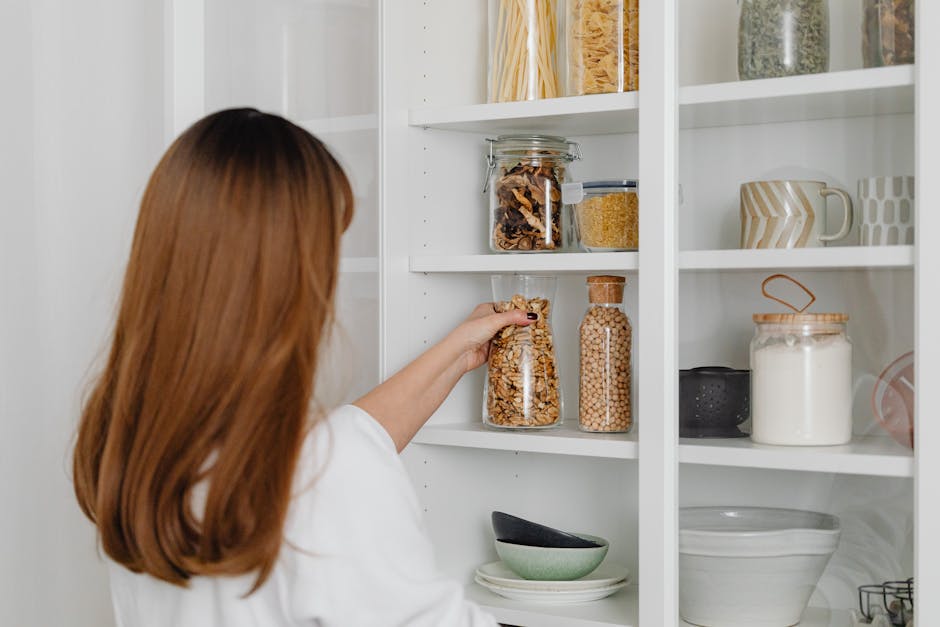
Imagine opening your kitchen pantry and finding everything you need right at your fingertips. No more digging through clutter or fumbling around for that elusive spice jar.
You deserve a pantry that works with you, not against you. Organizing your kitchen pantry can transform your cooking experience from stressful to seamless. When your pantry is well-organized, you save time, reduce waste, and make healthier choices. Are you ready to turn your pantry chaos into harmony?
Dive into this guide where you’ll discover simple steps to optimize every inch of your pantry. Say goodbye to clutter and hello to a kitchen that sparks joy every time you cook. Your perfect pantry is just a few tips away!

Credit: food52.com
Assess Your Pantry Space
Assess Your Pantry Space Evaluate your pantry’s size and layout to maximize storage. Identify unused areas and consider adding shelves or baskets.
Assessing your pantry space is the first crucial step toward achieving a well-organized kitchen. Before diving into purchasing storage solutions or rearranging items, take a moment to evaluate what you’re working with. It’s surprising how a simple assessment can reveal overlooked opportunities for better organization.Measure Your Space
Begin with the basics: grab a tape measure and note the dimensions of your pantry. Knowing the exact height, width, and depth will guide you in selecting storage containers and shelving that fit perfectly. This ensures you utilize every inch without wasting space.Identify Problem Areas
Next, pinpoint areas that consistently cause clutter or confusion. Are cans stacked precariously? Do you struggle to find spices? Identifying these trouble spots helps you focus on solutions that address specific issues, making your pantry not just organized but functional.Consider Your Inventory
Take stock of what you store. Do you have an abundance of baking supplies? Is there a sea of snack items? Understanding the type and quantity of items in your pantry allows you to plan for adequate storage and easy access, ensuring you spend less time searching and more time cooking.Think About Accessibility
Reflect on how you use your pantry daily. Are you reaching for breakfast cereals every morning? Do you need quick access to cooking oils? Arrange frequently used items at eye level for easy access, while less-used items can be stored higher or lower.Visualize Your Ideal Setup
Imagine your dream pantry. What would it look like? Picture where everything should go for maximum efficiency. Visualizing your ideal setup can motivate you to make changes and gives you a clear goal to work towards.Get Input From Family
If others in your household use the pantry, their input can be invaluable. Ask them what frustrates them or what they’d like to see improved. Collaborating can lead to creative solutions and ensures the pantry works for everyone. By assessing your pantry space thoughtfully, you set the foundation for an organized and efficient kitchen. What small change could you make today to start transforming your pantry?Declutter And Clean
Organizing a kitchen pantry starts with decluttering and cleaning. This essential step creates space and ensures everything is fresh and usable. You’ll find it easier to organize once unnecessary items are gone. Begin by assessing what you have. Identify expired goods and items you never use. Dispose of them responsibly. A clean slate makes organizing a breeze.
Declutter Your Pantry
Begin by emptying shelves and drawers. Remove all items and place them on a table or counter. This helps you see everything clearly. Check expiration dates on food products. Toss anything expired or spoiled. Consider donating unexpired items you won’t use. It’s a great way to help others and clear space.
Clean Every Surface
With items removed, focus on cleaning. Wipe shelves with a damp cloth. Use a mild cleaner to remove stains and spills. Don’t forget about corners and edges. These spots often gather dust and crumbs. Clean drawers and bins too. A clean pantry keeps food fresh and prevents pests.
Organize Remaining Items
Once cleaned, it’s time to organize. Group similar items together. Place cans in one area. Snacks in another. Use baskets and bins for smaller items. Label containers for easy access. This helps maintain order and makes finding things quicker.
Categorize Food Items
Organize your kitchen pantry by grouping similar food items together. Place dry goods, snacks, and canned items on separate shelves. Use clear containers for easy visibility and access.
Organizing your kitchen pantry can be a game changer, not only for cooking efficiency but also for making meal planning a breeze. One effective approach is to categorize food items, ensuring everything is easily accessible and neatly arranged. Imagine having a pantry where you can effortlessly find what you need—sounds like a dream, right? Let’s delve into how categorizing can turn this dream into reality.Dry Goods
Dry goods often make up a significant portion of your pantry. These are items like pasta, rice, flour, and cereals. Storing them in clear containers can help you quickly identify what’s running low. Consider labeling the containers with both the item name and expiration date. This way, you avoid any surprises when whipping up your favorite dish. Have you ever started cooking only to realize you’re missing a key ingredient? Properly categorizing dry goods can prevent such mishaps.Canned And Jarred Foods
Canned and jarred foods are staples for quick meals. Group them by type—vegetables, fruits, and sauces—to streamline your cooking process. Organizing these items on a shelf with the labels facing outward can save you time. Stackable can racks are a great option for maximizing space. Have you ever played the game of ‘canned food Jenga,’ trying to pull out one item without toppling the rest? With a categorized system, those days are over.Snacks And Treats
Everyone loves a good snack, but digging through a cluttered pantry can be frustrating. Designate a specific area for snacks and treats, like chips, cookies, and nuts. This not only makes them easy to find but also helps manage portion control. Use baskets or bins to keep them contained and organized. Imagine the joy of finding your favorite snack without the hassle—sounds delightful, doesn’t it?Spices And Condiments
Spices and condiments can be tricky to organize due to their varying sizes and shapes. Consider using a spice rack or drawer organizer to keep them accessible. Group them by cuisine or usage frequency to make cooking a seamless experience. You might find that your culinary creativity flourishes when you can easily access your spices. Isn’t it inspiring to know that a simple organization strategy can elevate your cooking? Remember, a well-organized pantry is not just about tidiness; it’s about creating a space that enhances your cooking experience. Why not give categorizing a try and transform your pantry into a hub of efficiency?Storage Solutions
Effective storage solutions transform a chaotic pantry into a well-organized space. A clutter-free pantry saves time and reduces stress. Discover simple yet efficient methods to maximize your pantry’s potential. Clear containers, labels, baskets, and bins are essential tools. They provide structure, visibility, and accessibility, making your kitchen tasks smoother. Let’s explore these practical solutions.
Use Clear Containers
Clear containers offer instant visibility. No more guessing what’s inside. They help keep track of food supplies. Transparency aids in quick identification and access. Use airtight containers to preserve freshness. Stackable designs save space and keep items organized. Various sizes accommodate different pantry items. Store grains, pasta, and snacks with ease. A neat arrangement enhances aesthetic appeal.
Label Everything
Labels eliminate confusion in your pantry. They ensure each item is easy to find. Use simple tags for clarity. Identify expiration dates and contents at a glance. Labeling supports inventory management. It prevents unnecessary purchases and waste. Create a labeling system that suits your needs. Choose durable materials for long-lasting labels. Labels bring order to your pantry.
Utilize Baskets And Bins
Baskets and bins help categorize pantry items. Group similar products together. This simplifies retrieval and restocking. They create zones for different food types. Use bins for bulk items and snack packs. Baskets can hold fruits, vegetables, or baking supplies. Select sizes based on pantry dimensions. They maximize vertical space and reduce clutter. Baskets and bins streamline pantry organization.
Maximize Shelf Space
Maximize shelf space by grouping similar items together. Store frequently used products at eye level for easy access. Use clear containers to keep track of contents and maintain order in your kitchen pantry.
Maximizing shelf space in your kitchen pantry can transform it from a chaotic mess to an organized haven. It’s easy to overlook the potential of your pantry shelves, but with a few smart adjustments, you can create more room and make your pantry more functional. Are you ready to unlock the secrets of efficient storage?Adjustable Shelving
Adjustable shelving is a game changer for pantry organization. By customizing the height between shelves, you can fit items of various sizes without wasting any space. Consider the different types of items you store—tall cereal boxes, short canned goods, or medium-sized jars. Adjusting your shelves allows you to accommodate these items efficiently. Having adjustable shelves also gives you flexibility. When your storage needs change, simply rearrange your shelves to suit new items or different quantities.Use Of Door Space
Don’t overlook the potential of your pantry door. You can hang racks or pockets to store spices, condiments, or small snacks right on the door itself. This area is often underutilized, yet it can be ideal for easy access items. You’ll find yourself reaching for frequently used items without fumbling through the shelves. Maximizing door space can significantly free up shelf room for larger items, making your pantry a lot more organized and accessible.Stackable Storage Options
Stackable storage options are perfect for optimizing shelf space. These containers allow you to pile items vertically, utilizing the full height of your pantry shelves. Transparent containers are great because they let you see the contents at a glance, making it easy to find what you need. They also create a uniform look, reducing visual clutter and enhancing organization. Think about your pantry contents. Stackable containers can be used for pasta, rice, or baking supplies, keeping everything tidy and easy to access. Maximizing your pantry shelf space doesn’t have to be a daunting task. With some creative solutions, you can transform your pantry into an organized, efficient space that makes cooking and meal prep a breeze. What changes will you make today to reclaim your pantry space?
Credit: www.houseofharveyblog.com
Maintain Organization
Keeping your kitchen pantry organized saves time and reduces stress. A tidy pantry makes meal preparation smoother and more enjoyable. Consistent maintenance is key to sustaining order and functionality.
Regular Inventory Checks
Regularly check your pantry inventory. This helps prevent expired items from piling up. Set a schedule to go through your pantry every month. Remove items that are out of date or unused. This practice ensures everything is fresh and ready to use.
Restocking Strategies
Restocking your pantry efficiently is essential. Always have a list when shopping. Stick to it to avoid unnecessary purchases. Place new items behind older ones to use them first. This technique prevents waste and keeps your pantry organized.
Seasonal Organization Tips
Organize your pantry with seasonal changes in mind. Store summer items like barbecue sauces in easy-to-reach places during warm months. Shift them to the back during winter. This method keeps your pantry relevant and functional year-round. Rotate items based on seasonal needs to maximize space and accessibility.
Safety And Hygiene Tips
Organize your kitchen pantry by grouping similar items together. Use clear containers to see contents easily. Label shelves for quick access and maintain cleanliness by wiping surfaces regularly.
Organizing your kitchen pantry isn’t just about maximizing space and convenience. It’s also crucial to maintain safety and hygiene. A well-organized pantry can prevent foodborne illnesses and pest infestations. Let’s dive into some essential tips to ensure your pantry remains safe and hygienic.Pest Control Measures
Keeping pests out of your pantry is a top priority. Start by storing dry goods in airtight containers to deter ants, mice, and other critters. These containers not only keep food fresh but also make it harder for pests to invade. Regularly clean the pantry shelves and floors. A quick wipe-down with a vinegar solution can work wonders. Consider placing bay leaves or garlic cloves in corners as natural pest deterrents.Expiration Date Management
Keeping track of expiration dates can be tricky, but it’s essential for food safety. Arrange items by their expiration date, with the earliest dates at the front. This ensures you use products before they go bad. Consider maintaining a small notebook or using a smartphone app to log expiration dates. This way, you can easily check what’s nearing its end. It’s a small step that can prevent potential health risks.Proper Ventilation
Proper ventilation is often overlooked but is vital for maintaining food quality. Ensure your pantry has adequate air circulation to prevent mold and mildew. If your pantry doesn’t have a window, a small fan can help improve airflow. Check for any signs of moisture regularly. Moisture can lead to mold, which can spoil food and pose health risks. By ensuring good ventilation, you protect your food and your family. Is your pantry set up to be both safe and hygienic? Taking these steps can make a significant difference in your kitchen’s overall health and cleanliness.
Credit: m.youtube.com
Frequently Asked Questions
How Do I Categorize Pantry Items Efficiently?
To categorize pantry items efficiently, group similar items together. Use clear bins for visibility. Label shelves or containers to maintain organization. Regularly check expiration dates and remove expired items. This helps streamline cooking and shopping processes. Keeping an inventory list can also prevent over-purchasing.
What Containers Should I Use For Pantry Storage?
Use airtight containers to keep food fresh and pest-free. Opt for clear containers to easily identify contents. Stackable containers maximize space. Choose varying sizes for different items. Consider using baskets or bins for bulkier products. Label each container for easy identification and organization.
How Often Should I Clean My Pantry?
Clean your pantry every few months to maintain organization. Regular cleaning prevents pest infestations and keeps food fresh. Remove expired items and wipe down shelves. Adjust organization methods based on your needs. Frequent checks help in managing stock efficiently and preventing wastage.
What Pantry Organization Tools Are Essential?
Essential pantry organization tools include shelf risers, lazy Susans, and spice racks. Use bins and baskets for grouping items. Label makers help identify contents easily. Utilize over-the-door organizers for extra space. These tools aid in maximizing space and improving accessibility.
Conclusion
Organizing your kitchen pantry makes cooking much easier. A tidy pantry helps you find ingredients fast. It also reduces waste. Use clear containers and labels. Group similar items together. Keep frequently used items at eye level. Baskets can hold snacks or small items.
Rotate food to use older items first. A step-by-step plan makes organizing simple. Over time, maintain your system. Enjoy the benefits of an organized pantry. Cooking becomes more fun and less stressful. Your kitchen becomes a more welcoming space. Start organizing today and see the difference!