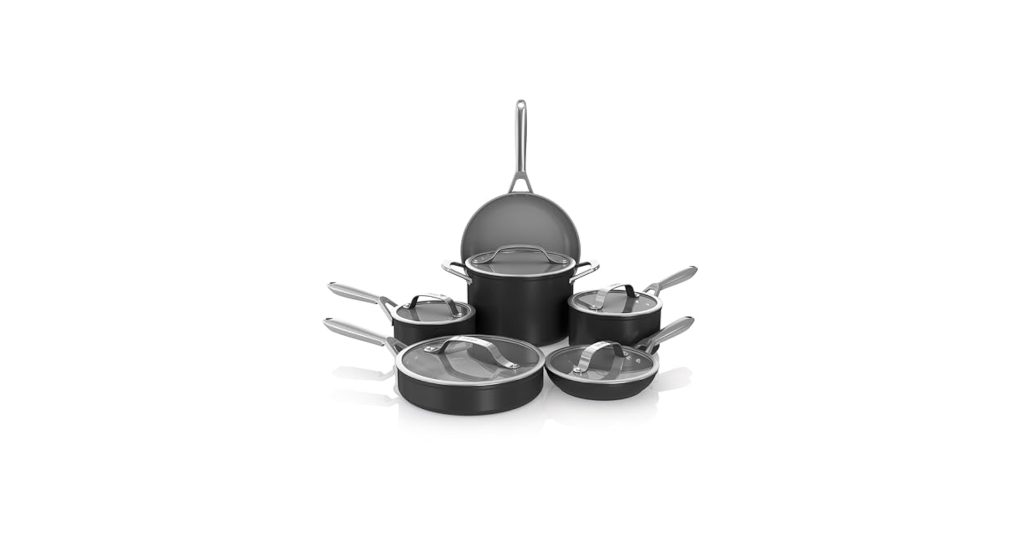
Imagine whipping up your favorite meal, confident that you’re using cookware that not only delivers exceptional results but also ensures your safety. As you explore various kitchenware options, you may find yourself asking: does Ninja cookware have Teflon?
This question is vital, especially if you’re concerned about the potential health risks associated with Teflon. You deserve cookware that enhances your culinary adventures while keeping your health in check. By diving into this article, you’ll uncover the truth about Ninja cookware and its materials.
Discover the benefits, possible drawbacks, and everything in between, making sure you’re well-equipped to make an informed decision. Get ready to transform your cooking experience with the right information. Keep reading to find out what lies beneath the surface of your cookware choice.
Ninja Cookware Overview
In the world of kitchen essentials, Ninja Cookware has emerged as a popular choice among home cooks and professional chefs alike. Known for its innovative designs and durable materials, Ninja Cookware offers a range of products that cater to various cooking needs. But does Ninja Cookware contain Teflon? Let’s dive into the specifics with a comprehensive overview of what Ninja Cookware brings to the table.
Ninja Cookware is crafted using high-quality materials to ensure longevity and optimal performance. You’ll find options like stainless steel, hard-anodized aluminum, and ceramic coatings. These materials are chosen for their ability to distribute heat evenly, reduce cooking times, and enhance flavors. The absence of traditional non-stick coatings like Teflon in many Ninja products offers peace of mind for those concerned about chemical exposure.
Non-stick Alternatives
If you’re looking for non-stick capabilities without Teflon, Ninja Cookware has you covered. The brand often utilizes ceramic coatings or proprietary blends to achieve a non-stick surface. These alternatives are not only effective but also eco-friendly, making them a great choice for health-conscious individuals. Have you ever wondered how a ceramic pan fares against a Teflon-coated one in terms of longevity and performance?
Durability And Maintenance
Durability is a hallmark of Ninja Cookware, thanks to their robust construction. Cleaning is a breeze with their dishwasher-safe options, saving you time and effort. This is especially helpful if you’re juggling multiple tasks in the kitchen. Ever experienced the frustration of a pan losing its non-stick property after just a few uses? Ninja’s quality materials aim to eliminate that concern.
Consumer Experience
Customer reviews often highlight the ease and efficiency of cooking with Ninja products. Users appreciate the even heat distribution and the versatility of the cookware. This makes it suitable for various cooking styles, whether you’re sautéing vegetables or searing meats. What’s your favorite dish to cook, and how does your choice of cookware impact the outcome?
Conclusion On Teflon Usage
Ninja Cookware provides a range of options that steer clear of traditional Teflon coatings. By offering alternative solutions, they cater to those who prioritize health and safety in their kitchen. If you’re considering upgrading your cookware, Ninja’s offerings might be worth exploring for their innovative and reliable design. Do you feel confident in choosing a brand that aligns with your health priorities?
What Is Teflon?
Have you ever wondered why food slides effortlessly off your pan? The magic behind this non-stick miracle is often Teflon, a name synonymous with convenience in the kitchen. But what exactly is Teflon, and why is it such a household staple? Understanding Teflon can help you make informed decisions about your cookware.
Teflon is a brand name for a chemical compound known as polytetrafluoroethylene (PTFE). It’s celebrated for its remarkable non-stick properties, making it a favorite choice for cookware manufacturers. PTFE is a synthetic polymer that repels almost everything, ensuring your omelets and pancakes glide out without a hitch.
Introduced in the 1940s, Teflon revolutionized cooking by minimizing the hassle of scrubbing pans. Imagine preparing a family breakfast without worrying about stuck-on food residues. But there’s more to Teflon than meets the eye.
While Teflon offers the convenience of easy cleaning, it has raised some health and environmental concerns. As it heats, it can release fumes that might be harmful if inhaled. This begs the question: how safe is your cookware? Understanding the implications of using Teflon-coated pans can be crucial for your kitchen safety.
When choosing cookware, consider your cooking habits and preferences. If you’re a fan of quick meals with minimal cleanup, Teflon might be your go-to. But if you prioritize health and sustainability, exploring alternatives could be worthwhile.
Does your cookware have Teflon? It’s a question worth pondering as you assess the tools in your kitchen arsenal. Knowing the ins and outs of Teflon empowers you to make choices that align with your culinary values and lifestyle. Would you opt for convenience or safety?
Teflon In Cookware
Ninja Cookware often features non-stick coatings, raising questions about Teflon use. Many Ninja pans utilize PTFE, which is similar to Teflon, ensuring easy cooking and cleaning. Always check product details for specific material information.
Cooking is a delightful experience for many, and choosing the right cookware plays a crucial role in that experience. Teflon, a popular non-stick coating, has been a subject of many discussions over the years. When you think of non-stick cookware, Teflon often comes to mind, but what exactly is its role in your kitchen?History Of Teflon Use
Teflon has been a staple in cookware since the 1960s. Initially discovered in the 1930s, its non-stick properties quickly made it a favorite among home cooks. Back then, the ability to fry an egg without it sticking was a revolutionary kitchen innovation.Benefits Of Teflon Coating
Using Teflon-coated cookware can transform your cooking experience. The non-stick surface means you use less oil, making for healthier meals. Plus, cleaning up is a breeze, saving you time and effort.Health Concerns
Despite its benefits, Teflon has raised some health concerns over the years. When overheated, Teflon can release fumes that might be harmful. It’s crucial to use Teflon cookware at recommended temperatures to ensure safety. Have you ever wondered if your cookware is safe for your family? Understanding the materials used can make all the difference. Whether you’re a seasoned chef or a casual cook, being informed helps you make better choices.
Credit: www.amazon.de
Ninja Cookware Materials
Ninja cookware often uses non-stick coatings, but not all products contain Teflon. Check specific product details for clarity.
Ninja Cookware Materials Ninja cookware offers a range of materials suited for various cooking needs. Their designs focus on durability and performance. Understanding these materials helps in making informed purchase decisions.Nonstick Options
Ninja cookware uses nonstick coatings in many of its products. These coatings ensure easy food release and simple cleaning. Some items may incorporate PTFE, which is similar to Teflon. PTFE is a popular nonstick material known for its slick surface. It prevents food from sticking during cooking.Alternative Coatings Used
Besides PTFE, Ninja cookware uses other innovative coatings. Ceramic coatings are a popular alternative. They offer a nonstick experience without PTFE. Ceramic is known for its heat resistance and durability. It provides a smooth cooking surface and is often free of harmful chemicals. Ninja also explores hard-anodized aluminum. This material offers strength and even heat distribution. It combines a metal base with a protective layer. This layer resists scratches and corrosion, extending the cookware’s lifespan.Ninja Cookware And Teflon
Ninja Cookware often raises questions about Teflon use. Many of their products feature non-stick coatings free from Teflon. These coatings provide easy cooking and cleaning without using traditional Teflon materials.
Ninja Cookware and Teflon Ninja cookware is gaining popularity in kitchens worldwide for its sleek design and promise of durability. A common question among users is whether Ninja cookware contains Teflon. This is important because Teflon, known for its non-stick qualities, has faced scrutiny due to health concerns associated with its chemical composition.Official Statements
Ninja has made clear statements about the materials used in their cookware. According to the company, their products do not contain the controversial PFOA chemical, which is often associated with Teflon. However, it’s always good to check the labels and descriptions of specific products for peace of mind.Consumer Experiences
Many consumers have shared their experiences online, praising Ninja cookware for its non-stick capabilities without the need for Teflon. Users report that food slides off easily, and cleaning is a breeze, which adds to the overall cooking experience. Have you found Ninja cookware effective in your kitchen? Some users suggest that the non-stick quality holds up well over time, which is not always the case with traditional Teflon-coated cookware. When choosing your cookware, it’s essential to consider both the company’s claims and real-world experiences shared by other consumers.Comparing Ninja To Other Brands
When exploring kitchenware, Ninja stands out for its innovative approach. Many wonder about its nonstick surface and how it compares to other brands. Let’s delve into the specifics.
Nonstick Technology
Ninja cookware incorporates advanced nonstick technology. It often uses ceramic coatings that are free from traditional Teflon. This appeals to health-conscious consumers. Many other brands still rely on Teflon for their nonstick needs. This can pose health risks if overheated. Ninja’s ceramic alternative promises a safer cooking experience. It also provides excellent food release. Users often report easier cleaning and less residue.
Durability And Performance
Ninja cookware is known for its durability. Its construction often includes hard-anodized aluminum. This ensures a longer lifespan compared to some competitors. Many other brands may wear out faster due to less robust materials. Ninja’s performance in heat distribution is also noteworthy. It heats evenly, reducing the risk of hotspots. This makes cooking more predictable and enjoyable. Other brands might struggle with uneven heating. This can affect cooking results negatively.
Choosing The Right Cookware
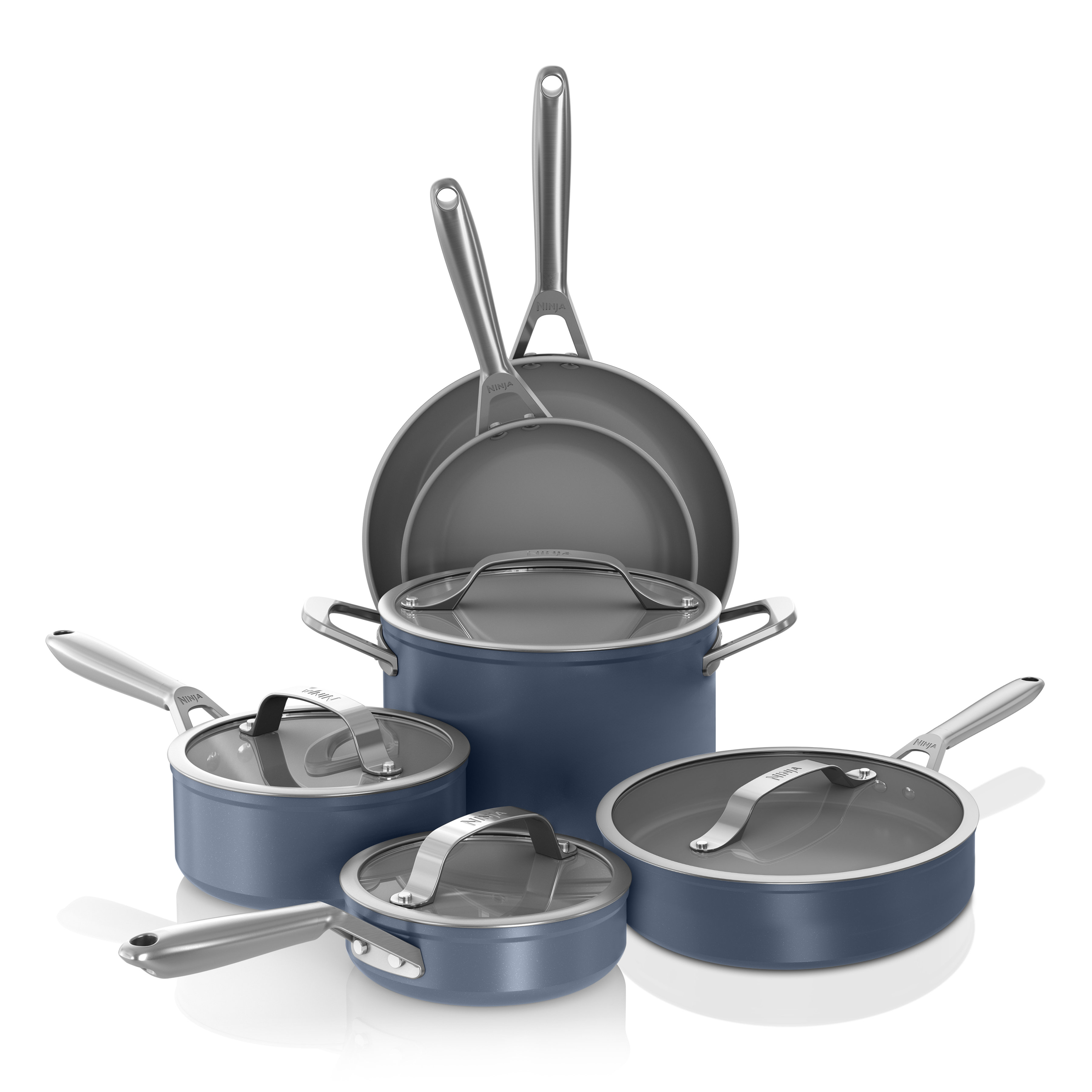
Choosing the right cookware is essential for every kitchen. It affects your cooking experience and meal quality. Ninja Cookware offers various options, but does it have Teflon? Let’s explore factors to consider and tips for safe use.
Factors To Consider
- Material:Understand the materials used in Ninja Cookware. Some use non-stick coatings, but not all have Teflon.
- Durability:Look for durable options that withstand frequent use. Consider stainless steel or ceramic for long-lasting use.
- Heat Distribution:Even heat distribution is crucial. It ensures your food cooks evenly.
- Compatibility:Ensure the cookware is compatible with your stove type. Check if it’s safe for induction, gas, or electric stoves.
Tips For Safe Use
- Temperature Control:Avoid using high heat with non-stick pans. It prolongs their lifespan.
- Utensils:Use wooden or silicone utensils. They prevent scratches on the coating.
- Cleaning:Hand wash with mild soap and a soft sponge. Avoid abrasive cleaners.
- Storage:Store properly to prevent damage. Stack with care or use pan protectors.
Credit: www.wayfair.com

Credit: www.facebook.com
Frequently Asked Questions
Is Ninja Cookware Free From Teflon?
Yes, Ninja Cookware is generally free from Teflon. They often use PTFE-free non-stick coatings. This ensures a safer cooking experience. Always check specific product details for confirmation.
What Materials Does Ninja Cookware Use?
Ninja Cookware uses high-quality materials like stainless steel and hard-anodized aluminum. These materials ensure durability and excellent heat distribution. Their non-stick surfaces are often PTFE-free for safer cooking.
Are Ninja Cookware Non-stick Coatings Safe?
Yes, Ninja Cookware’s non-stick coatings are safe. They are typically free from harmful chemicals like PFOA and PTFE. This makes them a safer choice for health-conscious consumers.
How Do I Care For Ninja Cookware?
To care for Ninja Cookware, use gentle cleaning methods. Avoid metal utensils to prevent scratching. Hand washing is recommended to maintain the non-stick surface. Following these tips will prolong the cookware’s lifespan.
Conclusion
Ninja cookware does not use Teflon coating. Instead, it offers ceramic options. These are known for durability and safety. Ceramic coatings resist scratches and maintain heat well. They provide a non-stick experience without harmful chemicals. Many users appreciate the balance between performance and health.
Choosing Ninja means selecting cookware with thoughtful design. Their products cater to modern cooking needs. Enjoy peace of mind with safer alternatives. Cooking becomes a healthier task. Ninja cookware combines style with practicality. Make informed choices for your kitchen. Consider your needs and preferences.
Your culinary journey deserves reliable tools.