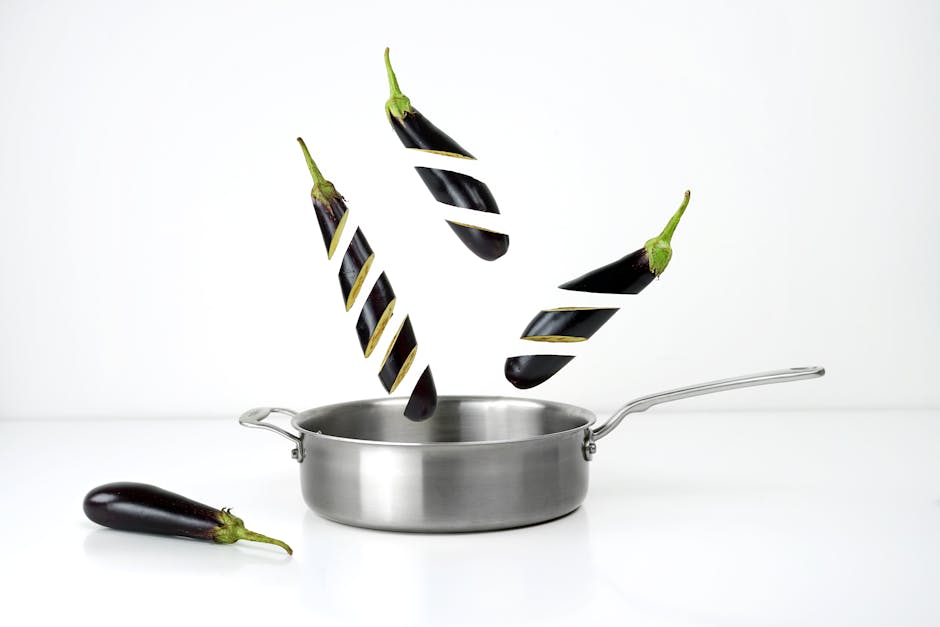
Have you ever found yourself frustrated in the kitchen because your delicious meals end up sticking to your stainless steel cookware? You’re not alone.
This common issue can turn a joyful cooking experience into a sticky mess, leaving you wondering if stainless steel is really the best choice for your kitchen. But don’t fret; understanding why food sticks and how you can prevent it will transform your cooking routine.
Imagine effortlessly flipping a perfectly cooked piece of fish or serving up crispy vegetables without a hitch. By the end of this article, you’ll know how to make your stainless steel cookware your best ally in the kitchen. Dive in to discover simple tips and tricks that will save you time, preserve your meals, and boost your confidence as a home chef. Your culinary success is just a few scrolls away!

Credit: www.youtube.com
Why Food Sticks To Stainless Steel
Food sticks to stainless steel cookware because of its porous surface. Uneven heating can also cause food to adhere. Proper oiling and preheating can reduce sticking.
Stainless steel cookware is a favorite in many kitchens due to its durability and sleek appearance. However, one common frustration many cooks face is food sticking to the surface. This can make cooking less enjoyable and cleanup a chore. But why does this happen?Understanding The Surface Of Stainless Steel
Stainless steel is non-porous, meaning it doesn’t have tiny holes or spaces. This is great for durability but can make it harder for food to release. Unlike non-stick pans, stainless steel doesn’t have a coating that helps food slide off easily.Temperature Control Is Key
If the pan is too cold, food is more likely to stick. Properly preheating the pan can help create a barrier between the food and the metal. A simple test is to drop a few water droplets on the surface—if they sizzle and evaporate quickly, the pan is ready.The Role Of Oil And Fat
Using the right amount of oil can make a difference. Too little, and the food will stick; too much, and it can affect the taste and texture of your dish. Ensure the oil is hot before adding your food to create a non-stick effect.Patience Is A Virtue
Allow your food to naturally release from the pan. For instance, when cooking chicken, let it cook undisturbed until it easily releases with a spatula. This indicates that a crust has formed, preventing sticking.Quality Of Stainless Steel Matters
Not all stainless steel cookware is created equal. High-quality options often have better heat distribution, reducing the chances of sticking. Investing in good cookware can save you frustration in the long run. Understanding these reasons helps you manage how you cook with stainless steel. Have you ever had an experience where food stuck to your pan? How did you handle it?Benefits Of Stainless Steel Cookware
Stainless steel cookware offers excellent durability and heat distribution. Food may stick if not used properly, but with correct techniques, cooking becomes easy. Preheating and using adequate oil can prevent sticking, ensuring enjoyable culinary experiences.
Stainless steel cookware offers many advantages for home cooks. It is durable, versatile, and looks great in any kitchen. This cookware is resistant to rust and stains, making it a long-lasting choice. Stainless steel helps retain heat evenly, ensuring perfect cooking results. It is also easy to clean, which saves time and effort.Durability And Longevity
Stainless steel cookware is known for its strength. It withstands high temperatures without warping. This means you can use it for many years. It is also scratch-resistant, maintaining its shine over time.Even Heat Distribution
Stainless steel ensures even cooking. It distributes heat uniformly across the surface. This prevents hot spots and uneven cooking. Your meals cook evenly, enhancing flavors.Easy Maintenance
Cleaning stainless steel is simple. It does not require special cleaners. A quick wash with soap and water is often enough. This saves time after cooking meals.Versatility In Cooking
You can use stainless steel cookware for many dishes. It is suitable for frying, boiling, and sautéing. This flexibility makes it a valuable kitchen tool.Non-reactive Surface
Stainless steel does not react with food. This means it does not alter flavors. It is ideal for cooking acidic dishes like tomato sauce.Professional Appearance
Stainless steel cookware has a sleek, modern look. It adds a professional touch to your kitchen. Its shiny surface remains attractive over time. These benefits make stainless steel cookware a popular choice among cooks. It combines functionality and style, enhancing your cooking experience.Cooking Techniques To Prevent Sticking
Using stainless steel cookware requires skill to prevent food from sticking. Properly preheating the pan helps create a non-stick surface. Adding oil or butter ensures smooth cooking and easy cleaning.
Cooking with stainless steel cookware can be a rewarding experience, but it often comes with a common challenge: food sticking to the pan. Mastering the right techniques can transform your cooking and make your stainless steel cookware a reliable kitchen ally. Let’s dive into some practical methods that can help prevent food from sticking.Preheating The Pan
Preheating your pan is a crucial step in preventing food from sticking. A well-heated pan creates a uniform cooking surface, allowing the food to sear instead of stick. To test if your pan is ready, sprinkle a few drops of water on the surface. If they sizzle and evaporate quickly, your pan is ready for cooking.Using The Right Amount Of Oil
The amount of oil you use can make a big difference. Too little, and your food will stick; too much, and you might end up with greasy results. A good rule of thumb is to add enough oil to coat the pan lightly. Swirl it around and let it heat up before adding your ingredients.Temperature Control
Maintaining the right temperature is key. Cooking at too high a heat can cause food to burn and stick, while too low a temperature might not provide the necessary sear. Aim for medium to medium-high heat, depending on what you’re cooking. Adjust the heat as needed to keep your food cooking evenly. Have you ever noticed how professional chefs seem to effortlessly glide their spatulas under food? They rely on these techniques to keep their dishes intact. With some practice, you can achieve the same results in your kitchen.
Credit: food52.com
Choosing The Right Oil
Choosing the right oil can help prevent food from sticking to stainless steel cookware. Opt for oils with high smoke points, like canola or vegetable oil, for better results. These oils create a non-stick layer, making cooking and cleaning easier.
Choosing the right oil can make a significant difference when cooking with stainless steel cookware. The type of oil you use not only influences the flavor of your dish but also plays a crucial role in preventing food from sticking. Oils have different smoke points, and selecting one that matches your cooking method is essential to achieving the best results.Understanding Smoke Points
Every oil has a smoke point—the temperature at which it starts to smoke and break down. This is vital information for any cook because using an oil that exceeds its smoke point can lead to food sticking and an unpleasant, burnt flavor. For high-heat cooking, such as searing or frying, choose oils with a high smoke point. Avocado oil and grapeseed oil are excellent options because they remain stable at high temperatures.Flavor Considerations
The flavor of the oil can also impact the final taste of your dish. If you’re making a stir-fry, a neutral oil like canola or vegetable oil may be your best bet, allowing the flavors of your ingredients to shine. On the other hand, if you’re sautéing vegetables or preparing a dressing, olive oil can add a delightful, rich flavor that complements many dishes.Personal Preferences And Dietary Needs
Your choice might also depend on personal preferences or dietary needs. If you’re following a specific diet, such as keto, you might prefer using coconut oil for its health benefits and unique flavor. It’s worth experimenting with different oils to find the ones that suit your taste and cooking style.Practical Tips For Using Oil
Once you’ve chosen the right oil, it’s important to use it correctly. Preheat your stainless steel pan before adding oil to create a non-stick effect. A good rule of thumb is to heat the pan until a drop of water sizzles and then add the oil. This ensures even distribution and minimizes the chance of your food sticking. By understanding your options and making informed choices, you can elevate your cooking experience with stainless steel cookware. What’s your favorite oil to use, and why? Share your thoughts in the comments!Proper Cleaning And Maintenance
Stainless steel cookware is a kitchen favorite, but food often sticks. Proper cleaning and maintenance prevent this issue. These techniques keep your cookware in top shape and ready for any recipe.
Avoiding Harsh Scrubbers
Choose gentle tools for cleaning. Harsh scrubbers can scratch the surface. Scratches trap food particles, making it harder to clean. Use soft sponges or cloths for daily cleaning. This preserves the cookware’s smooth finish and ensures easy food release.
Regular Polishing
Polishing keeps the cookware shiny and new. It also helps remove stubborn stains. Use a stainless steel cleaner or make a paste with baking soda and water. Apply it with a soft cloth, rubbing gently in circles. Regular polishing maintains the cookware’s appearance and functionality.
Common Mistakes To Avoid
Using high heat can cause food to stick to stainless steel cookware. Ensure the pan is hot before adding oil. Avoid overcrowding the pan to allow even cooking and prevent sticking.
Cooking with stainless steel cookware can be a great experience. It offers even heat distribution and durability. But many people face the issue of food sticking to the pan. This often results from common mistakes that can be easily avoided. Knowing these mistakes can help you enjoy a smoother cooking process.Preheating The Pan Incorrectly
Many cooks don’t preheat the pan properly. Stainless steel needs to be hot before adding food. This helps create a non-stick surface. To test the heat, sprinkle water on the pan. If the droplets sizzle and dance, it’s ready.Using The Wrong Oil Or Fat
The type of oil or fat matters. Some oils have low smoke points. They burn easily and cause sticking. Choose oils like canola or sunflower. These have higher smoke points.Adding Food Too Soon
Another mistake is adding food too early. Wait for the oil to shimmer before adding ingredients. This ensures proper cooking and reduces sticking.Overcrowding The Pan
People often put too much food in the pan. This lowers the temperature. It causes uneven cooking and sticking. Cook in batches to maintain heat.Using The Wrong Utensils
Metal utensils can scratch the surface. This increases the chance of food sticking. Use wooden or silicone utensils instead. They are gentle on the cookware.Not Cleaning Properly
Residue from previous meals can cause sticking. Clean your pan thoroughly after each use. Use warm water and mild detergent. Avoid abrasive sponges.Temperature Control Issues
Stainless steel retains heat well. Keep an eye on the flame. Adjust as needed to prevent burning. Lower the heat for delicate foods. Remember these tips to enjoy cooking with stainless steel. Your food will slide off easily, making cleanup a breeze.Alternative Cookware Options
When it comes to choosing cookware, stainless steel often tops the list due to its durability and versatility. However, some people find that food tends to stick to stainless steel surfaces. This can be a little frustrating, especially when you’re in the middle of cooking a delicious meal. If you’re in this boat, consider exploring alternative cookware options that might better suit your cooking needs.
Non-stick Cookware
Non-stick cookware is a popular choice for those who want to avoid food sticking to their pots and pans. The coating on these pans allows for easy food release, reducing the need for excessive oils or fats. Imagine effortlessly sliding a perfectly cooked omelet from the pan to your plate without any hassle. It’s a game-changer for quick and easy clean-ups.
However, it’s essential to handle non-stick pans with care. Using metal utensils can damage the coating, leading to decreased effectiveness over time. Opt for silicone or wooden utensils to prolong the life of your non-stick cookware. Think about how much easier your cooking routine could become with the right tools.
Cast Iron Alternatives
Cast iron cookware offers a unique set of benefits. While it requires a bit of maintenance, like seasoning, the payoff is worth it. Once seasoned, cast iron becomes naturally non-stick, making it a fantastic alternative to stainless steel. Do you remember the crispy texture of a perfectly seared steak? That’s what cast iron is great at achieving.
Additionally, cast iron provides excellent heat retention, making it perfect for slow-cooked dishes. Its durability allows you to use it both on the stove and in the oven. Though heavier than other options, the versatility and flavor enhancement it provides might just be what you’re looking for. Could this be the secret to your best home-cooked meals yet?
Expert Tips For Using Stainless Steel
Stainless steel cookware is a favorite among home cooks and professional chefs alike. Its durability and sleek appearance make it a staple in many kitchens. However, using it effectively requires a few insider tips to prevent food from sticking, which is a common challenge. With the right techniques, you can transform your cooking experience and make the most out of your stainless steel pans.
Preheat Your Pan Properly
The secret to non-stick stainless steel is proper preheating. Before adding any oil, let the pan heat up for a few minutes on medium heat. A simple test: sprinkle a few drops of water on the pan; if they sizzle and evaporate quickly, your pan is ready.
Use The Right Amount Of Oil
Once preheated, it’s crucial to add the right amount of oil. Too much oil can lead to greasy food, while too little can cause sticking. Aim for a thin, even layer that covers the bottom of the pan. Swirl the oil around to ensure every inch of the surface is coated.
Temperature Control Is Key
Stainless steel is highly responsive to heat, meaning you need to adjust the temperature as you cook. Start with medium heat and increase or decrease as necessary. For delicate foods like fish or eggs, lower heat prevents sticking and ensures even cooking.
Avoid Overcrowding The Pan
Cooking too much food at once can lead to uneven heating and sticking. Ensure there’s enough space between items to allow heat to circulate properly. This tip also helps achieve a perfect sear or crust on meats and vegetables.
Clean Immediately After Use
Prevent food residue from sticking by cleaning your cookware immediately after use. Use warm water and a soft sponge to remove food particles before they harden. This simple habit keeps your stainless steel looking new and performing well.
Incorporating these expert tips can elevate your cooking experience and keep your stainless steel cookware in top shape. How will you use these techniques in your next culinary adventure?

Credit: www.carawayhome.com
Frequently Asked Questions
Why Does Food Stick To Stainless Steel Cookware?
Food sticks to stainless steel due to its smooth surface. Proper heating and oiling can minimize sticking. When the pan is not hot enough, proteins bond to the surface. Preheating the pan and using oil create a barrier, reducing sticking and ensuring better cooking results.
How To Prevent Sticking In Stainless Steel Pans?
Prevent sticking by preheating the pan properly. Add oil after heating and wait until it’s shimmering. This creates a barrier between food and the surface. Avoid using low-quality oils and ensure even heating. Proper techniques enhance cooking and reduce food sticking.
Can Stainless Steel Cookware Be Non-stick?
Stainless steel is not inherently non-stick. However, with proper use, it can mimic non-stick properties. Preheating and oiling are key steps. High-quality pans distribute heat evenly, minimizing food adherence. Regular practice and care turn stainless steel into efficient cookware.
Is Stainless Steel Better Than Non-stick Cookware?
Stainless steel offers durability and high heat resistance. It’s ideal for searing and browning. Non-stick pans are easier for delicate foods. Stainless steel requires more care to prevent sticking. Choosing between them depends on cooking needs and preferences.
Conclusion
Stainless steel cookware can indeed cause food to stick. Proper techniques help minimize this issue. Preheat your pan before adding oil. Let the oil heat up. Then add your food. These steps reduce sticking. Using the right amount of oil is crucial too.
Cooking at the right temperature matters. Practice patience when flipping food. Consider using a non-stick alternative for sticky foods. Regular cleaning maintains your cookware’s performance. Stainless steel offers many benefits. It’s durable and versatile. With care, you can enjoy cooking without constant sticking troubles.