
Have you ever stood in the cookware aisle, wondering if the ceramic pots and pans you’re eyeing contain Teflon? You’re not alone.
The world of cookware can be confusing, especially with the variety of options available. As someone who cares about what goes into your food and how it’s prepared, understanding your cookware is crucial. Imagine cooking with peace of mind, knowing exactly what you’re using.
Dive into this article to uncover the truth about ceramic cookware and Teflon, and make informed choices for your kitchen. Your culinary confidence starts here.
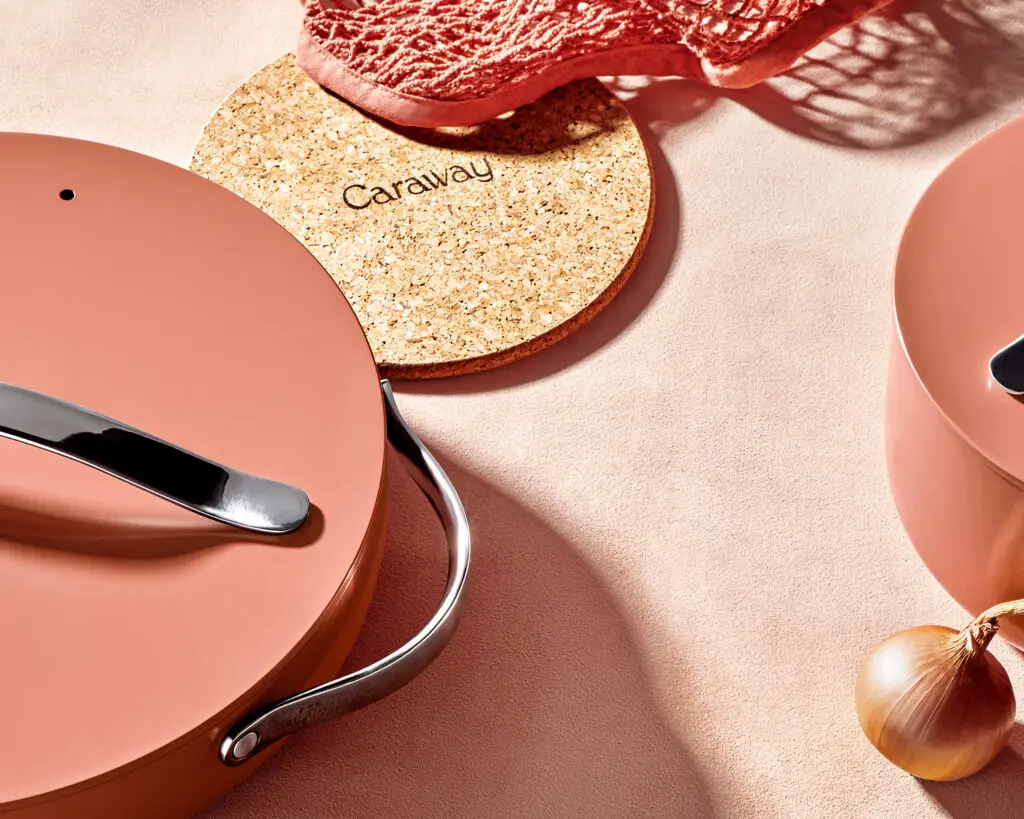
Credit: www.carawayhome.com
Ceramic Cookware Basics
Ceramic cookware has become a staple in many kitchens, celebrated for its non-stick properties and sleek appearance. But what really sets it apart? Understanding the basics of ceramic cookware can help you make informed decisions for your culinary adventures. Let’s dive into what makes ceramic cookware unique and explore the materials that make it a favorite among home cooks.
What Is Ceramic Cookware?
Ceramic cookware isn’t just about aesthetics. It’s a type of cookware made from clay that has been hardened by fire. The surface is often coated with a ceramic glaze, which provides a non-stick finish.
This type of cookware is known for even heat distribution, making it ideal for cooking delicate dishes. Its non-reactive nature ensures that your food retains its true flavor, without any metallic taste.
Have you ever wondered why your omelet slides out perfectly from a ceramic pan? That’s the magic of its non-stick glaze, allowing for easy cooking and cleaning.
Materials Used In Ceramic Cookware
The main component of ceramic cookware is clay. The clay is shaped and then fired at high temperatures to create a solid piece. This process gives the cookware its durability and strength.
The glaze on the surface is typically made from a blend of natural minerals. This glaze not only provides the non-stick feature but also adds a layer of protection against scratches and stains.
When shopping for ceramic cookware, always check for lead-free labels. Some older or cheaper ceramic glazes might contain harmful substances that can leach into food.
Considering ceramic cookware for your kitchen? Think about the benefits: a non-reactive surface, even heating, and a beautiful finish. But always ensure you’re getting a safe, high-quality product. What features matter most to you in cookware?

Credit: www.facebook.com
Teflon And Its Applications
Teflon is a name you’ve likely heard if you’ve ever shopped for cookware. Known for its exceptional non-stick properties, Teflon has transformed the way we cook. But what exactly is Teflon, and how does it fit into the world of cookware? Understanding its applications can help you make informed choices in your kitchen.
Understanding Teflon Coating
Teflon is a brand name for a synthetic polymer called polytetrafluoroethylene (PTFE). This coating is applied to cookware to prevent food from sticking. Imagine effortlessly sliding a perfectly cooked omelet onto your plate—Teflon makes it possible. But, have you ever wondered how it achieves this magic? The secret lies in its ability to create a slick surface, reducing the friction between your food and the pan. However, it’s crucial to use Teflon-coated pans correctly to maintain their effectiveness and longevity.
Common Uses Of Teflon In Cookware
Teflon is commonly used in various cookware items, such as frying pans, saucepans, and baking trays. These products benefit from Teflon’s non-stick properties, making cooking and cleaning easier. Have you ever tried cooking pancakes on a Teflon pan? The results are often flawless, without the worry of scraping stuck batter. While Teflon is ideal for low-fat cooking, it’s essential to be aware of its limitations, such as avoiding high heat to prevent damage.
Is Teflon the right choice for your kitchen? Consider how often you cook meals that require non-stick surfaces. The convenience it offers might outweigh the care required to keep it in top condition. Remember, understanding how Teflon fits into your culinary routine can enhance your cooking experience significantly.
Differences Between Ceramic And Teflon Cookware
Ceramic cookware does not contain Teflon. It’s crafted from natural materials, offering a non-stick surface without harmful chemicals. Teflon, on the other hand, is a synthetic polymer known for its non-stick properties but raises concerns due to potential toxic emissions at high temperatures.
Differences Between Ceramic and Teflon Cookware Ceramic and Teflon cookware each have unique benefits. Understanding their differences helps make informed choices. These two materials differ in several key areas.Non-stick Properties
Teflon is famous for its non-stick surface. Food slides easily without sticking. This makes cleaning simple and quick. Ceramic also offers non-stick qualities. But it achieves this through a natural coating. Over time, ceramic’s non-stick ability may diminish. Teflon maintains its non-stick feature longer if cared for correctly.Heat Resistance And Durability
Ceramic cookware withstands high temperatures well. It’s ideal for searing and browning. Teflon, on the other hand, can break down at high heat. So, it’s essential to use it at moderate temperatures. Ceramic cookware often lasts longer due to its sturdy build. Teflon can scratch easily if not used with care. Proper maintenance ensures both types last longer. Choose utensils that protect the surface.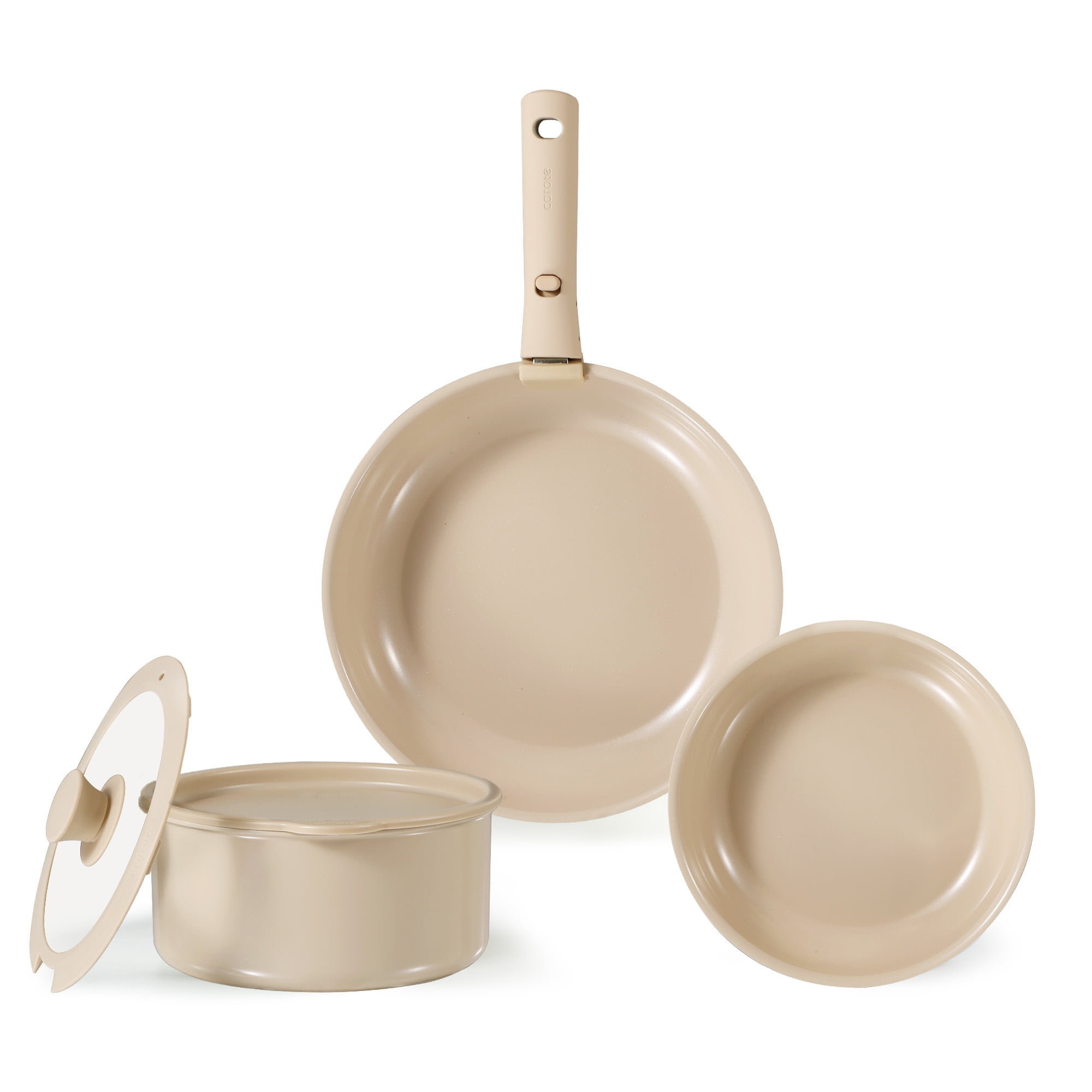
Credit: www.walmart.com
Health And Safety Considerations
Ceramic cookware typically doesn’t contain Teflon, offering a safer option for cooking. It provides a non-stick surface without harmful chemicals. Ideal for those concerned about health and safety in the kitchen.
Health and safety are crucial when selecting cookware. Many people question if ceramic cookware contains Teflon. Understanding the health risks and benefits can guide you in making safer choices for your kitchen.Potential Health Risks Of Teflon
Teflon is a popular non-stick coating. It can release harmful fumes when overheated. These fumes may cause flu-like symptoms in humans. Birds are even more sensitive to these fumes. Long-term exposure to Teflon fumes is concerning. Some studies link it to certain health issues. These include thyroid disorders and cancer. While not all experts agree, caution is advised.Benefits Of Using Ceramic Cookware
Ceramic cookware is free from Teflon. It offers a non-stick surface without harmful chemicals. This makes it a safer choice for daily cooking. Ceramic is also resistant to scratches and chips. It can withstand high temperatures without releasing toxins. Cleaning ceramic cookware is often easier. Food does not stick as much, reducing the need for harsh scrubbing. The durability and safety of ceramic make it a preferred option for many families.Market Trends In Cookware
Ceramic cookware does not contain Teflon, making it a popular choice for health-conscious cooks. Its non-stick surface is achieved through a natural mineral coating, offering a safer alternative for everyday cooking needs.
The cookware market has evolved significantly over recent years, driven by changing consumer preferences and a growing awareness of environmental issues. As people become more health-conscious, they are scrutinizing every aspect of their kitchen tools, including whether ceramic cookware contains Teflon. This shift has sparked new trends and innovations in the industry, with manufacturers continually adapting to meet consumer demands.Consumer Preferences
Today’s consumers are more informed than ever, often checking product labels and researching materials before making a purchase. Many are opting for ceramic cookware because it’s perceived as a safer alternative, free from harmful chemicals like PTFE and PFOA found in Teflon-coated products. But have you considered how your cookware choice reflects your lifestyle and values? Many people are choosing ceramic not just for health reasons but also for its aesthetic appeal and ease of use. Its vibrant colors and sleek designs add a touch of elegance to any kitchen.Environmental Impact
The environmental impact of cookware is a growing concern. Ceramic cookware is gaining popularity partly due to its eco-friendly nature. Unlike some non-stick coatings, ceramic is made from natural materials and is often more biodegradable. Have you thought about how your cookware affects the planet? By choosing ceramic, you contribute to reducing pollution and waste. This choice supports manufacturers who prioritize sustainable practices, ultimately promoting a healthier planet.Choosing The Right Cookware
Your kitchen is a reflection of your culinary style, and choosing the right cookware is crucial in crafting delicious meals. Ceramic cookware is gaining popularity due to its non-stick properties and aesthetic appeal. But does ceramic cookware contain Teflon? Understanding the composition and features of ceramic cookware can guide you in making informed choices.
Factors To Consider
- Material Composition:Check if the ceramic cookware is 100% ceramic or has a ceramic coating. Pure ceramic is Teflon-free, whereas a ceramic coating might be applied over other materials.
- Safety Certifications:Look for certifications that confirm the cookware is free from harmful chemicals like PTFE and PFOA, commonly found in Teflon.
- Heat Distribution:Ceramic cookware should distribute heat evenly to prevent hot spots, ensuring your food cooks uniformly.
- Durability:Consider the resilience of the cookware to scratches and chips, which can affect its longevity and performance.
When choosing ceramic cookware, think about your cooking habits. Do you often cook at high temperatures, or do you prefer slow cooking? These preferences will influence your choice.
Tips For Buying Ceramic Cookware
- Read Reviews:Customer reviews can offer insights into the actual performance and satisfaction level of the cookware.
- Test the Weight:A heavy ceramic pan might indicate sturdiness, but ensure it’s comfortable for you to handle.
- Inspect the Surface:A smooth, flawless surface signifies quality and will enhance the non-stick performance.
- Seek Warranty:A warranty can be a safety net, indicating the manufacturer’s confidence in their product.
Have you ever bought cookware only to realize it didn’t meet your needs? This is a common experience, but by focusing on these tips, you can avoid buyer’s remorse.
Choosing the right ceramic cookware involves considering your specific cooking requirements and preferences. Investing a bit of time in understanding the features can lead to more enjoyable and successful cooking experiences.
Frequently Asked Questions
Is Ceramic Cookware Free Of Teflon?
Yes, ceramic cookware is generally free of Teflon. Ceramic coatings are made from natural minerals, unlike Teflon, which is a brand name for PTFE. Ceramic is non-toxic and offers a non-stick surface without using synthetic chemicals. It’s a healthier alternative for those concerned about Teflon’s safety.
What Is Ceramic Cookware Made From?
Ceramic cookware is made from clay that is kiln-baked. The coating is typically a mix of natural minerals. This process creates a non-stick, durable surface. Unlike Teflon, ceramic does not use synthetic chemicals. It’s an eco-friendly option, ideal for healthy cooking.
Is Ceramic Cookware Safer Than Teflon?
Yes, ceramic cookware is considered safer than Teflon. It doesn’t release harmful fumes at high temperatures. Ceramic is free from PTFE and PFOA, chemicals found in Teflon. It’s a non-toxic alternative, making it a preferred choice for health-conscious cooks.
Can Ceramic Cookware Withstand High Heat?
Yes, ceramic cookware can withstand high heat. It’s designed to handle temperatures up to 500°F. Unlike Teflon, which can release fumes at high temperatures, ceramic remains stable. Always check the manufacturer’s guidelines for specific heat limits to ensure safety.
Conclusion
Ceramic cookware offers a great alternative to Teflon-coated options. It uses natural materials. This makes it a healthier choice. Many people prefer it for cooking without chemicals. Ceramic is durable and easy to clean. It heats evenly, ensuring well-cooked meals.
This type of cookware is also stylish. It fits well in most kitchens. Consider ceramic if you want non-stick benefits without Teflon. Always check product labels to ensure quality. Choose what best suits your cooking needs. Quality cookware makes a big difference.
Happy cooking with your new ceramic pans!