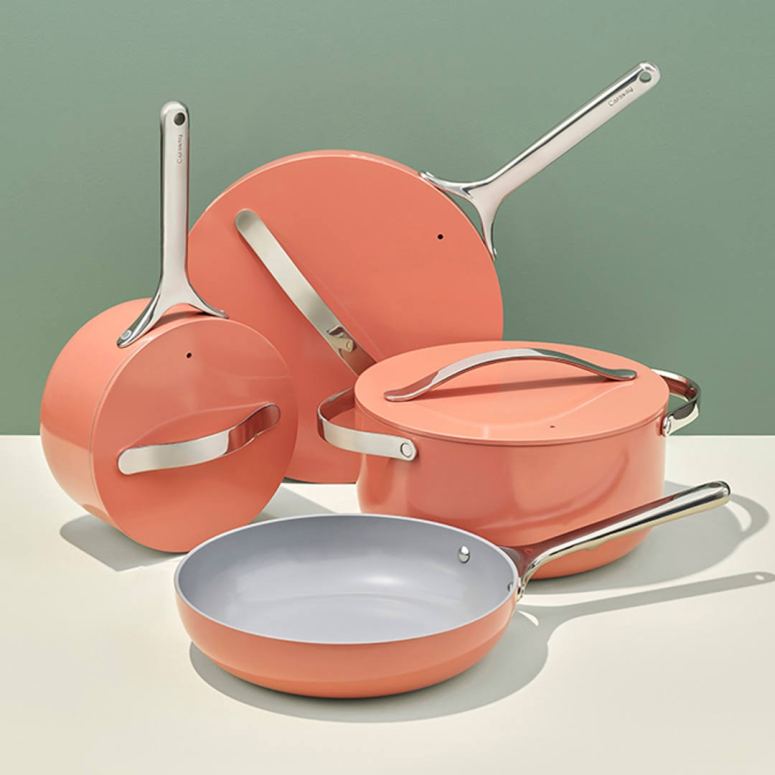
You care about what you cook your meals in. It’s not just about taste—it’s about health, safety, and peace of mind.
You’ve likely heard whispers about PFAS, those concerning chemicals that seem to pop up everywhere, from water supplies to household items. Now, you’re wondering: does ceramic cookware have PFAS? Imagine cooking your favorite dish, knowing that the cookware you’re using is safe and free from harmful chemicals.
This isn’t just a dream—it’s a choice you can make. By understanding what’s in your cookware, you can protect your health and that of your loved ones. We’ll dive into the truth about ceramic cookware and PFAS. We’ll explore what PFAS are, why they matter, and how ceramic cookware stands up in the test of safety. You deserve to cook with confidence, and by the end of this read, you’ll know exactly how to choose cookware that aligns with your values. Stay tuned, because your next cooking decision could be a game-changer.

Credit: www.amazon.sa
Ceramic Cookware Basics
Ceramic cookware has gained popularity for its non-stick properties and eco-friendly appeal. It’s a staple in many kitchens, praised for its health benefits. But what exactly is ceramic cookware made of? How is it manufactured? Let’s dive into the basics.
Material Composition
Ceramic cookware is crafted from natural materials. The primary component is clay, which is hardened and glazed. This glaze creates a non-stick surface. It is free from harmful chemicals like PTFE and PFOA. Unlike traditional non-stick pans, ceramic does not release toxins when heated. This makes it a safer choice for cooking.
Manufacturing Process
The manufacturing process of ceramic cookware is distinct. First, clay is molded into the desired shape. It is then fired at high temperatures. This hardens the clay and makes it durable. A ceramic coating is applied next. This coating is made from silica, which is derived from sand. The cookware is fired again to set the glaze. This process ensures a smooth, non-stick surface.
Ceramic cookware is often coated multiple times. This enhances its strength and longevity. The absence of synthetic chemicals in its production is a key advantage. It aligns with the growing demand for healthier cooking solutions.
Understanding Pfas
Understanding PFAS Ceramic cookware is generally free from PFAS chemicals. It is made from natural materials, offering a safe cooking option. Always check labels to ensure the cookware is truly PFAS-free.
Understanding PFAS Ceramic cookware is gaining popularity for its non-stick properties and eco-friendly appeal. Yet, a critical concern among consumers is whether these pots and pans contain PFAS, a group of chemicals with potential health risks. To make informed choices, it’s important to understand what PFAS are, their uses, and the health implications they might pose.What Are Pfas?
PFAS, or per- and polyfluoroalkyl substances, are synthetic chemicals found in various consumer products. They are known for their water and grease-resistant properties. These chemicals are incredibly persistent in the environment, earning them the nickname “forever chemicals.” The durability of PFAS makes them both useful and problematic. While they help products resist stains and water, they do not break down easily, leading to long-term environmental and health concerns.Common Uses Of Pfas
PFAS are used in a wide range of products. You might find them in non-stick cookware, waterproof clothing, and food packaging. They are also present in firefighting foams and some industrial applications. Their presence in everyday items raises questions about exposure. Do you ever wonder how many of your household items contain these chemicals? Checking labels and product information can be a simple first step in reducing exposure.Health Concerns Linked To Pfas
The potential health effects of PFAS exposure have prompted significant research. Some studies suggest links to health issues such as thyroid dysfunction, increased cholesterol levels, and certain cancers. Do these findings make you reconsider your kitchen choices? Opting for cookware labeled PFAS-free might be a precaution worth taking. Your health is paramount, and understanding these risks can guide safer decisions. As you navigate the world of cookware, keep these insights in mind. Choose wisely for your well-being and the environment.Ceramic Cookware And Pfas
Ceramic cookware is free from PFAS, making it a safer choice for health-conscious cooks. Unlike non-stick alternatives, ceramic offers a non-toxic surface without harmful chemicals. Choose ceramic for a natural and eco-friendly cooking experience.
Ceramic Cookware and PFAS Ceramic cookware is often praised for its non-toxic and eco-friendly characteristics. But with rising concerns over chemicals in kitchen items, many are questioning its safety. PFAS, or per- and polyfluoroalkyl substances, are synthetic chemicals found in various cookware, known for their persistence in the environment and potential health risks. Does ceramic cookware contain these substances? Let’s explore this topic and clear up any confusion.Pfas Presence In Cookware
PFAS are typically associated with non-stick coatings, like those found in Teflon cookware. These chemicals are notorious for their durability and resistance to heat, making them popular in many kitchen products. However, ceramic cookware is different. Unlike traditional non-stick options, ceramic doesn’t rely on synthetic coatings that often contain PFAS. If you’re worried about PFAS exposure, ceramic might be a safer option. Most ceramic cookware is made from natural materials and doesn’t include harmful chemicals, offering peace of mind in a world where PFAS are prevalent. Yet, it’s always wise to check product labels and certifications to ensure your cookware is truly PFAS-free.Testing For Pfas In Ceramics
You might wonder how you can be sure your ceramic cookware is free of PFAS. Testing for these substances requires specialized equipment and procedures. Manufacturers often test their products in labs to confirm their safety, providing certifications that verify their cookware is PFAS-free. As a consumer, look for these certifications when purchasing ceramic cookware. They can be a reliable indicator that the product has undergone thorough testing. You can also reach out to manufacturers for details on their testing processes and results, ensuring transparency and trust in their products.Comparing Ceramic To Other Cookware
How does ceramic stack up against other cookware materials regarding PFAS? Stainless steel and cast iron are also considered safe options, as they generally don’t contain PFAS. However, they don’t offer the non-stick qualities of ceramic, which can make cooking and cleaning easier. Aluminum cookware often has non-stick coatings that may contain PFAS. So, if you’re aiming to reduce your exposure, ceramic stands out as a practical choice. It combines the benefits of non-stick cooking without the risk of harmful chemicals, offering a balance between functionality and safety. Are you ready to make the switch to ceramic cookware? It could be a step toward a healthier kitchen environment, free from the hidden dangers of PFAS.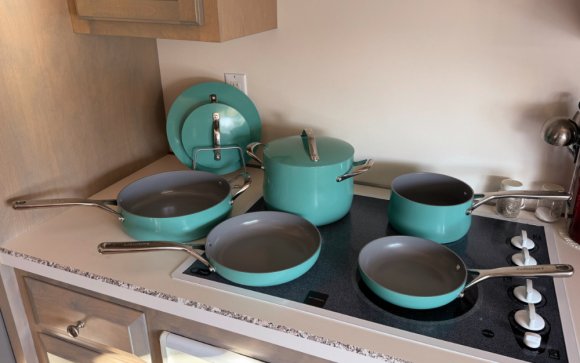
Credit: www.popsci.com
Evaluating Safety
Ceramic cookware is popular in modern kitchens. Its non-stick surface and elegant look attract many. But, safety concerns arise with potential PFAS presence. PFAS, or per- and polyfluoroalkyl substances, are chemicals found in some cookware. They raise health concerns due to their persistence in the environment. Evaluating safety in ceramic cookware is crucial for informed choices.
Expert Opinions
Experts often debate the safety of ceramic cookware. Many agree that ceramic coatings are generally PFAS-free. This makes them a safer choice than some alternatives. Yet, the quality of the ceramic coating matters. Poor quality coatings may contain harmful additives. Experts recommend checking product labels and manufacturer details. This ensures the cookware is free from unwanted chemicals.
Consumer Reports
Consumer reports provide valuable insights into cookware safety. Many consumers trust these reports for unbiased product reviews. Reports often test for harmful chemicals in cookware. They assess the durability and performance of ceramic coatings. Most ceramic cookware in these reports shows no PFAS presence. This is reassuring for health-conscious buyers. Consumers are encouraged to read these reports before purchasing.
Choosing Safe Cookware
Ceramic cookware is often free from PFAS chemicals, making it a safer choice. These pans use a non-toxic, mineral-based coating. Ideal for health-conscious cooks seeking peace of mind in their kitchen.
Choosing safe cookware is crucial for health-conscious individuals. Many people worry about harmful chemicals like PFAS in their pots and pans. Ceramic cookware is popular for its non-stick properties and stylish appearance. But concerns exist about its safety. It’s essential to know what to look for when selecting cookware that is free from toxins and safe for everyday use.Tips For Selecting Cookware
Consider the material. Choose options like stainless steel or cast iron. These materials are generally free from harmful chemicals. Look for trusted brands. Reliable companies often disclose their materials and manufacturing processes. Check for certifications. Labels such as “PFOA-free” or “lead-free” indicate safer choices.Alternatives To Ceramic Cookware
Stainless steel is durable and resistant to scratches. It doesn’t leach chemicals into food. Cast iron provides even heat distribution. It’s excellent for cooking at high temperatures. Glass cookware is non-reactive and safe for cooking. It’s ideal for baking and microwave use. Porcelain enamel is another option. It’s non-stick and easy to clean without harmful coatings.Future Of Cookware Safety
Exploring cookware safety involves understanding materials used in production. Ceramic cookware is known for being free from harmful PFAS chemicals. Its popularity is rising due to safer cooking practices and eco-friendly manufacturing.
The future of cookware safety is a growing concern for many households. Consumers are more aware of the materials in their cookware. They want to know what enters their food during cooking. Ceramic cookware is gaining attention for its safety features. Yet, questions about PFAS in these products remain. Understanding innovations and regulations can help ensure safer cookware choices.Innovations In Cookware
Cookware manufacturers are exploring new materials. These materials aim to offer safety without compromising quality. Ceramic coatings are popular for their non-stick properties. They are often free from harmful chemicals. Scientists are working on better formulations. The goal is to create products that don’t release toxins. Some companies are using advanced technology. This technology reduces the need for harmful additives. This makes cookware safer for everyday use.Regulations And Standards
Government agencies set standards for cookware safety. These standards help protect consumers from harmful substances. The focus is on reducing exposure to toxic chemicals. Manufacturers must comply with these regulations. This compliance ensures products are safe for public use. New policies are emerging. These policies address the presence of PFAS in cookware. Companies are urged to find alternative materials. These alternatives should meet safety standards. This encourages innovation in creating safer products.
Credit: livinginyellow.com
Frequently Asked Questions
What Are Pfas In Cookware?
PFAS, or per- and polyfluoroalkyl substances, are chemicals often used for non-stick properties in cookware. Ceramic cookware typically doesn’t contain PFAS, making it a safer choice. Ceramic is favored for its non-toxic nature and ability to cook evenly without releasing harmful substances into food.
Is Ceramic Cookware Pfas-free?
Yes, ceramic cookware is generally PFAS-free. Ceramic is made from natural materials and doesn’t require chemical coatings for non-stick properties. This makes it a healthier option compared to traditional non-stick pans, which may contain PFAS. Always check the manufacturer’s details to ensure quality.
How Does Ceramic Cookware Compare To Non-stick?
Ceramic cookware offers a non-toxic, PFAS-free alternative to traditional non-stick pans. While non-stick pans may release harmful chemicals, ceramic uses natural materials. Ceramic provides even cooking and is often more durable. It doesn’t require chemical coatings, making it a safer choice for health-conscious cooks.
Are There Health Benefits To Ceramic Cookware?
Yes, ceramic cookware can offer health benefits. It avoids harmful chemicals like PFAS found in non-stick pans. Ceramic is made from natural materials, ensuring your food is free from toxins. It provides even cooking and is easy to clean, making it a practical choice for healthy meals.
Conclusion
Ceramic cookware offers a safer cooking choice. PFAS-free, it ensures health benefits. Many consumers appreciate its non-stick surface. It’s also easy to clean. Ceramic cookware distributes heat evenly, enhancing cooking. This cookware is durable and stylish. It suits any kitchen style.
For eco-conscious cooks, it’s a favorable option. Always check labels when shopping. Ensure you’re buying genuine ceramic. Enjoy cooking with peace of mind. Your meals deserve the best. Choose wisely for your family’s health. Ceramic cookware stands out for its safety and convenience.
Make the switch today. Experience the difference in your kitchen.