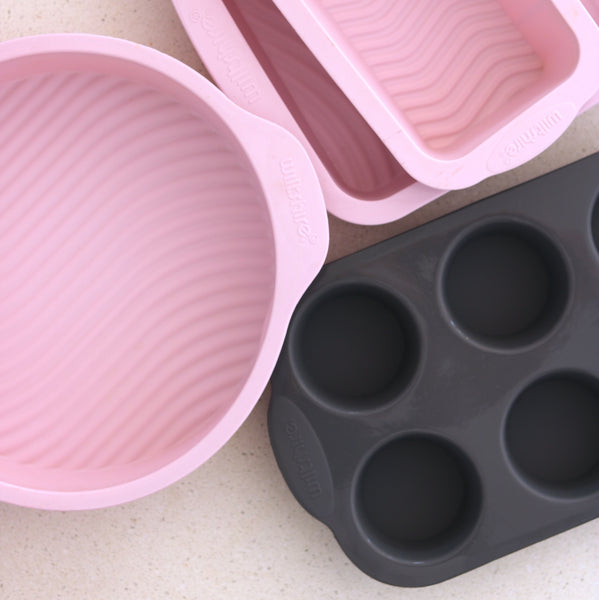
Have you ever wondered whether you should be spraying your silicone bakeware before baking? You’re not alone.
Many home bakers ask this question, aiming for the perfect bake without the hassle of sticking or uneven cooking. Silicone bakeware promises convenience and efficiency, but does it really deliver on its non-stick promise? This article explores whether reaching for that can of spray is necessary or if your silicone bakeware can truly stand on its own.
By the end, you’ll know exactly what steps to take for hassle-free baking. Get ready to uncover the secrets of silicone and elevate your baking game. Dive in to discover if spraying is a step you should be skipping or if it’s a hidden secret to perfect baking.
Credit: kitchenpluse.com
Benefits Of Silicone Bakeware
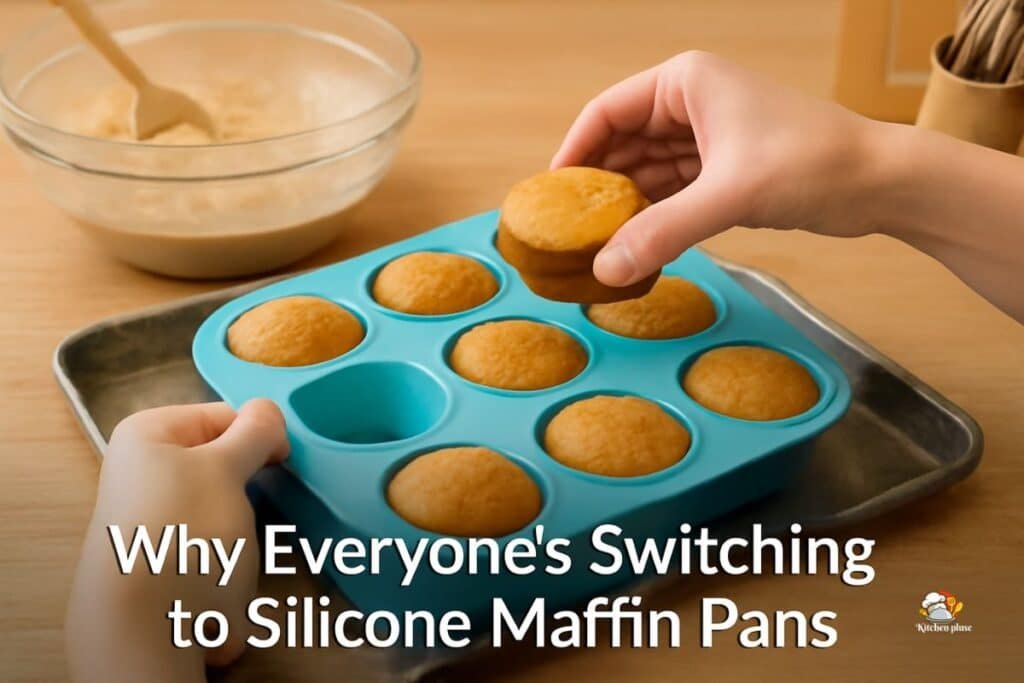
Curious about whether to spray silicone bakeware? Silicone bakeware is non-stick, flexible, and easy to clean. It often doesn’t need additional spray, making baking simpler and healthier.
Silicone bakeware offers numerous benefits that make baking a breeze. It’s flexible, durable, and easy to clean. This type of bakeware has become a favorite in many kitchens. Let’s explore why silicone bakeware is such a popular choice.Lightweight And Easy To Handle
Silicone bakeware is much lighter than metal pans. This makes it easy to handle. You can transfer it in and out of the oven with ease. Even kids can help in the kitchen safely.Non-stick Surface
The non-stick surface of silicone bakeware ensures easy release of baked goods. No more struggling to get your cake out of the pan. Enjoy perfect results every time.Heat And Cold Resistant
Silicone bakeware can withstand extreme temperatures. It can go from the freezer to the oven without a problem. This makes it versatile for various recipes.Easy To Clean
Cleaning silicone bakeware is a breeze. Its non-stick nature means less residue left behind. Most silicone items are dishwasher safe. This saves time in the kitchen.Safe And Non-toxic
Silicone is made from food-grade materials. It’s safe and non-toxic. It doesn’t leach chemicals into your food. This makes it a healthier choice for your family.Flexible And Space-saving
Silicone bakeware is flexible, allowing for easy storage. You can bend and store it without damaging its shape. It takes up less space in your cupboards.When To Use Cooking Spray
Silicone bakeware usually doesn’t need cooking spray. Its non-stick surface makes it easy to remove baked goods. Use cooking spray only for added assurance or when dealing with sticky ingredients.
When to use cooking spray can be a bit confusing with silicone bakeware. Silicone is known for its non-stick properties, making it a popular choice for bakers. But there are times when a little extra help from cooking spray can make a big difference.Preparing For Sticky Or Sugary Foods
Some foods are prone to sticking, even with silicone. Sticky candies or sweet treats may cling to the surface. A light spray can prevent this issue, ensuring a smooth release.Ensuring Even Baking
Cooking spray can help achieve even baking. It ensures heat is distributed evenly across the surface. This is especially useful for dense or heavy batters.Maintaining Bakeware Longevity
Over time, residue can build up on silicone bakeware. Occasional use of cooking spray can help maintain cleanliness. It prevents stubborn stains and keeps bakeware looking new.Facilitating Easy Cleanup
After baking, cleaning can be a hassle. Cooking spray simplifies this process. It helps remove remnants with ease, saving time and effort.Enhancing Flavor And Texture
A thin layer of cooking spray adds a slight crunch. It enhances flavor, especially for baked goods. This extra touch can elevate your baking results.Preventing Unwanted Sticking
Though silicone is non-stick, surprises happen. Cooking spray acts as insurance. It ensures your baked goods release perfectly every time. Using cooking spray with silicone bakeware is a strategic choice. It aids in baking, cleaning, and maintaining quality.Types Of Cooking Sprays
Cooking sprays come in various types, including vegetable oil, olive oil, and butter sprays. These sprays can be used on silicone bakeware to ensure easy release of baked goods. Silicone bakeware generally requires minimal spraying due to its non-stick properties.
Silicone bakeware has gained popularity for its flexibility and ease of use. To achieve the best results, choosing the right cooking spray is essential. Cooking sprays help ensure baked goods don’t stick, making cleanup easier. Let’s explore the different types of cooking sprays available.Oil-based Sprays
Oil-based sprays are widely used in kitchens. They offer a thin layer of oil that helps prevent sticking. Common oils in these sprays include canola, olive, and vegetable oil. They provide a subtle flavor to baked goods. These sprays are suitable for high-temperature baking. They can coat silicone bakeware evenly, creating a non-stick surface.Non-stick Sprays
Non-stick sprays contain a blend of oils and other agents. They are designed specifically to prevent food from sticking. These sprays often include lecithin, which enhances their effectiveness. Non-stick sprays are popular for their convenience. They cover the bakeware quickly with just a few pumps. Perfect for cakes and muffins that require a smooth release.Natural Alternatives
Natural alternatives appeal to those seeking chemical-free options. They include sprays made from coconut oil or avocado oil. These options are healthier and often organic. They provide a natural non-stick layer without added ingredients. Natural sprays are ideal for health-conscious bakers. They maintain the integrity of flavors in baked goods.Proper Application Techniques
Proper application techniques for silicone bakeware are key. Lightly spray the surface to ensure even baking and easy release. Avoid over-spraying, which can lead to a greasy build-up on the pan.
Proper Application Techniques Using silicone bakeware can make your baking experience a breeze, but applying spray correctly ensures even better results. Mastering the proper techniques can prevent sticking and enhance the appearance of your baked goods. Let’s dive into the essentials of spraying silicone bakeware to achieve that perfect finish every time.Spraying The Right Amount
Applying just the right amount of spray is crucial. Too little, and your baked goods may stick; too much, and you could end up with greasy results. A light mist is often sufficient to coat the surface without overdoing it. Imagine spraying a delicate perfume—just enough to cover, but not overwhelm.Covering The Entire Surface
Ensuring complete coverage is key to avoiding frustrating stickiness. Rotate the bakeware as you spray to reach every nook and cranny. Think of it as painting; you want a smooth and uniform layer. It might be tempting to rush, but taking a moment to ensure full coverage can save you from the hassle of scraping out stuck-on cake or cookies.Avoiding Over-spray
Over-spraying can lead to a mess and wasted product. Hold the spray bottle a few inches away for a controlled application. It’s similar to watering a plant; you want to nourish without drowning. What’s your experience with over-spray? By managing the spray distance, you ensure a clean and efficient coating, preserving your bakeware’s integrity.Cleaning And Maintenance
Silicone bakeware requires careful cleaning and maintenance. Spraying it lightly with cooking spray can prevent sticking. Avoid excessive oil to maintain its non-stick properties.
When it comes to silicone bakeware, cleaning and maintenance are essential for ensuring its longevity and performance. Silicone bakeware is loved for its non-stick properties and flexibility, but it still requires proper care. Understanding how to clean and maintain it not only preserves its quality but also ensures that your baked goods turn out perfectly every time. Let’s dive into some practical ways to keep your silicone bakeware in top condition.Removing Residue
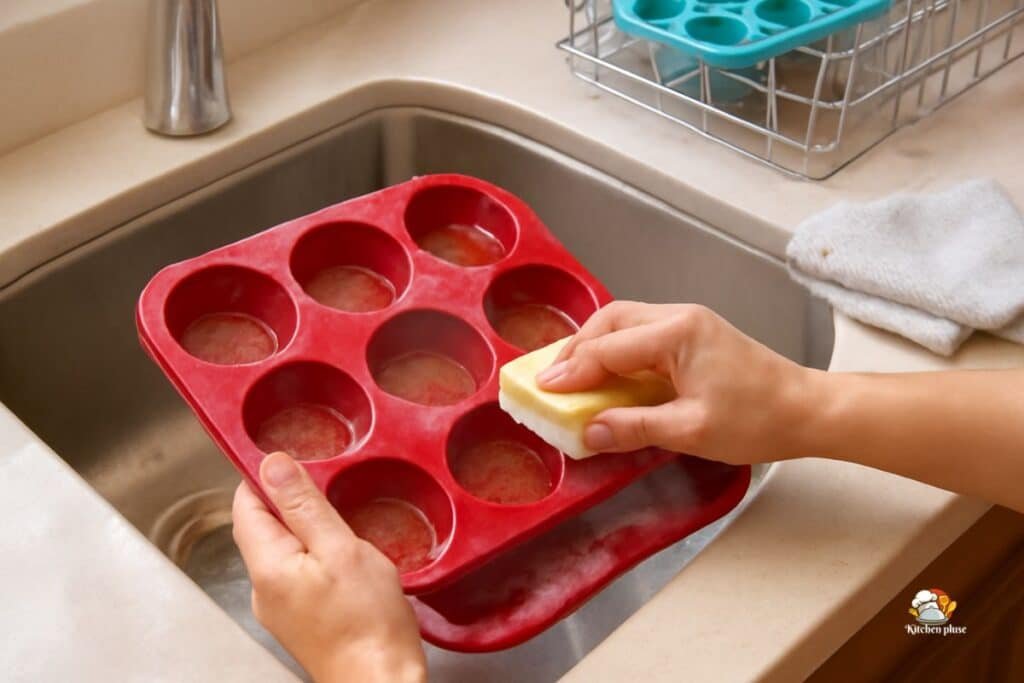
Even though silicone bakeware is non-stick, residue can sometimes build up after repeated use. To tackle this, start by soaking your bakeware in warm, soapy water for about 30 minutes. This loosens any stubborn bits stuck to the surface. Use a soft sponge or cloth to gently scrub the bakeware. Avoid using abrasive pads as they can damage the silicone. If there’s any lingering grease, a paste of baking soda and water can work wonders.Safe Cleaning Methods
The gentler you are with your bakeware, the longer it will last. Dishwasher-safe silicone can be conveniently cleaned on the top rack. However, hand washing is often the safest bet for maintaining its quality. Use mild dish soap and a soft cloth. Steer clear of harsh chemicals and strong detergents, which can degrade the silicone over time.Storing Silicone Bakeware
Proper storage is key to preserving the shape and functionality of your silicone bakeware. Always ensure it is completely dry before storing to prevent mold and mildew growth. You can stack silicone items to save space, but avoid placing heavy objects on top to prevent distortion. If storage space is tight, consider hanging them using hooks, making them easily accessible while saving space. Have you ever found your favorite cake sticking to the pan despite using silicone bakeware? It’s frustrating, but with these cleaning and maintenance tips, you can ensure your bakeware remains as effective as the day you bought it. How do you currently care for your silicone bakeware? Perhaps it’s time to refresh your routine for even better baking results.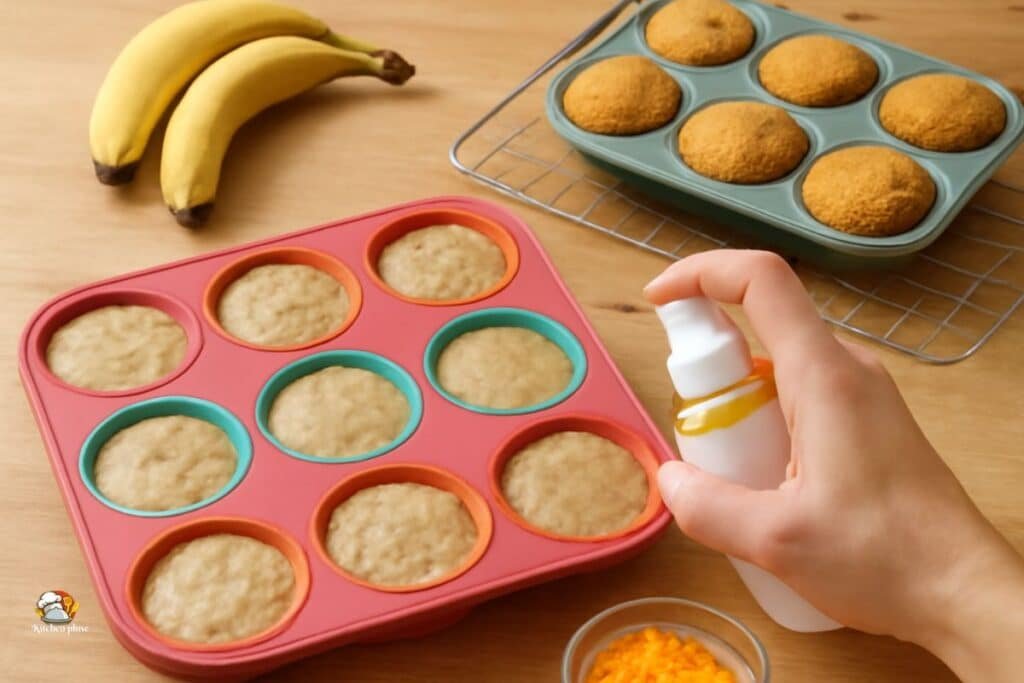
Credit: kitchenpluse.com
Common Mistakes To Avoid
Using silicone bakeware can be a game-changer in your kitchen, but it’s easy to make mistakes that can affect your baking results. Avoiding these common pitfalls will not only preserve your bakeware but also enhance your baking experience. Let’s dive into the most frequent mistakes people make when using silicone bakeware and how to steer clear of them.
Using Too Much Spray
Spraying too much oil onto your silicone bakeware might seem like a good idea, but it can actually lead to a sticky, greasy residue that’s tough to clean. Unlike traditional metal bakeware, silicone is naturally non-stick. A light mist is often more than enough to prevent sticking.
Consider whether you need spray at all. Many recipes, especially those high in fat, won’t need the extra lubrication that spray provides. Why not experiment with less spray and see if your muffins still pop out easily?
Ignoring Manufacturer Instructions
Every piece of bakeware is unique, and manufacturers provide specific instructions for a reason. Ignoring these guidelines can lead to damage or poor baking results. Always check the care instructions before using your silicone bakeware for the first time.
Are you aware of the temperature limits? Most silicone bakeware can handle heat up to a certain degree. Exceeding this can cause warping or even melting. Take a moment to ensure you’re using your bakeware correctly and it’ll last much longer.
Advantages Of Not Using Spray
Avoid using spray on silicone bakeware to maintain its non-stick properties. Sprays can create a sticky residue, affecting food quality. Silicone naturally releases baked goods easily, reducing the need for additional greasing.
Silicone bakeware is popular for its non-stick qualities. Many wonder if they should spray it. Surprisingly, there are benefits to not using spray. Let’s explore these advantages.Natural Non-stick Properties
Silicone bakeware has natural non-stick properties. This makes baking easier. Cakes and cookies slide out without much effort. Spraying can affect these natural qualities. It can create a sticky residue. This residue builds up over time. It can make cleaning harder. By not using spray, you maintain its natural ease of use.Environmental Considerations
Avoiding spray reduces environmental impact. Many sprays contain chemicals. These chemicals can harm the planet. Using silicone bakeware as it is, helps the environment. Less waste, less pollution. It’s a small step towards a greener kitchen. Plus, it’s better for your health too. Less exposure to unnecessary chemicals.Expert Tips For Baking Success
Silicone bakeware is popular for its flexibility and easy cleanup. Yet, ensuring perfect results requires some expert techniques. These tips will help you achieve baking success every time.
Prepping Your Bakeware
Start by cleaning the bakeware thoroughly. Even new silicone might have factory residues. A mild soap and warm water do the trick. Dry it completely to avoid unwanted moisture. Consider lightly greasing the silicone surface. Use a small amount of oil or non-stick spray. This can help prevent sticking, especially with sticky batters.
Temperature Considerations
Silicone bakeware can handle high temperatures. Check the manufacturer’s guidelines for the maximum limit. Preheat the oven before placing the bakeware inside. This ensures even cooking. Silicone doesn’t heat up as quickly as metal. Adjust baking times slightly to compensate. Avoid sudden temperature changes. This can warp the bakeware and affect results. Let it cool gradually before cleaning.
Credit: kitchenpluse.com
Frequently Asked Questions
Do You Need To Grease Silicone Bakeware?
Silicone bakeware usually doesn’t require greasing due to its non-stick nature. However, greasing can enhance the non-stick effect, especially for intricate designs. Using a light spray or brush can help in achieving perfect results.
Can Silicone Bakeware Go In The Oven?
Yes, silicone bakeware is oven-safe and can withstand temperatures up to 428°F (220°C). It’s ideal for baking cakes, muffins, and other treats. Always follow the manufacturer’s instructions for best results.
Is Silicone Bakeware Safe For Baking?
Silicone bakeware is safe for baking when used correctly. It doesn’t release harmful chemicals and is heat-resistant. Ensure it’s of high quality and avoid direct contact with open flames or heating elements.
How To Clean Silicone Bakeware Properly?
Cleaning silicone bakeware is simple. Use warm, soapy water and a soft sponge to remove residues. For stubborn stains, baking soda can be effective. Avoid abrasive cleaners to maintain its non-stick properties.
Conclusion
Silicone bakeware offers many benefits in the kitchen. It’s non-stick and easy to clean. But, spraying it with oil can help. It can prevent food from sticking. This makes your baking experience smoother. Some recipes might need extra grease. So, consider the type of food you’re cooking.
Experiment with spraying and non-spraying methods. Find what works best for you. Whether you spray or not, silicone bakeware remains a useful tool. Enjoy experimenting and happy baking!