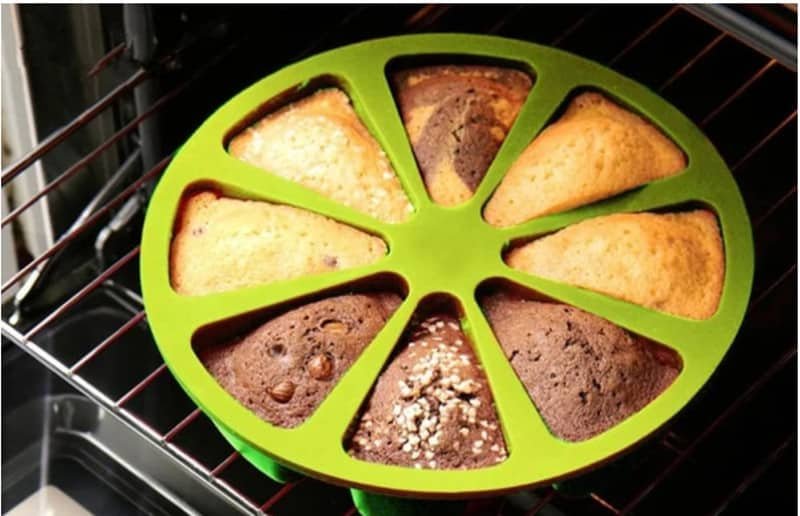
Imagine the excitement of baking your favorite dessert, only to pause at the crucial question: “Do you put silicone bakeware directly on the oven rack?” You’re not alone in wondering about this.
Silicone bakeware has become popular for its flexibility and non-stick properties, but the thought of placing it directly on the rack can leave you feeling uncertain. Your curiosity is justified, and understanding the best practices can make all the difference in your baking experience.
We’ll delve into the ins and outs of using silicone bakeware safely and effectively, ensuring that your creations turn out perfect every time. Stay with us as we uncover expert tips and insights that will boost your confidence and transform your baking skills.
Silicone Bakeware Basics
Silicone bakeware is a popular choice for many home bakers. It’s flexible and non-stick, making baking and cleaning easier. But understanding how to use it properly is crucial. Let’s explore the basics of silicone bakeware.
What Is Silicone Bakeware?
Silicone bakeware is made from food-grade silicone. It’s safe for cooking and baking. This material can withstand high temperatures. It doesn’t react with food or produce harmful fumes. Silicone bakeware comes in many shapes and sizes.
Advantages Of Using Silicone Bakeware
Silicone bakeware offers several benefits. It’s non-stick, so food releases easily. This means less greasing is needed. It’s flexible, allowing easy storage. You can fold or bend it without damage. It’s also lightweight and easy to handle.
Can Silicone Bakeware Go Directly On The Oven Rack?
Yes, you can place silicone bakeware directly on the oven rack. It won’t warp or melt under normal baking conditions. Ensure your silicone bakeware is sturdy. Some thin pieces might need a baking sheet for support.
How To Care For Silicone Bakeware
Proper care extends the life of your silicone bakeware. Hand wash with mild soap and water. Avoid abrasive cleaners or scouring pads. Store it flat or rolled, as it doesn’t hold shape memory. This keeps it ready for your next baking adventure.
Benefits Of Silicone Bakeware
Silicone bakeware can be placed directly on the oven rack, offering even heat distribution. Its flexibility ensures easy removal of baked goods. Additionally, silicone is non-stick, reducing the need for greasing and making cleanup simple.
Silicone bakeware has revolutionized home baking, offering numerous benefits that elevate your culinary creations. Whether you’re a seasoned baker or just starting, understanding the advantages of silicone bakeware can transform your experience in the kitchen. Let’s dive into the key benefits that make silicone bakeware a favorite among many.Non-stick Properties
Silicone bakeware is renowned for its non-stick surface, making it a breeze to release even the stickiest of batters. Have you ever struggled with cake sticking to the pan despite greasing and flouring? Silicone eliminates that hassle. You can bake with minimal oil or butter, helping you create healthier treats without compromising on taste. Additionally, cleaning silicone bakeware is a cinch. A simple rinse or wipe down is often all it takes, freeing up more time for you to enjoy your delicious creations.Temperature Resistance
One of the standout features of silicone bakeware is its exceptional temperature resistance. From the freezer to the oven, silicone can handle a wide range of temperatures without warping or melting. Imagine baking a perfect loaf of bread without worrying about your bakeware cracking under high heat. Silicone is safe up to about 500°F (260°C), so you can confidently place it directly on the oven rack. This durability ensures your bakeware lasts longer, providing great value for your investment.Flexibility And Storage
Silicone’s flexibility is a game-changer in the kitchen. Ever tried to fit your rigid metal pans into a crowded cupboard? Silicone molds easily bend and fit into tight spaces, making storage a breeze. They can be folded or stacked without losing their shape, perfect for those with limited storage. Plus, the flexibility aids in removing baked goods. You can gently peel away the mold to reveal beautifully shaped pastries or muffins. This adaptability not only saves space but also enhances your baking efficiency.Direct Placement On Oven Rack
Silicone bakeware can be placed directly on the oven rack. Its heat-resistant nature ensures safe baking. Always check the manufacturer’s guidelines for specific temperature limits.
Placing silicone bakeware directly on the oven rack might seem unconventional to some, but it has a variety of benefits and considerations worth exploring. Silicone bakeware’s flexibility and durability make it a popular choice for many home bakers. But does it really perform well when placed directly on the oven rack? Let’s dive into the specifics to help you make informed decisions in your baking endeavors.Pros And Cons
- Pros:Silicone bakeware is known for its non-stick surface, making it easy to release baked goods without the need for extra greasing. It also heats evenly, which can contribute to consistent baking results. Its flexibility allows for easy storage, as it can be folded or stacked without damage.
- Cons:On the downside, silicone bakeware can be flimsy, making it challenging to handle when filled with batter. You might need to place it on a baking sheet for added stability. Additionally, while silicone is heat-resistant, it’s crucial to ensure it does not come into contact with direct flames or heating elements, as this can cause damage.
Impact On Baking Results
Baking directly on the oven rack with silicone bakeware can influence your results. The direct heat exposure may lead to faster cooking times, which is great if you’re in a hurry. However, it also requires you to keep a close eye on your treats to prevent overbaking. Silicone’s ability to distribute heat evenly can enhance the texture of baked goods, providing a uniform rise and golden finish. Yet, some bakers find that silicone doesn’t brown the bottom as effectively as metal pans. This might require you to experiment with rack positions or baking times. Have you ever considered how the choice of bakeware affects your final product? By experimenting with silicone directly on the oven rack, you can discover new textures and flavors. Consider trying it with a simple muffin recipe and observe the difference. You might be pleasantly surprised by the results!
Credit: shop.kpkitchen.eu
Safety Considerations
Using silicone bakeware is popular due to its flexibility and non-stick features. But safety is crucial, especially when placing it directly on the oven rack. Understanding safety considerations ensures a smooth baking experience.
Heat Distribution
Silicone bakeware distributes heat evenly across the surface. This ensures food cooks uniformly. But the bakeware can warp if not placed correctly. Always ensure it sits flat to avoid uneven baking.
Risk Of Spillage
Silicone is flexible, which can lead to spills. Use a baking sheet under the bakeware for support. This prevents accidental spills and keeps your oven clean. Always handle silicone carefully, especially when filled with liquid or batter.
Alternative Placement Methods
Silicone bakeware is popular for its flexibility and non-stick properties. While it’s safe to place directly on oven racks, alternative placement methods can enhance baking results. These methods offer stability and ensure even heat distribution. Explore these techniques to maximize your baking success.
Using Baking Sheets
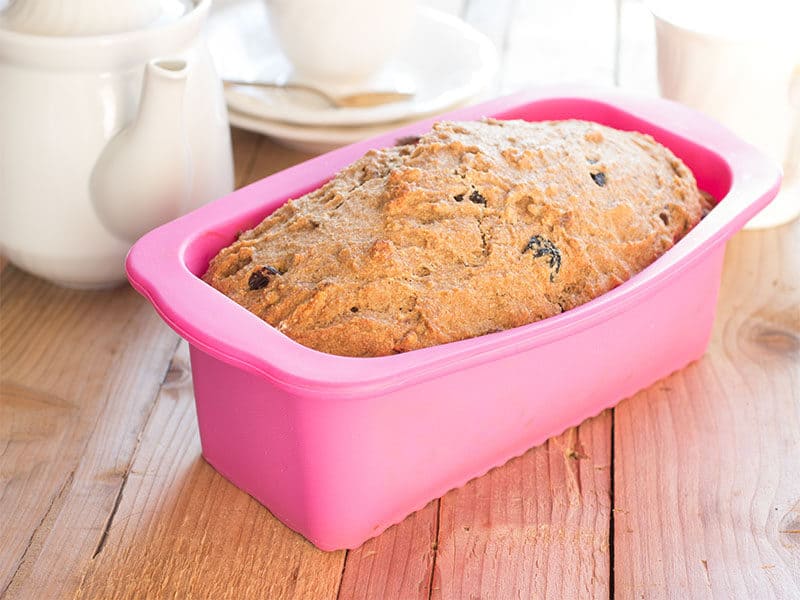
Place silicone bakeware on a baking sheet. This provides a sturdy base. It prevents sagging and keeps your bakeware level. Use a rimmed sheet for liquid batters. This catches any spills and avoids oven messes.
Baking sheets distribute heat evenly. This helps achieve consistent cooking results. They are perfect for cookies and muffins. You get uniform browning and perfect textures.
Combining With Metal Trays
Metal trays are excellent for supporting silicone bakeware. They offer rigidity and balance. This is crucial for delicate recipes. The tray maintains shape and prevents distortion.
Metal trays conduct heat effectively. This promotes thorough cooking. Your dishes will be evenly baked. They are ideal for intricate pastries and desserts.
Choose trays that fit your bakeware snugly. This ensures stability during baking. It’s a smart choice for complex recipes. You achieve professional results at home.
Credit: www.lacademie.com
Care And Maintenance
Silicone bakeware is safe to place directly on the oven rack. Its flexible design handles heat well, preventing damage. Regular checks ensure silicone remains in good condition and extends its lifespan.
Caring for silicone bakeware ensures it lasts longer and performs well. Proper maintenance keeps it clean, safe, and ready for the next baking session. Let’s explore some essential tips and recommendations.Cleaning Tips
Regular cleaning keeps your silicone bakeware in top shape. Start by allowing it to cool completely. Use warm, soapy water and a soft sponge to gently clean. Avoid abrasive cleaners or scouring pads. They can damage the silicone surface. For stubborn stains, a paste of baking soda and water works well. Rinse thoroughly and let it air dry. This prevents moisture buildup and mold.Storage Recommendations
Proper storage helps maintain the shape and condition of silicone bakeware. Store them flat or stack them carefully in a dry place. Avoid placing heavy objects on top. This can cause deformation. Keep them away from sharp objects. They could puncture the silicone. If space is an issue, roll them gently. Use a rubber band to secure. This saves space without causing damage.Common Mistakes To Avoid
Silicone bakeware offers convenience and versatility for baking enthusiasts. Despite its benefits, users often encounter mistakes that affect results. Avoid these common errors to ensure success with your silicone bakeware.
Overfilling The Mold
Overfilling molds is a frequent mistake with silicone bakeware. Silicone molds expand when baking, so leave some space. Fill the mold about two-thirds full. This prevents overflow and uneven cooking.
Overflowing batter can lead to a messy oven. Cleaning spills is time-consuming and frustrating. Prevent mess by measuring ingredients carefully. Use a measuring cup or spoon for precision.
Ignoring Temperature Limits
Silicone bakeware has temperature limits. Exceeding them can damage the bakeware. Most silicone molds withstand temperatures up to 428°F (220°C). Always check the manufacturer’s guidelines.
Ignoring these limits may cause warping or melting. This affects the integrity of the bakeware. To ensure durability, avoid placing silicone bakeware near direct heat sources. This includes broilers or open flames.

Credit: www.soupercubes.com
Expert Opinions
When it comes to using silicone bakeware, opinions vary. Some experts champion its ease of use and flexibility, while others offer cautionary advice. Let’s dive into what chefs and everyday users say about placing silicone bakeware directly on the oven rack.
Chef Recommendations
Many professional chefs appreciate silicone bakeware for its unique properties. Its non-stick surface makes it ideal for baking delicate items like pastries and muffins.
Chefs often advise placing silicone bakeware on a baking sheet rather than directly on the oven rack. This helps distribute heat evenly and prevents potential sagging.
Have you ever wondered why your cake doesn’t bake evenly? It could be the silicone’s flexibility. A baking sheet can provide the necessary support.
User Experiences
Home bakers often share mixed reviews about using silicone directly on the oven rack. Some love the convenience, while others note uneven baking.
Many users report successful baking when placing silicone directly on the rack, especially for items like cookies and pizza. The direct heat can enhance crispiness.
However, there are tales of spills and messes. Have you tried using a baking sheet for more stability? It might save you some cleanup time!
Frequently Asked Questions
Can Silicone Bakeware Go Directly On Oven Racks?
Yes, silicone bakeware can be placed directly on oven racks. It is heat-resistant and designed for oven use. Ensure the bakeware is stable and not overfilled to avoid spills. Silicone’s flexibility allows for even heat distribution, resulting in evenly baked goods.
Always check the manufacturer’s instructions for specific temperature limits.
Is Silicone Bakeware Safe For All Oven Types?
Silicone bakeware is generally safe for conventional and convection ovens. It can withstand temperatures typically up to 428°F (220°C). Always verify with the manufacturer’s guidelines for exact temperature limits. Avoid using silicone bakeware under a broiler or on direct flame, as it may degrade or melt.
How Do I Clean Silicone Bakeware After Use?
Cleaning silicone bakeware is easy. Let it cool before washing. Use warm, soapy water and a soft sponge. Avoid abrasive cleaners or scouring pads, as they can damage the surface. For stubborn residues, soak the bakeware in warm water before washing.
Ensure it is completely dry before storing.
Does Silicone Bakeware Affect Baking Time?
Silicone bakeware may slightly alter baking times due to its insulation properties. It can result in longer cooking times compared to metal pans. It’s important to monitor baking closely and adjust times as needed. Using a toothpick to test for doneness is a reliable method when baking with silicone.
Conclusion
Silicone bakeware offers great convenience in the kitchen. It’s safe on oven racks. Ensure it is clean and free from debris before use. Use a baking sheet for extra support if needed. Silicone’s flexibility makes it easy to handle and store.
It heats evenly, producing perfect bakes every time. This bakeware is durable and easy to clean. Always check manufacturer guidelines for specific instructions. Enjoy baking with ease and confidence. Silicone bakeware simplifies your cooking experience. Try it for hassle-free baking!