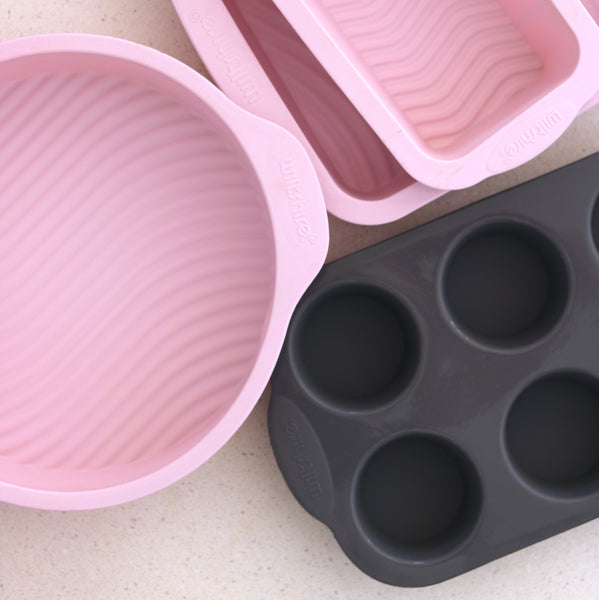
Have you ever found yourself standing in your kitchen, ready to whip up your favorite recipe, only to pause and wonder, “Do you have to grease silicone bakeware?” You’re not alone.
This question puzzles many home bakers and cooking enthusiasts. Silicone bakeware is hailed for its non-stick properties, but how much can you really trust it to perform without a bit of greasing? The answer might surprise you. Picture this: you pull your freshly baked cake from the oven, anticipating a perfect release, but instead, it stubbornly clings to the pan.
Frustration mounts as you realize that a little preparation could have prevented this mishap. Understanding the ins and outs of silicone bakeware can transform your baking experience from a guessing game into a smooth, predictable process. You’ll uncover the truth about greasing silicone bakeware. We’ll dive into why some recipes call for greasing and others don’t, helping you make informed decisions in your kitchen. Whether you’re a seasoned baker or just starting out, gaining clarity on this topic will not only save you time but also enhance your baking results. Keep reading to ensure your next bake is hassle-free and deliciously rewarding.
Silicone Bakeware Basics
Silicone bakeware has taken the kitchen world by storm, offering a colorful and flexible alternative to traditional metal or glass baking pans. But as you venture into this silicone realm, you might find yourself wondering about its nuances and whether it truly requires greasing. Understanding the basics of silicone bakeware can transform your baking experience, making it more enjoyable and efficient.
What Makes Silicone Bakeware Special?
Silicone bakeware stands out for its flexibility and non-stick surface. It’s designed to withstand extreme temperatures, allowing you to bake, freeze, and microwave without worry. The vibrant colors and varied shapes add a fun twist to your baking routine.
Unlike metal pans, silicone doesn’t rust or scratch, making it highly durable. Its pliability means it’s easy to store; you can bend and twist it to fit in tight spaces without damaging it.
Do You Need To Grease Silicone Bakeware?
Many enthusiasts claim that silicone bakeware is inherently non-stick, negating the need for greasing. However, some bakers swear by lightly greasing to ensure flawless food release. If you’ve ever had a stubborn cake stick to the pan, you know the frustration.
Testing your bakeware with a simple recipe, like muffins, can help you decide if greasing is necessary for your specific piece. Sometimes, a quick spritz of oil can make all the difference.
Personal Experience With Silicone Bakeware
When I first switched to silicone bakeware, I was amazed by the easy cleanup. There was no need to soak or scrub, just a simple wipe down. Yet, I did notice that certain recipes, particularly those with a sticky batter, performed better with a touch of grease.
One day, while baking brownies, I skipped greasing, thinking silicone’s magic would suffice. To my surprise, the brownies resisted release, teaching me that a little preparation goes a long way.
Practical Tips For Using Silicone Bakeware
- Consider greasing for recipes with high sugar content.
- Test with small batches to find what works best for your pan.
- Invest in high-quality silicone to avoid unwanted chemical odors.
Isn’t it fascinating how a simple tool can reshape your baking rituals? Next time you’re prepping your favorite dessert, think about the role your silicone bakeware plays. Is greasing the secret ingredient to your success? The choice is yours, and the possibilities are deliciously endless.
Characteristics Of Silicone
Silicone bakeware is known for its non-stick properties. Greasing isn’t always necessary, but it can help ensure easy release of baked goods. This versatile material is heat-resistant and flexible, making it a popular choice for bakers.
Silicone bakeware has become increasingly popular in kitchens worldwide, but what makes this material so special? Understanding the characteristics of silicone can help you get the most out of your baking experience. Silicone is known for its flexibility, heat resistance, and non-stick properties, making it a favorite among both amateur bakers and professionals.Flexibility And Storage
Silicone’s flexibility is a game-changer. Imagine trying to store your bulky metal baking pans—silicone can be folded or stacked without losing shape. This makes it perfect for kitchens with limited space. Plus, removing baked goods is a breeze since you can simply bend and twist the silicone to release your masterpiece.Heat Resistance
Ever worried about your bakeware melting in the oven? Silicone can withstand temperatures from -40°F to 446°F (-40°C to 230°C), perfect for baking or even freezing. Its high heat resistance means you can transfer it from the oven to the freezer without any damage. This characteristic ensures your bakeware lasts longer, saving you money in the long run.Non-stick Properties
Silicone’s natural non-stick feature is often highlighted, but does it really work? While many find that silicone bakeware releases cakes and muffins with ease, some recipes may require a little extra help. A light coating of oil or cooking spray can ensure perfect results every time.Durability And Longevity
How long do you expect your bakeware to last? Silicone is incredibly durable, resisting wear and tear from frequent use. It doesn’t crack or rust like metal pans, meaning you can rely on it for years. Investing in silicone bakeware is a smart choice for anyone looking to bake consistently over time.Safety And Health Benefits
Concerned about safety in the kitchen? Silicone is non-toxic, BPA-free, and doesn’t leach harmful chemicals into your food. It is also hypoallergenic, making it safe for everyone to use. These benefits make silicone a reliable choice for health-conscious bakers. In your baking journey, silicone can be a loyal companion. Have you tried silicone bakeware yet, and if so, how has it transformed your baking routine?Benefits Of Silicone Bakeware
Silicone bakeware offers non-stick properties, often eliminating the need for greasing. This makes baking simpler and reduces cleanup. Its flexibility allows easy release of baked goods, ensuring perfect shapes every time.
Silicone bakeware is increasingly becoming a favorite in kitchens around the world, and for good reason. It offers a variety of benefits that can transform your baking experience into something much smoother and enjoyable. Whether you are a novice baker or a seasoned pro, understanding these benefits might just be the key to elevating your culinary creations.Non-stick Properties
Silicone bakeware is renowned for its non-stick properties. You might find that greasing is often unnecessary, saving you both time and effort. Imagine the ease of removing your freshly baked cake without the fear of it sticking to the pan. This feature also means less mess and easier cleaning. You can say goodbye to the frustrating scrubbing of stubborn residues.Heat Resistance
Another impressive benefit is its exceptional heat resistance. Silicone can withstand temperatures that range from freezing to a hot oven, making it versatile for various cooking and baking needs. If you’ve ever worried about your bakeware warping in the oven, silicone puts those concerns to rest. You can confidently bake at high temperatures without compromising the integrity of your bakeware.Flexibility And Durability
Silicone’s flexibility is a game-changer. Its pliable nature allows for easy handling and storage. You can twist and bend it without worrying about breaking or damaging it. This flexibility also aids in the effortless removal of baked goods, preserving their shape and texture. Furthermore, silicone is remarkably durable. It doesn’t rust or stain, and is resistant to wear and tear. This longevity means you won’t have to replace your bakeware frequently, saving you money in the long run. Have you ever found yourself frustrated with bakeware that seems to degrade after just a few uses? Silicone might be the solution you’ve been looking for. Why not give silicone bakeware a try and see how it can simplify and enhance your baking adventures?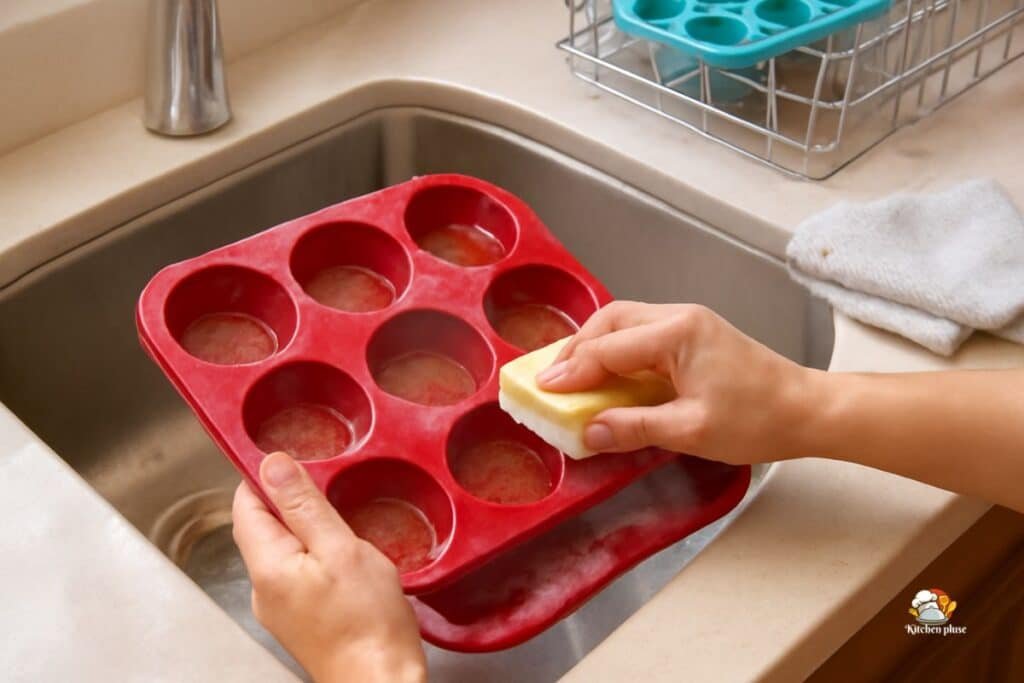
Credit: kitchenpluse.com
Greasing Silicone Bakeware
Silicone bakeware is popular for its non-stick properties and flexibility. Many wonder if greasing is necessary to ensure perfect baking results. Understanding when and how to grease silicone bakeware can make a difference in your culinary creations.
When Greasing Is Necessary
Greasing silicone bakeware is sometimes needed. For sticky recipes like muffins or quick breads, grease helps in easy release. Recipes with high sugar content can stick more, requiring extra care. Greasing is also useful for first-time use or older bakeware.
Types Of Grease To Use
Choosing the right grease ensures optimal results. Use vegetable oil, butter, or cooking spray for greasing silicone bakeware. Each type has its benefits. Vegetable oil is easy to apply, while butter adds flavor. Cooking spray offers convenience and even coverage.
Impact On Baking Results
Greasing silicone bakeware affects baking outcomes. Proper greasing prevents sticking, ensuring clean removal. It also helps achieve golden crusts on baked goods. Over-greasing can alter texture, causing unwanted oiliness. Balance is crucial for best results.
Expert Tips For Silicone Bakeware
Silicone bakeware is a favorite in many kitchens. Its flexibility and easy release properties make baking a breeze. Yet, understanding how to use it effectively can enhance your baking experience. Discover expert tips to maximize the potential of your silicone bakeware.
Preparing Silicone Bakeware
Before the first use, wash silicone bakeware with warm, soapy water. Rinse thoroughly to remove any residue from the manufacturing process. Dry it completely using a soft cloth. Lightly grease the bakeware for the first few uses. This step helps enhance its non-stick properties.
Cleaning And Maintenance
Clean silicone bakeware promptly after use. Use mild soap and warm water. Avoid abrasive cleaners that can damage the surface. A soft sponge or cloth works best. Ensure bakeware is completely dry before storing. Proper cleaning extends its lifespan and performance.
Enhancing Non-stick Performance
Though silicone is non-stick, greasing can improve results. Use a small amount of butter or oil. Spread it evenly with a brush or paper towel. This helps with stubborn recipes and ensures easy release. Periodically check for any residue buildup. Clean thoroughly to maintain its non-stick quality.
Credit: arinaphotography.com
Common Mistakes To Avoid
Silicone bakeware is popular for its non-stick properties. But many make mistakes while using it. These errors can affect your baking results. Let’s explore common mistakes to avoid with silicone bakeware.
Over-greasing
Many assume silicone needs lots of grease. But this can cause issues. Over-greasing can lead to greasy food. It also makes cleaning harder. A light spray or brushing is often enough. Check your recipe for specific needs. Avoid a heavy hand with oils or sprays.
Improper Cleaning
Proper cleaning is key to long-lasting bakeware. Some users fail to clean silicone properly. This can lead to residue buildup. Wash silicone with warm, soapy water. Rinse thoroughly to remove soap. Avoid abrasive scrubs which can damage the surface. Ensure bakeware is fully dry before storing. This prevents mold and unpleasant odors.

Credit: www.instagram.com
Frequently Asked Questions
Do Silicone Bakeware Need Greasing?
Silicone bakeware typically doesn’t need greasing due to its non-stick properties. However, lightly greasing can help release sticky foods and enhance results. Greasing is optional, depending on the recipe and preference. Always refer to specific recipe instructions for best practices.
Can I Use Oil On Silicone Bakeware?
Yes, you can use oil on silicone bakeware. A thin layer of oil can help improve non-stick performance. It’s particularly useful for sticky batters or dough. Ensure you evenly coat the surface for optimal results.
Is Greasing Silicone Bakeware Necessary?
Greasing silicone bakeware is not always necessary. Silicone’s non-stick surface usually releases food easily. However, greasing can be beneficial for certain recipes. It’s advisable for sticky ingredients or when baking delicate items.
How Do I Grease Silicone Pans?
To grease silicone pans, apply a small amount of oil or butter using a brush or paper towel. Ensure even coverage for effective results. Greasing can aid in releasing food and maintaining the quality of your bakeware.
Conclusion
Silicone bakeware offers great convenience. Sometimes, greasing can enhance results. It depends on the recipe and your preference. Cakes and muffins might need a light coating. But cookies and breads often do not. Experiment to find what works best for you.
Silicone is durable and easy to clean. Always check if your bakeware needs greasing. It prevents sticking and makes baking simpler. Try different methods to achieve perfect baked goods. Enjoy your baking adventures with silicone bakeware. Happy baking!