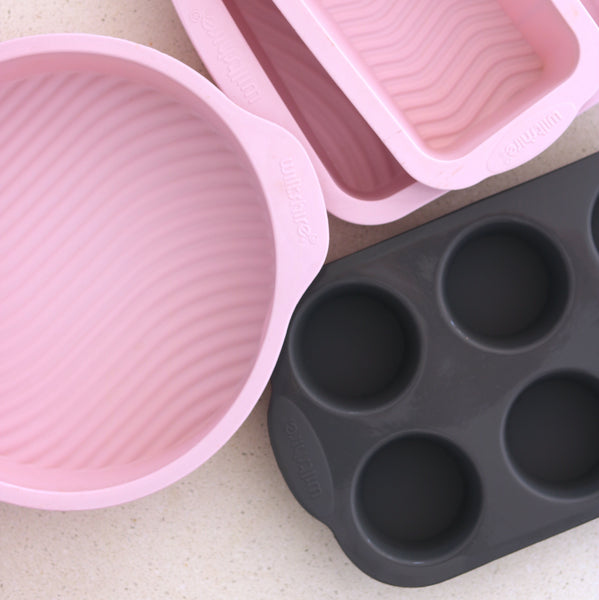
Have you ever found yourself staring at your shiny new silicone bakeware, wondering if you need to grease it before baking? You’re not alone.
Many home bakers and cooking enthusiasts ponder this very question. Silicone bakeware has gained popularity for its flexibility and non-stick properties, but there’s a lingering doubt: should you add a layer of grease, or is it truly non-stick on its own?
The answer might surprise you and could even transform the way you bake. Dive into this article to uncover the truth about greasing silicone bakeware, and ensure your baked goods come out perfectly every time. Discover the secrets that will not only save your time but also enhance your baking experience.
Silicone Bakeware Basics
Greasing silicone bakeware can help prevent sticking, even though it’s often non-stick. A light coat of oil or butter ensures easy release of baked goods. This step may also enhance browning and improve texture.
Silicone bakeware has gained popularity in many kitchens. Its flexibility and non-stick nature make it a favorite. Understanding its basics can help you use it effectively.What Is Silicone Bakeware?
Silicone bakeware is made from a rubber-like material. This material withstands high temperatures. It is used for baking, roasting, and even freezing.Advantages Of Silicone Bakeware
Silicone is flexible and easy to store. It doesn’t rust or stain. Its non-stick surface makes cleaning simple.Common Types Of Silicone Bakeware
Silicone bakeware comes in various forms. You can find cake molds, muffin pans, and baking mats. Each serves a specific purpose in your kitchen.Durability And Safety
Silicone is durable and long-lasting. It doesn’t break easily. It’s also safe to use in ovens and freezers.Using Silicone Bakeware
Using silicone bakeware is straightforward. Place it directly in the oven. It heats evenly and releases baked goods easily.Cleaning And Maintenance
Cleaning silicone bakeware is simple. Wash with warm, soapy water. Avoid using sharp tools that can damage it.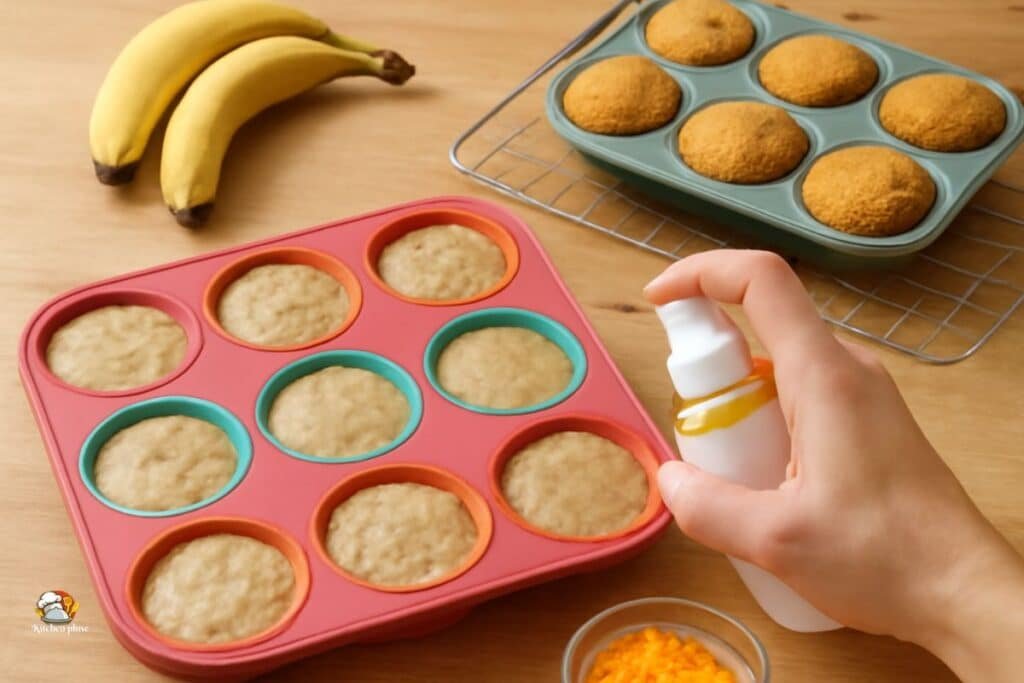
Credit: kitchenpluse.com
Benefits Of Silicone In Baking
Silicone bakeware has become a popular choice for baking enthusiasts. Its unique benefits make baking easier and more enjoyable. Understanding these benefits can help you decide if silicone is right for your kitchen.
Non-stick Properties
Silicone bakeware is known for its non-stick surface. This means less food sticking to the pan, making clean-up quick. You won’t need to use much oil or butter, helping with healthier baking.
Durability And Flexibility
Silicone is both durable and flexible. It can withstand bending, twisting, and stretching without damage. This flexibility makes it easy to release baked goods. You can bend silicone to pop out muffins or cakes without breaking them.
Heat Resistance
Silicone can handle high temperatures. It is safe for use in the oven, microwave, and freezer. This versatility allows for a wide range of recipes. You can bake, freeze, and reheat using the same silicone pan.
When Greasing Is Necessary
Silicone bakeware is popular for its non-stick qualities. Yet, some situations require greasing. Greasing depends on certain factors and food types. Understanding these can improve baking results.
Factors Influencing Greasing
Several factors determine if greasing is necessary. The age of the bakeware matters. Older silicone may lose some of its non-stick properties. The quality of the silicone is another factor. High-quality silicone usually requires less greasing. Lastly, the recipe itself can influence the need for greasing. Some recipes with sticky ingredients might need it.
Types Of Foods That Stick
Certain foods are more likely to stick, even to silicone. Baked goods with high sugar content often stick. Sugar can caramelize and cause sticking. Foods with little fat also stick. Low-fat recipes lack oils that prevent sticking. Delicate baked items like meringues are prone to sticking. Greasing helps ensure easy removal.
Best Practices For Greasing
Silicone bakeware is a game-changer in modern kitchens, known for its non-stick properties and ease of use. Yet, even the best tools can benefit from a little extra care. Greasing your silicone bakeware can ensure better results, prevent unwanted sticking, and prolong its life. Let’s explore the best practices for greasing your silicone bakeware effectively.
Choosing The Right Grease
Not all greases are created equal, and choosing the right one can make a significant difference. Vegetable oil, butter, and non-stick sprays are popular options. Each has its pros and cons, but the key is to select one that complements the type of baking you’re doing.
For instance, butter can add a delicious flavor to baked goods, making it ideal for cakes and muffins. Non-stick sprays, on the other hand, offer even coverage and are convenient for quick applications. Consider the recipe and desired outcome when selecting your grease.
Application Techniques
Application technique is crucial in ensuring that your bakeware is properly greased. Start by using a pastry brush or paper towel to evenly distribute the grease. This ensures that every nook and cranny is covered, preventing sticking and ensuring an easy release.
If you’re using a non-stick spray, hold the can a few inches away from the surface and spray lightly. Too much can leave a greasy residue, while too little might not prevent sticking. Imagine the frustration of a cake that won’t release; a careful application can save you from this hassle.
Have you ever found yourself scraping a stubborn cake out of a pan? A simple habit of proper greasing can make your baking experience smoother and more enjoyable. By taking these extra steps, your baking adventures can be as delightful as the treats you create.
Maintaining Silicone Bakeware
Greasing silicone bakeware isn’t always necessary, but it can ensure effortless food release. Silicone’s non-stick nature helps, yet a light grease or spray can enhance results and prevent sticking. Ideal for intricate shapes or baked goods with high sugar content.
Maintaining silicone bakeware is essential for its longevity and performance. Silicone bakeware is known for its flexibility and non-stick properties. Proper care ensures it remains effective and durable.Cleaning Tips
Cleaning silicone bakeware is simple and quick. Use warm water and mild soap. Avoid abrasive cleaners or scrubbers. Gentle cleaning prevents damage to the surface. Rinse thoroughly to remove soap residue. Dry it completely before storage. This prevents moisture buildup.Storage Recommendations
Store silicone bakeware in a cool, dry place. Avoid direct sunlight exposure. Stack neatly to save space. Ensure it’s free from heavy items that may deform it. Keep away from sharp objects. This prevents punctures or tears.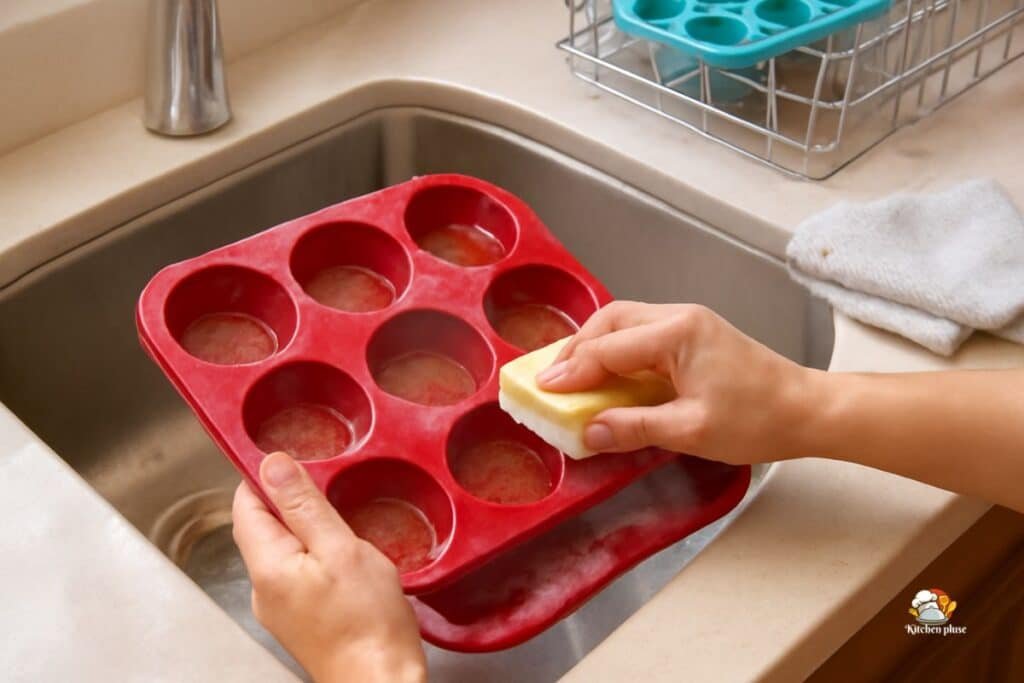
Credit: kitchenpluse.com
Common Mistakes To Avoid
Silicone bakeware has revolutionized the baking world with its non-stick properties and flexibility. Yet, even the most seasoned bakers can trip up with common mistakes. Understanding these can make all the difference between a perfect bake and a sticky mess. Let’s dive into some pitfalls to avoid to ensure your silicone bakeware works wonders every time.
Not Preheating Your Oven
It might seem obvious, but forgetting to preheat your oven is a common mistake. Silicone bakeware can handle temperature changes, but starting with a hot oven ensures your baked goods cook evenly. Otherwise, you might find your cake cooked on the outside and gooey on the inside.
Overloading The Bakeware
Silicone is flexible, but that doesn’t mean you should fill it to the brim. Overloading can lead to uneven baking and spillage. Use the recommended amounts to ensure your treats rise beautifully without making a mess.
Ignoring The Cooling Process
Patience is key when using silicone bakeware. Unlike metal, silicone retains heat longer. Avoid the temptation to remove your baked goods immediately. Allow them to cool slightly for easy removal and perfectly shaped treats.
Using Sharp Objects
Silicone might be durable, but it’s not invincible. Using sharp knives or utensils can damage your bakeware. Opt for silicone or wooden tools to maintain its non-stick surface and prolong its lifespan.
Skipping The Greasing Step
While silicone is non-stick, it’s not foolproof. Greasing can add an extra layer of protection, especially for intricate designs. This small step can save you from peeling bits of cake off your bakeware.
Have you faced any of these challenges with your silicone bakeware? What steps have you taken to avoid these common mistakes? Your insights could be the missing piece for someone else’s perfect bake!
Alternatives To Greasing
Silicone bakeware often doesn’t need greasing due to its non-stick nature. For added assurance, a light mist of cooking spray can be used. Alternatively, parchment paper or dusting with flour can also help prevent sticking without affecting the outcome of your baked goods.
Alternatives to greasing your silicone bakeware can be game-changers in your baking routine. Not only do they promise a cleaner, healthier, and more efficient baking experience, but they also extend the life of your bakeware. It’s time to explore these methods and decide which one suits your baking style best.Using Baking Mats
Baking mats are a fantastic alternative to greasing. Made from food-grade silicone, they provide a non-stick surface that ensures your baked goods slide off effortlessly. They are reusable, which means you can bid farewell to wasteful single-use parchment or oil sprays. Imagine baking your favorite cookies and seeing them glide off the mat without any crumbs left behind. Plus, cleaning up is a breeze—simply rinse or wipe them clean. Have you tried using a baking mat yet?Lining With Parchment Paper
Parchment paper is another excellent option for those who prefer not to grease. It acts as a barrier between your bakeware and the food, preventing sticking and ensuring even cooking. Cut the parchment to fit your bakeware, and you’re good to go. It’s perfect for delicate cakes or sticky treats like caramel bars. Ever struggled with a cake that wouldn’t release from the pan? Lining with parchment paper can be your secret weapon to flawless bakes. It’s convenient, efficient, and a staple in many kitchens. Have you experienced the magic of parchment paper lining?Expert Advice On Silicone Bakeware
Greasing silicone bakeware can enhance food release, though it’s often unnecessary due to its non-stick nature. Many bakers prefer adding a light coat to ensure flawless results, especially with intricate molds or sticky recipes.
Silicone bakeware has gained popularity in kitchens worldwide. Its flexibility and ease of use appeal to many home bakers. But the question remains: do you need to grease silicone bakeware? Let’s explore expert advice to find out.Understanding Silicone Bakeware
Silicone bakeware is known for its non-stick properties. This feature makes it popular for baking. Yet, many wonder if greasing is necessary. Some experts suggest a light grease for first-time use. It can enhance the non-stick effect.Benefits Of Greasing Silicone Bakeware
Greasing can help with easy release of baked goods. It ensures your cakes and muffins come out cleanly. Greasing can also protect your bakeware. It prevents potential damage from sticking. A thin layer of oil or butter works well.When To Avoid Greasing
In some cases, greasing isn’t needed. High-quality silicone often doesn’t require it. Check the manufacturer’s instructions first. They provide valuable guidance. Over-greasing can sometimes affect the bake. It might lead to oily results.Expert Tips For Best Results
Use a pastry brush for even greasing. Apply a thin layer on the surface. Avoid using too much oil. Consider the type of recipe. Sticky recipes might need more greasing. Use the right tools for the best outcomes.Cleaning And Maintenance
Proper cleaning ensures longevity. Wash with warm soapy water after each use. Avoid abrasive cleaners. They can damage the silicone surface. Store your bakeware in a dry place. This prevents mold and maintains quality. By considering these expert insights, you can make an informed decision. Enjoy baking with silicone bakeware, knowing when to grease and when not to.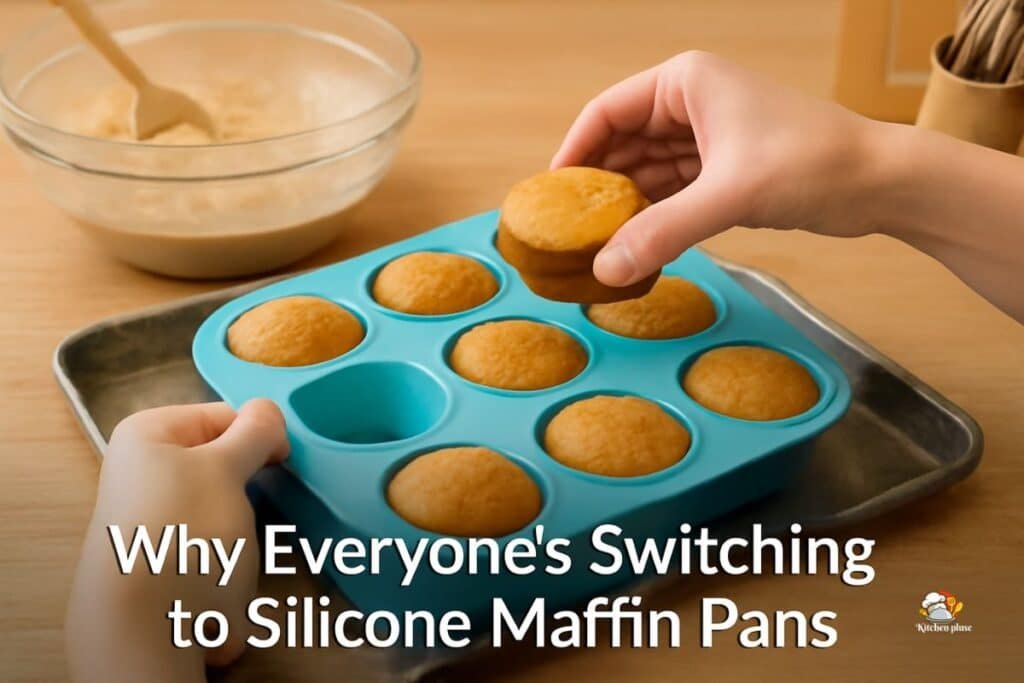
Credit: kitchenpluse.com
Frequently Asked Questions
Is Greasing Silicone Bakeware Necessary?
Silicone bakeware generally doesn’t require greasing due to its non-stick properties. However, greasing can enhance results, especially for intricate shapes. Lightly greasing ensures easy release and prevents sticking. For the first few uses, greasing may be beneficial. Always follow the manufacturer’s instructions for best results.
How Do I Grease Silicone Bakeware?
To grease silicone bakeware, use a light coat of oil or non-stick spray. Apply evenly with a brush or paper towel. Make sure to cover all surfaces, especially corners and detailed areas. This helps prevent sticking and ensures easy release of baked goods.
Can I Use Butter To Grease Silicone Pans?
Yes, you can use butter to grease silicone pans. Butter adds flavor and helps with browning. Apply a thin, even layer with a brush or paper towel. Ensure all surfaces are covered, especially intricate areas. This prevents sticking and aids in easy removal.
Do Baked Goods Stick To Silicone Pans?
Baked goods rarely stick to silicone pans due to their non-stick nature. However, intricate designs may benefit from light greasing. Greasing ensures effortless release and maintains the shape of your baked goods. Always follow manufacturer guidelines for optimal results and easy cleanup.
Conclusion
Silicone bakeware offers convenience with easy cleaning. Greasing is often unnecessary, but can enhance flavor and texture. Some recipes may benefit from a light grease. Consider your recipe’s needs. Always test new bakeware with your favorite recipes. Experience and preference are key.
Remember, silicone differs from metal. It provides a non-stick surface. This reduces the need for extra grease. Keep experimenting with your bakeware. Enjoy the process of baking. Discover what works best for you. Happy baking!