Imagine preparing your favorite dish, savoring the aroma and anticipating the first bite. Then, suddenly, you hesitate—can you use metal utensils on your ceramic cookware without causing damage?
You’re not alone in this moment of doubt. Many home cooks share your concerns about the longevity and care of their beloved ceramic pots and pans. Your cookware is more than just a kitchen tool; it’s an investment in your culinary adventures.
You want to protect it, ensuring it lasts through countless meals and memories. Yet, the thought of switching utensils or altering your cooking habits can be daunting. But what if there’s a simple answer that could transform the way you cook, making your life easier and your meals even more delicious? By diving deeper into this article, you’ll unlock the secrets to maintaining your ceramic cookware, learning whether metal utensils are a friend or foe. You’ll gain practical tips that could save you money and time, preserving the beauty and function of your kitchen essentials. So, let’s explore the truth about ceramic cookware and metal utensils, ensuring you’re equipped with the knowledge to make the best choice for your kitchen.
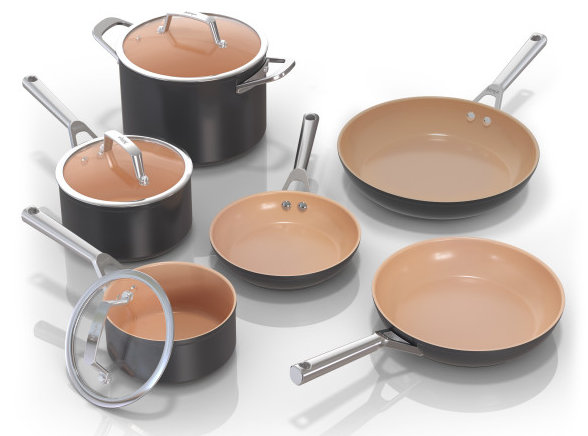
Credit: support.ninjakitchen.ca
Ceramic Cookware Basics
Ceramic cookware is a popular choice in kitchens today. It offers a non-stick surface that makes cooking and cleaning easy. Understanding the basics of ceramic cookware can help you use it wisely and maintain its quality.
Material Composition
Ceramic cookware is usually made from clay that is baked at high temperatures. This process gives it a smooth and non-stick surface. Some ceramic cookware is coated with a layer of silicon to enhance its non-stick properties. The material is often free of harmful chemicals like PFOA and PTFE, making it a safer option for cooking.
Common Uses
Ceramic cookware is versatile in the kitchen. You can use it for frying, sautéing, and even baking. It’s great for low-fat cooking because food doesn’t stick easily. Many chefs prefer ceramic for its ability to distribute heat evenly. This ensures that food cooks uniformly and retains its flavor.
Metal Utensils Vs. Ceramic Surfaces
Metal utensils can scratch ceramic cookware surfaces, reducing their lifespan. Opting for silicone or wooden utensils helps prevent damage. Ceramic cookware provides excellent heat distribution, ensuring even cooking.
Metal utensils and ceramic cookware often share kitchen space. Yet, many wonder if they can coexist without causing damage. Ceramic surfaces are known for their smooth, non-stick qualities. The allure of using metal utensils lies in their sturdiness. But, the interaction between these two materials needs careful consideration. Let’s explore the dynamics between metal utensils and ceramic surfaces.Potential Risks
Using metal utensils on ceramic surfaces can lead to scratches. These scratches can affect the non-stick properties of the cookware. Ceramic’s smooth finish is its signature feature. Metal utensils can compromise this, creating grooves. Food may start sticking, diminishing cooking efficiency. Once damaged, ceramic surfaces may require replacement. This can lead to unexpected costs.Durability Concerns
Ceramic cookware is durable but sensitive to metal. The hardness of metal can chip ceramic surfaces. Chipping can expose the underlying material. This may weaken the cookware over time. Durability is key for long-term kitchen tools. Choosing utensils wisely can extend the life of ceramic cookware. Opting for softer materials is a safer choice.Expert Opinions
Choosing the right utensils for your cookware can be a bit tricky, especially when it comes to ceramic surfaces. To help you make an informed decision, we consulted experts to gather insights on using metal utensils with ceramic cookware. Their opinions are invaluable in guiding you towards kitchen success.
Chef Insights
Many chefs suggest avoiding metal utensils on ceramic cookware. The reason? Metal can scratch the surface, affecting the non-stick properties and aesthetics. Some chefs share that they’ve seen cookware ruined because of metal scraping against ceramic.
However, a few chefs argue that with gentle use, metal utensils can work. They recommend using them for tasks that require precision, like flipping delicate items. But, always with a soft touch to avoid damage.
Manufacturer Recommendations
Manufacturers generally advise against metal utensils for ceramic cookware. They emphasize that metal can lead to scratches and wear down the coating over time. Instead, they recommend using silicone, wood, or plastic utensils for longevity.
Some manufacturers have developed ceramic coatings that are more resistant to metal. If you’re considering using metal, check if your cookware is among these innovative options. Always refer to the specific guidelines provided by the manufacturer to ensure you’re not voiding any warranties.
Best Practices For Ceramic Cookware
Ceramic cookware is a popular choice for its non-stick properties and elegant appearance. However, to maintain its quality and longevity, it’s crucial to follow some best practices. Whether you’re a seasoned cook or a kitchen newbie, understanding how to care for your ceramic cookware can make a significant difference in your cooking experience.
Safe Utensil Choices
Choosing the right utensils is essential to protect your ceramic cookware. Metal utensils can scratch and damage the surface, so it’s best to opt for safer alternatives.
- Wooden Spoons:These are gentle on the ceramic surface and perfect for stirring and mixing.
- Silicone Utensils:Heat-resistant and flexible, silicone tools are excellent for flipping and stirring without causing scratches.
- Nylon Utensils:Another safe option, nylon is strong enough for everyday use but won’t harm your cookware.
Have you ever considered how a simple switch in utensils could prolong the life of your cookware? Next time you’re cooking, try using a wooden spoon instead of a metal one and see how it feels.
Maintenance Tips
Proper maintenance of your ceramic cookware can keep it looking new and performing well. Simple, regular cleaning is key.
- Hand Wash:Always hand wash your ceramic cookware with mild soap and warm water. This prevents abrasive damage from dishwashers.
- Avoid Abrasive Cleaners:Use a soft sponge instead of steel wool or harsh scrubbers to avoid scratching.
- Low to Medium Heat:Cooking at lower temperatures helps maintain the non-stick surface and prevents overheating.
Have you ever noticed stubborn stains? Soaking the cookware in warm soapy water for a few minutes can help remove them effortlessly.
By paying attention to these details, you not only protect your investment but also enhance your cooking experience. So, what changes will you make in your kitchen today?
Alternatives To Metal Utensils
When it comes to preserving the pristine condition of your ceramic cookware, avoiding metal utensils is a smart choice. They can scratch and damage the smooth surface, affecting your cooking experience. Luckily, there are fantastic alternatives that are both gentle on your cookware and highly effective in your kitchen.
Silicone Options
Silicone utensils are a popular choice for many home cooks. They are flexible, heat-resistant, and won’t scratch your ceramic pots and pans. Imagine stirring your favorite sauce without worrying about damaging your cookware’s surface. Moreover, silicone tools come in vibrant colors, adding a splash of joy to your cooking routine. They are easy to clean and maintain, making them a practical choice for everyday use.
Wooden Tools
Wooden utensils have been trusted by cooks for generations. They are sturdy and provide a natural feel while cooking. Using a wooden spoon to stir a simmering stew connects you to a tradition of culinary craftsmanship. Unlike metal, wood is gentle and won’t harm your ceramic coatings. Plus, they add a rustic charm to your kitchen, making cooking a delightful experience. Wooden tools are long-lasting and can withstand high temperatures without warping.
Signs Of Damage
Scratches and chips on the ceramic surface indicate damage from metal utensils. These marks may lead to uneven cooking. Regular use of metal can wear down the ceramic coating over time.
Signs of Damage Ceramic cookware is known for its smooth, non-stick surface. But using metal utensils can lead to damage. Recognizing signs of damage helps maintain cookware longevity.Surface Scratches
Surface scratches are a common problem. Metal utensils can scrape the ceramic coating. These scratches affect the cookware’s appearance. They also compromise its non-stick quality. Light scratches might go unnoticed at first. Over time, they can worsen and affect cooking results.Performance Issues
Damage impacts performance. Food may start sticking to the surface. Cooking becomes uneven. Heat distribution might suffer. These issues can lead to frustrating cooking experiences. You might notice longer cooking times. Or food might not cook properly. These are clear signs your ceramic cookware is damaged. Regularly inspect for these performance issues. This helps ensure optimal cooking experiences.Repair And Replacement Considerations
Ceramic cookware is a popular choice for many home chefs due to its non-stick surface and aesthetic appeal. However, using metal utensils on ceramic can lead to scratches and damage over time. When this happens, you’re faced with the decision of whether to repair or replace your cookware. Understanding the right approach can save you time, money, and ensure your meals remain safe and delicious.
When To Repair
Small scratches might not seem like a big deal, but they can affect the performance of your ceramic cookware. If you notice food sticking more than usual or uneven cooking, it might be time to consider repairs. You can use a ceramic repair kit, which often includes a filler and a touch-up glaze. These kits are easy to use and can extend the life of your cookware.
However, if the damage is extensive, such as large chips or deep scratches, repairing might not restore the cookware to its original state. In such cases, continuing to use the damaged cookware can result in further deterioration or even affect the food’s safety. Weigh the cost of repair against the price of new cookware to make an informed decision.
Choosing Replacement Cookware
If repairs aren’t viable, replacing your cookware becomes necessary. When choosing new ceramic cookware, consider the features that matter most to you. Look for options with a durable ceramic coating that specifically mentions metal utensil compatibility, if you prefer using them.
Consider the weight, handle comfort, and overall design. Some modern ceramic cookware sets come with reinforced coatings or even hybrid materials that offer better resistance to scratches. Reading customer reviews and seeking recommendations can also guide you in making a choice that best fits your cooking style.
Have you ever thought about how much your cookware influences the taste and quality of your meals? Investing in the right set can transform your cooking experience. While it’s tempting to stick with familiar brands, exploring new options might introduce you to cookware that better suits your needs and preferences.

Credit: www.amazon.com

Credit: www.instagram.com
Frequently Asked Questions
Can Metal Utensils Damage Ceramic Cookware?
Yes, metal utensils can scratch and damage ceramic cookware. Ceramic surfaces are delicate and prone to scratches. Using metal utensils can lead to chips and cracks. It is best to use wooden or silicone utensils to preserve the cookware’s finish and ensure its longevity.
Is Ceramic Cookware Safe With Metal Utensils?
Using metal utensils on ceramic cookware is not recommended. Metal can scratch the ceramic surface, potentially releasing harmful particles into food. To maintain safety, use non-metal utensils like wood or silicone. This will help keep the ceramic surface intact and food safe.
Why Avoid Metal Utensils On Ceramic Cookware?
Metal utensils can scratch and damage ceramic cookware. Scratches can lead to cracks and chips over time. Damaged surfaces may affect cooking performance and release particles into food. To avoid this, use wooden or silicone utensils. These materials are gentle on ceramic surfaces and help prolong cookware life.
What Utensils Are Best For Ceramic Cookware?
Wooden and silicone utensils are best for ceramic cookware. They are gentle and prevent scratches on the surface. These utensils help maintain the non-stick properties of ceramic cookware. Using them extends the life of your cookware, ensuring consistent cooking performance and preserving the cookware’s appearance.
Conclusion
Choosing the right utensils for ceramic cookware matters. Metal utensils can scratch the surface. Scratches may reduce the cookware’s lifespan. Opt for silicone or wooden utensils instead. These are gentle and safe for ceramic. Protect your investment by using them.
Always handle your cookware with care. Enjoy cooking with peace of mind. Your ceramic cookware will last longer. This means better meals for years to come. Happy cooking!