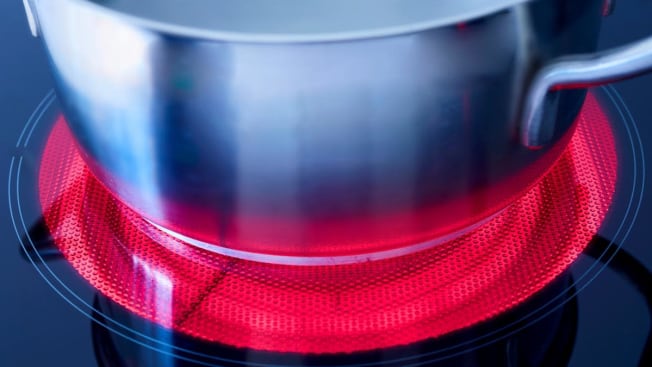
Are you wondering if your induction cookware can double as a handy companion on your electric stove? This question might have crossed your mind while navigating the world of modern cooking gadgets.
You want to make the most out of your kitchen tools without having to buy new ones every time you switch cooking methods, right? Imagine the convenience of seamlessly using your induction pots and pans on an electric stove, saving you both money and the hassle of cluttering your kitchen with unnecessary cookware.
But can it really be done? Your curiosity is piqued, and you’re ready to uncover the answer. Stick with us as we explore the compatibility between induction cookware and electric stoves, providing you with practical insights and tips that could transform your cooking experience.
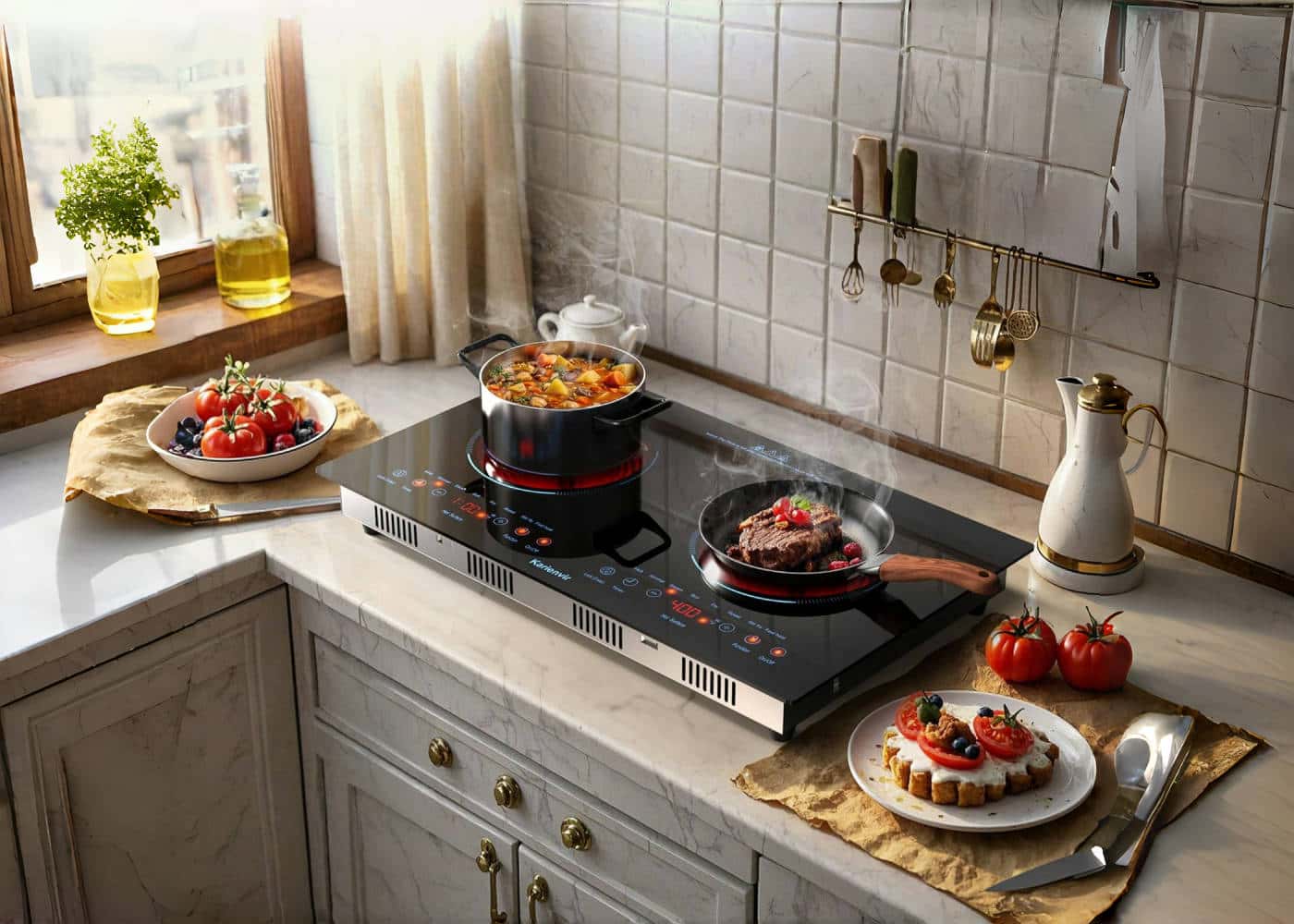
Credit: karinearappliances.com
Induction Cookware Basics
Induction cookware is popular for its efficiency and precision. Understanding its basics can enhance your cooking experience. This type of cookware is designed for specific stove types, which makes it unique.
How Induction Cookware Works
Induction cookware uses magnetic fields to heat the pan directly. The stove generates electromagnetic energy. This energy interacts with the cookware. Only magnetic materials allow this interaction. The pan heats up quickly, saving time and energy.
Materials Used In Induction Cookware
Induction cookware often contains magnetic materials. Common options include cast iron and stainless steel. Not all stainless steel works for induction. It must have magnetic properties. Some cookware has layers of different metals. These layers improve conductivity and durability.
Many brands mark their cookware for induction compatibility. Look for labels or symbols indicating magnetic suitability. This ensures optimal performance on induction stoves.
Electric Stove Functionality
Induction cookware can work on electric stoves. The flat bottom ensures even heat distribution. Verify compatibility with your stove’s manual.
Electric stoves are a common choice in many kitchens today. They offer a clean, efficient way to cook meals. Understanding their functionality helps in choosing the right cookware.Types Of Electric Stoves
Electric stoves come in various types. The most popular ones are coil and smooth-top stoves. Coil stoves have visible metal coils that heat up. Smooth-top stoves have a flat glass surface. Each type has unique heating properties and requirements.Heating Mechanism Of Electric Stoves
Electric stoves use electricity to generate heat. In coil stoves, electricity flows through coils, heating them. The heat then transfers to the cookware directly. Smooth-top stoves work differently. They use radiant heat underneath a glass surface. This mechanism provides even heat distribution. Understanding these mechanisms ensures better cooking results.Compatibility Factors
Understanding compatibility factors is crucial when using induction cookware on an electric stove. Not all cookware works seamlessly with electric stovetops. Knowing the key compatibility factors helps ensure a smooth cooking experience.
Magnetic Properties Of Cookware
Induction cookware is designed for magnetic induction. Cookware must have a magnetic base to work on induction stoves. Most induction cookware is made from stainless steel or cast iron. These materials have the necessary magnetic properties. To check if your cookware is magnetic, use a simple magnet. If it sticks, your cookware is induction-compatible. Magnetic properties ensure even heat distribution.
Flat Bottoms And Stability
Cookware with a flat bottom is essential for electric stoves. Flat bottoms provide stability and even heat distribution. A flat surface ensures full contact with the heating element. This prevents hotspots and uneven cooking. Cookware with warped or rounded bases may not perform well. Ensure your cookware has a smooth, flat bottom for best results.

Credit: www.amazon.com
Performance Considerations
Understanding the performance of induction cookware on an electric stove is crucial. This cookware’s design primarily suits induction stoves. Yet, it can also function well on electric stoves. Examining heat distribution and cooking results helps understand the compatibility.
Heat Distribution And Efficiency
Induction cookware often has magnetic bases. These bases ensure even heat on induction stoves. On electric stoves, heat distribution might differ slightly. The cookware may take longer to heat up. But once heated, it retains heat effectively. This can lead to efficient energy use. Energy efficiency means less electricity usage. This benefits both the environment and your wallet.
Cooking Results With Induction Cookware
Cooking results can vary with induction cookware on electric stoves. The cookware’s ability to retain heat ensures food cooks evenly. This helps in achieving consistent cooking results. Sauces simmer steadily without burning. Steaks can sear evenly. The cookware’s weight and material influence these results. Heavy bases provide stability on flat electric surfaces. This helps prevent spills and accidents during cooking.
Pros And Cons
Induction cookware works on electric stoves, but heat distribution may differ. Some pots might not fit perfectly, impacting efficiency. Choose compatible sizes to optimize performance.
Navigating the world of cookware can be a bit daunting, especially when you’re trying to determine if your induction cookware is compatible with your electric stove. Understanding the pros and cons can help you make an informed decision that suits your cooking needs. Let’s dive into the advantages and potential drawbacks of using induction cookware on an electric stove.Advantages Of Using Induction Cookware
Induction cookware is known for its excellent heat conductivity, which means it heats up quickly and evenly. This results in more precise cooking, reducing the chance of burning your meals. It’s typically made from durable materials like stainless steel and cast iron, ensuring longevity and resilience against scratches and dents. Investing in induction cookware is often a long-term decision that pays off with years of reliable performance. These cookware pieces are often designed with a flat bottom, which is perfect for electric stoves. This design maximizes contact with the heating element, enhancing heat transfer and cooking efficiency.Potential Drawbacks On Electric Stoves
While induction cookware has many benefits, there are a few potential drawbacks to be aware of when using it on an electric stove. Some induction cookware can be heavier than traditional options, making it harder to handle, especially when it’s full. The magnetic properties that make induction cookware compatible with induction stoves aren’t necessary for electric stoves, which may not utilize the full potential of the cookware’s design. This could lead to unnecessary expenses if you don’t plan on using an induction cooktop in the future. It’s essential to ensure your cookware’s base is perfectly flat. Even a slight warp can lead to uneven cooking on an electric stove, causing frustration and potentially ruining your dishes.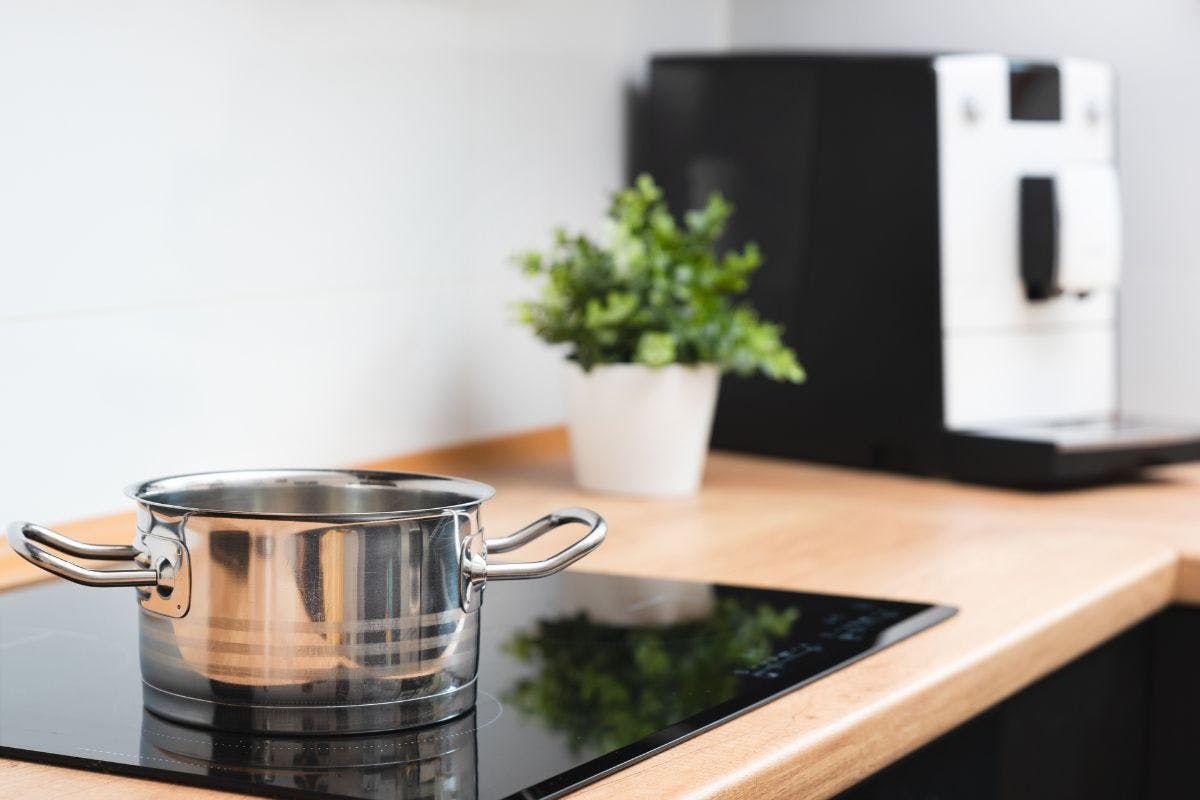
Credit: palmetto.com
Tips For Best Use
Cooking on an electric stove with induction cookware can be a rewarding experience if you know how to get the best out of your tools. While induction cookware is primarily designed for induction stovetops, you can still use it on electric stoves with a few tweaks and tips. Let’s explore how you can make the most of induction cookware on your electric stove, ensuring efficiency and longevity.
Selecting Suitable Cookware
Choosing the right cookware is crucial. Opt for induction-compatible pots and pans with a flat base to ensure even heat distribution. Check for cookware with a magnetic base; it will have better conductivity on an electric stove too.
Pay attention to the material. Stainless steel and cast iron are excellent choices, as they retain heat well. Avoid lightweight aluminum unless it has a magnetic base.
Consider the size of the cookware. Larger pans may not fit the electric stove’s burners properly, leading to uneven cooking. Match the pan size to the burner size for best results.
Maintenance And Care
Proper care extends the life of your cookware. Clean your pots and pans after every use to prevent residue build-up. Use mild detergents and avoid abrasive scrubbers that can damage the surface.
Regularly check for any warping or damage. Warped cookware doesn’t sit flat on the stove, causing inefficient heating. If you notice wear, it might be time to replace it.
Store your cookware properly. Stacking them can lead to scratches and dents. Consider using protective pads between them to preserve their condition.
Have you ever noticed that your cookware doesn’t seem to last as long as you’d like? By following these tips, you can ensure your induction cookware performs well on an electric stove and remains in top shape for years to come.
Frequently Asked Questions
Is Induction Cookware Suitable For Electric Stoves?
Yes, induction cookware can be used on electric stoves. Both induction and electric stoves heat through direct contact. Induction cookware is typically made from stainless steel or cast iron, which works well on electric stoves. However, ensure the cookware base is flat for optimal heat distribution.
Does Induction Cookware Heat Evenly On Electric Stoves?
Induction cookware heats evenly on electric stoves due to its flat base. This design ensures efficient heat transfer. However, using the right burner size is essential. A mismatched burner and cookware can cause uneven heating, affecting cooking performance.
Can Induction Pans Damage An Electric Stove?
Induction pans are safe for electric stoves and won’t cause damage. They are designed for various stovetops, including electric. Ensure the cookware is clean to prevent scratching. Proper handling and placement also minimize any potential damage to the stove surface.
What Types Of Cookware Work On Electric Stoves?
Electric stoves are compatible with various cookware types, including induction, stainless steel, and cast iron. Ensure the cookware has a flat base for even heating. Avoid using glass or ceramic cookware, as they may not heat efficiently on electric stoves.
Conclusion
Induction cookware can work on electric stoves. Check compatibility before use. Choose pots with flat bases. They heat evenly and efficiently. Consider the material of your cookware. Stainless steel is a safe choice. Keep an eye on the size of your pots and pans.
They should match the stove’s burner size. This ensures optimal heating. Using induction cookware on electric stoves is possible. It requires some attention to details. Proper use enhances cooking experience. Understanding your cookware helps avoid mistakes. Enjoy efficient cooking with the right tools.
Happy cooking!