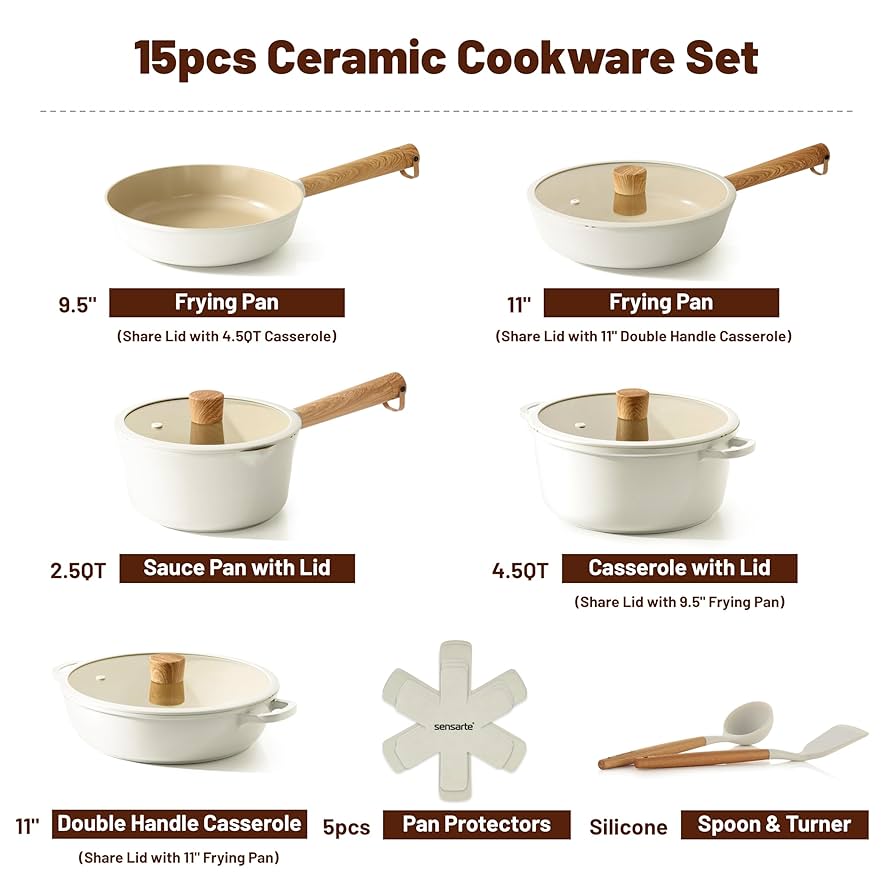
Imagine this: you’re in your kitchen, eager to whip up a delicious meal. You reach for your favorite ceramic cookware, but then a question pops into your mind—can you boil water in ceramic pots and pans?
This might seem like a simple query, yet it’s crucial to know if your ceramic cookware is up for the task. Not only is it about ensuring your dishes turn out perfectly, but it’s also about safeguarding your cooking tools from potential damage.
By understanding the capabilities of ceramic cookware, you can make informed choices, avoid mishaps, and elevate your culinary experience. Dive into this article to discover the surprising truths and practical tips that will change the way you use your kitchenware. You won’t want to miss out on these insights!

Credit: www.amazon.com
Ceramic Cookware Basics
Understanding ceramic cookware is essential for any kitchen enthusiast. It’s versatile and modern, making it a popular choice. Ceramic cookware is made from clay, glazed with a non-stick coating. This coating allows for easy cooking and cleaning. Many people wonder about its ability to boil water efficiently. Let’s dive into the basics of ceramic cookware.
Types Of Ceramic Cookware
Ceramic cookware comes in various forms. Each type serves different cooking needs:
- Ceramic-coated pans:Lightweight and easy to handle.
- Solid ceramic pots:Durable and often oven-safe.
- Clay pots:Ideal for slow cooking.
Choosing the right type depends on your cooking style.
Features And Benefits
Ceramic cookware offers numerous advantages:
- Non-stick surface:Food doesn’t stick, making cleanup easy.
- Heat distribution:Even cooking with consistent temperatures.
- Healthier cooking:Less oil is needed for cooking.
- Eco-friendly:Made from natural materials.
These features enhance your cooking experience while providing health benefits.

Credit: www.youtube.com
Boiling Water In Ceramic
Ceramic cookware is loved by many for its aesthetic appeal and versatile use in the kitchen. But have you ever wondered if you can boil water in ceramic cookware? It’s a question that might seem trivial, but understanding how ceramic handles heat can transform your cooking experience. Let’s dive into the world of boiling water in ceramic cookware and uncover some crucial aspects.
Heat Retention Properties
Ceramic cookware is known for its excellent heat retention capabilities. Once it heats up, it keeps the temperature steady, making it ideal for slow cooking. When boiling water, this feature ensures consistent heat distribution. You might find that your water boils evenly and maintains a steady boil without constant adjustment.
Remember, the thicker the ceramic, the better the heat retention. This means you won’t need to crank up the heat. It’s efficient and energy-saving. Have you noticed how your soup stays warm longer in a ceramic pot? This is the same principle at play.
Safety Considerations
Boiling water in ceramic cookware is generally safe. However, there are a few precautions to keep in mind. First, avoid sudden temperature changes. Placing a cold ceramic pot on high heat can lead to cracking. This is why gradual heating is recommended.
Also, check the integrity of your ceramic cookware. Look for chips or cracks before use. Damaged ceramic can pose safety risks by leaching materials into your water. Would you drink water from a chipped mug? The same caution applies to cooking.
Lastly, handle your ceramic cookware with care when it’s hot. It retains heat longer, which means the handles can be unexpectedly hot. Using a pot holder or cloth can prevent burns and accidents.
Boiling water in ceramic cookware can be a satisfying experience if done right. Why not give it a try and see how your kitchen routine changes? You’ll appreciate the smooth, consistent boil and the safety of a well-maintained piece of cookware.
Advantages Of Boiling In Ceramic
Ceramic cookware offers even heat distribution, ensuring efficient boiling. Non-toxic materials make it a safer choice for healthy cooking. Durable and stylish, ceramic adds aesthetic appeal to kitchens.
Boiling water in ceramic cookware offers several advantages. This method combines tradition with modern cooking benefits. Ceramic cookware is a popular choice for many kitchens worldwide.Energy Efficiency
Ceramic cookware distributes heat evenly. This means you use less energy. The even heat reduces cooking time. It maintains a consistent temperature throughout the pot. This feature helps in saving energy and makes cooking more efficient.Flavor Preservation
Ceramic cookware keeps flavors intact. The material does not react with food. This ensures the natural taste of ingredients remains unchanged. The non-reactive nature of ceramic is ideal for preserving delicate flavors. Your dishes taste fresh and authentic each time.Potential Drawbacks
Ceramic cookware is celebrated for its aesthetic appeal and non-stick capabilities, but there are potential drawbacks to consider when boiling water. While it’s tempting to use your beautiful ceramic pots for all cooking purposes, you might be surprised to learn about some of the challenges. Let’s delve into the specific issues you might encounter.
Risk Of Cracking
Ceramic cookware can be prone to cracking when exposed to sudden temperature changes. Imagine pouring cold water into a hot ceramic pot. The thermal shock can cause cracks or even breakage.
Have you ever had a favorite piece of ceramic cookware crack on you? It’s not just frustrating; it can be costly to replace. To minimize risk, always allow your ceramic pot to heat gradually and avoid sudden temperature shifts.
Uneven Heating Issues
Ceramic cookware often struggles with distributing heat evenly. This can lead to hot spots, which might result in unevenly boiled water.
Think about the times you’ve boiled water in a ceramic pot, only to find parts of it still lukewarm. It’s not just inconvenient; it can affect cooking results. To combat uneven heating, consider stirring the water occasionally or using a pot with a thicker ceramic base for better heat distribution.
By understanding these potential drawbacks, you can make informed decisions about when and how to use your ceramic cookware effectively. Are these challenges worth it for the aesthetic and non-stick benefits? The choice is yours.
Tips For Safe Use
Choose ceramic cookware with heat-resistant properties. Ensure even heating to prevent cracking. Avoid sudden temperature changes for safety.
When using ceramic cookware, safety is essential. Boiling water in ceramic pots can be tricky. Follow these tips to ensure a safe cooking experience.Proper Heating Techniques
Use low to medium heat settings. Ceramic can crack with sudden temperature changes. Preheat the cookware slowly to avoid damage. Always use a burner size that matches the pot’s bottom. This ensures even heat distribution.Maintenance And Care
Clean the cookware after each use. Avoid harsh cleaners that can scratch the surface. Use soft sponges or cloths for cleaning. Store ceramic cookware carefully to prevent chips or cracks. Regularly check for any damages before use. This keeps your cookware safe and long-lasting.
Credit: fromourplace.com
Comparing Ceramic To Other Materials
Boiling water in ceramic cookware is safe due to its heat-resistant properties. Unlike metal, ceramic heats evenly, preventing hotspots. This ensures a consistent cooking process, making it ideal for boiling.
Boiling water in ceramic cookware has its unique benefits. But how does it compare to other materials? Let’s explore ceramic’s advantages and differences compared to stainless steel and non-stick options.Ceramic Vs. Stainless Steel
Ceramic cookware offers even heating. It distributes heat across the surface uniformly. This reduces hotspots, preventing uneven boiling. Stainless steel, on the other hand, is durable and long-lasting. But it often requires an additional layer for even heating. Without it, hotspots can occur, causing uneven boiling. Ceramic is non-reactive. It doesn’t alter the taste of water. Stainless steel might react with acidic ingredients. This can change the taste if not properly coated. Also, ceramic is aesthetically pleasing. Its smooth finish and vibrant colors add a touch of elegance. Stainless steel provides a classic, professional look. It’s more about function than style.Ceramic Vs. Non-stick
Non-stick cookware offers easy cleanup. Food residues don’t stick to its surface. Ceramic provides a similar non-stick experience without harmful chemicals. Many non-stick coatings contain PFOA or PTFE. Ceramic is free of these, making it a safer choice. Ceramic maintains its non-stick properties longer. Non-stick coatings can wear off over time. Frequent use and high heat can reduce their lifespan. Ceramic cookware tends to be more resilient. It’s also versatile for different cooking techniques. Non-stick pans are less suitable for high-heat cooking. In terms of aesthetics, ceramic stands out. Its vibrant colors and glossy finish enhance kitchen aesthetics. Non-stick surfaces are typically more muted in appearance. Their primary focus is on functionality.Frequently Asked Questions
Can Ceramic Cookware Safely Boil Water?
Yes, ceramic cookware can safely boil water. It is designed to withstand high temperatures. However, ensure the ceramic is heat-resistant and of good quality. Always follow the manufacturer’s guidelines for best results.
Does Boiling Water Damage Ceramic Pots?
Boiling water in ceramic pots does not typically cause damage. High-quality ceramic is designed to handle heat. However, sudden temperature changes can cause cracks. Always avoid pouring cold water into a hot ceramic pot.
How Long Does It Take To Boil Water In Ceramic?
Boiling water in ceramic cookware typically takes longer than in metal pots. Ceramic heats up slowly but retains heat well. Expect the process to take a few minutes longer, depending on the heat source and pot size.
Are All Ceramic Cookware Types Suitable For Boiling?
Not all ceramic cookware types are suitable for boiling. Ensure your ceramic cookware is labeled as stovetop-safe. Some ceramic is designed only for oven use. Always check the manufacturer’s instructions to confirm its suitability for boiling.
Conclusion
Ceramic cookware is safe for boiling water. It heats evenly, reducing hot spots. This makes it ideal for soups, teas, and more. Always choose high-quality ceramic pots. They withstand heat and resist cracking. Check for labels confirming safety for boiling.
Clean carefully to maintain durability. Use gentle scrubbers and mild soap. This extends the life of your ceramic pots. Remember, ceramic is versatile and stylish. It’s a great addition to any kitchen. Enjoy cooking with confidence and ease. Ceramic cookware offers both beauty and function in your culinary adventures.