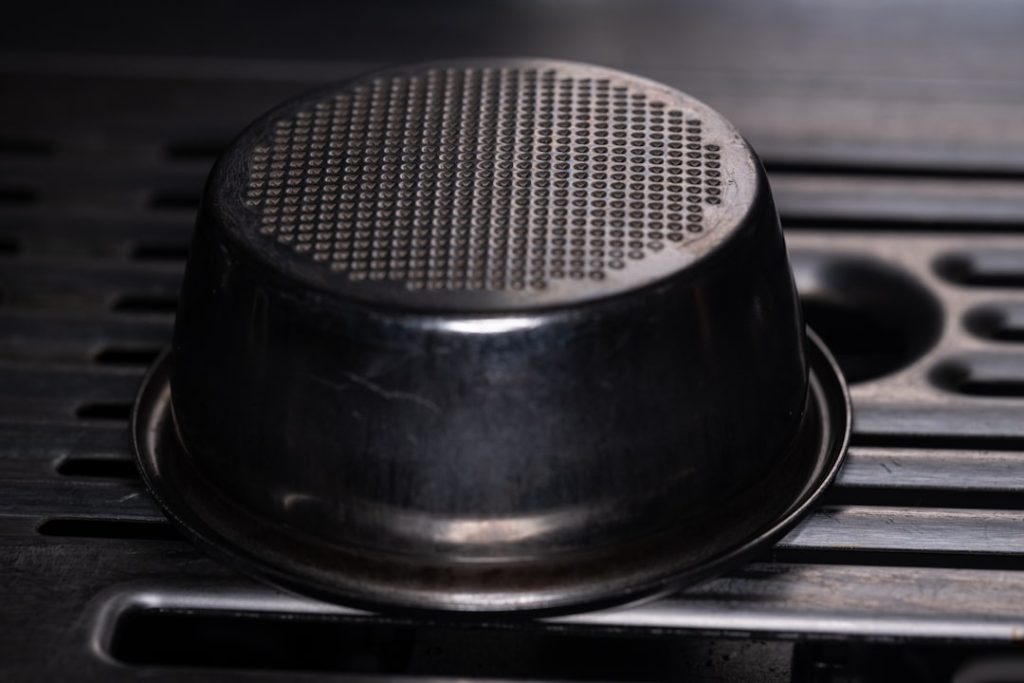
Have you ever found yourself staring at your induction cookware, wondering if it can be used on your electric stove? You’re not alone.
Many people grapple with this question, and it’s crucial to get it right for both safety and culinary success. Imagine whipping up your favorite dish without the worry of mismatched cookware and stove compatibility. The good news? Unraveling this mystery can make your cooking experience seamless and enjoyable.
We’ll dive into the compatibility between induction cookware and electric stoves, clearing up any confusion you might have. You’ll discover the ins and outs of your cookware, ensuring you make the right choice for your kitchen. Let’s explore whether your induction pots and pans can find a home on your electric stove, saving you time and hassle while enhancing your cooking adventures. Read on to unlock the secrets of hassle-free cooking!
Understanding Induction Cookware
In the bustling world of modern kitchens, induction cookware has become a staple for many home chefs and cooking enthusiasts. But what makes this type of cookware unique, and can it be used on an electric stove? Understanding induction cookware is crucial if you’re considering making it a part of your culinary arsenal. Let’s dive into the specifics that make induction cookware stand out.
Materials Used In Induction Cookware
Induction cookware is typically made from materials that have magnetic properties. These include stainless steel and cast iron, which are common choices. The key is the ferrous metal—without it, the cookware won’t work on an induction cooktop. If you’re unsure whether your pot or pan is compatible, check for a magnetic base by simply using a fridge magnet.
Aluminum and copper pans aren’t naturally induction-friendly. However, some manufacturers add a magnetic layer to the base to make them suitable. It’s fascinating how technology allows versatile materials to adapt, isn’t it?
Design Features Of Induction Cookware
Beyond the materials, the design features play a significant role in the functionality of induction cookware. Many pots and pans have a multi-layered base that enhances heat distribution. This ensures even cooking, minimizing hot spots and maximizing flavor.
Handles and lids are also thoughtfully designed. They often stay cooler than the cooking surface, allowing you to handle them safely. Have you ever felt the frustration of trying to adjust a lid mid-cooking without burning your fingers? Quality induction cookware often solves this problem!
Some cookware sets even come with heat indicators to let you know when they’re ready for cooking. These small design features can make a big difference in your cooking experience.
So, what are your thoughts? Do you think induction cookware’s unique properties can add value to your kitchen even if you primarily use an electric stove?
.png?width=584&height=352&name=What-Is-Induction-Cooking-Definition-Pros-Cons-More%20(1).png)
Credit: discover.griffinreps.com
Electric Stove Basics
Electric stoves are a staple in modern kitchens, offering a reliable and efficient way to cook your meals. They may seem straightforward, but understanding their basics can enhance your cooking experience. Let’s dive into what makes them tick and how they can work with various cookware, including induction-compatible pieces.
How Electric Stoves Work
Electric stoves operate by converting electrical energy into heat, which is then transferred to your cookware. This process involves electric coils or a ceramic-glass surface with radiant heat elements underneath. The heat level is controlled by adjusting the power supply to these elements, allowing you to cook your food at the desired temperature.
One of the advantages of electric stoves is their ability to maintain consistent heat levels. This makes them ideal for dishes that require steady cooking temperatures. However, they may take a little longer to heat up compared to gas stoves, which can be a minor drawback for some users.
Types Of Electric Stoves
There are mainly two types of electric stoves: coil and smooth-top. Coil stoves feature exposed heating elements that sit on top of the stove surface. These are typically less expensive and easier to replace but can be harder to clean.
In contrast, smooth-top stoves have a sleek, flat surface. They use radiant heat beneath a glass-ceramic surface, offering a modern look and easier cleaning. However, they require specific care to avoid scratches and are usually more expensive.
Whether you prefer the traditional coil or the modern smooth-top, each type has its own set of advantages. Choosing the right one depends on your cooking habits and kitchen style.
Have you ever considered how your choice of stove impacts your cooking? Understanding these basics can guide you in selecting the right cookware, including whether induction pots and pans will work effectively on your electric stove. Let’s explore further into how these types relate to your culinary adventures.
Compatibility Factors
When considering whether induction cookware can be used on an electric stove, understanding the compatibility factors is crucial. While induction cookware is primarily designed for induction stoves, many people wonder if they can extend its use to electric stoves without any issues. Let’s explore the key elements that determine compatibility: magnetic properties and heat conductivity.
Magnetic Properties
Induction cookware relies on magnetic properties to generate heat. The bottom of these pots and pans is usually made of ferrous material that reacts to the electromagnetic field of an induction cooktop. But how does this magnetic feature play out on an electric stove? While electric stoves don’t use magnetic fields to heat cookware, the magnetic base doesn’t interfere with electric heating elements. You can confidently use induction cookware on electric stoves without worrying about damaging your pots and pans. Have you ever tried using a magnet on the bottom of your pan to test its compatibility? That simple trick can help verify its magnetic properties!
Heat Conductivity
Heat conductivity is another essential factor. Induction cookware typically offers excellent heat distribution due to its design. On an electric stove, this can translate to more even cooking compared to some other types of cookware. However, keep in mind that electric stoves take longer to heat up, so patience is key. If you’ve ever noticed uneven cooking on your electric stove, switching to induction cookware might offer a solution. How does your cookware influence the cooking results? Paying attention to how heat is conducted can make a noticeable difference.
Have you ever experimented with different types of cookware on your electric stove? Understanding these compatibility factors can help you make an informed choice, ensuring efficient and enjoyable cooking experiences. Always remember, the right cookware can elevate your culinary adventures!
Benefits Of Using Induction Cookware
Induction cookware can be used on an electric stove, offering efficient heat distribution. This results in faster cooking times and energy savings. The durable material also ensures a long-lasting kitchen tool.
Induction cookware is becoming a favorite in many kitchens. Its benefits extend beyond induction cooktops, making it a versatile choice for electric stoves too. By switching to induction cookware, you can enjoy several advantages that make your cooking experience both efficient and enjoyable.Energy Efficiency
Induction cookware is designed to maximize energy usage. When used on an electric stove, it heats up quickly, reducing the time you spend waiting for pots to warm. This rapid heating means you use less electricity, making your kitchen more energy efficient. Imagine the savings on your energy bill over time. These cost benefits can add up, especially if you cook frequently. You not only save money but also reduce your carbon footprint, contributing positively to the environment.Uniform Heat Distribution
One of the standout features of induction cookware is its ability to distribute heat evenly. No more hot spots or unevenly cooked meals. With uniform heat, your dishes cook perfectly every time. This even distribution is especially useful when preparing delicate sauces or when simmering meals that require consistent heat. Your culinary creations can reach new heights, impressing family and friends with perfectly cooked dishes. These benefits make induction cookware a worthy addition to any kitchen, even if you’re using an electric stove. Have you tried induction cookware yet? What other cookware surprises have you found in your kitchen?Potential Drawbacks
Induction cookware is designed specifically for induction stoves. Yet, many wonder about its use on electric stoves. While possible, there are potential drawbacks to consider. These issues may affect your cooking experience.
Weight And Handling
Induction cookware is often heavier. The added weight can make handling cumbersome. Lifting or moving these pots and pans can be challenging. Especially for those with limited strength. The extra mass may also strain electric stove elements. This may lead to faster wear and tear.
Cost Considerations
Induction cookware can be expensive. Choosing it for an electric stove might not be cost-effective. The price tag may not align with the benefits. High-end materials and design often drive up costs. For those on a budget, this can be a significant drawback.
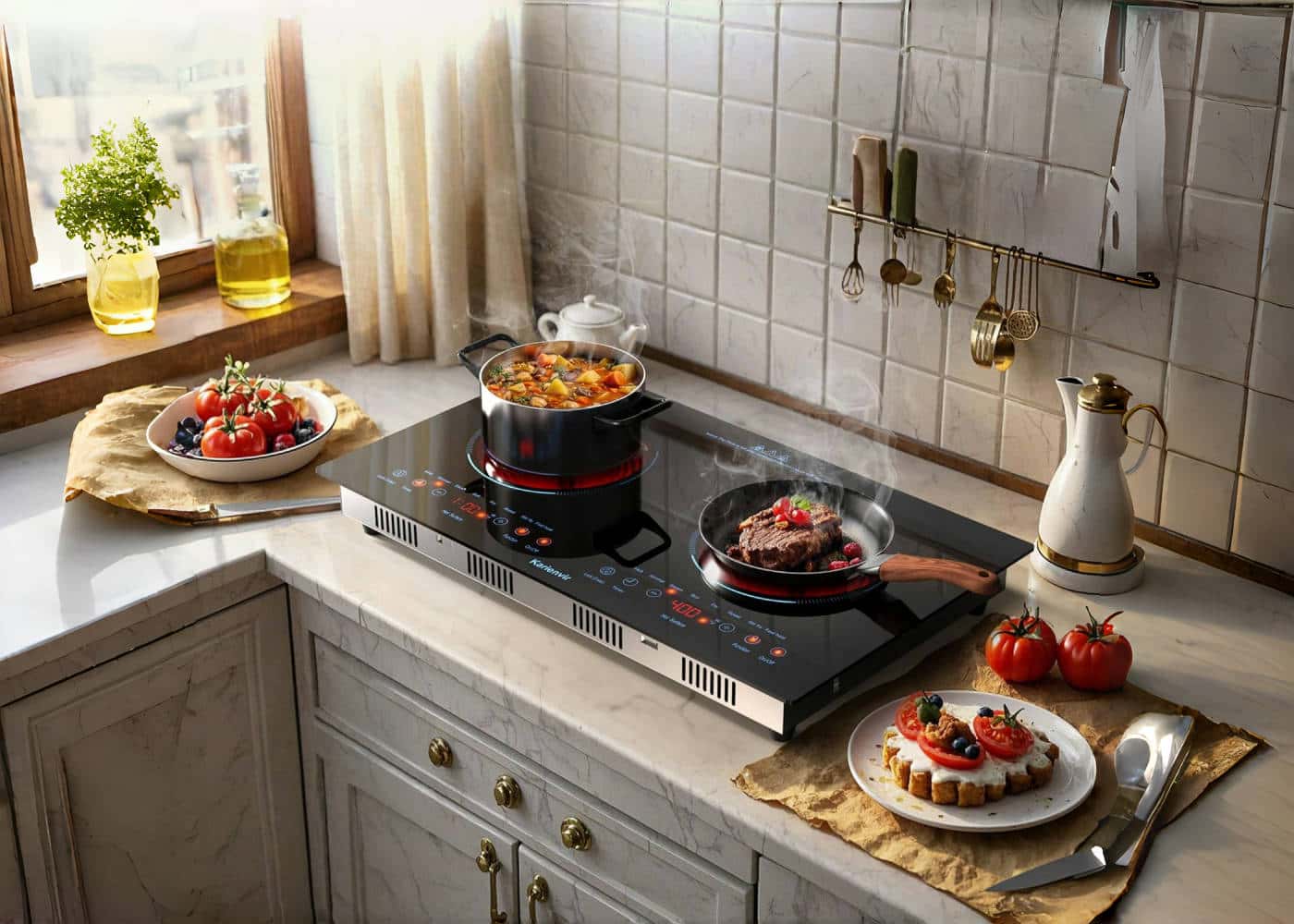
Credit: karinearappliances.com
Tips For Effective Use
Using induction cookware on an electric stove can be a straightforward process if you know the tricks to make the most of it. While induction cookware is primarily designed for induction stoves, its compatibility with electric stoves presents a unique opportunity for versatility in your kitchen. Here are some practical tips to ensure effective use and maintain the quality of your induction cookware on an electric stove.
Selecting The Right Cookware
Not all induction cookware is created equal, and selecting the right pieces is crucial for optimal performance. Choose cookware with a flat bottom to ensure good contact with the electric stove’s surface. This maximizes heat transfer and prevents wobbling. Look for materials like stainless steel or cast iron, which are not only compatible with induction but also perform well on electric stoves.
Consider the size of the cookware. It’s important to match the size of the pot or pan with the burner size for efficient heating. Larger pots on smaller burners can lead to uneven cooking, while smaller pots on larger burners waste energy.
Maintaining Cookware Quality
Quality maintenance of your induction cookware is vital for longevity. Always allow your cookware to cool before cleaning to prevent warping. Use gentle cleaning tools; abrasive scrubbers can damage the surface and degrade the material over time. Opt for a soft sponge or cloth.
Regularly check the cookware for any signs of wear and tear. If you notice any scratches or dents, it might be time to replace them to ensure consistent cooking results. A little attention to detail can go a long way in preserving your cookware.
Have you ever wondered how the choice of cookware can impact your cooking experience? Choosing wisely and maintaining your cookware can make all the difference between a kitchen chore and a delightful culinary adventure.
Consumer Reviews And Experiences
Induction cookware is compatible with electric stoves, offering efficient heat distribution. Users appreciate its quick heating and energy-saving features. Many find it a convenient choice for versatile cooking needs.
Consumer reviews offer valuable insights into the practicality of using induction cookware on electric stoves. Many users share their firsthand experiences, providing a wealth of information that can guide your purchasing decisions. While some reports highlight seamless compatibility, others detail unique challenges that may arise.User Feedback
Customer feedback on using induction cookware on electric stoves often revolves around performance and convenience. Several users have praised the even heat distribution and quick cooking times. They appreciate the energy efficiency and modern design of induction cookware, which often enhances their cooking experience. Others have mentioned the ease of cleaning induction pots and pans, as they tend to have smooth surfaces that resist sticking. A few users even noted that using induction cookware on electric stoves has improved their culinary skills, allowing them to explore new recipes with greater confidence.Common Issues Reported
Despite the positive feedback, some users have encountered issues when using induction cookware on electric stoves. A recurring complaint is the cookware not heating up properly due to the stove’s coil design. This can lead to uneven cooking results, which may be frustrating for meticulous chefs. Additionally, some consumers reported that specific induction cookware sets are not fully compatible with all electric stoves. This often happens due to size mismatches between the cookware base and the stove’s heating element. Understanding the compatibility of your cookware with your stove model can save you from such inconveniences. Have you considered the practicalities before making your purchase? Checking user reviews could be your best ally in ensuring a smooth cooking experience.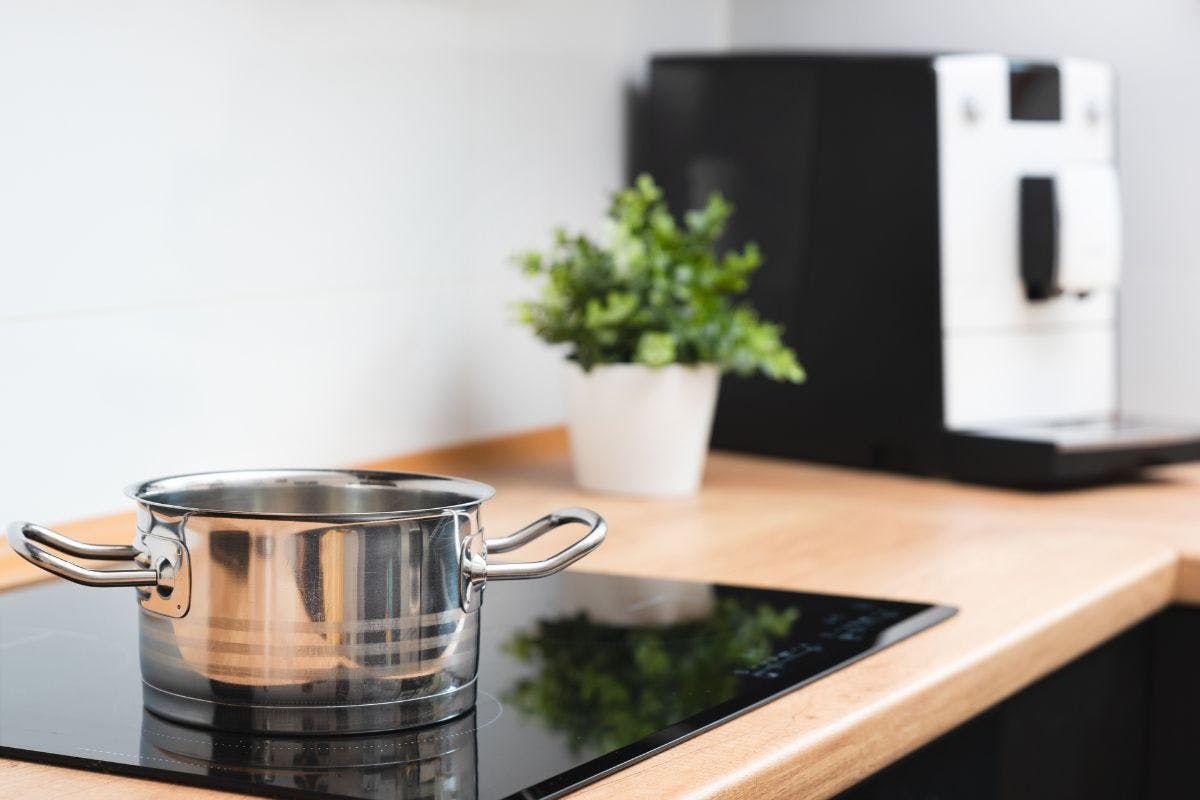
Credit: palmetto.com
Frequently Asked Questions
Can Induction Cookware Damage Electric Stoves?
Induction cookware is safe for electric stoves. It functions well and won’t cause damage. Its magnetic properties don’t affect the stove’s surface. Use flat-bottomed induction cookware for optimal heat distribution on electric stoves.
Is Induction Cookware Energy Efficient On Electric Stoves?
Induction cookware is designed for induction stoves, but it can still be energy-efficient on electric stoves. It retains heat effectively, reducing cooking time. This efficiency depends on how well the cookware matches the stove’s heating elements.
Do Electric Stoves Require Special Cookware?
Electric stoves do not require special cookware. You can use a variety of cookware, including induction pots and pans. Ensure the cookware has a flat bottom for even heat distribution. Compatibility with electric stoves is generally not an issue.
Can All Induction Pans Be Used On Electric Stoves?
Most induction pans can be used on electric stoves. They are typically made with materials like stainless steel that work well on electric stovetops. Check the pan’s base; a flat and smooth bottom ensures better heat conduction.
Conclusion
Induction cookware often works on electric stoves. They are versatile and adaptable. Check if your cookware has a flat base. This ensures even heat distribution. Some materials conduct heat better. Stainless steel and aluminum are good choices. Always read the manufacturer’s guidelines.
They offer important usage tips. Proper care extends the cookware’s life. Clean regularly and avoid harsh scrubbers. This keeps them in top condition. Remember, choosing the right cookware enhances cooking. Enjoy efficient and stress-free meal preparations. It’s about making cooking simpler and enjoyable.