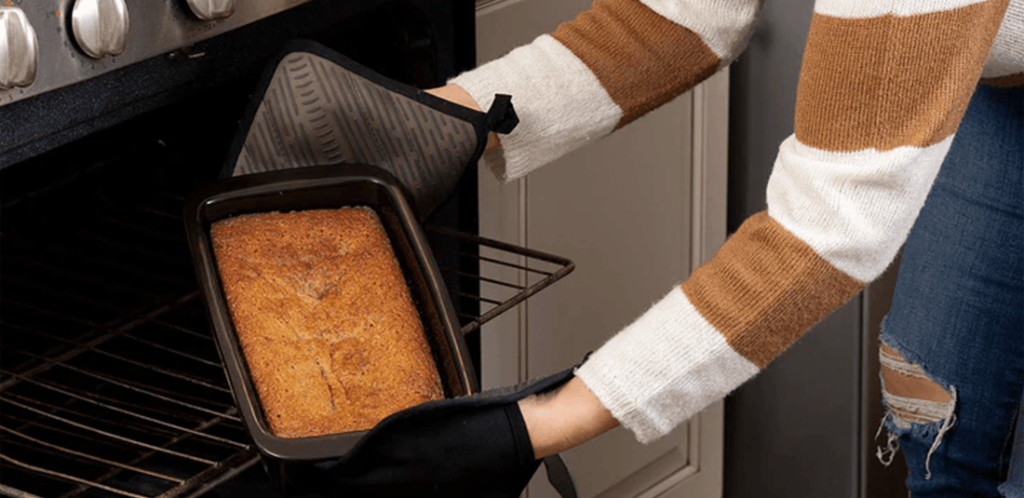
Imagine the convenience of seamlessly transferring your dishes from stovetop to oven without a second thought. You cherish your ceramic cookware for its aesthetic appeal and performance on the stove, but can it really withstand the intense heat of your oven?
This question might have crossed your mind more than once, especially when preparing meals that require a variety of cooking techniques. You’ll uncover the truth about using ceramic cookware in the oven. Discover the benefits, potential risks, and essential tips to ensure your meals are cooked to perfection without damaging your beloved kitchen tools.
Whether you’re an experienced home cook or just starting your culinary journey, understanding the capabilities of your cookware is key to enhancing your cooking experience. Keep reading to explore everything you need to know about safely using ceramic cookware in the oven.
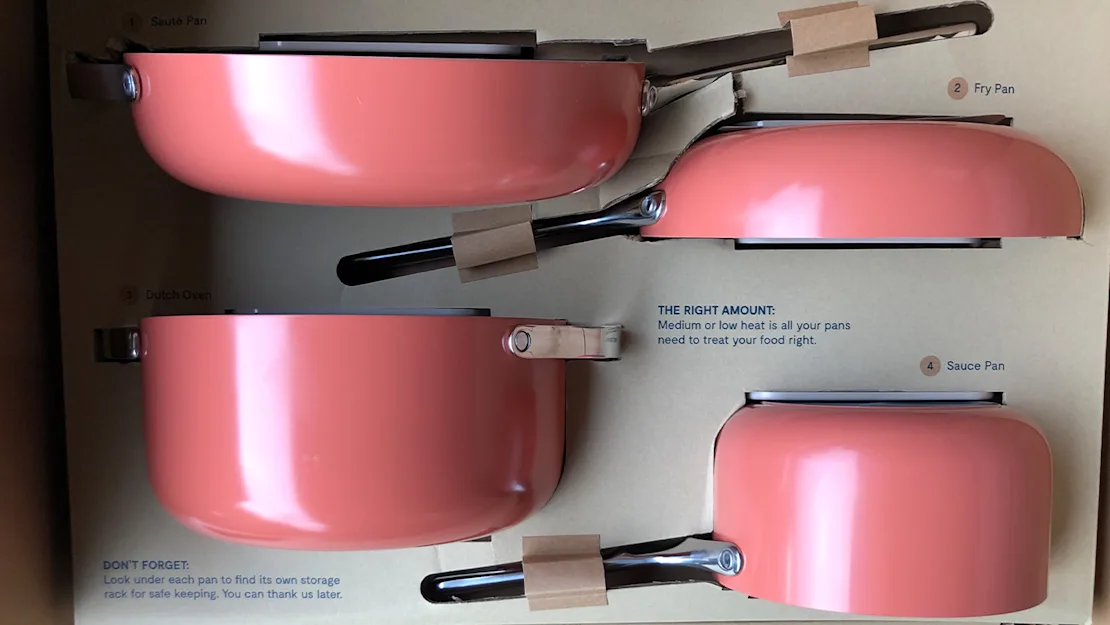
Credit: www.carawayhome.com
Ceramic Cookware Basics
Ceramic cookware is a popular choice in kitchens around the world. It’s known for its non-stick properties and vibrant colors. This cookware offers a unique combination of aesthetic appeal and functionality. Understanding its basic features can help you make the most of your ceramic pots and pans.
Material Composition
Ceramic cookware is made from clay, hardened by heat. The surface is often glazed, providing a smooth, non-stick finish. This glaze also adds a layer of protection against scratches. Some ceramic cookware is reinforced with metal cores. This enhances durability and heat distribution. It’s important to know the type of ceramic used. This affects the cookware’s performance and safety in ovens.
Common Uses
Ceramic cookware is versatile in the kitchen. It’s ideal for baking, roasting, and sautéing. You can use it on the stovetop and in the oven. It retains heat well, keeping food warm for longer. Many home cooks use ceramic cookware for casseroles and lasagnas. It’s also great for frying eggs without sticking. Always check if your ceramic cookware is oven-safe. Some pieces may have temperature limits. Knowing these limits can prevent damage and ensure safe cooking.
Oven Compatibility
Ceramic cookware is increasingly popular due to its non-stick nature and aesthetic appeal. But before you place your ceramic pot or pan in the oven, it’s crucial to understand its oven compatibility. Not all ceramic cookware is made to withstand the high temperatures of an oven, and knowing the specifics can save you from potential kitchen mishaps. Let’s explore how you can safely use ceramic cookware in the oven and what you need to consider.
Temperature Limits
Every ceramic piece has a maximum temperature limit. Typically, ceramic cookware can handle temperatures up to 500°F. However, it’s essential to check the manufacturer’s guidelines for your specific piece. Exceeding the temperature limit can lead to cracking or breaking. Have you ever noticed tiny cracks on your favorite ceramic dish? It might be because it was exposed to higher temperatures than it could handle. Always stay within recommended limits to prolong the life of your cookware.
Safety Considerations
Safety should be your top priority when using ceramic cookware in the oven. Ensure that handles and lids are oven-safe. Some pieces might have plastic or wooden elements that are not suitable for oven use. Additionally, sudden temperature changes can cause ceramic cookware to break. Avoid moving a hot ceramic dish directly to a cold surface or vice versa. Consider using trivets or cloth mats to cushion the impact. Have you ever wondered why some dishes shatter unexpectedly? Often, it’s due to these abrupt changes in temperature.
Benefits Of Using Ceramic In The Oven
Ceramic cookware is oven-safe, making it perfect for baking. It distributes heat evenly, ensuring well-cooked meals. Plus, its non-stick surface allows easy cleaning after use.
The allure of ceramic cookware in the oven is undeniable. It combines functionality with a touch of elegance, making every dish not just a meal, but an experience. The benefits of using ceramic in the oven go beyond aesthetics, offering practical advantages that enhance your cooking endeavors.Heat Distribution
Ceramic cookware is celebrated for its excellent heat distribution. Unlike some materials that create hot spots, ceramic ensures an even cooking surface. This means your lasagna or roasted vegetables cook uniformly, eliminating the risk of some parts being overcooked while others remain underdone. Have you ever wondered why that homemade pie didn’t bake evenly? It might have been your cookware. With ceramic, the heat disperses equally, allowing each layer of your dish to cook to perfection.Non-toxic Properties
Safety in the kitchen is paramount, and ceramic cookware offers peace of mind with its non-toxic properties. Unlike some non-stick coatings that can release harmful chemicals at high temperatures, ceramic is free from PTFE and PFOA. You can confidently bake your favorite dishes without worrying about toxic fumes. Imagine preparing a family meal, knowing that the cookware you use is as safe as the ingredients you choose. This assurance lets you focus on what truly matters—flavor and creativity in every dish. Cooking with ceramic in the oven isn’t just about food; it’s about creating a seamless, enjoyable experience. As you explore the benefits of ceramic cookware, consider how it can transform your kitchen adventures. What new recipes will you try, knowing your cookware supports your culinary dreams?
Credit: www.cookingdetective.com
Potential Risks
Ceramic cookware may crack under high heat, causing potential safety hazards. Always check manufacturer’s guidelines before using it in the oven. Some ceramics might contain harmful materials that can leach into food when heated.
Understanding the potential risks of using ceramic cookware in the oven is essential for maintaining both your cookware and your safety. While ceramic is generally oven-safe, there are certain pitfalls that can cause damage or even lead to accidents. Being aware of these risks ensures that your cooking experience remains seamless and enjoyable.Thermal Shock
Thermal shock occurs when ceramic cookware is exposed to sudden temperature changes. For example, placing a cold dish directly into a hot oven can cause it to crack. Imagine preparing a delicious casserole only to hear a disappointing crack as it heats up. To prevent this, always let your ceramic dish warm up gradually to room temperature before placing it in a hot oven.Glaze Cracking
The glaze on ceramic cookware is both decorative and protective, but it can be fragile. Rapid temperature changes or exposure to direct flame can cause the glaze to crack, compromising the cookware’s integrity and aesthetics. Think of your favorite ceramic baking dish with its beautiful glossy finish. Wouldn’t it be a shame to see it chipped or cracked? To keep the glaze intact, avoid using ceramic cookware on the stovetop or under a broiler. By understanding these potential risks, you can enjoy the benefits of ceramic cookware while minimizing the chances of damage. Have you ever experienced any mishaps with your ceramic cookware? Share your stories and tips to help others avoid these common pitfalls.Expert Tips
Ceramic cookware can elevate your cooking experience. For safe use in the oven, expert tips are essential. Understanding the nuances can ensure your cookware lasts longer. It also guarantees delicious results every time.
Preheating Advice
Preheat the oven before placing ceramic cookware inside. This prevents sudden temperature changes. Sudden changes can cause cracks. Place the cookware in a cool oven. Let it heat as the oven warms up.
Avoid high temperatures. Stick to moderate heat settings for best results. Ceramic can handle heat, but gradual is best. This practice protects the integrity of your cookware.
Maintaining Durability
Durability depends on proper care. Avoid using metal utensils. They can scratch the surface. Choose wooden or silicone tools instead.
Clean the cookware with gentle soap and water. Harsh cleaners can damage the glaze. Allow the cookware to cool before washing. Sudden temperature changes can weaken it.
Store carefully to avoid chipping. Stack with protective layers between pieces. Simple steps ensure your ceramic cookware stays beautiful and functional.
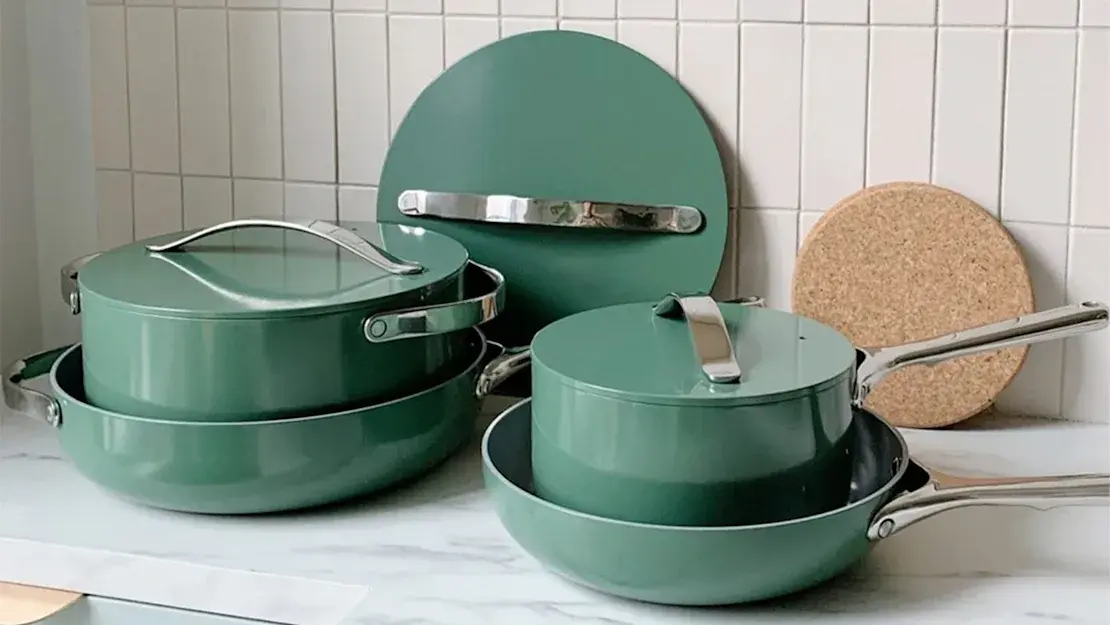
Credit: www.carawayhome.com
Comparing Ceramic To Other Cookware
When deciding on the perfect cookware for your kitchen, understanding the differences between ceramic and other materials can guide your choice. Ceramic cookware is celebrated for its non-stick properties and aesthetic appeal. But how does it really stack up against other types like metal and glass? Let’s dive into a comparison to help you make an informed decision for your culinary adventures.
Metal Cookware
Metal cookware, such as stainless steel or cast iron, is a staple in many kitchens. Known for its durability and excellent heat conductivity, metal cookware can withstand high temperatures, making it ideal for oven use. However, it often requires seasoning or extra oil to prevent food from sticking.
One personal observation is that metal pans are perfect for browning meats and creating a delightful crust. But, they can be heavy and difficult to handle, especially when transferring from stovetop to oven. Ask yourself if you prefer ease of use over that perfect sear when choosing between metal and ceramic.
Glass Alternatives
Glass cookware is another option, popular for its transparency, allowing you to monitor cooking progress. It’s safe for use in the oven and microwave but can be prone to thermal shock if exposed to sudden temperature changes. This means you need to be cautious when moving glass dishes from a hot oven to a cool countertop.
In my experience, glass is fantastic for baking dishes like casseroles where even cooking is key. However, its weight and fragility can be a drawback if you’re looking for something more robust. Consider if the ability to see your food as it cooks is worth the trade-off in durability compared to ceramic.
Each type of cookware has its pros and cons. Your choice should reflect your cooking style and the specific dishes you love to make. Which qualities matter most to you in your kitchen adventures?
Selecting The Right Ceramic Cookware
Ceramic cookware is a versatile choice for oven use. Check the manufacturer’s guidelines to ensure it can withstand high temperatures. Handles and lids should also be oven-safe to maintain safety and functionality.
Selecting the right ceramic cookware is crucial for optimal cooking results. Not all ceramic cookware is suitable for oven use. Knowing how to pick the best one can enhance your cooking experience. Look for pieces that can withstand high temperatures. Also, consider the weight and size. These factors affect how evenly your food cooks.Quality Indicators
Ceramic cookware must be durable. Look for even glaze coverage. This ensures heat distribution. Check for any chips or cracks. These can affect cooking and safety. Verify the material’s thickness. Thicker cookware retains heat better. Non-toxic materials are important. Always choose cookware free from harmful chemicals.Brand Recommendations
Certain brands are known for quality ceramic cookware. Staub offers robust pieces. Their cookware withstands high temperatures. Le Creuset is another reliable brand. They provide a variety of sizes. Emile Henry specializes in oven-safe ceramics. Their products are stylish and functional. Each brand offers unique features to explore.Care And Maintenance
Ceramic cookware is generally oven-safe, but always check the manufacturer’s guidelines first. Some pieces may have temperature limits or special care instructions. Proper handling ensures longevity and optimal performance in your kitchen.
Taking care of your ceramic cookware is just as important as knowing whether it can go in the oven. Proper care and maintenance not only extend the life of your cookware but also ensure optimal performance. You might be surprised to learn that a little attention goes a long way in keeping your ceramic pieces in top shape. Let’s dive into the details of cleaning and storing them.Cleaning Techniques
When it comes to cleaning ceramic cookware, avoid abrasive materials. Scrubbing pads or harsh cleaners can damage the surface. Instead, use a soft sponge with mild dish soap. For stubborn stains, you can fill the cookware with warm water and a tablespoon of baking soda. Let it soak for a few hours or overnight, then gently scrub. This method effectively removes stains without scratching the ceramic. Remember to dry your cookware thoroughly after washing. Any remaining moisture can lead to mold or unpleasant odors.Storage Tips
Storing your ceramic cookware properly is crucial. Stack them with care to avoid chips or cracks. If space is tight, consider using felt or silicone pads between each piece. Hanging racks are a great option if you have the space. They keep your cookware accessible and prevent stacking damage. Plus, it adds a stylish touch to your kitchen. Be mindful of temperature changes. Do not store ceramic cookware near heat sources like ovens or stoves. Sudden temperature shifts can cause cracking. Do you have any unique tips for caring for your ceramic cookware? Share your thoughts in the comments!Frequently Asked Questions
Is Ceramic Cookware Safe For Oven Use?
Yes, ceramic cookware is generally safe for oven use. It can withstand high temperatures without damage. Always check the manufacturer’s guidelines for specific temperature limits. Some ceramic pieces may have coatings that aren’t oven-safe, so verifying is crucial. Proper usage ensures longevity and optimal cooking results.
What Temperature Can Ceramic Cookware Handle?
Ceramic cookware typically handles temperatures up to 500°F (260°C). This makes it suitable for most baking and roasting tasks. However, always consult the manufacturer’s instructions for specific limits. Avoid sudden temperature changes, which can cause cracking. Gradual heating and cooling help preserve the integrity of the cookware.
Can You Use Ceramic Pots In The Oven?
Yes, ceramic pots are oven-safe and versatile for cooking. They are ideal for baking, roasting, and slow-cooking recipes. Make sure to check if lids and handles are oven-safe too. Use caution when handling hot ceramic pots to prevent burns and ensure safety in the kitchen.
How Do You Prevent Ceramic Cookware From Cracking?
To prevent cracking, avoid sudden temperature changes with ceramic cookware. Gradually heat and cool the cookware to maintain its integrity. Use a trivet or cloth when placing hot cookware on cold surfaces. Regularly inspect for chips or cracks to ensure safe and effective cooking.
Conclusion
Ceramic cookware offers great flexibility in the kitchen. It’s perfect for stovetop cooking and oven baking. Always check the manufacturer’s instructions. They ensure safe oven use. Avoid sudden temperature changes. These can damage ceramic pieces. Proper care increases cookware lifespan.
It maintains performance and appearance. Use ceramic cookware for tasty meals. It’s a reliable kitchen companion. Enjoy cooking with ceramic’s safety and versatility. Happy cooking!