Imagine stepping into your kitchen, where the enticing aroma of sizzling food fills the air. Now picture this: the secret behind those mouthwatering dishes is a piece of cookware that has been cherished for generations—your very own cast iron cookware.
If you’ve ever wondered why this humble kitchen tool has stood the test of time, you’re about to discover the magic it brings to your cooking experience. With its durability, versatility, and ability to impart rich flavors, cast iron cookware is more than just a kitchen staple; it’s a culinary companion that transforms every meal into a masterpiece.
As you delve deeper into this article, you’ll uncover the reasons why cast iron is the superhero of your kitchen, and how it can elevate your culinary creations to new heights. Whether you’re a seasoned chef or a home cook looking to enhance your skills, understanding the benefits and best practices of using cast iron cookware will redefine your cooking journey. Get ready to unlock the secrets and elevate your dishes to a level that will impress not only your family but also your taste buds.
History And Evolution
Cast iron cookware has been a staple in kitchens around the world, embodying a rich history and remarkable evolution. Its resilience and versatility have made it a cherished item in culinary traditions, offering both functionality and a connection to the past. Understanding the journey of cast iron cookware can deepen your appreciation for this age-old kitchen companion.
Origins Of Cast Iron Cookware
The roots of cast iron cookware can be traced back to ancient China, where metal casting techniques were first developed. Early artisans crafted vessels and tools, laying the groundwork for what would become essential kitchen equipment. As trade routes expanded, these techniques spread across continents, adapting to different cultures and cuisines.
By the 16th century, cast iron cookware had made its way to Europe. It quickly gained popularity due to its ability to withstand high heat and distribute it evenly. These features made it perfect for hearth cooking, a common practice in homes of the era.
Development Through The Ages
With the onset of the Industrial Revolution, cast iron cookware underwent significant transformations. Mass production techniques allowed for more affordable and consistent products. This era saw the introduction of the cast iron skillet, a versatile tool that remains a favorite in kitchens today.
In the 20th century, cast iron faced competition from newer materials. Yet, it held its ground due to its durability and unique cooking qualities. Many chefs and home cooks returned to cast iron, appreciating its ability to develop a natural non-stick surface with regular seasoning.
Today, cast iron continues to evolve with innovations such as enamel coatings and ergonomic designs. These improvements cater to modern needs while preserving the timeless qualities that have made cast iron cookware a kitchen essential for centuries.
Have you ever cooked with cast iron and experienced its unique cooking properties? How does it compare to other cookware in your kitchen arsenal?

Credit: www.lecreuset.com
Benefits Of Cast Iron
Cast iron cookware is a timeless kitchen favorite. It offers unique benefits that enhance cooking experiences. Its qualities make it a staple in many homes. Let’s explore why this cookware is so valued.
Durability And Longevity
Cast iron is incredibly sturdy. It can withstand high heat and rough handling. This makes it perfect for everyday use. Unlike other materials, it does not wear out quickly. Proper care ensures it lasts for generations. Many families pass down their cast iron pans as heirlooms. This durability provides excellent value for money.
Versatility In Cooking
Cast iron cookware is highly versatile. It is suitable for various cooking methods. You can use it on the stove, in the oven, or over a campfire. It retains heat, cooking food evenly. This makes it ideal for searing, frying, and baking. You can prepare diverse dishes with one pan. Its versatility simplifies meal preparation.
Types Of Cast Iron Cookware
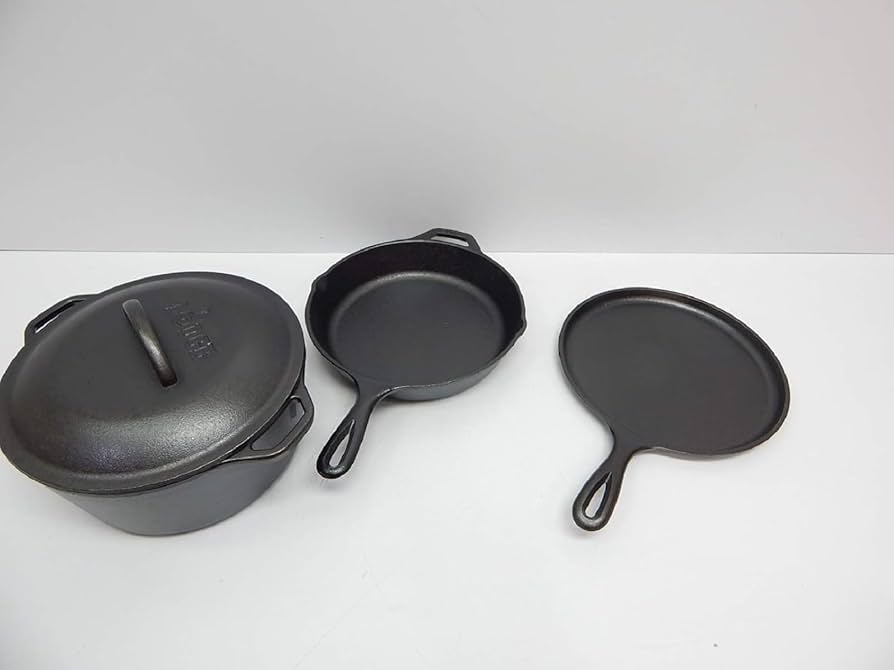
A Cast Iron Cookware includes skillets, Dutch ovens, and griddles. These pieces are known for excellent heat retention. They are perfect for frying, baking, and slow-cooking meals.
Cast iron cookware is a favorite in many kitchens. Its versatility and durability make it a staple for cooks. There are several types of cast iron cookware, each serving different culinary needs. Understanding the types can help you choose the best piece for your cooking style.Skillets And Frying Pans
Skillets are the most common cast iron cookware. They are great for frying, searing, and baking. Their heavy base ensures even heat distribution. Skillets can go from stovetop to oven with ease. They are ideal for cooking meats, vegetables, and even cornbread.Dutch Ovens And Pots
Dutch ovens are perfect for slow-cooked meals. Their thick walls and tight lids keep moisture in. This makes them perfect for stews, soups, and braised dishes. Pots can be used for boiling, simmering, or baking. They are versatile and can handle a variety of recipes.Griddles And Grill Pans
Griddles offer a flat surface for cooking pancakes, eggs, or sandwiches. They distribute heat evenly across the surface. Grill pans have ridges that mimic outdoor grilling. They are perfect for cooking meats and vegetables indoors. The ridges help create those desired grill marks.Seasoning And Maintenance
Seasoning and maintenance are key to enjoying cast iron cookware. Proper care extends its life and enhances its performance. A well-seasoned pan offers a natural non-stick surface. This makes cooking and cleaning easier. Below, you’ll find simple tips on seasoning and maintaining your cast iron cookware.
Seasoning Techniques
Seasoning creates a protective layer on cast iron cookware. This prevents rust and adds flavor. Follow these steps for effective seasoning:
- Wash the cookware with warm water and mild soap.
- Dry thoroughly with a clean cloth.
- Apply a thin layer of vegetable oil all over.
- Place the cookware upside down in the oven.
- Set the oven to 375°F (190°C) and bake for one hour.
- Let it cool in the oven to room temperature.
Cleaning And Care Tips
Proper cleaning keeps your cast iron in top shape. Follow these simple tips:
- Use warm water and a soft sponge for cleaning.
- Avoid harsh detergents and steel wool.
- For tough residues, scrub with coarse salt and water.
- Always dry completely to prevent rust.
- Store in a dry place to maintain its condition.
Cooking Tips And Techniques
Cast iron cookware offers excellent heat retention and distribution for even cooking. Perfect for searing meats and achieving crispy textures. Proper seasoning enhances the non-stick surface and flavor.
Cooking with cast iron cookware offers a unique experience. It brings out rich flavors and ensures even cooking. This section will provide helpful tips and techniques. These will enhance your cast iron cooking journey.Heat Management
Cast iron retains heat effectively. Preheat your pan to ensure even cooking. Use low to medium heat. High heat can damage the seasoning. Wait for the pan to warm up before adding food. This prevents sticking and promotes browning. Use an oven mitt when handling. The handles get very hot.Recipes For Cast Iron
Cast iron is versatile for many recipes. Try a classic skillet cornbread. Mix cornmeal, flour, sugar, and baking powder. Add eggs, milk, and butter. Pour into a preheated skillet. Bake until golden brown. Enjoy a crispy crust and moist center. Another favorite is a seared steak. Season the steak with salt and pepper. Heat the skillet until very hot. Sear the steak on each side for a few minutes. Finish in the oven for desired doneness. Let it rest before serving. This locks in the juices.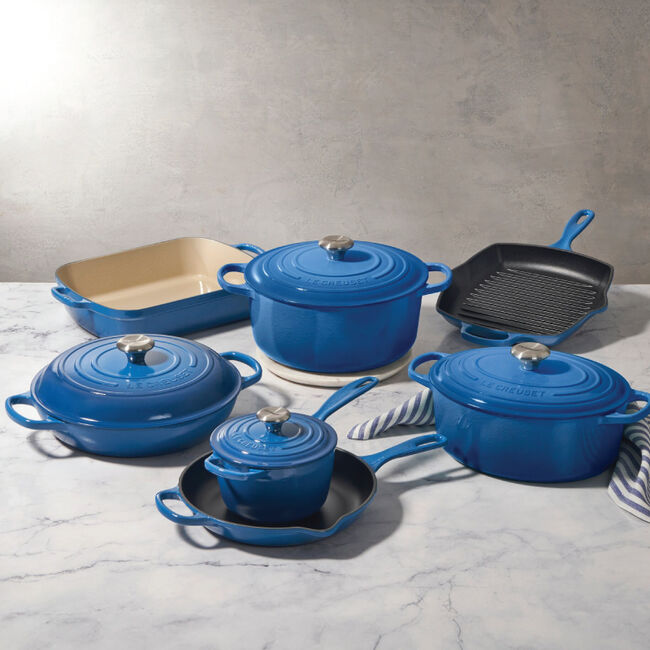
Credit: www.lecreuset.com
Comparing Cast Iron To Other Materials
When it comes to choosing cookware, the material you pick can make a huge difference in your cooking experience. Cast iron, with its rustic charm and durability, often stands out against other materials. But how does it really compare to more modern options like stainless steel and non-stick surfaces? Let’s take a closer look to help you decide which one might be the best fit for your kitchen.
Cast Iron Vs. Stainless Steel
Cast iron is known for its ability to retain and evenly distribute heat. This makes it perfect for dishes that require slow cooking or high-temperature searing. Imagine searing a steak to perfection or baking a golden cornbread; cast iron handles these tasks effortlessly.
Stainless steel, on the other hand, offers ease of maintenance and sleek aesthetics. It heats up quickly and is less heavy, making it suitable for a wide variety of cooking techniques. However, if you’ve ever tried to fry an egg on stainless steel, you know it can be tricky without a good amount of oil or butter.
So, which one should you choose? Consider your cooking habits. Do you prefer quick meals with minimal cleanup? Stainless steel might be for you. Or do you love hearty dishes that require patience and precision? Cast iron could be your new best friend.
Cast Iron Vs. Non-stick
Non-stick pans are often lauded for their easy cleanup and ability to cook with less oil. It’s tempting to use them for quick weekday breakfasts or stir-fries. But have you ever noticed how their coating can wear off over time, affecting performance?
Cast iron, with proper seasoning, can also become relatively non-stick, but it requires a little more love and care. The seasoning process is like nurturing a relationship; it takes time but rewards you with a trusty companion in the kitchen.
Non-stick surfaces can be convenient, but cast iron offers longevity and versatility. Do you want a pan that can go from stovetop to oven without a second thought? Cast iron can handle the transition effortlessly. It’s all about weighing convenience against durability.
What matters most to you: the ease of cooking or the quality and longevity of your cookware? Your answer might just guide you to the perfect choice for your culinary adventures.
Environmental Impact
The environmental impact of cookware is an often overlooked aspect of our kitchen choices. Cast iron cookware, however, stands out for its sustainable nature and longevity, making it a conscious choice for eco-minded cooks. Let’s dive into how cast iron contributes positively to our environment.
Sustainability Of Cast Iron
Cast iron is incredibly durable. A single piece can last for generations, reducing the need for frequent replacements. This longevity means less waste over time, contributing to a smaller environmental footprint.
Think about the pans your grandparents used—those vintage pieces are often still in use today. This durability not only saves resources but also makes cast iron cookware a cherished heirloom.
Additionally, cast iron is made from natural materials, primarily iron ore, which is abundant. Its production is simpler compared to non-stick coatings, which often involve harmful chemicals.
Recycling And Reuse
Cast iron is fully recyclable. If a piece does become unusable, it can be melted down and repurposed. This recycling process uses less energy compared to producing new metal items.
Have an old cast iron skillet that’s too worn for cooking? Get creative by repurposing it as a plant holder or garden decoration. This keeps items out of landfills while adding charm to your home.
Moreover, many enthusiasts enjoy restoring old cast iron pieces. With a bit of elbow grease, you can breathe new life into a rusty skillet, turning it from trash to treasure.
How do you contribute to sustainability in your kitchen? Embracing cast iron cookware might be a step towards a greener lifestyle, combining practicality with environmental stewardship.

Credit: www.amazon.com
Popular Brands And Manufacturers
Renowned names in cast iron cookware include Lodge, known for affordability and durability. Staub offers elegant designs with excellent heat retention. Le Creuset combines vibrant colors with lasting quality, often favored by professionals.
Popular brands and manufacturers of cast iron cookware offer a world of culinary possibilities. Their products are beloved for their durability, heat retention, and timeless appeal. Whether you’re a seasoned chef or a home cook, knowing which brands to trust can make all the difference in your kitchen adventures.Leading Cast Iron Companies
Several companies have carved out a niche in the world of cast iron cookware, each bringing something unique to the table. Lodge, a name synonymous with cast iron, has been producing quality cookware in the USA since 1896. Their products are known for being affordable and reliable, making them a staple in many households. Le Creuset, on the other hand, offers a luxurious touch with their vibrant enameled cast iron pieces. Their cookware not only performs well but also adds a splash of color to your kitchen decor. For those seeking traditional craftsmanship, Staub provides beautifully designed pieces that excel in both form and function.Innovations In Cast Iron Design
While cast iron has a long history, modern manufacturers are constantly pushing the boundaries of design and functionality. Some brands have introduced lightweight versions of traditional cast iron, making it easier to handle without compromising on performance. Others have focused on enhancing non-stick properties by creating smoother surfaces, eliminating the need for excessive seasoning. Imagine being able to cook your favorite dishes with minimal oil and easy cleanup! Have you ever considered the environmental impact of your cookware? Some brands are committed to sustainability, using recycled materials and eco-friendly production methods. Choosing such products not only benefits your cooking but also the planet. By understanding the innovations and strengths of popular brands, you can select cast iron cookware that perfectly suits your needs and culinary style. So, which brand resonates with you and why?Future Of Cast Iron Cookware
The future of cast iron cookware is shaping up to be an exciting blend of tradition and innovation. As more home cooks and professional chefs rediscover the benefits of this timeless material, manufacturers are keen to keep up with evolving preferences. You might be surprised at how technology and trends are breathing new life into these kitchen staples.
Trends In Cast Iron Usage
Cast iron cookware is experiencing a resurgence among young cooks who value sustainability and durability. Unlike disposable cookware, cast iron offers longevity and a unique cooking experience. It’s not uncommon to see families passing down their well-seasoned pans across generations.
There’s also a noticeable shift towards colorful enamel finishes that make cast iron pieces as aesthetically pleasing as they are functional. Are you someone who loves cooking with vibrant cookware that doubles as kitchen decor? If so, you’re part of a growing group that cherishes both form and function.
Technological Advancements
Modern innovations are making cast iron easier to use and maintain. Manufacturers are developing lighter cast iron pieces without compromising on the heat retention qualities. This means you can enjoy the benefits of cast iron without the arm workout.
Have you heard about pre-seasoned cookware? This technological advancement saves you from the sometimes daunting task of seasoning your pans. With technology making cast iron more accessible, is there anything stopping you from trying it?
Technology isn’t just limited to the cookware itself. Online communities provide a wealth of information on how to care for cast iron, ensuring your pieces last a lifetime. Are you ready to join a community that supports your cooking journey?
Frequently Asked Questions
What Is Cast Iron Cookware Made Of?
Cast iron cookware is made from molten iron poured into molds. It’s highly durable and retains heat exceptionally well. This makes it ideal for cooking a variety of dishes. Its natural non-stick surface improves with use, enhancing flavors over time.
How Do You Season Cast Iron Cookware?
To season cast iron, coat it with a thin layer of vegetable oil. Bake it upside down in an oven at 450°F for an hour. This process creates a natural, non-stick surface. Regular seasoning protects against rust and improves cooking performance.
Can You Use Soap On Cast Iron?
Yes, you can use mild soap on cast iron occasionally. However, avoid it frequently as it can strip the seasoning. Instead, clean with hot water and a stiff brush. Dry immediately to prevent rust and maintain its seasoned surface.
Why Is Cast Iron Cookware So Heavy?
Cast iron is dense and thick, making it heavy. This density allows it to retain heat well and distribute it evenly. The weight is a testament to its durability and efficiency. Proper use and care ensure long-lasting cookware performance.
Conclusion
Choosing cast iron cookware enhances your cooking experience. It offers durability and versatility. You can cook a variety of dishes with it. Its heat retention is excellent. Cleaning is simple with proper care. It’s a long-term kitchen investment. Cast iron adds flavor to your meals.
Perfect for both beginners and seasoned cooks. This cookware suits every kitchen style. Enjoy delicious results every time you cook. Consider cast iron for your next purchase. It’s a trusted choice for many. Start cooking with confidence today. Your meals deserve the best tools.
Cast iron is that tool.