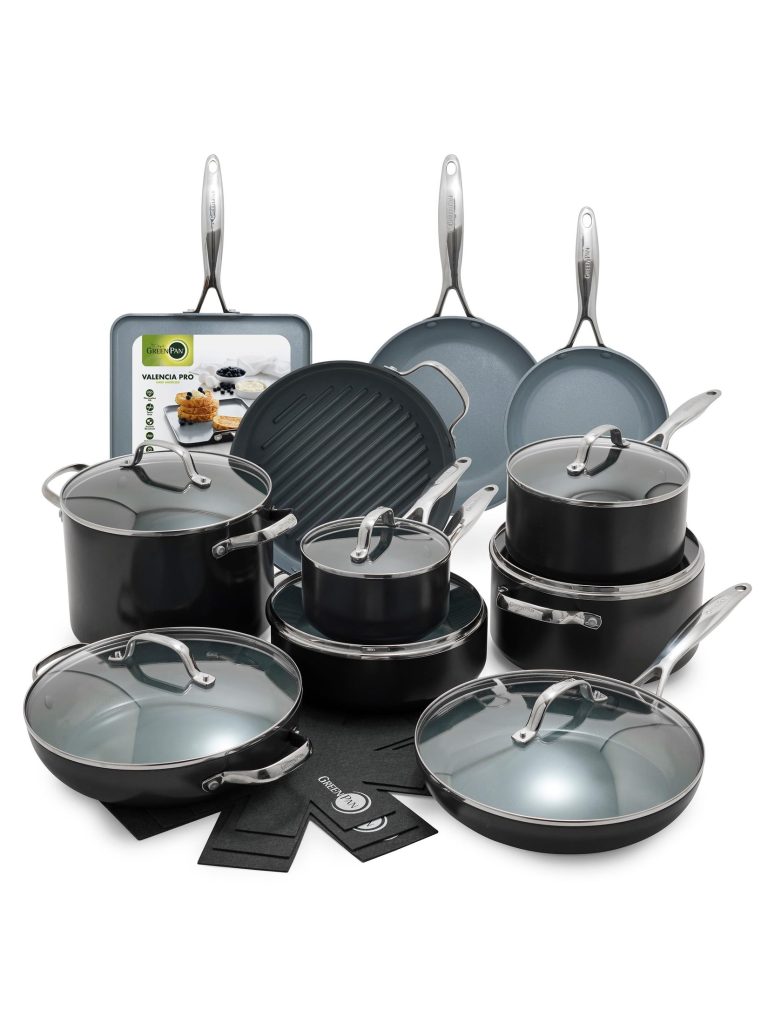
Are you concerned about the safety of your cookware? If you’re using hard anodized pots and pans, you might be wondering if they contain PFAS, the chemicals that have raised eyebrows for their potential health risks.
Your kitchen should be a place of nourishment and joy, not worry. Understanding what you’re cooking with can make all the difference. We’ll uncover the truth about hard anodized cookware and its connection to PFAS, so you can make informed choices for you and your family.
Stay with us to ensure your culinary adventures are both safe and delightful.
What Is Hard Anodized Cookware?
Hard anodized cookware is a popular choice among cooking enthusiasts for its durability and efficiency. But what exactly is it, and why does it stand out in the crowded world of kitchenware? Let’s dive into the specifics of hard anodized cookware to understand its unique features and benefits.
Hard anodized cookware is made from aluminum that has undergone an anodizing process. This involves treating the aluminum with an electrochemical procedure to make it harder and more durable. As a result, it becomes non-reactive with acidic foods, unlike regular aluminum.
This cookware is known for its impressive heat distribution, ensuring your food cooks evenly. You might find that your favorite dishes turn out better, with fewer hot spots and more consistent results. Have you ever noticed how some meals taste different when cooked in different pans? The superior construction of hard anodized cookware can be the game-changer you’ve been looking for.
Another appealing characteristic is its non-stick surface, which doesn’t involve a traditional coating. This means you can cook with less oil, making your meals healthier. Plus, cleaning up afterward is a breeze—no more scrubbing stubborn food residue off your pots and pans!
How Does It Compare To Other Cookware?
Compared to stainless steel, hard anodized cookware offers better non-stick capabilities. While stainless steel is excellent for browning and searing, it can be tricky with delicate foods. Hard anodized pans provide a more forgiving surface for tasks like frying eggs or pancakes.
On the other hand, non-stick cookware often relies on chemical coatings that might not withstand high heat. Hard anodized cookware, however, can handle high temperatures without degrading. This allows you to experiment with different cooking techniques without worrying about damaging your pans.
Is It Worth The Investment?
Investing in hard anodized cookware can significantly enhance your cooking experience. Its durability means it will last longer, saving you money in the long run. Consider how often you’ve replaced cheaper pans due to wear and tear—hard anodized cookware offers a robust alternative.
Moreover, if you prioritize healthy cooking, its non-stick properties help reduce oil use. This small change can contribute to a healthier lifestyle over time. Have you considered how your choice of cookware affects your health and budget?
Hard anodized cookware is a reliable option for those who value durability and performance in the kitchen. Its unique features cater to both novice cooks and seasoned chefs alike. As you explore different cookware options, think about what matters most to you in your culinary adventures. Could hard anodized cookware be the missing piece in your kitchen arsenal?
Pfas And Their Impact
PFAS, or per- and polyfluoroalkyl substances, have been making headlines for their lasting impact on health and the environment. These chemicals are found in various everyday products, including some cookware, raising concerns about their safety. If you’ve ever wondered whether your hard anodized cookware might contain PFAS and what implications this could have, you’re not alone.
Understanding Pfas
PFAS are synthetic chemicals known for their water and grease-resistant properties. They are often used in non-stick coatings, making them a common choice in kitchenware. Although effective, their resistance to breaking down means they persist in the environment for a long time. This durability is what initially made them popular, but it’s also what makes them potentially hazardous.
Health And Environmental Concerns
The long-lasting nature of PFAS means they accumulate in the human body and the environment, leading to potential health risks. Studies have linked PFAS exposure to various health issues, including thyroid problems and immune system disruptions. It’s important to consider how everyday cookware choices might contribute to these risks.
Environmentally, PFAS contamination affects water supplies and wildlife, posing long-term challenges. Addressing these concerns starts with awareness and proactive choices. Are you mindful of the materials in your kitchen products? Understanding PFAS can guide you toward safer, more sustainable options.
Manufacturing Process Of Hard Anodized Cookware
The manufacturing process of hard anodized cookware is both fascinating and crucial in determining the quality and safety of the product. This process involves several intricate steps designed to enhance the durability and performance of the cookware. Understanding these steps not only helps you appreciate the craftsmanship but also informs your choices regarding kitchenware.
Anodizing Process
Anodizing is the core of hard anodized cookware production. It involves electrochemical treatment where aluminum is submerged in an acid bath and subjected to an electric current. This process thickens the natural oxide layer on the surface, resulting in a harder, more scratch-resistant finish. It’s like giving your cookware a protective armor.
Think of it as creating a shield that not only safeguards the cookware but also makes it non-reactive to acidic foods. Have you ever worried about cookware leaching unwanted substances into your meals? This anodizing process ensures your cookware remains safe and non-reactive, offering peace of mind every time you cook.
Materials Used
The main material used is high-quality aluminum, chosen for its excellent heat conductivity. This ensures even cooking, reducing hot spots that can ruin your culinary creations. The aluminum used in hard anodized cookware is more robust than regular aluminum, thanks to the anodizing process.
But that’s not all. Sometimes, manufacturers blend in other metals for enhanced performance, such as adding stainless steel bases for induction compatibility. Imagine the convenience of using the same cookware across different stovetops. Wouldn’t that simplify your cooking routine?
These materials ensure your cookware is not only efficient but also versatile, adapting to various cooking methods and preferences. When choosing your next set of cookware, consider how these materials align with your cooking style and needs.
Does the thought of cooking with hard anodized cookware excite you? Or do the materials used and the anodizing process raise questions about safety and performance in your mind?

Credit: www.amazon.com
Presence Of Pfas In Cookware
The presence of PFAS (per- and polyfluoroalkyl substances) in cookware has become a topic of concern for many health-conscious individuals. These chemicals are known for their non-stick properties and have been widely used in various kitchen products. However, recent studies have raised questions about their safety, particularly in relation to hard anodized cookware.
Common Cookware Chemicals
When you think about the materials that make your favorite frying pan non-stick, you might not consider the cocktail of chemicals involved. Common cookware chemicals include PTFE (Polytetrafluoroethylene), often recognized as Teflon, along with PFOA (Perfluorooctanoic acid), which has been used in the production of non-stick coatings.
These chemicals provide the convenience of easy-to-clean cookware but at what cost to your health? Not all non-stick pans are created equal, and understanding what goes into them can make a difference in your kitchen choices. Reading labels and doing a bit of research might save you from unwanted exposure to potentially harmful substances.
Pfas In Non-stick Coatings
PFAS have been a staple in non-stick coatings for decades, prized for their ability to repel oil and water. Unfortunately, their benefits come with a downside, as they are known to persist in the environment and the human body. This persistence has sparked concern over potential health risks.
Some manufacturers have taken steps to reduce or eliminate PFAS from their products, but it’s not always clear which items are truly free from these chemicals. As a consumer, it’s crucial to stay informed and demand transparency from brands. Have you ever wondered if your favorite pan might be harboring these hidden chemicals?
It’s worth considering alternatives like ceramic or stainless steel cookware, which may not carry the same risks. Next time you shop for kitchen essentials, think about the long-term impact of your choices on both your health and the planet. Your kitchen can be a place of safety and sustainability if you choose wisely.
Analyzing Pfas In Hard Anodized Cookware
Exploring whether hard anodized cookware contains PFAS is crucial for health-conscious cooks. PFAS, or per- and polyfluoroalkyl substances, are chemicals often found in non-stick coatings. Understanding how these substances interact with cookware materials helps consumers make informed choices.
Analyzing PFAS in Hard Anodized Cookware Understanding what goes into your cookware is crucial for making informed choices in your kitchen. Hard anodized cookware is popular for its durability and non-stick properties. However, concerns about PFAS (per- and polyfluoroalkyl substances) have led many to question its safety.Scientific Studies And Findings
Scientific studies have been exploring the presence of PFAS in various consumer products, including cookware. Some studies suggest that certain non-stick coatings can contain PFAS, which may release harmful chemicals at high temperatures. However, hard anodized cookware typically does not use these coatings, making it a safer option. Researchers have highlighted that the manufacturing process of hard anodized cookware differs significantly from traditional non-stick pans. This process minimizes the risk of PFAS contamination. But how confident can you be about the absence of PFAS in these products?Expert Opinions
Experts in the field of cookware safety often emphasize the importance of understanding product labels and manufacturer claims. According to some professionals, if a cookware label specifically states that it is free of PFAS, you can feel more assured about its safety. Industry experts also suggest checking for certifications from reputable organizations. These certifications can offer peace of mind, confirming that the cookware meets safety standards. Have you ever considered reaching out to manufacturers directly to ask about the presence of PFAS in their products? When selecting cookware, it’s essential to weigh the benefits of durability and performance against potential health risks. By staying informed and asking the right questions, you can make choices that prioritize both your health and cooking needs.
Credit: www.anmliquidation.com
Comparing Cookware Safety
Hard anodized cookware is popular for its durability and non-stick surface. Concerns arise about PFAS presence, though. Typically, hard anodized cookware doesn’t contain PFAS, making it a safer choice for health-conscious consumers.
Comparing cookware safety can feel like navigating a maze with numerous options and varying information. It’s essential to understand what materials make up your cookware and how they impact your health and the environment. One question that often arises is whether hard anodized cookware contains PFAS, a group of man-made chemicals that have raised health concerns.Alternative Cookware Options
If you’re concerned about PFAS in your cookware, consider alternatives that are known for their safety and durability. Cast iron cookware is a timeless choice, offering excellent heat retention and a natural non-stick surface when properly seasoned. Stainless steel is another great option, praised for its durability and ease of maintenance. It doesn’t react with food, making it a safe choice for various cooking needs. Ceramic cookware is also gaining popularity due to its non-stick properties without the use of PFAS. However, ensure it’s free from lead and cadmium to avoid other health risks.Safety Standards And Regulations
Cookware safety is governed by various standards and regulations to ensure consumer protection. In the U.S., the Food and Drug Administration (FDA) monitors the safety of materials that come into contact with food. They set limits on the levels of harmful substances that can leach from cookware into food. The Environmental Protection Agency (EPA) also regulates chemicals like PFAS in consumer products. They have been increasingly vigilant about restricting these substances due to their potential health risks. Knowing these regulations can empower you to make informed decisions about the cookware you choose for your kitchen. Are you aware of the safety standards your cookware meets? Checking labels and certifications can help you cook with confidence.Tips For Safe Cookware Use
Choosing safe cookware is crucial for healthy cooking. Hard anodized cookware is popular, but concerns about PFAS are common. Understanding how to safely use cookware can reduce exposure to harmful chemicals.
Maintaining Cookware
Proper maintenance extends cookware life. Clean cookware with gentle soap and a soft sponge. Avoid abrasive cleaners that can damage surfaces. Dry cookware completely before storing to prevent rust.
Inspect cookware regularly for damage. Replace any item with scratches or chips. Damaged surfaces can release unwanted chemicals during cooking.
Reducing Chemical Exposure
Use low to medium heat settings. High heat can cause cookware to release chemicals. Avoid overheating pans to protect food quality.
Ventilate your kitchen while cooking. Open windows or use exhaust fans. Good ventilation reduces chemical buildup in the air.
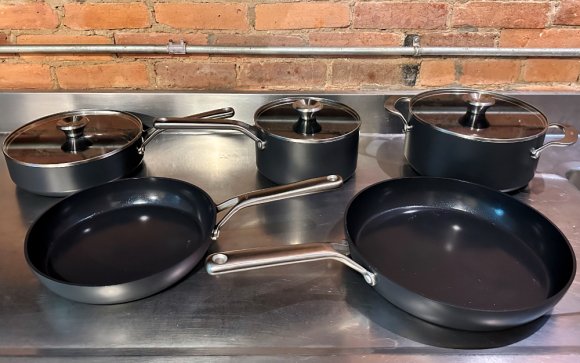
Consider using stainless steel or ceramic as alternatives. These materials are generally free from PFAS and other chemicals. They can be safer options for everyday cooking.
Credit: www.popsci.com
Frequently Asked Questions
Is Hard Anodized Cookware Safe From Pfas?
Hard anodized cookware is generally free from PFAS chemicals. It undergoes an electrochemical process that hardens the surface, eliminating the need for non-stick coatings that may contain PFAS. Always check the manufacturer’s specifications to ensure your cookware is PFAS-free for peace of mind.
How Is Hard Anodized Cookware Made?
Hard anodized cookware is made through an electrochemical process. This process hardens the aluminum and creates a durable, non-reactive surface. Unlike traditional non-stick coatings, it doesn’t require PFAS chemicals. This makes it a safer choice for cooking healthy meals.
Can Hard Anodized Cookware Contain Pfas?
Typically, hard anodized cookware does not contain PFAS. The anodizing process strengthens the surface without needing non-stick coatings. Always verify with the manufacturer to ensure your cookware is free from harmful chemicals like PFAS.
What Are The Benefits Of Hard Anodized Cookware?
Hard anodized cookware offers excellent durability and heat conductivity. It is resistant to scratches and corrosion, making it long-lasting. Its non-reactive surface ensures safe cooking without the risk of leaching harmful chemicals into your food.
Conclusion
Hard anodized cookware remains popular for its durability and performance. Concerns about PFAS are valid. Many manufacturers now aim for safer options. Check product labels and company information. Research helps ensure your cookware choice is wise. Cooking safely is crucial for healthy living.
Consider alternatives if worried about chemicals. Stainless steel and cast iron offer safer choices. Choose what fits your needs best. Always prioritize health and safety in your kitchen. Making informed decisions leads to better cooking experiences. Keep exploring cookware options.
Stay updated on safer materials. Your kitchen deserves only the best care.