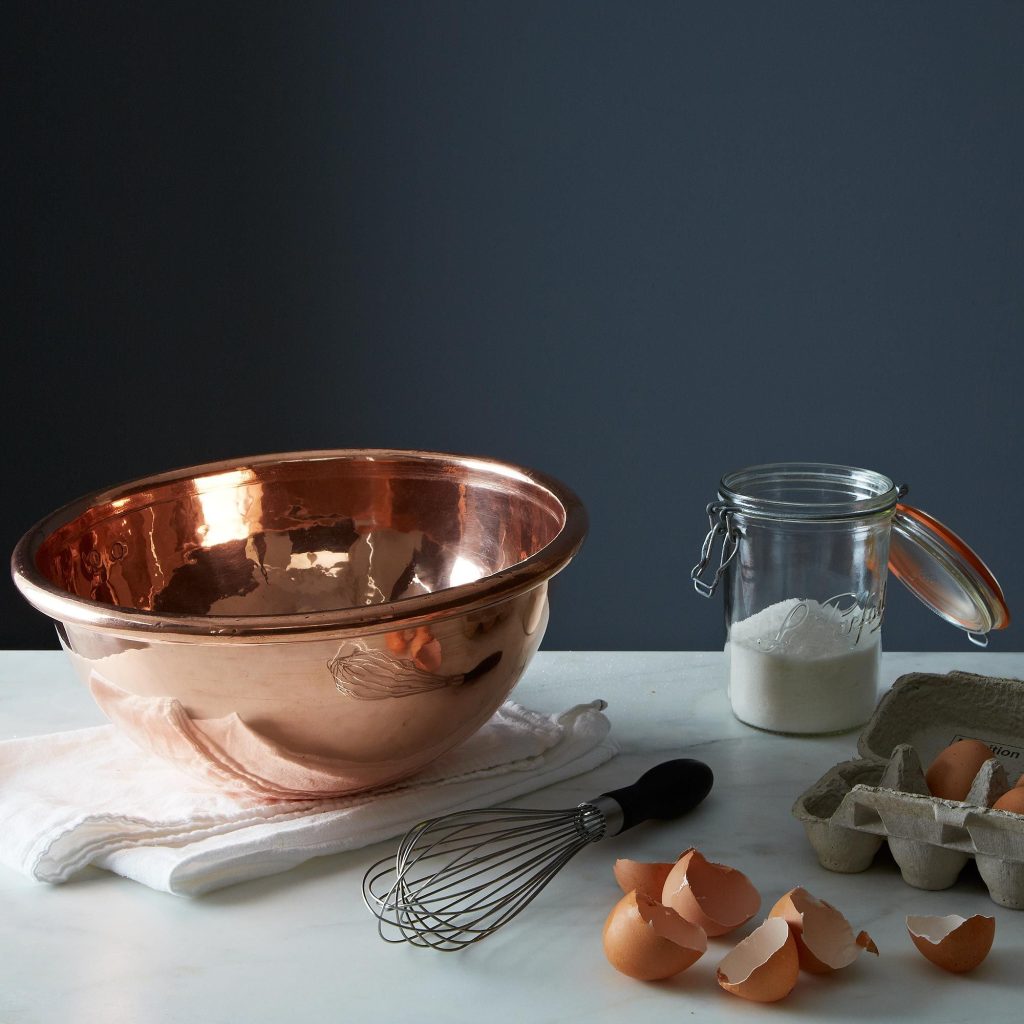
Imagine crafting a delicious meal in your kitchen, surrounded by the gleaming allure of copper cookware. As you sauté, fry, and simmer, the vibrant copper pots and pans add a touch of elegance and warmth to your culinary experience.
But amidst the charm and beauty, a question arises: is it safe to cook with copper cookware? Your curiosity is valid, and the answer is crucial for your peace of mind. As you explore the benefits and potential risks associated with copper cookware, you’ll gain insights that will not only enhance your cooking skills but also ensure the safety of your loved ones.
Understanding the role of copper in your kitchen can transform your cooking habits and elevate your culinary creations. Stay with us as we delve into the world of copper cookware, unraveling myths, providing expert advice, and ensuring you make the best choices for your kitchen. Your next meal could be the masterpiece you’ve always dreamed of, with copper as your trusted companion.
Copper Cookware Overview
Copper cookware provides excellent heat distribution, enhancing cooking precision. Safe usage requires maintaining the cookware’s lining, often stainless steel or tin, to prevent copper leaching. Proper care ensures delicious and safe meals.
Copper cookware has been a cherished kitchen staple for centuries. Known for its exceptional heat conductivity, it provides precise temperature control. This makes it ideal for delicate dishes and sauces. Copper pots and pans are often lined with stainless steel or tin. This lining prevents copper from reacting with food. It also enhances durability and safety. Many chefs appreciate copper cookware for its aesthetic appeal and performance. The gleaming surface adds elegance to any kitchen setting.Advantages Of Copper Cookware
Copper heats up quickly and evenly. This ensures consistent cooking results. It cools down rapidly when removed from heat. This allows for better control over cooking.Types Of Copper Cookware Linings
Copper cookware comes with different linings. Common choices include stainless steel and tin. Stainless steel offers durability and is easy to clean. Tin provides a non-stick surface and is great for low-heat cooking.Maintenance Tips For Copper Cookware
Regular cleaning keeps copper cookware looking its best. Use gentle cleaners to preserve its shine. Avoid abrasive materials that can damage the lining. Periodically polish copper surfaces to maintain their luster.Potential Health Concerns
Unlined copper can react with acidic foods. This might lead to copper leaching into food. It’s crucial to ensure proper lining to avoid health risks. Always check for wear and tear on the lining.Considerations For Purchasing Copper Cookware
Evaluate your cooking needs before purchasing. Consider cookware with durable linings for safety. Assess the weight and handle comfort for ease of use. Price and budget are also significant factors.
Credit: www.instagram.com
Benefits Of Copper Cookware
Copper cookware offers excellent heat conductivity, ensuring even cooking. It is safe when lined with stainless steel or tin, preventing copper from leaching into food.
Copper cookware has captivated chefs and home cooks alike with its unique benefits. Not only does it offer functional advantages, but it also adds a touch of elegance to any kitchen.Excellent Heat Conductivity
Copper is renowned for its superior heat conductivity. It heats evenly and quickly, reducing cooking time. This quality minimizes hot spots, ensuring food cooks consistently throughout.Control And Precision In Cooking
Copper cookware provides excellent control over cooking temperatures. It responds promptly to changes in heat settings. This precise control helps achieve perfect results, especially in delicate dishes.Aesthetic Appeal
Copper pots and pans are visually stunning. Their shiny, warm appearance enhances kitchen decor. Displaying copper cookware adds a professional touch to your culinary space.Health Concerns
Cooking with copper cookware can elevate your culinary experience, but it also raises important health concerns. While copper is an essential mineral for your body, excessive exposure can be harmful. Understanding the balance between safe use and potential risks is crucial for your well-being.
Potential Copper Toxicity
Too much copper in your diet can lead to copper toxicity. This condition can cause symptoms like nausea, vomiting, and abdominal pain. Have you ever experienced unexplained fatigue or headaches after a meal? It might be worth considering the cookware you used. Over time, chronic exposure to high copper levels can affect your liver and kidneys.
If you use unlined copper pots, the risk increases, especially when cooking acidic foods. The acidity can cause the copper to leach into your food, increasing your exposure. Are you using copper pots correctly? Ensuring your cookware is lined with a non-reactive metal can help prevent these risks.
Safe Levels Of Copper Exposure
The body needs copper for essential functions, but only in small amounts. The recommended daily allowance for adults is about 900 micrograms. How can you ensure you’re not exceeding this limit? Use copper cookware that is lined with stainless steel or tin. This layer prevents direct contact between the copper and your food.
It’s also helpful to be mindful of other sources of copper in your diet, such as nuts, seeds, and shellfish. Are you balancing your copper intake from various sources? Regularly check for signs of wear on your copper cookware. If the lining is damaged, it’s time to replace or re-tin them to maintain safety.
Protective Linings
Copper cookware can be safe for cooking if it has a protective lining. This lining prevents copper from reacting with food, ensuring safe and healthy meals. Always check for intact linings to avoid potential risks.
Copper cookware is loved for its excellent heat conductivity and aesthetic appeal. However, cooking directly on copper surfaces can lead to health concerns. This is where protective linings come into play. They form a barrier between the copper and your food, ensuring both safety and longevity. Let’s explore some common types of linings used in copper cookware.Tin Lining
Tin lining is a traditional choice that many chefs appreciate. It’s soft and provides a non-stick surface, making it easy to cook delicate foods. However, tin can wear away over time, especially if you frequently use high heat. Re-tinning is an option, but it can be inconvenient and costly. Do you have a cherished copper pan with a tin lining? It might require special care to maintain its integrity.Stainless Steel Lining
Stainless steel linings offer durability and are resistant to scratches. They are more robust compared to tin, making them suitable for everyday cooking. This lining won’t affect the taste of your food, and you can use metal utensils without worry. However, some people feel that stainless steel doesn’t conduct heat as well as tin. Have you noticed any differences in how your stainless steel-lined copper pans heat up?Ceramic Lining
Ceramic linings are gaining popularity for being non-reactive and eco-friendly. They provide a slick surface that makes cleaning easy and reduces the need for excessive oil. Ceramic is also known for its resistance to high temperatures. But, like all ceramics, these linings can chip or crack if handled roughly. Are you ready to make the switch to ceramic lining for a safer, eco-conscious cooking experience? Choosing the right lining for your copper cookware can enhance your cooking experience while ensuring safety. Each type of lining offers unique benefits and potential drawbacks. What’s your preference, and how does it align with your cooking style?Proper Maintenance Tips
Proper maintenance is crucial for ensuring the safety and longevity of copper cookware. Copper pots and pans offer excellent heat conductivity, but they require special care. Here are some essential maintenance tips to keep your cookware in top condition.
Cleaning Techniques
Clean copper cookware with mild soap and warm water. Avoid abrasive cleaners that may scratch the surface. Use a soft sponge or cloth to gently clean the cookware. For stubborn stains, create a paste using vinegar and salt. Apply it to the stain and scrub gently. Rinse thoroughly after cleaning to remove any residue. Dry immediately with a soft towel to prevent water spots.
Regular Re-lining Importance
Copper cookware often has a tin or stainless steel lining. This lining prevents copper from reacting with food. Over time, the lining may wear out and need re-lining. Regular re-lining maintains the cookware’s safety and effectiveness. Consult a professional for re-lining services. Check your cookware regularly for any signs of wear.
Storage Recommendations
Store copper cookware in a dry place to prevent tarnish. Avoid stacking heavy pots on top of each other. Use protective padding between pieces to avoid scratches. Hanging pots and pans can save space and prevent damage. Ensure the storage area is free from moisture and humidity. This helps maintain the cookware’s appearance and function.

Credit: www.reddit.com
Alternatives To Copper Cookware
Many home cooks love copper cookware for its quick heating and beautiful look. But some worry about its safety. Thankfully, there are many alternatives to copper. These options are safe and effective for all your cooking needs.
Aluminum Cookware
Aluminum cookware is lightweight and heats quickly. It is often coated to prevent reactions with acidic foods. This makes it a popular choice for many kitchens. It is also affordable and easy to clean. Some sets come with non-stick surfaces for added convenience. Keep in mind that it can scratch easily.
Stainless Steel Options
Stainless steel cookware is known for its durability. It does not react with food, ensuring safe cooking. Many chefs prefer it for its even heat distribution. The shiny surface makes it easy to clean and maintain. It can be a bit heavy, but it lasts for years. Some options have a copper or aluminum core for better heat conduction.
Non-stick Varieties
Non-stick cookware is ideal for low-fat cooking. It requires less oil, making meals healthier. Food slides off easily, making cleanup simple. Many non-stick pans are made from aluminum or stainless steel. Always use wooden or silicone utensils to protect the coating. This ensures the non-stick surface remains intact.
Expert Opinions
Copper cookware is generally safe when lined with stainless steel or tin. Experts advise avoiding unlined copper pots for acidic foods. Proper maintenance ensures safety and longevity.
Copper cookware has been admired for its excellent heat conductivity. Yet, concerns about its safety have emerged. Understanding the insights from experts can help clear these doubts. Experts have varying opinions based on their experiences and studies. Let’s delve into what they say.Expert Views On Copper Reactivity
Some experts highlight copper’s reactive nature. It can react with acidic foods. This reaction might lead to copper leaching into food. Experts suggest using lined copper cookware to prevent this.Health Implications
Nutritionists often discuss the health implications of copper in food. They agree that small amounts of copper are essential. High levels can be toxic. Cookware with a protective layer is recommended for safety.Culinary Advantages
Chefs praise copper for its cooking benefits. It heats evenly and quickly. This makes it ideal for precise cooking. Experts suggest using copper for specific recipes where heat control is crucial.Maintenance And Care
Proper maintenance is vital for copper cookware. Experts recommend regular cleaning to prevent tarnishing. They advise against using abrasive materials. This ensures the protective lining remains intact.Conclusion From Industry Experts
Industry experts provide a balanced view. They acknowledge copper’s benefits and risks. Proper use and care make it safe. They emphasize the importance of using lined cookware for everyday cooking.
Credit: www.reddit.com
Frequently Asked Questions
Is Copper Cookware Safe For Daily Use?
Copper cookware is generally safe for daily use if lined with a non-reactive metal like stainless steel. This lining prevents copper from leaching into food. Unlined copper can be used for specific tasks, but it’s best to avoid prolonged contact with acidic foods to prevent reactions.
Does Copper Cookware Require Special Care?
Yes, copper cookware requires special care to maintain its quality and appearance. Regular polishing is needed to keep its shine, and hand washing is recommended. Avoid using abrasive cleaners that can damage the lining. Proper maintenance ensures longevity and safety in cooking.
Can Copper Cookware Affect Food Taste?
Copper cookware can affect food taste if the lining is compromised. Unlined copper reacts with acidic foods, altering taste. Lined copper cookware prevents this issue, ensuring the food’s flavor remains unchanged. Always check for any damage to the lining before use.
Is Copper Cookware Suitable For All Stovetops?
Copper cookware is suitable for most stovetops, including gas and electric. However, it may not be ideal for induction cooktops without a compatible base. Always check the manufacturer’s guidelines for specific stovetop compatibility to ensure safe and effective cooking.
Conclusion
Copper cookware can be safe for cooking. It requires proper care and usage. Always choose lined copper pots and pans. This prevents copper from leaching into food. Regular maintenance is key for longevity. Keep your cookware clean and polished. This ensures a safe cooking environment.
Remember to avoid high-acid foods in unlined copper. Always prioritize safety while enjoying your culinary adventures. Happy cooking with the right copper pieces!