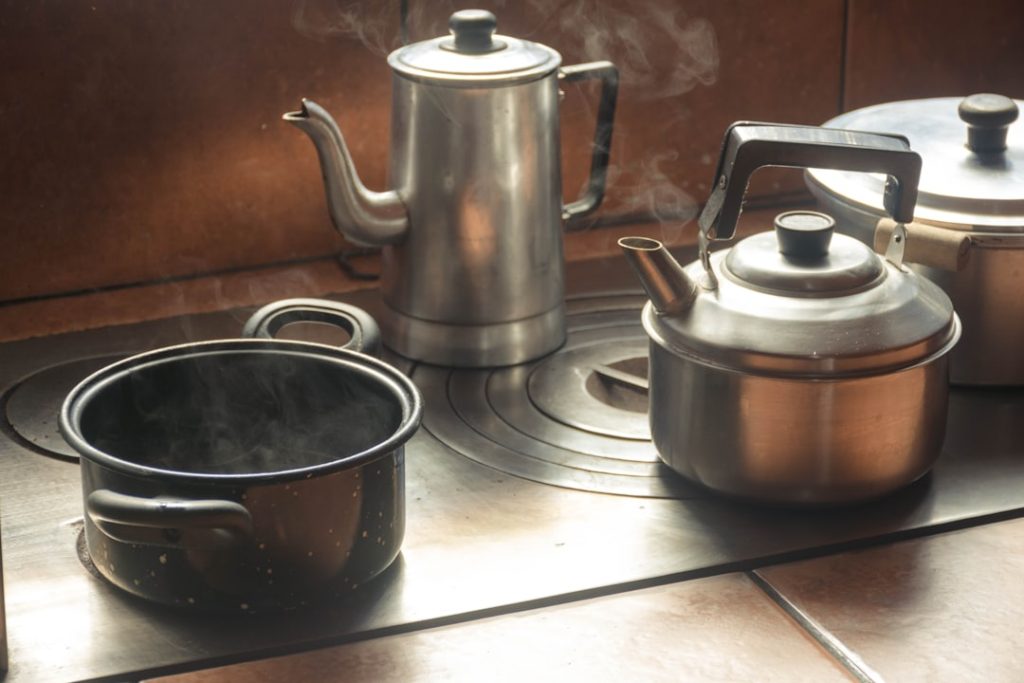
Is Teflon cookware safe to use? This question might have crossed your mind as you prepared your meals, wondering if your trusted non-stick pans are as harmless as they are convenient.
You’re not alone in this curiosity. Many people are re-evaluating the safety of their kitchen tools. Understanding the materials that come into contact with your food is crucial. Your health is a priority, and the choices you make in your kitchen should reflect that.
As you read on, you’ll discover the truth behind Teflon cookware, uncover myths, and gain clarity. This insight is vital for making informed decisions about what to use in your kitchen every day. Let’s dive into the details to see if your cookware is truly as safe as you believe.
Teflon Cookware Basics
Teflon cookware has become a staple in many kitchens due to its non-stick properties, making cooking and cleaning up significantly easier. Yet, you might wonder what makes Teflon so effective and whether it’s safe to use. Understanding the basics of Teflon can help you make informed decisions about its use in your cooking routine.
What Is Teflon?
Teflon is the brand name for a chemical compound known as polytetrafluoroethylene (PTFE). PTFE is a synthetic polymer that has been around since the 1940s. Its unique non-stick characteristics come from its molecular structure, which repels almost everything.
This slippery surface is what prevents food from sticking to cookware, making it a favorite among home cooks and professional chefs alike. Have you ever flipped a pancake flawlessly? Thank Teflon for that seamless experience.
Common Uses In Cookware
You will find Teflon-coated cookware in various forms, including frying pans, saucepans, and baking sheets. These items are popular because they require less oil or butter to prevent sticking, promoting healthier cooking.
Imagine making an omelet without the need for excess oil—Teflon makes it possible. Additionally, cleanup becomes a breeze; a quick wipe with a sponge often does the trick.
However, while Teflon is excellent for low-fat cooking, it’s crucial to use it correctly. Have you ever noticed your pan flaking? That’s a sign it’s time for a replacement. Using the right utensils, like wooden or silicone tools, can prolong your cookware’s life.
Before you heat up your next meal, consider how Teflon fits into your kitchen needs. Does it align with your cooking style and maintenance preferences? Your choice in cookware can significantly impact both your culinary creations and cleanup routine.
Benefits Of Teflon Cookware
Teflon cookware is a popular choice in many kitchens for its convenience and practicality. Its benefits make it a staple in both professional and home cooking environments. Whether you’re a seasoned chef or a culinary novice, Teflon cookware offers advantages that make cooking and cleaning less of a chore. Dive into the specific benefits of Teflon to understand why it’s a favorite among kitchen enthusiasts.
Non-stick Properties
The non-stick properties of Teflon cookware are a game changer. Imagine flipping pancakes or frying eggs without them sticking to the pan. This is more than just a time-saver; it also means using less oil or butter, making your meals healthier. Have you ever tried to clean a sticky pan after a cooking disaster? With Teflon, those nightmares become a thing of the past.
Easy Maintenance
Cleaning up after cooking can be a daunting task. But with Teflon, maintenance is a breeze. Most Teflon cookware requires just a quick wipe with a damp cloth or a gentle wash with soap and water. This easy maintenance means less time spent scrubbing and more time enjoying your meals. Think about how much effort you currently put into cleaning, and imagine cutting that in half.
Potential Risks Of Teflon
Teflon cookware has been a staple in many kitchens due to its non-stick properties. However, concerns have been raised about its safety, particularly when it comes to potential risks. Understanding these risks can help you make informed decisions about your cookware choices.
Chemical Exposure Concerns
One of the primary concerns with Teflon is the possibility of chemical exposure. The coating is made from polytetrafluoroethylene (PTFE), which can release harmful substances if damaged. Scratches or overheating can cause tiny particles to flake off into your food.
While cooking, you might not notice these particles, but they can potentially affect your health over time. Studies suggest a link between PTFE exposure and various health issues. Consider whether the convenience of non-stick pans outweighs the potential risks.
Effects Of High Heat
Another risk factor is the effect of high heat on Teflon cookware. When heated above 500 degrees Fahrenheit, Teflon can start to break down. This breakdown releases fumes that could be harmful if inhaled.
In a bustling kitchen, it’s easy to forget about temperature control. Have you ever left a pan on high heat, only to be greeted by a mysterious smell? Those fumes might be from Teflon breaking down, posing a risk not just to your meal, but your health.
Opt for lower cooking temperatures or alternative cookware to reduce this risk. Are you willing to trade a quick meal for a safer cooking environment?

Credit: www.facebook.com
Safety Measures For Teflon
Teflon cookware is generally safe when used properly. Avoid overheating, as it can release harmful fumes. Use wooden or plastic utensils to prevent scratches and extend the life of your Teflon cookware.
Ensuring the safety of your Teflon cookware can be simple with a few mindful practices. Understanding the potential risks and how to mitigate them is key. Let’s explore some practical safety measures that can enhance your cooking experience while keeping health risks at bay.Proper Usage Guidelines
Using Teflon cookware safely starts with proper handling. Always preheat your pan on low to medium heat. High temperatures can cause Teflon to release fumes which may be harmful. Avoid using metal utensils. They can scratch the non-stick surface, leading to quicker deterioration. Instead, opt for wooden or silicone utensils to preserve the coating. Clean your pans carefully. Hand wash with a soft sponge and mild detergent. This not only maintains the non-stick quality but also extends the life of your cookware.Alternatives To Teflon
Considering alternatives can be beneficial if you’re concerned about Teflon’s safety. Ceramic cookware is a popular choice. It’s non-stick, free from harmful chemicals, and offers a slick cooking surface. Cast iron skillets are another great option. They’re durable, naturally non-stick once seasoned, and can handle high heat. Plus, they add a small amount of iron to your food, which can be beneficial. Stainless steel pans are versatile and long-lasting. They require a bit more oil for cooking, but their durability and even heat distribution make them a reliable choice. Have you tried any Teflon alternatives in your kitchen? Exploring these options can not only enhance your culinary repertoire but also offer peace of mind regarding safety.Teflon In The Modern Kitchen
Teflon cookware has become a staple in many kitchens. Its non-stick surface makes cooking and cleaning easy. Many people love how food slides off without sticking. This convenience is especially appreciated in busy households. The modern kitchen often includes Teflon pans and pots. They help save time and effort during meal preparation. But some have concerns about its safety. Understanding these trends can help consumers make informed choices.
Current Trends
Non-stick cookware remains popular among home cooks. Many choose it for its ease of use. Teflon is widely available in stores and online. The demand for non-stick surfaces continues to grow. This trend is linked to time-saving cooking methods. People seek fast and simple solutions in the kitchen. Teflon products meet these needs effectively.
Consumer Preferences
Consumers prefer Teflon for its hassle-free cleaning. They appreciate the non-stick properties for cooking delicate foods. Pancakes, eggs, and fish are cooked with ease. This cookware reduces the need for excess oil. Health-conscious individuals find this appealing. The lightweight design of Teflon pans also attracts buyers. It makes handling easier during cooking.
Many consumers look for durability and price. Teflon offers a balance between cost and performance. It is often more affordable than other materials. This makes it accessible to a wide range of households. The variety of designs and sizes adds to its appeal. People can find Teflon cookware to fit their specific needs.
Expert Opinions On Teflon
Teflon cookware is popular for its non-stick surface. Many people use it daily. But is it safe? Experts have differing opinions on this topic. Some say it’s perfectly fine. Others raise concerns about potential risks. Let’s dive into what scientific research and health professionals have to say.
Scientific Research Findings
Scientific studies have investigated Teflon’s safety. Researchers examine its chemical makeup. They focus on the coating’s stability during cooking. Studies show that Teflon remains stable at normal cooking temperatures. Yet, they warn against using it at high heat. At high temperatures, the coating may release harmful fumes. These fumes can affect indoor air quality.
Experts suggest using Teflon below 500°F. This keeps the coating intact. It’s important to follow manufacturer’s instructions. Research also looks at long-term exposure. So far, it indicates minimal risk when used correctly.
Health Professional Views
Health professionals offer varied opinions. Some nutritionists find Teflon safe for everyday use. They praise its convenience and ease of cleaning. Others worry about potential health impacts. They emphasize caution with damaged cookware. Scratched surfaces may expose users to chemicals. It’s advisable to replace worn-out pans.
Doctors recommend cooking at lower temperatures. This minimizes any risk of fumes. They stress not leaving empty Teflon pans on high heat. Health experts agree on proper care. This ensures safe usage over time. Regular checks for damage are a good practice.
Making An Informed Choice
Making an informed choice about Teflon cookware involves understanding how it fits your lifestyle and priorities. It’s not just about the material but how it aligns with your cooking habits and health considerations. Here, we explore how to make that choice by assessing personal needs and balancing safety with convenience.
Assessing Personal Needs
Your cooking style plays a big role in choosing the right cookware. Do you often cook at high temperatures? Then, Teflon might not be the best fit due to its temperature limitations.
Consider the frequency of your cooking. If you cook daily, durability and ease of cleaning become vital factors. Teflon’s non-stick quality is excellent, but you may need to replace it more frequently than other types.
Family size also matters. Larger families might benefit from a variety of cookware to handle different tasks efficiently. Teflon pans work great for quick meals, but you might need more robust options for heavy-duty cooking.
Balancing Safety And Convenience
Safety concerns around Teflon often relate to overheating. If convenience often leads you to multitask, consider cookware with higher heat tolerance.
Weigh the ease of cleaning against potential risks. Teflon’s non-stick nature makes cleaning a breeze. However, it requires careful handling to avoid scratches and maintain its safety.
Think about your long-term health goals. Are you committed to reducing chemical exposure in your home? If so, exploring alternatives like ceramic or stainless steel might align better with your objectives.
Ultimately, ask yourself: What compromises are you willing to make for convenience? Is the trade-off worth it for the safety of your home? Making an informed choice means considering these questions carefully.

Credit: www.instagram.com

Credit: www.instagram.com
Frequently Asked Questions
Is Teflon Cookware Safe For Health?
Teflon cookware is generally safe when used correctly. Avoid overheating, as high temperatures can release harmful fumes. Use cookware for low-to-medium heat cooking. Ensure proper ventilation in your kitchen to minimize risks. Regularly inspect for scratches or damage, which can release toxic particles into food.
Can Teflon Cause Health Issues?
Teflon itself is not harmful, but overheating can release toxic fumes. These fumes may cause flu-like symptoms known as “polymer fume fever. ” Avoid using damaged or scratched cookware. Replace old or worn Teflon pans to prevent exposure to harmful particles.
How Can I Safely Use Teflon Pans?
Use Teflon pans on low-to-medium heat to avoid overheating. Always preheat the pan gradually and avoid empty heating. Ensure proper kitchen ventilation during cooking. Regularly check for scratches and replace damaged pans. Avoid metal utensils that can damage the surface.
What Temperature Is Safe For Teflon?
Teflon is safe below 500°F (260°C). Exceeding this temperature can release harmful fumes. Use Teflon cookware for low-to-medium heat cooking to ensure safety. Always monitor your cooking temperature to prevent overheating. Avoid using Teflon pans for broiling or baking at high temperatures.
Conclusion
Teflon cookware has benefits and risks. Non-stick pans make cooking easy. But overheating them can release harmful fumes. Most households use them safely. Proper care is key. Avoid high heat. Use wooden or silicone utensils. Check for scratches. Replace old pans.
Safety depends on how you use them. Choose wisely for your kitchen needs. If in doubt, consider alternatives like stainless steel or cast iron. Remember, no perfect cookware exists. Balance safety with convenience. Understanding materials helps make informed choices. Cook with care, and enjoy meals.
Stay informed, stay safe.