
Your kitchen is the heart of your home, but when it comes to organizing it for elderly loved ones, safety and accessibility become top priorities. You might be wondering how to make your kitchen a safer, more user-friendly space without sacrificing style or functionality.
Imagine transforming it into a place where your elderly family members can cook and navigate with ease. Picture the relief you’ll feel knowing everything is within reach, and the joy they will experience from a newfound sense of independence. This article will guide you step-by-step through practical tips and smart strategies to ensure your kitchen becomes a welcoming and secure haven for the elderly.
Keep reading to discover how simple changes can make a big difference in their daily lives.

Credit: gomcdaniels.com
Assessing Needs
Organize a kitchen for the elderly by assessing their needs first. Consider mobility, reach, and safety. Place frequently used items within easy reach and ensure clear pathways for movement.
Assessing the needs of an elderly person in the kitchen is crucial for creating a safe and functional space. You may know someone who struggled to find items in cluttered cabinets or had difficulty moving around due to a poorly organized layout. By taking the time to evaluate specific requirements, you can tailor the kitchen setup to enhance both safety and independence.Mobility Considerations
Understanding mobility limitations is essential for effective kitchen organization. Assess how easily your elderly loved one can move around the kitchen. Is there enough space to navigate with a walker or wheelchair? Consider the height and reachability of shelves and countertops. Items used daily should be within easy reach to reduce the need for bending or stretching. Think about installing pull-out shelves or lazy Susans to make storage more accessible. Is the flooring safe and non-slip? You might recall a friend who slipped on a kitchen floor. Simple changes like adding non-slip mats can prevent accidents and offer peace of mind.Common Tasks And Accessibility
Identifying common kitchen tasks helps in designing an accessible space. What are the daily routines that need to be accommodated? Cooking, cleaning, and even making a cup of tea should be simple and safe. Arrange frequently used items, like pots, pans, and utensils, in easily accessible locations. Open shelving can be a great solution for visibility and easy access. Consider adaptive tools and gadgets. Have you ever seen a jar opener designed for those with reduced hand strength? These small tools can make a big difference in maintaining independence. Think about how to make appliances more user-friendly. Are the controls easy to read and operate? Ensure that switches and dials are large and well-lit for better visibility. By focusing on these aspects, you can create a kitchen environment that supports safety and independence for your elderly loved ones.Layout Optimization
Organizing a kitchen for elderly individuals requires careful layout optimization. A well-planned kitchen layout enhances accessibility and safety. It ensures that daily tasks become manageable and efficient.
Focusing on specific areas can make a significant difference. Let’s explore some key elements of layout optimization for elderly-friendly kitchens.
Efficient Work Zones
Divide the kitchen into distinct work zones. Designate areas for cooking, cleaning, and food preparation. This helps avoid unnecessary movement. Place utensils and appliances within reach. It reduces the need to bend or stretch.
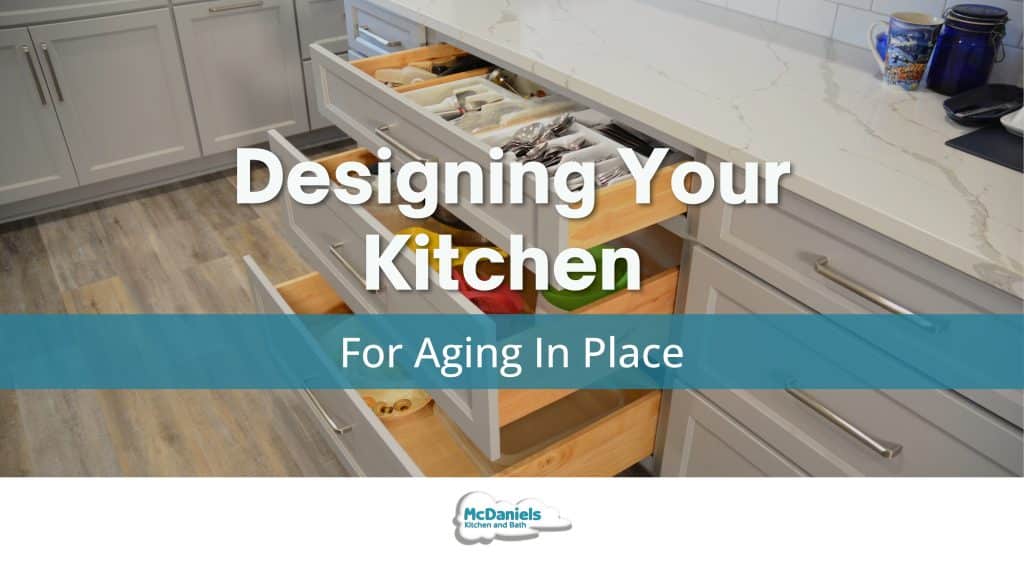
Use drawers and pull-out shelves for easy access. Keep frequently used items nearby. This minimizes physical strain and enhances convenience.
Safe Pathways
Ensure clear and wide pathways throughout the kitchen. Remove obstacles like rugs or clutter. This prevents trips and falls. Install non-slip flooring for extra safety.
Consider adding sturdy handrails or grab bars. They provide additional support and confidence. Adequate lighting is crucial. Bright lights reduce shadowy areas, ensuring visibility.
Storage Solutions
Creating a safe and efficient kitchen for the elderly involves thoughtful storage solutions. Organizing items in an accessible way can reduce the risk of accidents. It also makes daily tasks easier. Let’s explore practical ways to arrange kitchen storage.
Accessible Cabinets
Cabinets should be easy to access. Use pull-out shelves to reduce bending and reaching. Install lazy Susans to make corner cabinets functional. Place frequently used items in lower cabinets. Avoid high shelves for everyday items. Consider D-shaped handles for easy gripping. These small changes enhance cabinet usability.
Easy-to-reach Shelving
Shelving should be at a comfortable height. Use open shelves for easy visibility. Limit the height to prevent overreaching. Place everyday items on eye-level shelves. Use tiered shelves for better organization. Ensure shelves are sturdy and well-installed. This minimizes the risk of items falling. Simple shelving adjustments can significantly improve accessibility.
Essential Tools And Gadgets
Organizing a kitchen for the elderly can significantly enhance their daily living experience, making meal preparation safer and more enjoyable. Essential tools and gadgets play a pivotal role in this transformation. Whether it’s facilitating ease of use or saving precious time, these items can make all the difference. What are the must-have gadgets that can simplify kitchen tasks for the elderly? Let’s explore some key tools and appliances that can truly elevate the kitchen experience.
Ergonomic Utensils
Ergonomic utensils are designed to provide comfort and reduce strain on the hands and wrists. These tools often feature non-slip grips and lightweight materials, making them easier to handle. Imagine the ease of using a peeler that fits snugly in your hand, minimizing the effort required. Such utensils can empower elderly individuals to cook independently, enhancing their confidence in the kitchen.
Consider utensils with larger, cushioned handles. These can be particularly beneficial for those with arthritis or limited hand strength. A friend once shared how switching to ergonomic knives transformed her mother’s cooking routine, allowing her to slice vegetables with less discomfort.
Time-saving Appliances
Time-saving appliances can streamline kitchen tasks, allowing the elderly to focus on enjoying their meals rather than stressing over preparation. Devices like electric can openers, food processors, and countertop ovens are fantastic options. These appliances can significantly cut down on the time and effort required to prepare meals.
Think about the convenience of a slow cooker or an instant pot that effortlessly cooks meals with minimal supervision. My grandmother swears by her slow cooker for making hearty stews without having to stand for long periods. Such appliances not only save time but also promote healthier eating habits.
How can these gadgets improve your kitchen experience? By prioritizing ease and efficiency, you can create a welcoming environment that encourages independence and enjoyment in cooking.
Safety Enhancements
Creating a safe kitchen environment for the elderly is crucial. Safety enhancements can prevent accidents and provide peace of mind. Focus on minimizing risks and ensuring easy access. Here, we’ll explore key safety enhancements for a senior-friendly kitchen.
Anti-slip Mats
Slips and falls are common in kitchens. Anti-slip mats can help prevent these accidents. Place mats in high-traffic areas like near the sink and stove. Choose mats with strong grip and cushioning. These features provide stability and comfort. Ensure the mats are easy to clean. This maintains hygiene and prolongs their lifespan. Check regularly for wear and replace as needed.
Fire Safety Measures
Fire safety is essential in any kitchen. For the elderly, it’s even more important. Install smoke detectors and test them monthly. Keep a fire extinguisher within easy reach. Make sure it’s suitable for kitchen fires. Educate seniors on how to use it properly. Avoid loose clothing while cooking to reduce fire risk. Use appliances with auto shut-off features. This prevents overheating or fires. Ensure all electrical outlets are not overloaded. Regularly check cords and replace damaged ones.
Credit: gomcdaniels.com
Lighting And Visibility
Good lighting enhances safety and visibility in elderly kitchens. Bright, evenly distributed lights reduce shadows and highlight key areas. Position lighting to illuminate countertops and cooking spaces effectively.
Creating a kitchen environment that caters to the needs of the elderly requires thoughtful consideration of lighting and visibility. These factors play a crucial role in ensuring safety and ease of use. Proper lighting can help prevent accidents, while clear visibility aids in the efficient use of kitchen space. Let’s explore some practical ways to enhance lighting and visibility in the kitchen for the elderly.Bright Task Lighting
Bright task lighting is essential in areas where detailed tasks are performed, such as cutting vegetables or reading recipes. You might have noticed how difficult it is to see clearly when the lighting is dim. Imagine trying to read a small print recipe or measure ingredients without adequate light; it’s not only challenging but also risky. Install LED strip lights under cabinets to illuminate countertops. This ensures that there are no shadows where work is being done. Motion-sensor lights can also be a great addition, turning on automatically when someone enters the kitchen, saving the hassle of finding switches.Clear Signage
Clear signage can significantly reduce confusion and help in locating items quickly. Have you ever opened multiple drawers just to find a single utensil? Such experiences can be frustrating, especially for the elderly. Consider using large, legible labels on cabinets and drawers. Using bold colors for contrast helps those with visual impairments. You could even create a simple map or list of where items are stored and place it on the fridge or a visible spot. Ask yourself if everything is easy to find in your kitchen. If not, it’s time to reassess and organize for better visibility. By making these changes, you not only create a safer kitchen but also one that empowers the elderly to maintain their independence.Routine Maintenance
Organize a kitchen for the elderly by placing frequently used items within easy reach. Use clear labels for containers and shelves. Ensure pathways are clutter-free to minimize the risk of falls.
Routine maintenance is key to ensuring a kitchen remains a safe and functional space for the elderly. By routinely addressing certain areas, you can prevent minor issues from turning into major headaches. Establishing a regular maintenance schedule can make life easier for everyone involved.Regular Decluttering
Clutter can quickly accumulate, especially in a busy kitchen. Regular decluttering helps maintain a safe environment by reducing tripping hazards and keeping essential items within easy reach. Consider setting aside a day each month to go through drawers and cabinets. Remove items that are no longer needed or used frequently. You might be surprised how much space you can free up, making it easier to find everyday essentials. Encourage the elderly to be part of this process. This ensures they have easy access to their favorite items and also helps them feel involved and independent.Appliance Check-ups
Kitchens are filled with appliances that make life easier, but they require regular check-ups to ensure safety and efficiency. Set a reminder to inspect appliances every few months. This can help you catch any potential issues before they become serious. Look for frayed cords, unusual noises, or other signs of wear and tear. Simple fixes now can prevent costly repairs later. You might even want to test the effectiveness of devices like smoke detectors and carbon monoxide alarms. These small checks can provide peace of mind and create a safer kitchen environment. Involve the elderly in these check-ups where possible. Understanding how their appliances work can be empowering and can help them feel more in control of their space. Regular maintenance in a kitchen isn’t just about keeping things tidy—it’s about creating a space where the elderly feel safe and confident. How often do you perform these maintenance tasks in your kitchen?
Credit: thecrownedgoat.com
Frequently Asked Questions
How Can I Make Kitchen Safer For The Elderly?
Ensure the kitchen is well-lit and clutter-free. Use non-slip mats and install easy-to-reach shelves. Label containers clearly and consider using appliances with safety features. Place frequently used items within easy reach to minimize the risk of accidents. Regularly check for expired foods to maintain safety.
What Kitchen Tools Are Best For Seniors?
Ergonomic kitchen tools with easy-grip handles are ideal. Consider using electric can openers and lightweight cookware. Automatic shut-off kettles and large-print measuring cups can enhance safety and convenience. These tools can significantly reduce strain and improve the kitchen experience for the elderly, making tasks easier and safer.
How Should I Organize Pantry For Seniors?
Group similar items together for easy access. Use clear containers for visibility and label them with large print. Place frequently used items on lower shelves within easy reach. Regularly check expiration dates and keep a list of essentials to avoid overstocking.
This organization reduces confusion and enhances safety.
What Colors Improve Kitchen Visibility For Elderly?
Use contrasting colors for better visibility. Light cabinets with dark countertops can help distinguish surfaces. Bright, non-glare lighting can improve visibility and reduce strain. Consider using bold-colored labels and utensils to make them stand out. Proper color choices can significantly enhance safety and efficiency in the kitchen.
Conclusion
Creating a safe kitchen for the elderly is crucial. It enhances independence and safety. Start with clear labeling for easy access. Install user-friendly gadgets and tools. Ensure ample lighting for visibility. Keep essentials within arm’s reach. Secure rugs and mats to prevent falls.
Use contrasting colors for better sight. Organize shelves logically. Regularly declutter unnecessary items. Prioritize safety and convenience above all. These steps can make daily tasks easier. A well-organized kitchen brings peace of mind. It supports a comfortable living environment. Remember, small changes make a big difference.
Empower the elderly with a safer kitchen today.