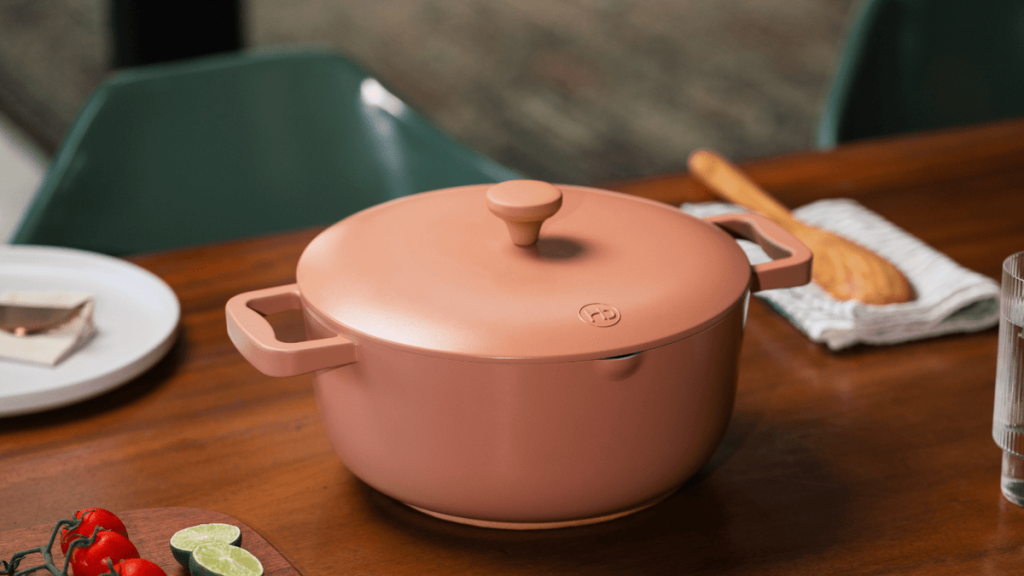
Ceramic cookware is a favorite in many kitchens, offering a sleek design and versatile cooking capabilities. But do you know how to keep it in top shape?
With the right care, your ceramic pots and pans can last for years, making every meal a delight to prepare. Imagine effortlessly cooking your favorite dishes without worrying about scratches or stains on your cookware. If you’re tired of replacing worn-out pans or dealing with stubborn food residue, you’re in the right place.
This guide is tailored to help you master the art of caring for ceramic cookware. Dive in to discover simple tips that will not only extend the life of your pots and pans but also enhance your cooking experience.
Choosing The Right Ceramic Cookware
Choosing the right ceramic cookware involves understanding proper care techniques. Ensure longevity by using non-abrasive cleaners and avoiding high heat. Regularly hand wash and dry to prevent damage, keeping your cookware in pristine condition.
Choosing the right ceramic cookware can greatly enhance your cooking experience. A well-chosen set not only complements your kitchen aesthetics but also ensures that your meals are cooked to perfection. But with so many options available, how do you make the best choice?Types Of Ceramic Cookware
Ceramic cookware comes in various forms, each serving different culinary needs. Some common types include: – Ceramic-Coated Cookware: These are metal pots and pans coated with a layer of ceramic. They are known for their non-stick surface and ease of cleaning. – Solid Ceramic Cookware: Made entirely from ceramic, these pieces often retain heat longer, making them ideal for slow cooking. – Ceramic Bakeware: Perfect for baking, these dishes withstand high temperatures and distribute heat evenly. Choosing between these types depends on your cooking style and preferences. Do you often find yourself frying or sautéing? A ceramic-coated pan might be your best bet. For those who love baking, solid ceramic bakeware can be a game-changer.Factors To Consider
When selecting ceramic cookware, there are a few key factors you should keep in mind: – Durability: Look for cookware that can withstand daily use without losing its non-stick properties. Check reviews and product descriptions for durability indicators. – Heat Compatibility: Ensure the cookware is compatible with your stove type, whether it’s gas, electric, or induction. Not all ceramic cookware works on every stovetop. – Ease of Cleaning: Consider how easy it is to clean the cookware. Dishwasher-safe options can save you time and effort. – Price: Set a budget and find the best quality within your price range. High cost doesn’t always mean high quality, so compare different brands and features. – Design and Aesthetics: Choose a design that fits your kitchen’s theme. Ceramic cookware comes in various colors and styles, so pick something that brings joy to your cooking space. Have you considered what features matter most to you in ceramic cookware? Whether it’s durability, aesthetics, or ease of use, understanding your priorities will guide you in making the right choice.
Credit: www.instagram.com
Prepping Ceramic Cookware For First Use
Prepping ceramic cookware involves washing it with warm, soapy water before first use. Dry it thoroughly to prevent any moisture-related damage.
Ceramic cookware is a popular choice in many kitchens for its sleek appearance and non-stick qualities. However, before you start cooking up a storm, it’s essential to prepare your ceramic pots and pans for their first use. Proper preparation ensures longevity and optimal performance, allowing you to enjoy your culinary adventures with peace of mind.Initial Cleaning Steps
Before you even think about whipping up your favorite dish, give your ceramic cookware a thorough cleaning. Use a mild dish soap and warm water to wash every piece. This removes any dust or residue from manufacturing. Rinse well to ensure no soap remains, which can interfere with your cooking. Dry with a soft cloth to avoid scratches and moisture build-up.Seasoning Techniques
Some might wonder, “Do I need to season ceramic cookware?” While not always required, seasoning can enhance the non-stick properties. Start by applying a small amount of vegetable oil to the surface of your cookware. Use a paper towel to spread it evenly across the interior. Heat the cookware on low heat for a few minutes. This helps the oil bond with the ceramic, creating an extra layer of protection. By taking these initial steps, you’re setting the stage for a smooth cooking experience. Have you ever noticed a difference in your cooking when you skip these steps? Treat your ceramic cookware right, and it will serve you deliciously for years to come.Daily Maintenance Practices
Regular cleaning keeps ceramic cookware in top shape. Avoid harsh abrasives to protect its surface. Store with care to prevent scratches.
Daily maintenance practices are crucial for the longevity of ceramic cookware. Consistent care ensures these kitchen essentials remain in pristine condition. Proper techniques prevent damage and preserve the non-stick surface. Understanding cleaning and usage habits will enhance your cooking experience.Proper Cleaning Methods
Use a soft sponge for cleaning. Harsh scrubbing pads can scratch the surface. Warm water and mild soap are ideal for daily washing. Avoid soaking for too long. It can weaken the ceramic finish over time. After washing, dry cookware immediately. This prevents water spots and keeps it looking new.Avoiding Common Mistakes
Don’t use metal utensils. They can chip or scratch the ceramic surface. Always use wooden or silicone tools. Avoid high heat settings. Ceramic retains heat well, so medium settings work best. Never stack pots and pans without a protective layer. Use soft cloths or paper towels between them.
Credit: www.instagram.com
Storing Ceramic Cookware Safely
Store ceramic cookware with care to extend its life. Use soft padding between pieces to prevent scratches. Ensure a dry, cool environment to avoid damage.
Storing your ceramic cookware safely is crucial to maintaining its durability and aesthetic appeal. Proper storage not only extends the life of your cookware but also keeps your kitchen organized and efficient. Whether you’re a seasoned chef or a cooking enthusiast, understanding the best practices for storing ceramic cookware can make a world of difference.Preventing Scratches
To prevent scratches on your ceramic cookware, always use a soft cloth or a paper towel to separate stacked items. This simple step can save your cookware from unnecessary damage. Consider using pot protectors, which are designed specifically for this purpose and can be found in most kitchen stores. Never store ceramic pots and pans directly on top of each other without any buffer. Scratches can compromise the ceramic coating, affecting your cooking and cleaning experience. Reflect on how much easier cooking would be if your pots were always ready for use, without the hassle of unstacking them carefully.Organizing For Easy Access
Think about how much time you could save with a well-organized cabinet. Arrange your ceramic cookware based on frequency of use. Keep your most-used items within easy reach while storing less frequently used pieces towards the back. Utilize vertical space by installing racks or hooks inside your cabinets. This not only saves space but also makes it easier to grab what you need without rummaging through stacks. Ask yourself: how much easier would meal prep be if you could find the right pot or pan without a struggle? Consider labeling shelves or using transparent containers for lids and accessories. This ensures you’re always aware of where everything is, adding efficiency to your cooking routine.Handling Ceramic Cookware With Care
Caring for ceramic cookware requires gentle handling. Proper care extends its lifespan. It also keeps your dishes tasting great. With a few simple steps, you can ensure your cookware remains in top shape.
Temperature Management
Ceramic cookware is sensitive to temperature changes. Avoid exposing it to sudden heat. Sudden changes can cause cracks. Always preheat your cookware slowly. Use low to medium heat settings. This prevents thermal shock and damage.
Never place hot ceramic in cold water. Allow it to cool first. This prevents cracking. Gradual cooling keeps your ceramic safe.
Using Correct Utensils
Metal utensils can scratch ceramic surfaces. Use wooden or silicone utensils instead. They are gentle on ceramic. This prevents damage and keeps the surface smooth.
Avoid sharp tools on ceramic. They can chip or scratch. Handle your ceramic with care. This preserves its beauty and function.
Repairing And Restoring Ceramic Cookware
Caring for ceramic cookware involves gentle cleaning and avoiding harsh scrubbing. Regular maintenance keeps them looking new. Use soft sponges and mild soap to prevent surface damage.
Repairing and restoring ceramic cookware can extend its life significantly. With proper care, your favorite pots and pans can continue to serve delicious meals. This section delves into fixing minor damages and seeking expert help.Addressing Minor Chips
Minor chips on ceramic cookware are common. They can be addressed with simple techniques. Start by cleaning the chipped area with warm, soapy water. This removes any dirt or grease. Dry the area thoroughly with a soft cloth. Use a food-safe ceramic repair kit to fill the chip. Follow the instructions on the kit carefully for best results. Let the repair cure completely before using the cookware again. This method keeps your cookware safe and functional.Professional Restoration Services
For more serious damage, consider professional restoration services. Experts can handle deeper chips and cracks. They have specialized tools and materials for the job. A professional service can make your cookware look almost new. Research local services and check their reviews. Make sure they use food-safe materials in their repairs. This ensures your cookware remains safe for cooking. Professional restoration can be a worthwhile investment for cherished pieces.Enhancing Longevity Of Ceramic Cookware
Proper care extends the life of ceramic cookware. Clean with gentle soap and avoid metal utensils. Store carefully to prevent scratches.
Enhancing the longevity of ceramic cookware requires proper care and attention. Ceramic cookware offers excellent heat distribution and non-stick properties. With regular maintenance, it can last for years, providing value and performance. Understanding how to care for this cookware ensures that it remains a staple in your kitchen.Regular Maintenance Tips
Maintaining ceramic cookware involves simple practices. Always use utensils made from wood or silicone. Metal can scratch the surface. Clean with warm water and mild soap. Avoid abrasive cleaners. Dry thoroughly to prevent moisture buildup. Store properly to avoid chipping. Never stack too tightly. These habits help preserve its non-stick surface.Signs It’s Time To Replace
Ceramic cookware shows signs when replacement is needed. Cracks or chips in the surface indicate wear. Food starts sticking despite proper care. Discoloration affects cooking performance. If the coating peels, it’s no longer safe. These signs suggest it’s time for a new set. Regular assessment ensures optimal cooking results.
Credit: fromourplace.com
Frequently Asked Questions
How Do You Clean Ceramic Cookware Properly?
To clean ceramic cookware, use a soft sponge and mild detergent. Avoid abrasive pads to prevent scratching. For tough stains, soak in warm soapy water. Rinse thoroughly and dry with a soft cloth. Regular maintenance will extend the life of your cookware and keep it looking new.
Can You Use Metal Utensils On Ceramic Cookware?
Avoid using metal utensils on ceramic cookware to prevent scratches. Opt for wooden, silicone, or plastic utensils instead. These materials are gentle on the ceramic surface. Using the right utensils will help maintain the non-stick properties and extend the lifespan of your cookware.
Is Ceramic Cookware Dishwasher Safe?
Most ceramic cookware is not dishwasher safe. Hand washing is recommended to preserve the non-stick coating. Dishwashers can be too harsh and may damage the surface over time. Always check the manufacturer’s instructions for specific care guidelines to ensure the longevity of your cookware.
How To Prevent Food From Sticking To Ceramic Pans?
Preheat ceramic pans on low to medium heat before adding oil or food. This helps create a non-stick surface. Use enough oil or butter to prevent sticking. Avoid high heat, as it can damage the coating. Proper preheating and oiling will enhance your cooking experience with ceramic cookware.
Conclusion
Caring for ceramic cookware ensures its longevity and performance. Always clean gently to avoid scratches. Use soft sponges and mild detergents. Avoid metal utensils to protect the coating. Store cookware properly to prevent chips or cracks. Maintaining low to medium heat preserves its quality.
Regular checks for wear and tear keep it in top shape. With these simple steps, your ceramic cookware will last longer. It will also look great in your kitchen. Enjoy cooking with confidence and ease!