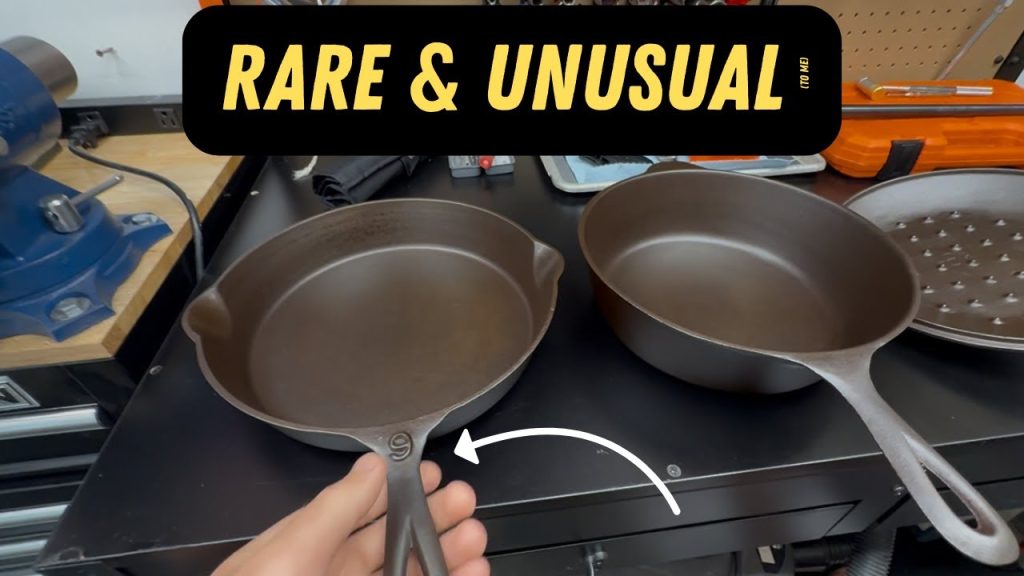
Imagine reaching for your favorite cast iron skillet, only to find it covered in rust and looking far from its former glory. You might feel disheartened, but don’t worry—reconditioning your cast iron cookware is easier than you think.
Whether it’s an heirloom passed down through generations or a trusty pan you snagged at a garage sale, giving it new life is not only possible but incredibly rewarding. This guide will walk you through the simple steps to restore your cast iron to its prime condition, ensuring that it’s ready to deliver delicious meals time and time again.
As you read on, you’ll discover that with a little elbow grease and the right techniques, your cookware can regain its shine and functionality. So, grab your skillet, roll up your sleeves, and let’s transform your rusty cookware into kitchen treasures once more!
Benefits Of Reconditioning Cast Iron
Reconditioning cast iron cookware restores its non-stick surface and extends its lifespan. It improves heat distribution, enhancing cooking performance.
Reconditioning cast iron cookware offers numerous advantages. These benefits extend beyond just restoring its appearance. Proper maintenance ensures your cookware remains functional for years. With regular care, you can enjoy improved cooking performance. Restored cast iron also adds charm to your kitchen.Enhanced Cooking Performance
Reconditioned cast iron distributes heat evenly. This ensures your food cooks consistently. It prevents hot spots that can burn dishes. Your meals will taste better with uniform cooking.Longevity And Durability
Reconditioned cast iron lasts a lifetime. Regular care prevents rust and damage. This durability makes it a valuable kitchen investment. You save money by avoiding frequent replacements.Non-stick Surface
Seasoned cast iron becomes naturally non-stick. This makes cooking and cleaning easier. You can cook with less oil or butter. Healthier meals are possible with less fat.Eco-friendly Choice
Reconditioning reduces waste by reusing old cookware. You lessen the need for new resources. This choice supports sustainable practices. It’s a small step towards a greener lifestyle.Improved Aesthetic Appeal
Restored cast iron looks attractive and timeless. It adds a rustic charm to your kitchen. Guests will admire its classic appearance. Beautiful cookware enhances your cooking experience.
Credit: www.instagram.com
Identifying Cast Iron Damage
Examine the surface for rust and cracks. Scratches and discoloration indicate potential damage. Gently tap to check for a dull sound, which may suggest internal faults.
Identifying Cast Iron Damage Understanding the condition of your cast iron cookware is crucial. This helps in deciding the right reconditioning approach. A quick inspection can reveal common signs of damage. Let’s explore some typical issues.Signs Of Rust
Rust appears as reddish-brown spots or patches. It often forms when cast iron is exposed to moisture. Rust can spread quickly if not treated. Check around handles and edges for early signs.Surface Build-up
Surface build-up includes layers of old food and grease. This can affect cooking performance. Look for a dull, sticky surface that doesn’t clean easily. Built-up residue can also affect flavor.Structural Issues
Structural issues might include cracks or deep scratches. These can occur due to heavy impact or thermal shock. Inspect your cookware for any visible cracks or warping. Severe damage may require professional repair.Essential Tools And Materials
Sandpaper, vinegar, and baking soda are key for cleaning rust from cast iron cookware. A stiff brush and dish soap help scrub away grime. Use a soft cloth and vegetable oil to season and protect the cookware after cleaning.
To successfully recondition cast iron cookware, you need the right tools. Having essential tools and materials ensures the process goes smoothly. Let’s explore what you’ll need under three key areas: cleaning supplies, protective equipment, and seasoning ingredients.Cleaning Supplies
Proper cleaning supplies are vital for restoring cast iron. Start with a stiff brush or scrubber. They help remove stuck-on food and rust. Steel wool or sandpaper can tackle tough spots. Consider using mild dish soap. It assists in breaking down grease without harming the iron.Protective Equipment
Safety should always come first. Use heavy-duty gloves to protect your hands. They shield against sharp edges and hot surfaces. An apron keeps your clothes clean. Safety goggles can be beneficial. They prevent any splashes during cleaning.Seasoning Ingredients
Seasoning ingredients are crucial for maintaining cast iron. Vegetable oil or shortening works best. They create a non-stick layer. Flaxseed oil is another good option. It forms a durable, long-lasting coating. Keep paper towels handy. They help spread the oil evenly across the surface.Cleaning Techniques
Recondition cast iron cookware by removing rust with a vinegar soak. Scrub with a brush to clear debris. After drying, season with oil and bake in the oven. This process restores the non-stick surface and enhances durability, ensuring your cookware lasts for years.
Reconditioning cast iron cookware starts with cleaning. Proper techniques restore its charm and functionality. Follow these steps to achieve a sparkling, rust-free surface.Removing Rust
Rust can appear on cast iron cookware. Use a wire brush to remove it. Scrub the rusty areas gently. Ensure you cover every spot. For stubborn rust, use steel wool. It helps remove deeper rust. Apply a vinegar-water solution. Let it soak for a few hours. This loosens the rust particles.Eliminating Residue
Food residue clings to cast iron. Warm water works well to loosen it. Avoid using soap. It strips the seasoning. Use coarse salt as a natural scrub. Salt lifts residue without harm. Rinse thoroughly with warm water. Dry completely with a towel.Scrubbing Methods
Choose the right scrubbing tool. Nylon brushes are gentle yet effective. They clean without scratching the surface. Use circular motions for even coverage. For tough spots, apply baking soda paste. Let it sit for a few minutes. Scrub with a soft brush to finish. Ensure the cookware is dry after scrubbing. Store it in a cool, dry place.Seasoning Process
Reconditioning cast iron cookware involves a thorough cleaning followed by the application of oil. Heat the cookware to create a protective layer. Repeat the seasoning process periodically for optimal results.
The seasoning process is the secret to maintaining the non-stick surface and extending the life of your cast iron cookware. It’s a straightforward yet crucial step that involves coating the pan with oil and heating it to create a protective layer. This process not only guards against rust but also enhances the cookware’s cooking performance. Let’s explore how you can master this essential technique.Choosing The Right Oil
Selecting the appropriate oil is the first step in seasoning your cast iron. You want an oil with a high smoke point, such as flaxseed, grapeseed, or vegetable oil. These oils polymerize well, forming a durable layer on the cookware. Consider the availability and cost of the oil as well. Flaxseed oil, though popular, can be expensive and hard to find. Grapeseed or vegetable oil offers a more budget-friendly option with excellent results. Think about your dietary preferences, too. If you cook primarily with a certain oil, it might be convenient to use the same for seasoning.Applying Heat
Heat application is critical to the seasoning process. Preheat your oven to around 375°F (190°C). This temperature is ideal for allowing the oil to bond with the cast iron without burning. Coat the cookware lightly with your chosen oil using a cloth or paper towel. Ensure an even, thin layer to prevent a sticky residue. Place the cookware upside down in the oven to avoid pooling of oil, and bake for an hour. This step transforms the oil into a hard, protective layer.Building Layers
Repetition is the key to achieving a perfect seasoning. One layer is good, but multiple layers are even better. Each layer adds to the cookware’s durability and enhances its non-stick quality. After the initial seasoning, allow the cookware to cool, and repeat the oiling and heating process. Aim for at least 3-4 rounds for optimal results. Have you ever noticed a well-seasoned pan’s glossy sheen? That’s the outcome of building layers, and it’s worth the effort. This process might seem time-consuming, but the payoff is a reliable piece of cookware that stands the test of time. By focusing on these steps, you can transform your cast iron cookware into a kitchen powerhouse. Each time you cook, you’re not just preparing a meal—you’re fortifying your cast iron’s seasoning. Have you tried seasoning your cast iron before? What oil do you prefer? Your choice can make all the difference.Maintaining Reconditioned Cookware
Recondition cast iron cookware by scrubbing it clean with a stiff brush and warm water. Dry thoroughly to prevent rust. Apply a thin layer of vegetable oil, then bake in the oven to restore its seasoned finish.
Maintaining reconditioned cast iron cookware is crucial to ensure its longevity and performance in your kitchen. Once you’ve put in the effort to bring your pans back to life, you want to make sure they stay in peak condition. It involves a combination of proper storage, regular cleaning, and periodic re-seasoning. These simple practices can keep your cookware looking good and performing well for years to come.Proper Storage
Store your cast iron cookware in a dry place. Moisture is its enemy, leading to rust that can undo all your hard work. Consider using a shelf liner or paper towel between pans to prevent scratching. If space allows, hanging your pans can also help keep them dry and accessible. Are your pans stacked? Make sure they’re completely dry before nesting them together to avoid trapped moisture.Regular Cleaning
Clean your cast iron right after use. Avoid letting food residue sit for long periods, as it can become harder to remove and might damage the seasoning. Use warm water and a brush or sponge. Skip the soap unless absolutely necessary, as it can strip away the seasoning. If soap is used, re-season your pan to maintain its non-stick surface. Dry your cookware thoroughly after washing. A quick towel dry followed by a brief heat on the stove ensures no moisture remains.Periodic Re-seasoning
Re-season your cookware when food starts sticking or the surface looks dull. Regular seasoning keeps it performing well and prevents rust. Apply a thin layer of oil, such as vegetable or flaxseed, over the entire surface. Heat it in the oven at 350°F for an hour to bond the oil with the pan. How often should you re-season? That depends on usage. Heavy users might do it monthly, while occasional cooks might only need to season a few times a year. Have you tried these methods? Share your experiences or tips below!Common Mistakes To Avoid
Neglecting to remove rust completely can cause uneven seasoning on cast iron cookware. Using soap or detergent can strip away protective seasoning layers. Avoid overheating during reconditioning to prevent warping or cracking.
Reconditioning cast iron cookware can bring back its former glory. Yet, many make common mistakes that hinder success. Avoid these pitfalls to ensure your cookware serves you well for years. Let’s delve into some common mistakes and how to avoid them.Using Harsh Chemicals
Harsh chemicals can damage cast iron surfaces. They strip away the seasoning and protective layers. Instead, opt for mild dish soap and warm water. Use a soft brush or sponge to clean. Avoid steel wool, which can scratch the surface.Skipping Seasoning Steps
Skipping seasoning is a big mistake. Seasoning creates a non-stick layer. It protects the cookware from rust. Always dry your cast iron completely after washing. Apply a thin layer of vegetable oil. Bake it in the oven for an hour at 350°F. This ensures a durable, non-stick surface.Incorrect Storage Practices
Storage affects the longevity of your cookware. Store cast iron in a dry place. Moisture leads to rust. Keep lids off to prevent moisture buildup. Stack with care to avoid scratches. Use a cloth or paper towel between pieces if stacking is necessary. Proper storage maintains your cast iron’s condition.
Credit: www.reddit.com
Expert Tips For Long-lasting Cookware
Cast iron cookware, when cared for properly, can last a lifetime. With the right expert tips, you can ensure your cookware remains in top condition. This guide covers routine care, handling techniques, and ways to enhance durability.
Routine Care
Regular cleaning is crucial for cast iron. Avoid using soap as it can strip away the seasoning. Instead, use hot water and a stiff brush. After washing, dry the cookware completely to prevent rust. A light coating of oil after drying helps maintain the seasoning.
Handling Techniques
Gentle handling extends the life of your cookware. Use wooden or silicone utensils to prevent scratches. Never put cold water into a hot pan. This can cause warping. Instead, let it cool naturally before washing.
Enhancing Durability
Seasoning is key to durability. Coat with vegetable oil, then bake at 350°F for an hour. Let it cool in the oven to create a non-stick surface. Repeat this process a few times for best results. Store in a dry place to avoid moisture damage.

Credit: www.youtube.com
Frequently Asked Questions
What Is Reconditioning Cast Iron Cookware?
Reconditioning cast iron cookware involves restoring its original state. This process removes rust, builds seasoning, and improves cooking performance. It’s essential for maintaining durability and enhancing non-stick qualities. Regular care ensures your cookware remains functional and aesthetically pleasing.
Can I Use Soap On Cast Iron?
Yes, you can use mild soap on cast iron. However, avoid harsh detergents that strip seasoning. Gentle cleaning preserves the seasoned layer, keeping your cookware non-stick. Always dry promptly to prevent rust. Follow with a light oil coating for maintenance.
How Do I Remove Rust From Cast Iron?
To remove rust from cast iron, use steel wool or a wire brush. Scrub gently to avoid damaging the surface. Once rust is removed, rinse and dry thoroughly. Season immediately with oil to restore its protective layer and prevent further rusting.
How Often Should I Recondition Cast Iron?
Recondition cast iron cookware every few months, or as needed. Regular maintenance keeps cookware in prime condition. If you notice rust or food sticking, it’s time for reconditioning. Proper care ensures long-lasting performance and prevents damage.
Conclusion
Restoring cast iron cookware is a rewarding task. It’s simpler than it seems. Clean, season, and maintain. Your cookware will last for decades. A little care goes a long way. Enjoy non-stick cooking without chemicals. Perfect for any kitchen enthusiast.
Cast iron adds charm to cooking. Old pans can become like new again. Save money and reduce waste. Feel the joy of cooking with restored pans. Keep them dry and seasoned. Happy cooking with your reconditioned cast iron!