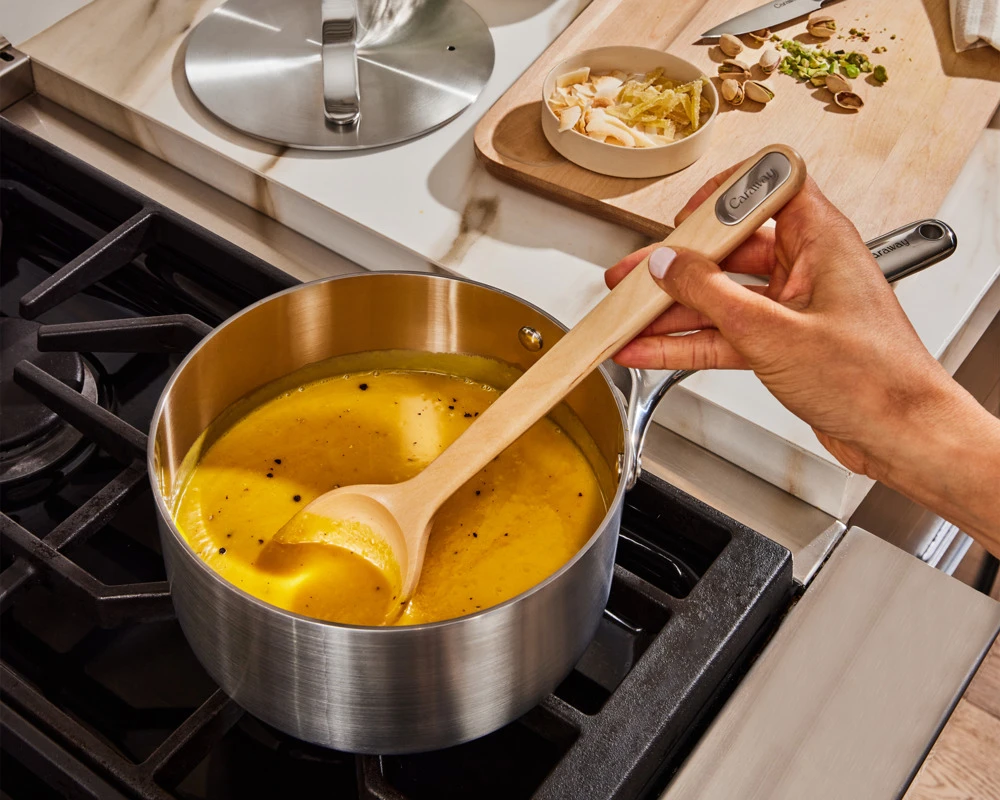
Have you ever stood in your kitchen, staring at your stainless steel pots and pans, wondering which utensils are best to use with them? You’re not alone.
Stainless steel cookware is celebrated for its durability and sleek appearance, but choosing the right utensils can make all the difference in your cooking experience. Using the wrong tools can lead to scratches, food sticking, and even damage over time.
Imagine cooking your favorite dish without worrying about ruining your cookware. The right utensils not only protect your investment but also enhance your culinary creations. This article will guide you through the choices that make cooking with stainless steel both efficient and enjoyable. By the end, you’ll have the confidence to whip up any meal with ease. Dive in, and discover how the right utensils can transform your kitchen adventures!
Benefits Of Stainless Steel Cookware
When it comes to choosing cookware for your kitchen, stainless steel often stands out for its impressive benefits. This type of cookware not only enhances the aesthetics of your kitchen but also offers unparalleled performance. Let’s dive into some compelling reasons why stainless steel cookware should be your go-to choice.
Durability And Longevity
Stainless steel cookware is renowned for its durability. Unlike non-stick pans, these are resistant to scratches and dents, meaning you won’t have to replace them frequently. Many users find that their stainless steel pots and pans last for decades, providing a great return on investment.
Have you ever had a pan that couldn’t withstand a little heat or pressure? Stainless steel can handle high temperatures without warping, making it ideal for all types of cooking. It’s the kind of reliability you can count on, meal after meal.
Non-reactive Properties
One of the standout features of stainless steel is its non-reactive nature. This means that it doesn’t interact with acidic foods like tomatoes or vinegar, ensuring the flavors remain pure. Unlike other materials, you won’t experience a metallic taste or discoloration in your dishes.
Imagine cooking a tomato-based sauce without worrying about altering its taste. With stainless steel, you get the authentic flavor every time. It’s a small detail that makes a big difference in your culinary creations.
Heat Distribution
Stainless steel cookware often comes with an aluminum or copper core, which enhances heat distribution. This ensures that your food cooks evenly, preventing those annoying hot spots. Even heating means better cooking results and less chance of burning.
Consider your last cooking mishap where one side of your dish was overcooked while the other was undercooked. With stainless steel, you can say goodbye to uneven cooking. It’s a game-changer for achieving perfectly cooked meals.
So, are you ready to make the switch to stainless steel and experience these benefits firsthand? Your kitchen and your taste buds will thank you!
Choosing The Right Utensils
Selecting utensils for stainless steel cookware is important. Opt for silicone or wooden utensils to prevent scratches. Metal can damage the surface, affecting cooking performance and durability.
Choosing the right utensils for your stainless steel cookware can be a game-changer in your kitchen experience. The wrong choice can lead to scratches, damage, and even impact the taste of your food. Understanding the materials and how they interact with your cookware is crucial. Do you ever find yourself wondering why your pots and pans seem to wear out faster than expected? Let’s dive into the details to ensure your cookware serves you well for years to come.Material Considerations
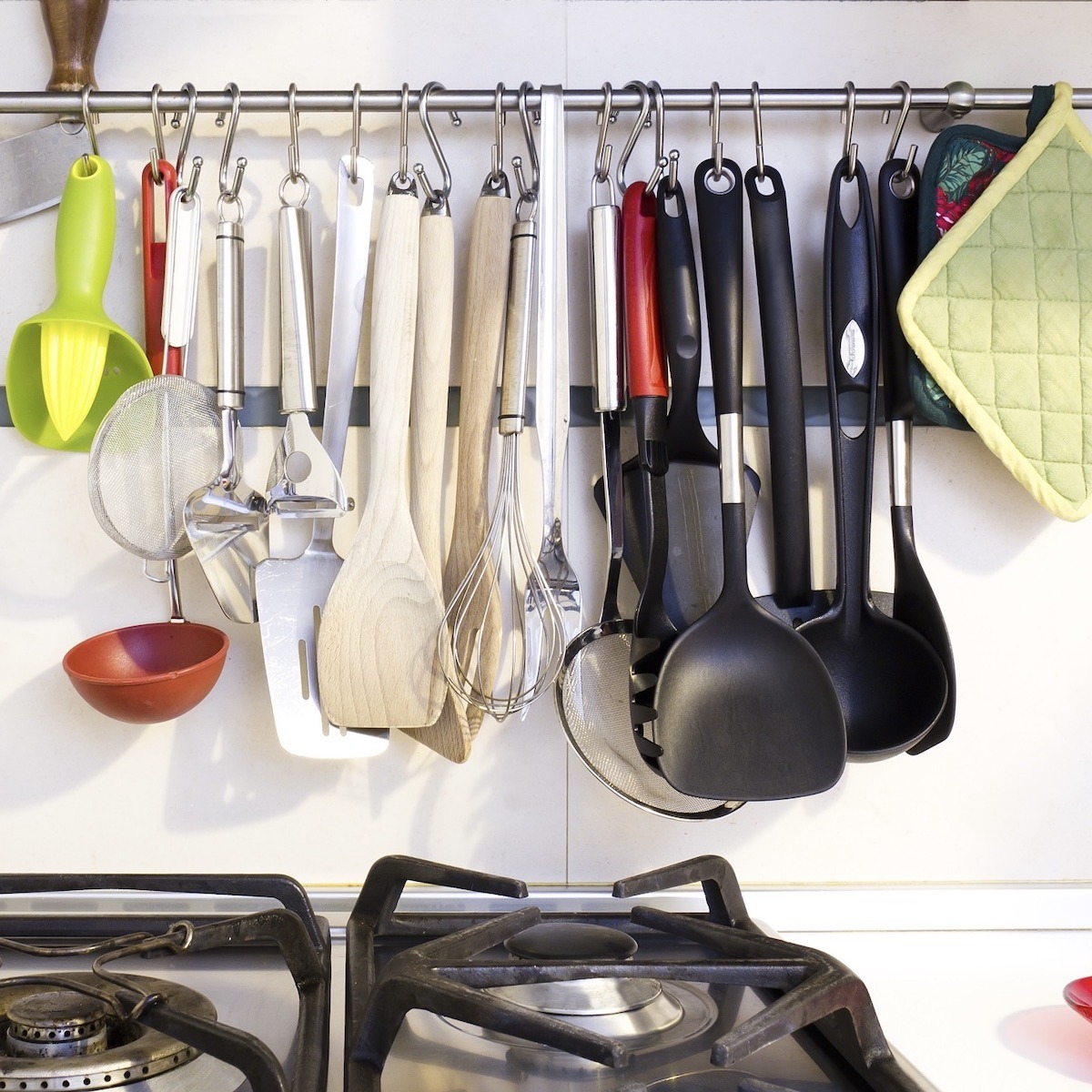
When selecting utensils for stainless steel cookware, consider the material. Stainless steel is durable, but certain utensils can enhance or hinder its longevity. – Wooden utensils are gentle on stainless steel surfaces. They prevent scratches and are heat-resistant, making them a great choice for stirring and serving. – Silicone utensils offer flexibility and are perfect for delicate tasks like sautéing. They withstand high temperatures and are non-abrasive. – Plastic utensils are budget-friendly but can melt at high temperatures. Be cautious when using them for cooking on high heat. Think about what you use most often in your kitchen. Are your utensils working with or against your cookware?Avoiding Scratches And Damage
Scratches on stainless steel not only mar its appearance but can also affect cooking performance. To avoid this, choose utensils that are gentle on the surface. – Avoid using metal utensils. Though durable, they can scratch and damage the finish of your cookware over time. – Opt for soft-edged utensils like wood or silicone to minimize the risk of scratches. – Regularly inspect your utensils for wear and tear. Replace them if they show signs of damage to protect your cookware. Have you noticed scratches on your stainless steel pots and wondered why? It’s often the tools you use that make the difference. By choosing the right materials and handling your utensils carefully, you can maintain the pristine condition of your stainless steel cookware. With the right choice, cooking becomes not just a task but a pleasure, knowing your cookware is well-protected.Best Utensil Materials
Choosing the right utensils for your stainless steel cookware can enhance your cooking experience and preserve the longevity of your pots and pans. Stainless steel is durable and versatile, but using the wrong utensils can lead to scratches or damage. Let’s explore the best materials for utensils that are gentle on your cookware while offering optimal functionality.
Wooden Utensils
Wooden utensils are a classic choice for stainless steel cookware. Their gentle touch prevents scratches, making them ideal for stirring and mixing. Plus, they don’t conduct heat, so you won’t burn your hand if you leave them in the pot.
Wooden spoons and spatulas are perfect for delicate tasks like folding sauces or sautéing vegetables. They’re also naturally antibacterial, adding an extra layer of safety to your kitchen. Imagine the satisfaction of stirring your grandmother’s soup recipe with a handcrafted wooden spoon!
Silicone Utensils
Silicone utensils bring flexibility and resilience to your cooking arsenal. They can withstand high temperatures and won’t warp over time. Silicone spatulas and spoons are perfect for scraping every last bit of batter or sauce from your pans.
These utensils are also dishwasher safe, making cleanup a breeze. Their vibrant colors add a pop of fun to your kitchen, turning cooking into a joyful experience. Ever tried flipping pancakes with a silicone spatula? It’s a game-changer!
Nylon Utensils
Nylon utensils are budget-friendly and practical. They provide a non-scratch solution for your stainless steel cookware. Nylon ladles and turners are great for everyday cooking tasks like stirring soups or flipping burgers.
While nylon can melt if left on high heat, using them correctly ensures they last long and perform well. Their lightweight nature makes them easy to handle. Consider a nylon whisk for those fluffy scrambled eggs—you’ll be amazed at the difference!
What utensils do you prefer for your stainless steel cookware? Share your thoughts in the comments and let’s learn from each other’s kitchen adventures!
Credit: www.reluctantgourmet.com
Avoiding Common Pitfalls
Cooking with stainless steel cookware can elevate your culinary game, but it’s essential to avoid common pitfalls that could damage your pots and pans. Stainless steel is durable and versatile, but it’s not indestructible. Let’s dive into some crucial tips to keep your cookware in top shape.
Metal Utensils And Scratching
Metal utensils are often the go-to choice for many home cooks due to their sturdiness. However, using them on stainless steel can lead to unwanted scratches. These scratches may not affect cooking performance immediately, but over time they can lead to a rough surface that’s harder to clean.
Switching to utensils made from silicone or wood can prevent this damage. They are gentle on your cookware and still provide excellent control for stirring and flipping. Have you tried them yet?
High Heat Considerations
Stainless steel is praised for its ability to handle high heat, but beware of overheating. Excessive temperatures can cause food to stick and leave stubborn residues. It might be tempting to crank up the heat for a quick meal, but patience pays off.
Start with medium heat and adjust as needed. This approach not only preserves your cookware but also enhances the flavors of your dish. What’s your heat strategy when cooking with stainless steel?
Maintaining Stainless Steel Cookware
Opt for wooden or silicone utensils when cooking with stainless steel cookware. These materials prevent scratches and maintain the smooth surface. Metal utensils can cause damage over time.
Maintaining the shine and functionality of your stainless steel cookware is crucial for long-lasting kitchen companions. These gleaming pots and pans are not just tools; they are investments in your culinary adventures. Proper care not only preserves their beauty but also enhances their performance, ensuring you enjoy cooking with them for years to come.Proper Cleaning Techniques
Rinsing your cookware immediately after use helps prevent food from sticking. Use warm, soapy water and a soft sponge to clean. Avoid abrasive pads that can scratch the surface. For stubborn stains, a paste of baking soda and water works wonders. Rub gently in the direction of the grain for best results. Dry your cookware thoroughly to prevent water spots. A microfiber cloth gives it that extra shine.Storage Tips
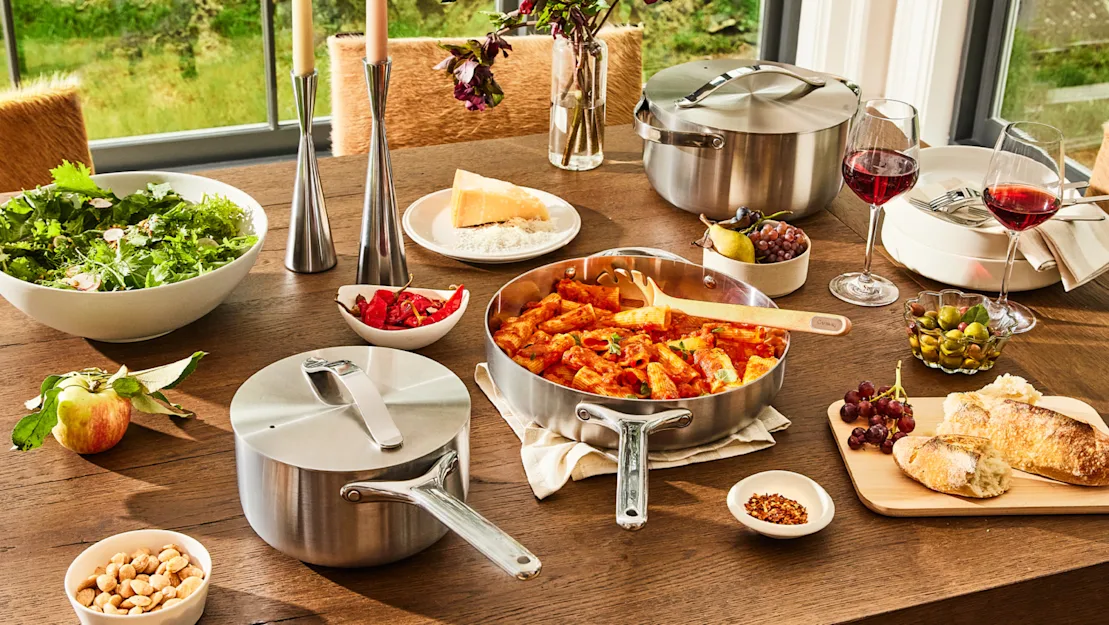
Avoid stacking your stainless steel cookware without protection. Placing a soft cloth or paper towel between each piece prevents scratches. Store lids separately to save space and prevent damage. Consider a lid organizer for easy access. Hang your pots and pans if possible. This not only saves cabinet space but also keeps them scratch-free and ready to use. Taking these simple steps can significantly extend the life of your stainless steel cookware. Have you tried any of these techniques, or do you have your own tips to share?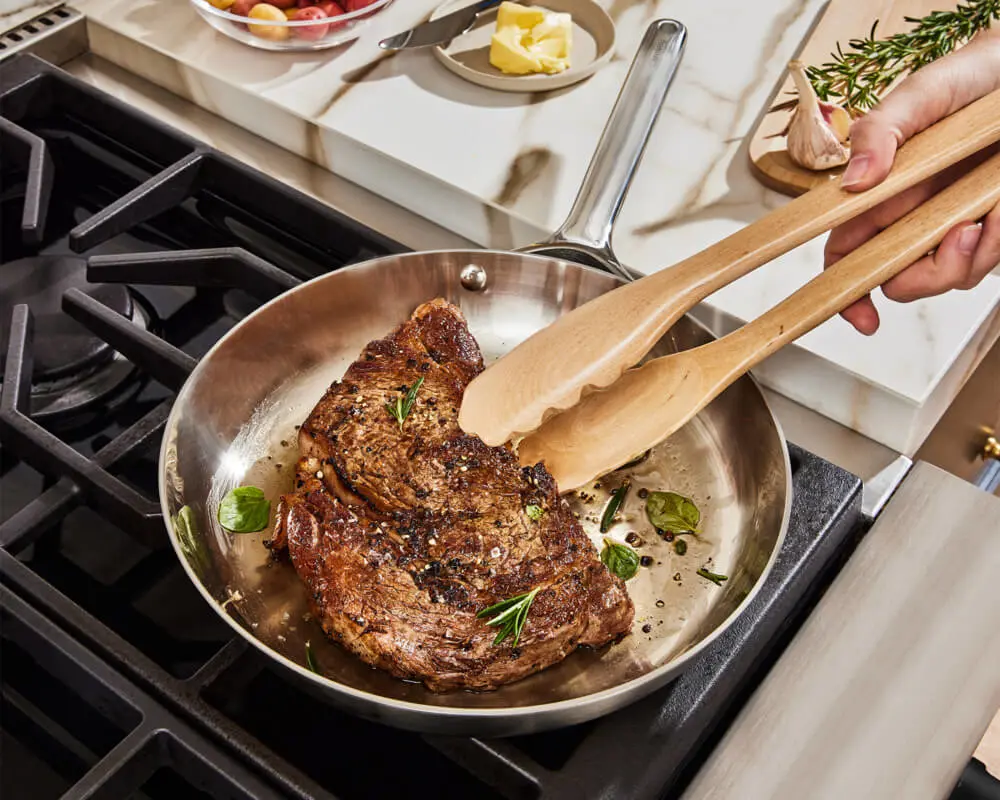
Credit: www.carawayhome.com
Expert Advice
Expert Advice:Cooking with stainless steel cookware can elevate your culinary experience, but choosing the right utensils is crucial. The surface of stainless steel is durable, yet improper utensil use can lead to scratches and impact the longevity of your cookware. To help you make informed decisions, we’ve gathered insights from professionals who know their way around the kitchen.
Chefs’ Favorite Utensils
Professional chefs often prefer utensils that balance functionality and protection of the cookware. Silicone and wood are popular choices due to their gentle touch on stainless steel surfaces. They prevent scratching and are heat-resistant, making them ideal for high-temperature cooking.
Metal utensils can be used cautiously, especially when deglazing pans or turning meats. Experienced chefs recommend using stainless steel utensils for tasks that require precision without risking damage. Always ensure the edges are smooth to avoid scratching.
Professional Insights
Many culinary experts advise investing in high-quality utensils for the best cooking experience. A well-crafted spatula or spoon can make a significant difference in how you maneuver your food. Consider the weight and balance of the utensil—it should feel comfortable in your hand.
Have you ever wondered why some chefs prefer a particular type of spatula for flipping delicate foods? It often comes down to the flexibility and thinness, allowing for easy sliding under food without tearing. This is vital for preserving the integrity of dishes.
To maximize the lifespan of your cookware, always clean utensils promptly after use. This prevents residue buildup and maintains their condition. What steps do you take to ensure your kitchen tools are always in peak condition?
Credit: www.carawayhome.com
Frequently Asked Questions
Can Stainless Steel Cookware Use Metal Utensils?
Yes, stainless steel cookware is durable and can handle metal utensils. However, using silicone or wooden utensils is recommended to avoid scratches. Metal utensils may cause minor surface abrasions, but these typically don’t affect cooking performance. For longevity, use non-metal utensils whenever possible.
Are Silicone Utensils Safe For Stainless Steel?
Silicone utensils are safe and ideal for stainless steel cookware. They prevent scratches and damage, maintaining the cookware’s surface. Silicone is heat-resistant, making it suitable for high-temperature cooking. Using silicone utensils ensures your cookware stays in excellent condition, enhancing its lifespan and performance.
Do Wooden Utensils Work With Stainless Steel?
Wooden utensils are excellent for stainless steel cookware. They are gentle, preventing scratches and preserving the cookware’s surface. Wooden utensils are heat-resistant and durable, making them suitable for various cooking methods. Their natural composition ensures they won’t react with food, maintaining taste integrity.
Should I Avoid Plastic Utensils With Stainless Steel?
Avoid plastic utensils with stainless steel cookware, especially at high temperatures. Plastic can melt and release harmful chemicals, affecting food safety. Instead, opt for heat-resistant materials like silicone or wood. These alternatives ensure safe cooking while preserving the integrity of your stainless steel cookware.
Conclusion
Choosing the right utensils for stainless steel cookware is crucial. Wooden or silicone utensils work best. They prevent scratches and maintain cookware’s shine. Stainless steel utensils are also an option. They last long and are heat-resistant. Avoid using metal spoons or forks.
They can scratch and damage the surface. Keep your cookware in good shape with these simple tips. Your cooking experience will improve. Your meals will taste better. Stainless steel cookware deserves the best care. Ensure you select the right tools.
Your kitchen will thank you. Enjoy cooking with confidence and ease.