Have you ever wondered if your shiny stainless steel cookware can safely transition from stovetop to oven? You might be cautious about ruining your prized pots and pans or even risking a kitchen mishap.
It’s a question that often pops up, especially when you’re in the middle of preparing a delicious dish and need to switch cooking methods. Understanding whether your stainless steel cookware is oven safe can save you time and enhance your culinary adventures.
Imagine effortlessly moving your sizzling masterpiece from stovetop to oven without a second thought. Knowing this little secret can transform your cooking experience. Keep reading to discover the truth about stainless steel cookware and whether it can withstand the heat of your oven.
Stainless Steel Cookware Basics
Stainless steel cookware has become a staple in kitchens around the world, admired for its sleek appearance and durability. But beyond its aesthetic appeal, how much do you really know about it? Understanding the basics of stainless steel cookware can help you make informed choices about your kitchen investments. Whether you’re a seasoned chef or a home cook, knowing what your cookware is made of and the benefits it offers can enhance your cooking experience.
Composition Of Stainless Steel
Stainless steel is a blend of metals, primarily iron, mixed with chromium and nickel. These elements give stainless steel its signature resistance to rust and corrosion. Typically, stainless steel cookware is made from 18/10 stainless steel, meaning it contains 18% chromium and 10% nickel, making it highly durable and shiny.
Have you ever wondered why your stainless steel pan doesn’t rust like other metals? The chromium in the composition forms a protective layer that prevents rusting. This means you can confidently use your cookware for years without worrying about deterioration.
Benefits Of Using Stainless Steel
Stainless steel cookware stands out for its versatility. It’s compatible with all types of cooktops, including induction. This flexibility makes it a great choice for any kitchen setup.
One of the standout features is its ability to endure high temperatures, which makes it oven safe. Imagine seamlessly transitioning from stovetop to oven without switching pans. This convenience can streamline your cooking process and open up more culinary possibilities.
Moreover, stainless steel cookware is non-reactive, which means it won’t alter the taste of your food. Have you ever experienced a metallic taste in your meal? With stainless steel, your dishes will always taste as intended, allowing the flavors to truly shine.
What’s your favorite aspect of stainless steel cookware? Whether it’s its durability, aesthetic appeal, or cooking performance, there’s no denying its value in the kitchen.

Credit: www.amazon.com
Oven Safety Considerations
Understanding oven safety is crucial for using stainless steel cookware effectively. When baking or roasting, knowing the limitations of your cookware ensures safety and longevity.
Temperature Limits For Stainless Steel
Stainless steel cookware can endure high temperatures, typically up to 500°F. Always check manufacturer’s guidelines for specific limits. Exceeding these temperatures may cause warping or discoloration.
Impact Of Oven Use On Cookware Durability
Repeated oven use can affect the longevity of stainless steel cookware. High heat may weaken structural integrity over time. Proper care and occasional inspections can help maintain durability.
Types Of Stainless Steel Cookware
Stainless steel cookware is a staple in many kitchens due to its durability and sleek appearance. But understanding the different types available can enhance your cooking experience and ensure you use your cookware safely in the oven. Let’s explore the various types of stainless steel cookware you might encounter.
Clad Cookware
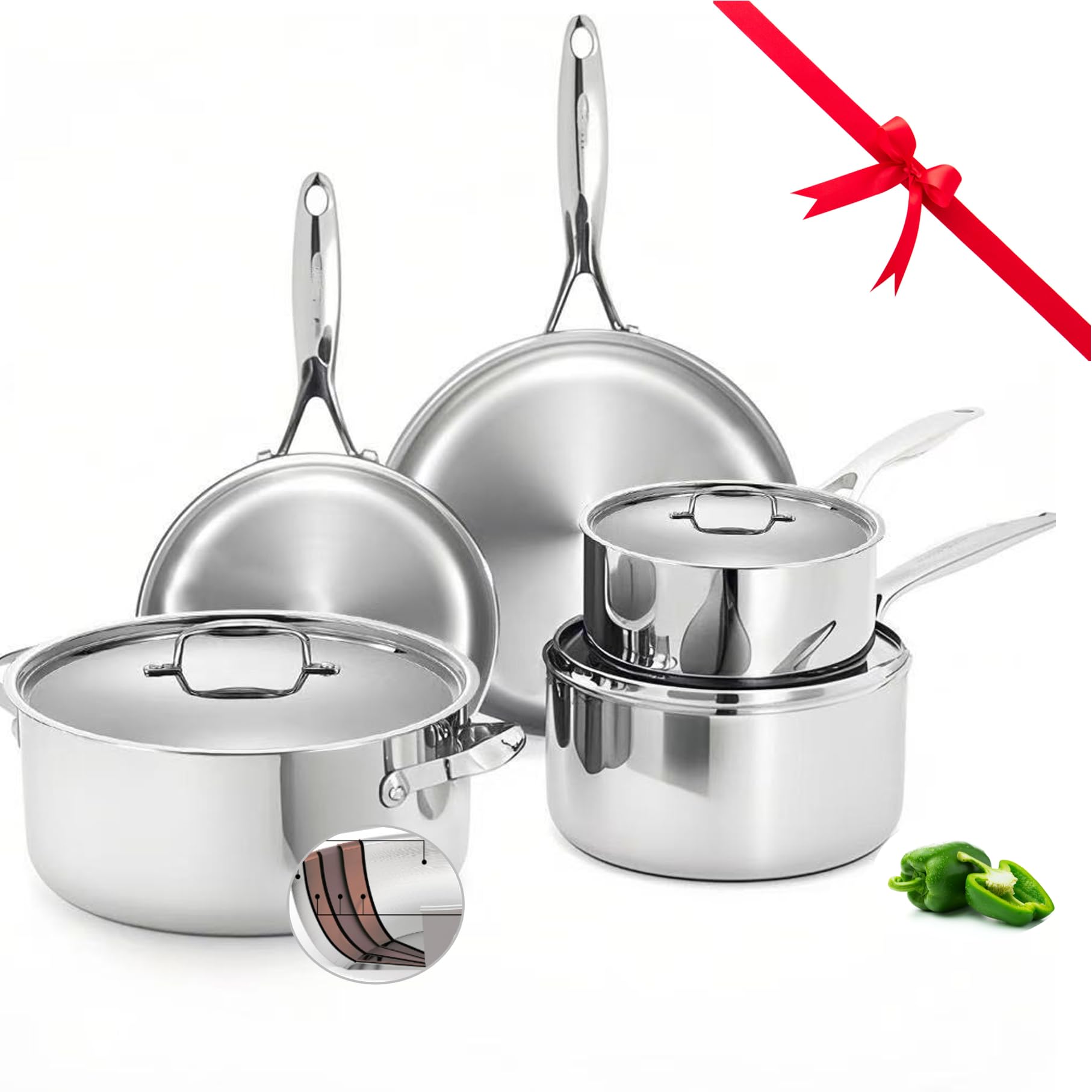
Clad cookware is a popular choice among home cooks and professional chefs alike. It typically features layers of metal, such as aluminum or copper, sandwiched between stainless steel. This design ensures even heat distribution, reducing the risk of hot spots that can ruin a dish.
Imagine making a delicate sauce in a saucepan. With clad cookware, you can trust that your sauce will heat evenly, preventing it from burning or sticking to the pan. When selecting clad cookware, look for products labeled “tri-ply” or “five-ply” for optimal performance.
Are you wondering if clad cookware is oven safe? The answer is generally yes, but always check the manufacturer’s guidelines. Some handles or lids may have heat limitations.
Single-ply Stainless Steel
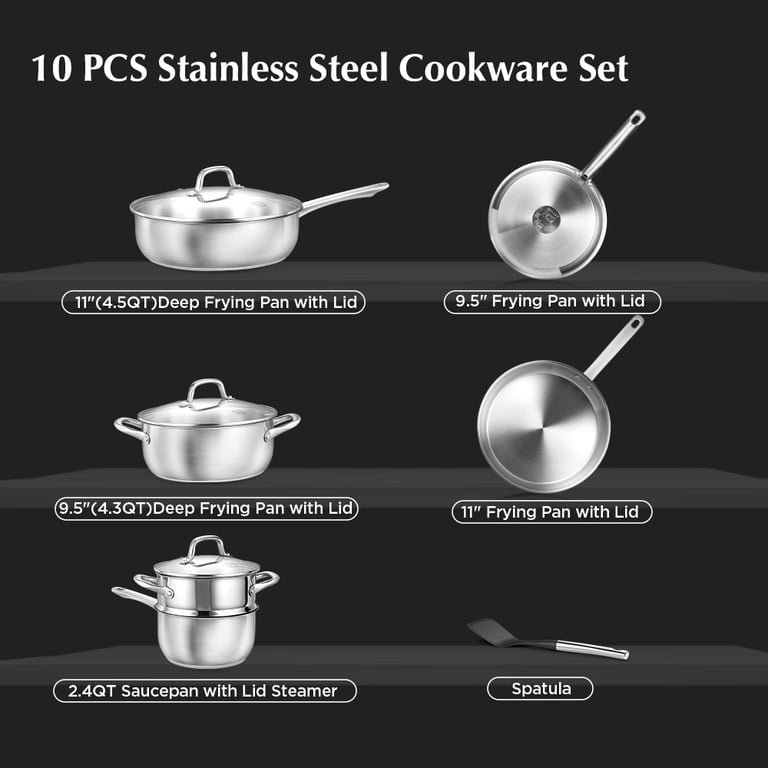
Single-ply stainless steel cookware, as the name suggests, is made from a single layer of stainless steel. It is often more affordable than its clad counterparts but may not offer the same level of heat distribution.
This type of cookware is excellent for tasks that don’t require precise temperature control, like boiling pasta or steaming vegetables. If you’re just starting to build your kitchen arsenal, single-ply options can be a budget-friendly way to get started.
However, when considering single-ply for oven use, you need to be cautious. Many single-ply items might not withstand high oven temperatures as well as clad options. Always verify the oven safety specifics before use.
Have you ever used single-ply cookware in the oven? Share your experiences in the comments below! Your insights could help someone make the right choice for their kitchen.
Credit: www.walmart.com
Handling Stainless Steel In The Oven
Stainless steel cookware is typically safe for oven use, withstanding high temperatures. Always check for non-metal handles or lids.
Handling Stainless Steel in the Oven Stainless steel cookware is a popular choice for its durability and sleek appearance. But when it comes to oven use, you might wonder if it can handle the heat. It’s essential to know how to manage it effectively to ensure both safety and longevity.Preheating And Cooking Tips
Before placing your stainless steel cookware in the oven, preheat the oven to the desired temperature. This ensures even cooking and helps maintain the integrity of the cookware. Consider what you’re cooking. Dishes that require longer cooking times may need lower temperatures to prevent damage. Aim for balanced heat distribution by placing cookware in the center of the oven. Use oven mitts to handle the cookware. Stainless steel can get incredibly hot, and safety should always be your top priority.Avoiding Damage During Oven Use
Be cautious with high heat. While stainless steel is known for its resilience, excessive temperatures can lead to warping or discoloration. Avoid sudden temperature changes. Moving cookware from a cold environment directly into a hot oven can cause structural stress. Allow it to come to room temperature first. Consider the cookware’s handles. Ensure they are oven-safe and can withstand the heat. If unsure, use cookware with metal handles rather than plastic ones. Have you ever experienced unexpected damage after using stainless steel in the oven? Exploring these tips can make a significant difference in extending the life of your cookware.Comparing With Other Cookware Materials
When selecting cookware for your kitchen, it’s essential to understand how different materials behave, especially in the oven. Stainless steel is a popular choice due to its durability and versatility, but how does it stack up against other options like non-stick and cast iron? Knowing the strengths and weaknesses of each can help you make an informed decision for your culinary adventures.
Stainless Steel Vs. Non-stick
Stainless steel cookware is known for its robustness and ability to withstand high temperatures, making it a great option for oven use. Unlike non-stick pans, which often have a coating that can degrade or release harmful fumes at high temperatures, stainless steel can safely endure the heat. However, non-stick cookware does offer a convenience factor with easy food release, which stainless steel lacks. You might have to use a bit more oil or butter to prevent sticking with stainless steel, but it rewards you with a perfect sear and allows for deglazing, enhancing flavors. The question is, do you value ease of cleaning over the potential for richer flavors and better browning? If you enjoy cooking techniques that require high heat, stainless steel might be your preferred choice.
Stainless Steel Vs. Cast Iron
Cast iron is another sturdy contender in the cookware realm, celebrated for its heat retention and ability to impart a unique flavor to dishes. Like stainless steel, cast iron can be used in the oven and is ideal for slow-cooking and baking. However, it requires more maintenance, such as seasoning to prevent rust and sticking. Stainless steel, on the other hand, offers the advantage of being low maintenance and resistant to rust. It heats up faster than cast iron, allowing for quicker cooking times. Do you cherish the nostalgic feel and taste of cast iron, or do you prefer the practicality and ease of stainless steel? Your choice may depend on how much time you’re willing to invest in maintaining your cookware.
Choosing between these materials often boils down to what you prioritize in your kitchen—ease of use, flavor enhancement, or maintenance. With these insights, you can confidently decide which cookware material aligns best with your cooking style and needs.
Credit: www.amazon.com
Maintenance And Care
Stainless steel cookware is a popular choice for oven use due to its durability and heat resistance. Proper maintenance and care ensure your cookware stays in top condition. Cleaning and long-term care are essential for preserving its quality.
Cleaning After Oven Use
After using stainless steel cookware in the oven, clean it properly. Allow the cookware to cool down before washing. Use warm water and mild dish soap. Avoid harsh chemicals that can damage the surface.
For stubborn stains, create a paste with baking soda and water. Apply the paste to the stains and gently scrub with a soft cloth. Rinse thoroughly and dry with a towel.
Never use steel wool or abrasive pads. They can scratch the surface. Always hand wash your stainless steel cookware. Dishwasher detergents can dull the finish.
Long-term Care For Stainless Steel
Maintain your stainless steel cookware for long-term use. Store it properly to avoid scratches. Use pot protectors or soft towels between stacked pieces.
Regular polishing keeps your cookware looking new. Use a stainless steel cleaner or a mix of vinegar and water. Polish gently with a microfiber cloth.
Avoid high heat when using stainless steel on the stovetop. High heat can cause discoloration over time. Use medium heat for cooking.
Inspect your cookware regularly for signs of wear. Address any issues promptly to prevent further damage.
Common Misconceptions
When it comes to stainless steel cookware, you might have heard varying opinions about its oven safety. These conflicting views often stem from common misconceptions that can leave you uncertain about using your favorite pots and pans in the oven. Let’s debunk some of these myths and clarify the actual safety concerns.
Myths About Stainless Steel Cookware
One popular belief is that stainless steel cookware will warp or become damaged at high temperatures. This misconception likely arises from experiences with lower-quality cookware, which can indeed warp under intense heat. However, high-quality stainless steel is engineered to withstand oven temperatures without deforming.
Another myth suggests that stainless steel can leach harmful substances when heated. This concern confuses stainless steel with other materials. Stainless steel is non-reactive, meaning it doesn’t release any harmful chemicals even when exposed to high heat.
Clarifying Oven Safety Concerns
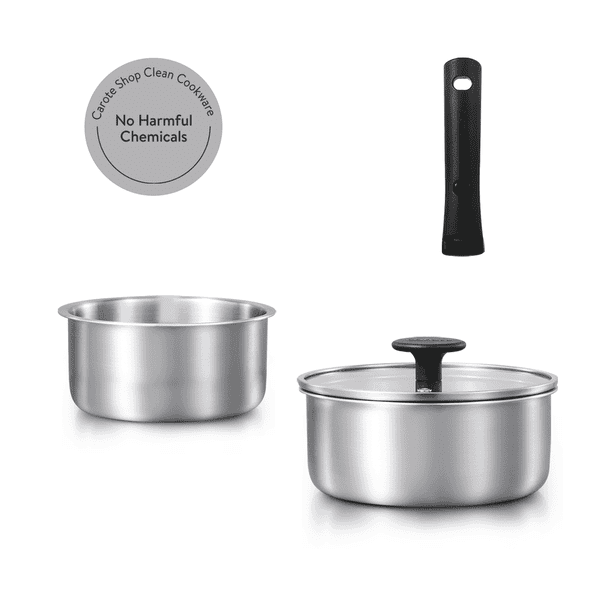
Are you worried about the handles on your stainless steel pots and pans? This is a valid concern, as not all handles are created equal. Some cookware features plastic or wooden handles that aren’t oven-safe. Always check the manufacturer’s guidelines or labels to ensure your cookware is suitable for oven use.
Do you ever wonder if the lids are safe to use in the oven as well? While stainless steel itself is generally safe, lids can sometimes be made of glass or other materials that might not endure high temperatures. Consider using oven-safe lids or removing them altogether when cooking.
Have you tried using your stainless steel pan in the oven only to find residue or discoloration? This often happens if food isn’t properly cleaned off before baking. Stainless steel can maintain its shine if you ensure it’s clean and dry before placing it in the oven.
Next time you plan a dish that requires oven cooking, think about your stainless steel cookware’s capabilities. Are you using it to its full potential? Knowing the facts about oven safety can open up new culinary possibilities for you. What delicious meals will you create next?
Frequently Asked Questions
Can Stainless Steel Cookware Go In The Oven?
Yes, stainless steel cookware is generally oven safe. Most pieces can withstand temperatures up to 500°F. However, always check the manufacturer’s guidelines for specific temperature limits. Handles and lids may have different heat tolerances, so ensure they’re oven-proof before use.
What Temperature Is Safe For Stainless Steel?
Stainless steel cookware can typically handle oven temperatures up to 500°F. Always verify the specific limits provided by the manufacturer. Avoid extreme temperatures to prevent warping or damage. Using cookware within recommended temperature ensures longevity and performance.
Are Stainless Steel Handles Oven Safe?
Most stainless steel handles are oven safe, but check for specific limits. Some handles may have silicone or plastic parts that aren’t oven safe. Always ensure the entire cookware, including handles, is suitable for the oven’s heat before use.
Do Stainless Steel Lids Withstand Oven Heat?
Stainless steel lids are generally safe for oven use. However, verify the manufacturer’s specifications for temperature limits. Some lids may have non-metal components that aren’t oven safe. Ensure all parts of the lid can handle the intended oven temperature.
Conclusion
Stainless steel cookware is often safe for oven use. Check the manufacturer’s guidelines first. Not all stainless steel items handle high heat well. Handles and lids might limit oven safety. Always ensure your cookware is labeled as oven-safe. This helps avoid damage or safety issues.
Stainless steel’s durability and heat tolerance make it popular. It’s versatile for various cooking needs. With proper use, it enhances your cooking experience. Remember to handle hot cookware carefully to prevent burns. Enjoy cooking with confidence, knowing your tools can safely withstand the heat.