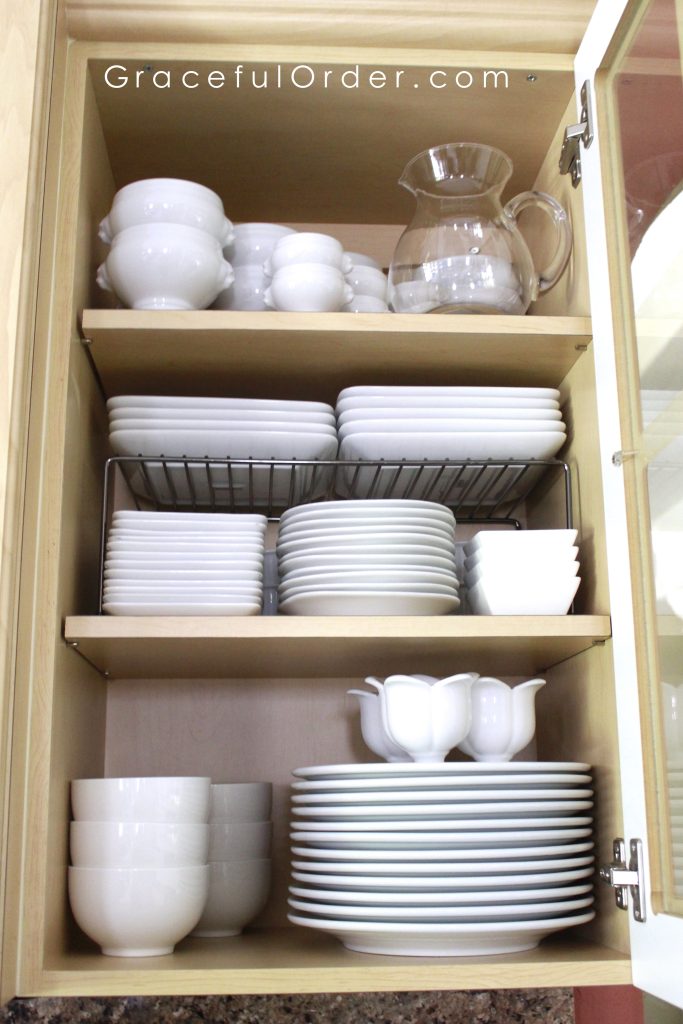
Are your kitchen dishes causing chaos every time you open a cabinet? Imagine reaching for a plate and finding it effortlessly without the usual shuffle.
If your kitchen feels more like a puzzle than a well-oiled machine, you’re not alone. Many people struggle with organizing their kitchen dishes effectively, leading to frustration and wasted time. But here’s the good news: transforming your kitchen into a space of order and efficiency is easier than you think.
By learning how to organize your kitchen dishes, you can save time, reduce stress, and create a harmonious environment where cooking and entertaining become a pleasure. Dive into this guide, and discover simple yet powerful strategies to bring order to your kitchen chaos. You deserve a space that works for you, so let’s make it happen!
Assessing Your Space
Assess your kitchen space to organize dishes effectively. Consider shelf heights for stacking and accessibility. Use dividers for neat arrangement.
Organizing your kitchen dishes effectively starts with understanding the space you have. A well-assessed kitchen not only streamlines your cooking process but can also bring a sense of calm and satisfaction. Before you start rearranging, take a moment to evaluate your space thoroughly. This will help you make informed decisions about where each item should go.Evaluating Cabinets And Shelves
Begin by opening all your kitchen cabinets and drawers. Take a good look at how much space you have and the layout of each shelf. Are the shelves adjustable? This can significantly impact how you organize your dishes. Consider the depth and height of each cabinet. Some may be better suited for larger items like serving platters, while others might be perfect for everyday plates and bowls. Think about how often you access each item. Dishes used daily should be within easy reach.Identifying High Traffic Areas
Observe the areas in your kitchen that you use most frequently. These are your high traffic zones and should be reserved for items you use often. Is your dishwasher near a particular cabinet? It makes sense to store your daily dishes close by to save time and effort. Think about your cooking routine. If you always grab a bowl before making breakfast, keep them near the cereal or breakfast station. Aligning your dishes with your daily habits not only saves time but also reduces frustration. By thoughtfully assessing your space, you create a kitchen that works for you. How does your current setup make you feel? Are there changes you can make that would enhance your daily routine?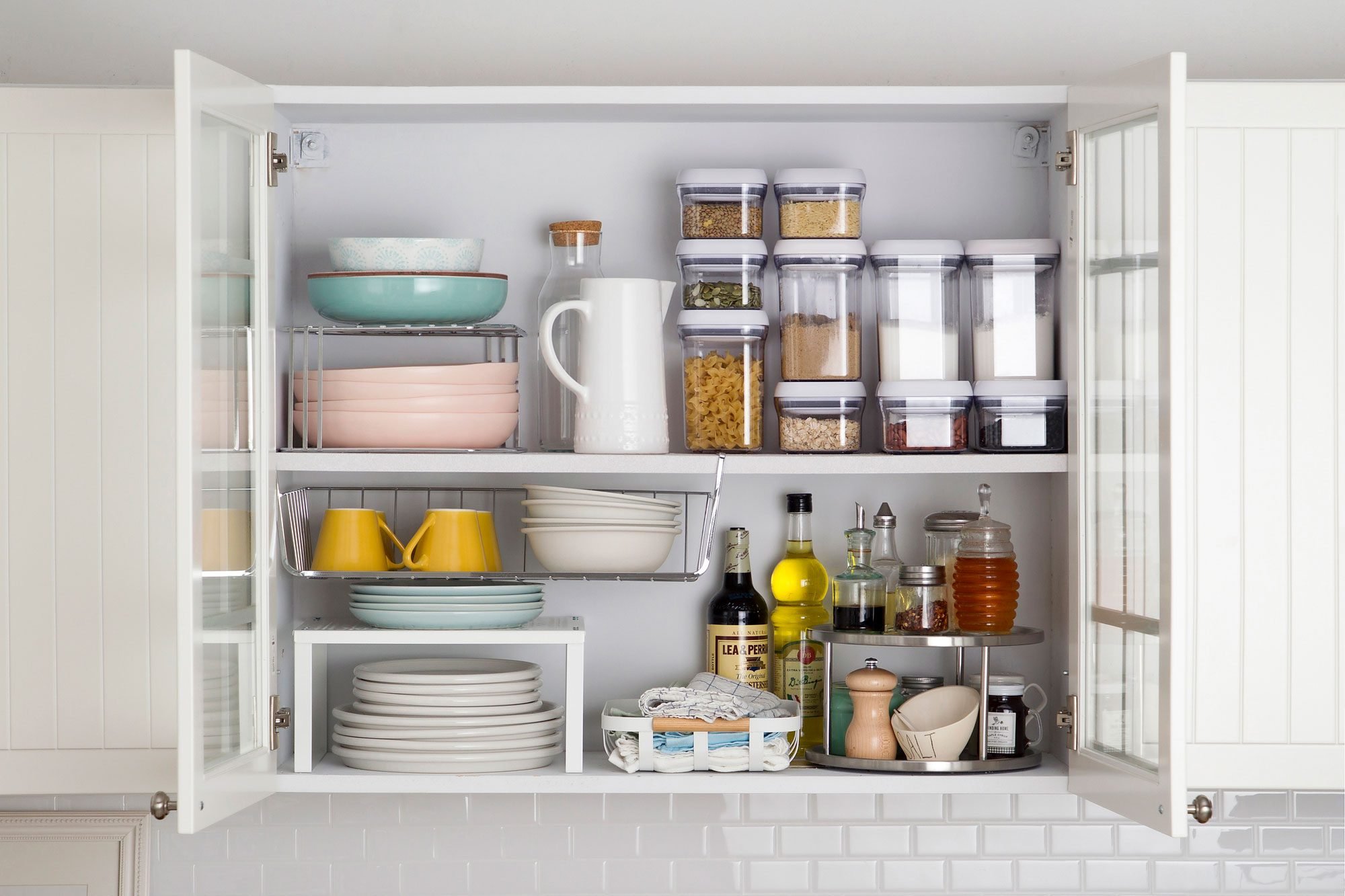
Credit: www.rd.com
Sorting And Decluttering
Organizing kitchen dishes can be a refreshing endeavor, especially when you embrace sorting and decluttering. It’s all about creating a space where you can easily find what you need without rummaging through piles of unused items. By focusing on what you use daily versus occasionally, and deciding which items to keep or donate, you can transform your kitchen into an efficient and pleasant environment.
Separating Daily Use From Occasional Use
Take a moment to identify the dishes you reach for every day. These are your essentials. Perhaps it’s the sturdy plates and bowls you use for breakfast or the mugs that start your morning off right.
Place these daily items in the most accessible spots in your kitchen. For example, store them in a cabinet that’s easy to reach or a shelf that’s at eye level. This saves time and effort, making your kitchen routine smoother.
Conversely, dishes used for special occasions or guests can be stored in less accessible areas. Think about those fancy dinner plates or serving platters you pull out for holiday dinners. Stash them in higher cabinets or tucked away in a corner. This strategy keeps your daily space uncluttered while still maintaining easy access to items when needed.
Deciding What To Keep Or Donate
Take a critical look at your dish collection. Do you really need three sets of wine glasses or mismatched plates from past eras? Consider how often you use each item and the last time you actually needed it.
Ask yourself if holding onto it adds value to your kitchen. If not, it might be time to let go. Donating unused dishes can be rewarding, not only freeing up space but also giving them a new home where they will be appreciated.
Think about the emotional attachment you have to certain items. Does the sentiment outweigh the practicality? If not, parting with them might be beneficial. Remember, a clutter-free kitchen is easier to maintain and more enjoyable to use.
Categorizing Dishes
Organizing your kitchen dishes can transform your cooking space into a haven of efficiency and style. By categorizing your dishes thoughtfully, you can streamline your daily routine and add a touch of personal flair to your kitchen. This process not only saves time but also enhances the visual appeal of your space.
Grouping By Type And Size
Start by sorting your dishes into categories such as plates, bowls, and cups. This helps you find what you need quickly. Within each category, further organize by size. Stack larger items at the bottom for stability and smaller ones on top.
This method keeps your kitchen tidy and prevents unnecessary clutter. Imagine reaching for a dinner plate and knowing exactly where it is! It’s about creating a seamless experience every time you open your cupboard.
Color Coordination Strategies
Color coordination isn’t just for aesthetics—it can significantly enhance functionality. Grouping dishes by color can make it easier to set a table that looks cohesive. It also adds a splash of visual interest to your kitchen.
If you have multicolored dish sets, consider alternating colors in stacks for a vibrant look. Alternatively, you could dedicate certain shelves to specific color schemes. This approach not only organizes but also inspires creativity each time you prepare a meal.
Ask yourself: how does the color of your dishes make you feel? Color can evoke joy, calm, or even appetite. Utilize this to create a kitchen that’s not just organized, but also a place that uplifts your spirit.
Efficient Storage Solutions
Organizing kitchen dishes can be a daunting task, but finding the right storage solutions can transform your space and make your daily routine smoother. Efficient storage solutions not only help in maintaining order but also maximize the available space, making your kitchen more functional and aesthetically pleasing. Let’s dive into some practical strategies to achieve a well-organized kitchen.
Utilizing Vertical Space
Vertical space is often the most underutilized area in a kitchen. By stacking shelves or using tiered racks, you can multiply your storage options significantly. Consider installing wall-mounted racks for your pots and pans, which frees up cabinet space for dishes.
Think about adding hooks under cabinets for mugs or smaller items. This not only keeps them within reach but also adds a decorative element to your kitchen. Are you making the most of the space above your cabinets? Decorative baskets or bins can store items you rarely use, keeping them out of sight yet accessible.
Incorporating Drawer Organizers
Drawer organizers can be game-changers for kitchen efficiency. They prevent your utensils and small dishes from becoming a jumbled mess. Consider investing in adjustable dividers to customize your drawer space according to your needs.
Try using small, stackable trays for items like lids and small plates. This keeps everything visible and easy to grab. Have you ever found yourself searching for the right-sized lid in a pile of chaos? With drawer organizers, everything has its place, and you’ll never have to hunt for that elusive lid again.
Efficient storage solutions make a world of difference in your kitchen. By creatively utilizing vertical space and incorporating drawer organizers, you can achieve a clutter-free, functional kitchen that makes cooking and meal prep a breeze. What other unique storage solutions have you discovered in your kitchen adventures?
Labeling And Accessibility
Organizing kitchen dishes can be a challenge without proper labeling and accessibility. Effective labeling ensures you find items quickly, saving you precious time. Accessibility makes sure essential items are within easy reach. Together, they transform your kitchen into a well-oiled machine.
Creating Easy-to-read Labels
Labels should be clear and simple to read. Use large fonts and bold text to enhance visibility. Consider using waterproof labels for durability. Place labels at the front of shelves and bins. This ensures they are visible without moving items. Choose a consistent color scheme for your labels. Consistency helps in quick identification and reduces confusion.
Ensuring Quick Access To Essentials
Essentials should be placed within arm’s reach. Store frequently used dishes at eye level. This minimizes the need for bending or stretching. Group similar items together for logical organization. For instance, stack plates near bowls and mugs. Use shelf dividers to separate different categories. Dividers prevent items from toppling over and create neat sections.

Credit: thecrownedgoat.com
Maintenance Tips
Keeping your kitchen dishes organized requires regular maintenance. This helps maintain order and efficiency. Small habits can make a big difference. Let’s explore some practical maintenance tips.
Regular Cleaning And Inventory Checks
Wash dishes as soon as they are used. This prevents clutter and keeps your space clean. Dry and put them back in their designated spots. Check your inventory every month. Look for chipped or rarely used items. Decide if they should be replaced or removed.
Keep a list of all your kitchen items. This helps track what you have. It also helps avoid unnecessary purchases. A simple list can save time and money.
Adjusting Organization As Needed
Assess your dish organization periodically. See if your current system still works. If not, make changes. Small tweaks can improve functionality. Consider seasonal needs. Adjust your setup for holiday gatherings or special occasions.
Rotate dishes you use often. Keep them in easy-to-reach places. This makes daily use simpler. Shift less-used items to higher shelves. This keeps your space efficient and tidy.
Incorporating Style
Enhance kitchen efficiency by arranging dishes by usage frequency. Place everyday items within easy reach, reserving top shelves for special occasion dishes. Organize by category, ensuring plates, bowls, and glasses are grouped together for quick access.
Incorporating style into organizing your kitchen dishes can transform a mundane task into a delightful experience. Imagine opening your kitchen cabinets and being greeted not only by neatly stacked dishes but also by a touch of elegance that reflects your personality. Creating a visually appealing kitchen space doesn’t just make your home more inviting; it also makes it more enjoyable to cook and entertain. So, how can you add that flair to your kitchen without sacrificing practicality?Adding Decorative Touches
Bringing decorative elements to your dish organization can add charm and character. Consider using open shelving to display your most beautiful dishes. This not only keeps them accessible but also turns them into a part of your kitchen decor. Use decorative baskets or bins to store smaller items like napkins or coasters. This keeps your space tidy while adding texture and color. You might also find that using a mix of vintage and modern dishware creates an eclectic and stylish look.Balancing Functionality With Aesthetics
Finding the sweet spot between functionality and aesthetics is key to a well-organized kitchen. Think about how you use your dishes daily. Position frequently used items at eye level, making them easy to grab without disrupting the overall look. Consider the color palette of your kitchen when arranging your dishes. Neutral tones can create a serene atmosphere, while bold colors can add a splash of excitement. Ask yourself, do your dishes reflect your personal style, or is there room for a refreshing change? Remember, practicality doesn’t have to mean plain. You can choose dish racks or organizers that are both functional and pleasing to the eye. Look for options that match your kitchen’s theme and make your daily routines more enjoyable.
Credit: designthusiasm.com
Frequently Asked Questions
How Do I Start Organizing Kitchen Dishes?
Begin by decluttering your kitchen cabinets. Remove any broken or unused dishes. Group similar items together, such as plates, bowls, and cups. Consider the frequency of use and place everyday dishes within easy reach. Use organizers or dividers for efficient storage.
What Tools Help In Organizing Dishes?
Utilize cabinet organizers, shelf risers, and drawer dividers. These tools maximize your kitchen space. Plate holders keep dishes upright and accessible. Lazy Susans are great for corner cabinets. Stackable shelves increase vertical space, while under-cabinet hooks can hold mugs and utensils.
How Often Should I Reorganize My Kitchen?
Reorganize your kitchen every six months. This ensures everything remains in its proper place. Regular organization helps you identify unused items and streamline your kitchen. Adapting to changes in your lifestyle or kitchen usage is also important for maintaining a functional space.
Can I Organize Dishes Without Spending Money?
Yes, you can repurpose items you already own. Use empty jars or containers as utensil holders. Cardboard boxes can serve as drawer dividers. Old magazines can be used to create dish separators. Creativity allows you to save money while effectively organizing your kitchen.
Conclusion
Organizing kitchen dishes can simplify your daily routine. Clear space on shelves first. Use dividers for plates and bowls. Stack them neatly. Group similar items together. Store frequently used items within easy reach. Label shelves or containers if needed. This helps maintain order.
Regularly assess and declutter your collection. Keep only what you use often. Donate extras to free up space. A tidy kitchen enhances cooking efficiency. Plus, it reduces stress. Enjoy a well-organized space. Happy cooking!