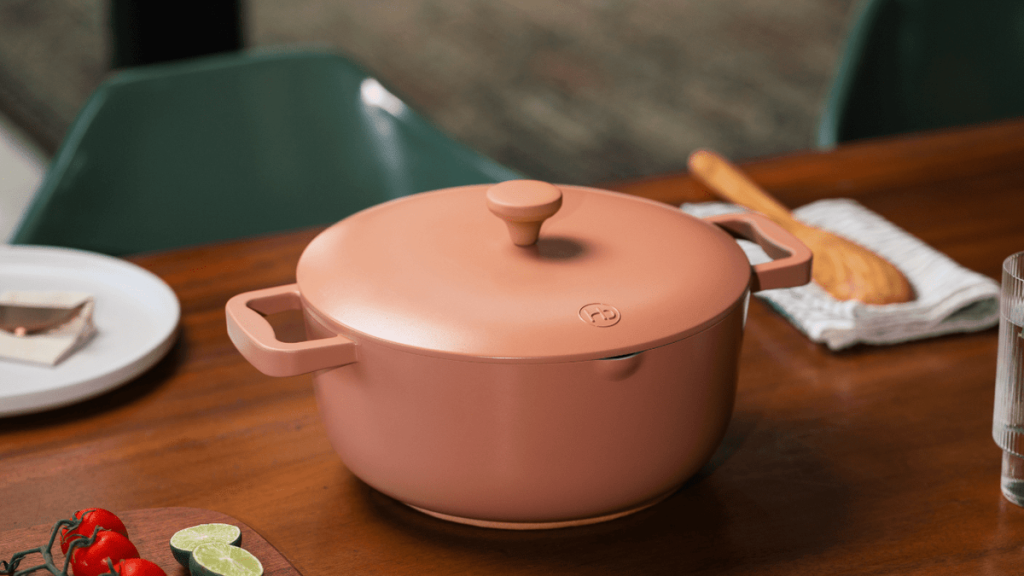
Have you ever invested in ceramic cookware, only to find your meals sticking or lacking that perfect sear? You’re not alone.
Ceramic cookware is renowned for its non-stick properties and eco-friendly nature, but achieving its full potential starts with proper seasoning. Imagine effortlessly flipping pancakes or searing steak with ease. Seasoning your ceramic cookware can transform your cooking experience, saving you time and frustration.
This simple yet essential step could be your secret to culinary success. Ready to unlock the magic of your kitchen tools? Keep reading to discover how to season ceramic cookware like a pro and elevate your cooking game.
Why Season Ceramic Cookware
Ceramic cookware is beloved for its smooth surface and non-stick qualities. Yet, many wonder why seasoning is essential. Seasoning ceramic cookware enhances its performance and longevity. It creates a barrier between food and the ceramic, preserving the non-stick surface. Proper seasoning prevents food from sticking and makes cleaning easier. It also helps maintain the cookware’s appearance, avoiding stains and scratches. Seasoning acts as a protective layer, extending the life of your ceramic pots and pans. Understanding the benefits of seasoning ensures your ceramic cookware remains efficient and beautiful.
Why Season Ceramic Cookware?
Seasoning ceramic cookware offers multiple advantages. First, it improves non-stick performance. A seasoned surface reduces food sticking, making cooking more enjoyable. Second, it enhances durability. Seasoning protects the ceramic from scratches and stains, keeping it looking new. Third, it simplifies cleaning. A seasoned pan is easier to clean, saving time and effort. Lastly, it prolongs the lifespan of the cookware. Proper seasoning ensures the ceramic remains effective for years. These benefits make seasoning a worthwhile practice for all ceramic cookware users.
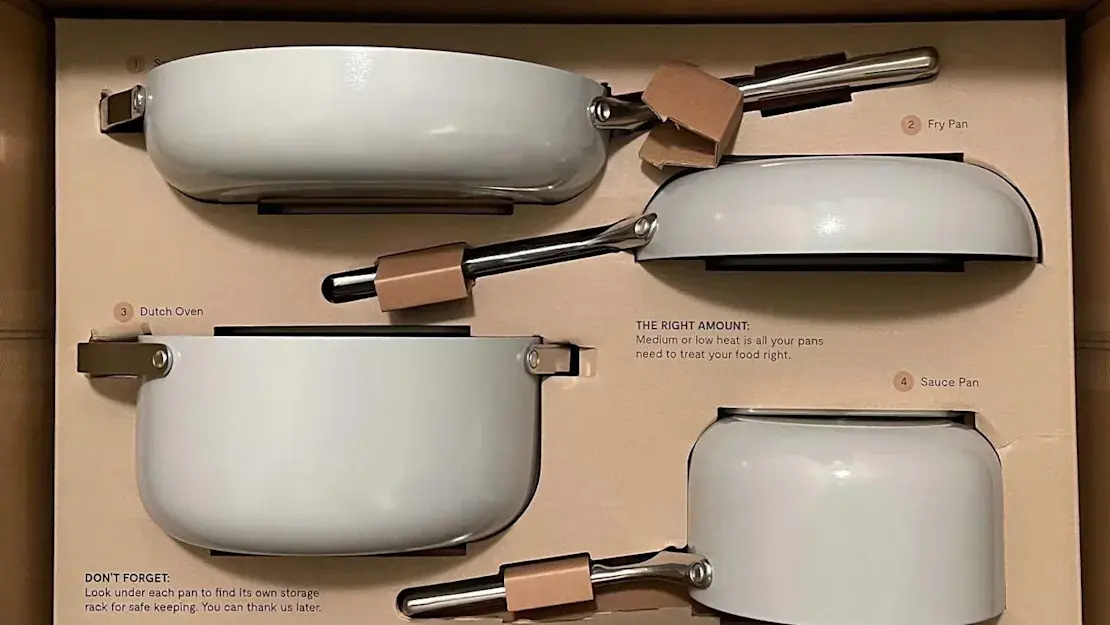
Credit: www.carawayhome.com
Choosing The Right Ceramic Cookware
Choosing the right ceramic cookware sets the stage for perfect seasoning. It ensures optimal performance and longevity. Ceramic cookware offers a variety of choices. Each type has unique features and benefits. Selecting the right one requires understanding these differences.
Types Of Ceramic Cookware
Ceramic cookware comes in several forms. You have pure ceramic, ceramic-coated, and ceramic-infused options.
- Pure Ceramic:Made entirely of clay and baked in a kiln.
- Ceramic-Coated:Metal bases with a ceramic layer applied.
- Ceramic-Infused:Metal mixed with ceramic materials.
Each type serves different cooking needs. Pure ceramic retains heat well. Ceramic-coated offers durability. Ceramic-infused provides a balance between the two.
Quality Indicators
Quality ceramic cookware lasts long and cooks evenly. Look for smooth surfaces and even coatings. Check the weight; heavier pieces often signal better quality.
Handles should feel sturdy and secure. Inspect for any chips or cracks. High-quality ceramic cookware withstands high temperatures.
Brand reputation can also indicate quality. Research reviews and ratings for insights. Your choice impacts your cooking experience significantly.
Preparing Cookware For Seasoning
Seasoning ceramic cookware enhances its non-stick properties. Begin by cleaning the cookware thoroughly with warm, soapy water. Dry it completely, then apply a thin coat of vegetable oil. Heat the cookware on low for a few minutes to allow the oil to bond, ensuring a smooth cooking surface.
Preparing your ceramic cookware for seasoning ensures a long-lasting non-stick surface. Proper preparation helps avoid scratches and maintains cookware quality. First, focus on cleaning and drying. This step removes any residue from manufacturing or previous use. Gather all necessary tools to make the process seamless and effective.Cleaning And Drying
Start by washing the ceramic cookware with warm soapy water. Use a soft sponge or cloth to avoid damage. Scrub gently to remove any dirt or grease. Rinse thoroughly to ensure no soap residue remains. After rinsing, dry the cookware completely with a clean towel. Ensure no moisture is left, as it can affect the seasoning process.Gathering Necessary Tools
Have the right tools ready to season your ceramic cookware. You’ll need a high-quality cooking oil for the seasoning process. Choose oils with a high smoke point like vegetable or canola oil. A soft cloth or paper towel is essential for applying the oil evenly. A heat source is necessary to complete the seasoning, usually your stovetop or oven. Ensure your workspace is clean and organized for a smooth process.Step-by-step Seasoning Process
Ceramic cookware offers a sleek look and non-stick capabilities. To keep it performing well, seasoning is key. This process creates a protective layer, enhancing durability and performance. Let’s dive into the simple steps to season ceramic cookware effectively.
Applying Oil
Begin by cleaning the cookware thoroughly. Use warm soapy water to remove residues. Dry it completely with a soft towel. Once dry, apply a thin layer of vegetable oil. Olive and canola oil work well for this task. Use a soft cloth or paper towel to spread the oil evenly. Make sure every inch of the surface is covered. This ensures a uniform seasoning layer.
Heating Techniques
After applying oil, heat the cookware gently. You can use an oven for this step. Preheat the oven to 300 degrees Fahrenheit. Place the cookware inside for about 30 minutes. This allows the oil to bond with the ceramic surface. If you prefer stovetop heating, keep the flame low. Heat the cookware until you see slight smoke. This indicates the oil is setting correctly.
Cooling And Storage
Once heated, let the cookware cool down naturally. Avoid rushing the cooling process with cold water. Let it sit at room temperature. After cooling, inspect the cookware surface. It should have a smooth, shiny finish. Store it in a dry place. Avoid stacking heavy items on top. This prevents scratches and maintains the seasoning layer.
Maintaining Seasoned Cookware
Maintaining seasoned ceramic cookware is essential for its longevity and performance. Proper care ensures that your cookware remains non-stick and easy to use. This section will guide you on how to keep your ceramic cookware in top condition.
Regular Cleaning Tips
Clean ceramic cookware with mild soap and warm water. Avoid harsh chemicals and scouring pads. They can damage the non-stick surface. Use a soft sponge or cloth instead. After washing, dry thoroughly with a towel. This prevents water spots and maintains the seasoning.
If food sticks, soak the cookware in warm soapy water. Let it sit for a few minutes. Then gently scrub with a non-abrasive sponge. Avoid using the dishwasher, as high heat can affect the non-stick layer.
Re-seasoning Frequency
Re-season ceramic cookware every few months. This keeps the non-stick surface effective. To re-season, clean the cookware thoroughly. Then apply a thin layer of vegetable oil. Use a paper towel to spread the oil evenly. Heat the cookware on low for about 10 minutes. Allow it to cool before storing.
If the non-stick quality diminishes, increase re-seasoning frequency. Regular care ensures your cookware stays in excellent condition, enhancing your cooking experience.

Credit: fromourplace.com
Common Mistakes To Avoid
Seasoning ceramic cookware is an art that requires a touch of care and attention. While the process is straightforward, there are common mistakes that can undermine your efforts, leaving your cookware less effective. Avoiding these pitfalls is crucial to maintaining the longevity and performance of your ceramic pots and pans.
Overheating Risks
One of the biggest mistakes is overheating your ceramic cookware. Unlike traditional metal pans, ceramic doesn’t handle high heat as well. You might be tempted to crank up the stove to speed up cooking, but this can lead to surface damage.
Think about the time you accidentally left a pan on high heat while distracted—those black spots are hard to remove and can affect the cooking quality. Keep the heat moderate to preserve the non-stick surface.
Have you ever questioned if your rush to finish cooking is worth the risk of damaging your cookware? Slow down and enjoy the process; your ceramic cookware will thank you.
Using Abrasive Cleaners
Another common mistake is using abrasive cleaners on ceramic cookware. Scrubbing pads and harsh chemicals can scratch and weaken the surface, reducing its non-stick abilities.
Recall the frustration of trying to clean stubborn food residue only to realize you’ve just damaged the pan further. Instead, use gentle, non-abrasive cleaners and soft sponges to keep your cookware in prime condition.
Imagine the peace of mind knowing your cookware is safe and clean without the risk of scratches. Are you willing to sacrifice longevity for a quick clean? Choose wisely.
Benefits Of Properly Seasoned Cookware
Ceramic cookware, when properly seasoned, can transform your cooking experience. Seasoning is not just a one-time task; it’s a practice that improves the functionality and longevity of your cookware. Let’s delve into the benefits of having well-seasoned ceramic cookware and how it can elevate your culinary adventures.
Improved Non-stick Performance
A well-seasoned ceramic pan offers enhanced non-stick capabilities. Imagine flipping pancakes without a spatula or sliding a perfectly seared piece of salmon onto your plate. This improvement means less oil, healthier meals, and easier cleanup. Have you ever had to scrub a pan for ages after cooking a sticky dish? Proper seasoning reduces such hassles. With better non-stick performance, your cooking becomes more enjoyable and less frustrating.
Extended Cookware Lifespan
Seasoning acts as a protective barrier against scratches and wear. This ensures your ceramic cookware remains in top shape for years. Think of it as a way to safeguard your investment. By regularly maintaining your cookware, you avoid the cost and inconvenience of frequent replacements. Have you noticed how some cookware loses its charm over time? Proper seasoning keeps your ceramic pots and pans looking as good as new, extending their lifespan significantly.
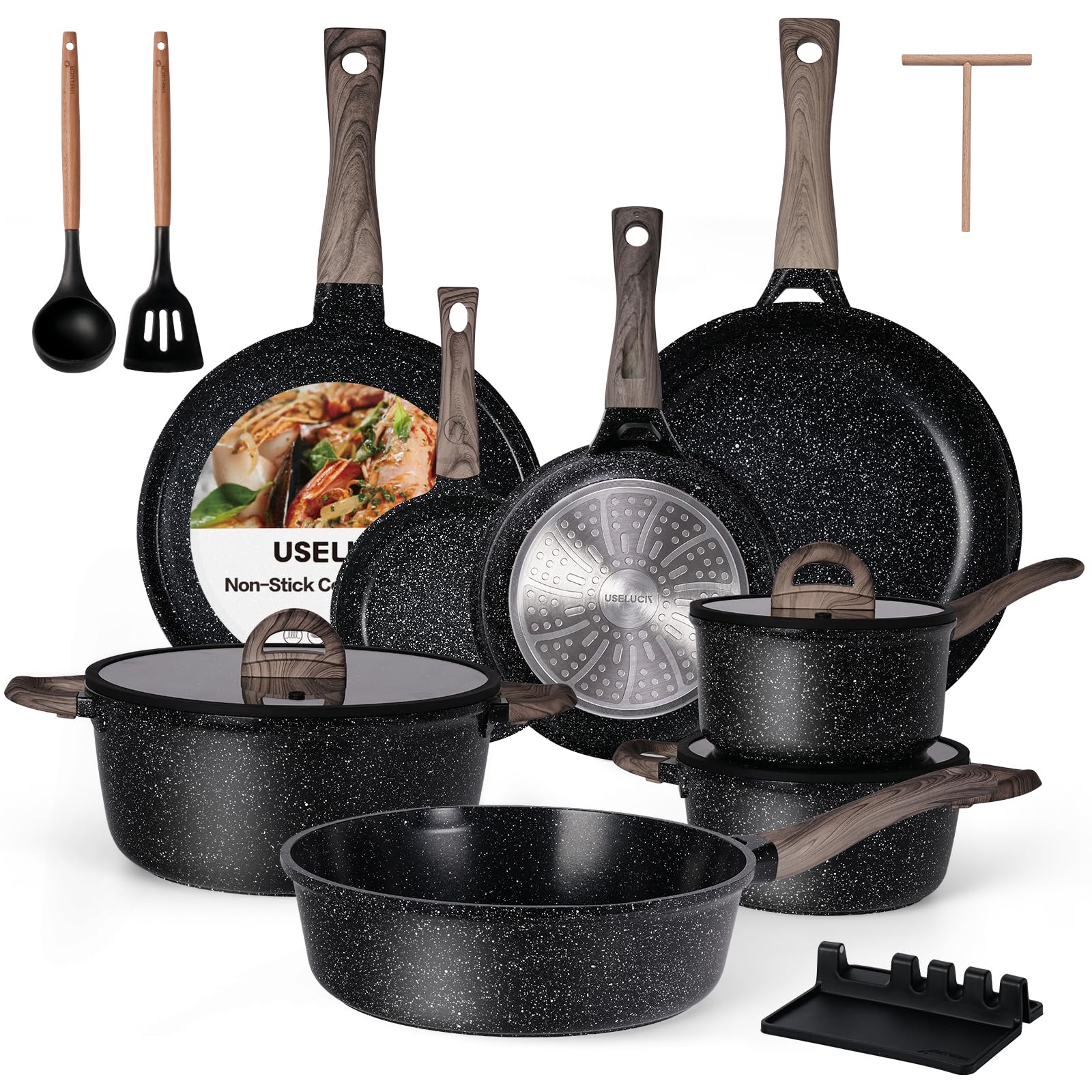
Credit: www.amazon.com
Expert Tips For Optimal Seasoning
Ensure your ceramic cookware lasts longer by seasoning it properly. Start with washing it thoroughly with mild soap. Rub a small amount of cooking oil on the surface, then heat it on low for a few minutes. Let it cool, and wipe off excess oil.
Your cookware is now ready for use.
Seasoning ceramic cookware can elevate your cooking experience, providing a non-stick surface and extending the life of your pots and pans. But how do you ensure you’re doing it right? Here are expert tips to guide you through optimal seasoning, making your kitchen time more enjoyable and your meals more delicious.Choosing The Right Oil
Selecting the correct oil is crucial. Not all oils are created equal when it comes to seasoning. Look for oils with a high smoke point like flaxseed, grapeseed, or canola. These oils withstand higher temperatures without breaking down. They create a durable, non-stick layer on your ceramic cookware. Ever tried to use olive oil for seasoning? You might have noticed it doesn’t work quite as well due to its lower smoke point. Choose wisely to achieve the best results.Temperature Control
Controlling the temperature is just as important as selecting the right oil. Preheat your ceramic cookware on low to medium heat before adding oil. This ensures even distribution and a smooth, slick surface. Using too high a temperature can damage the ceramic coating, leading to uneven seasoning. Instead, aim for a slow and steady process. Have you ever rushed seasoning by cranking up the heat? It might have seemed like a shortcut, but it often leads to flaking and uneven surfaces. Patience truly pays off in this step. By mastering these techniques, your ceramic cookware will not only look great but perform exceptionally well, making every meal a delight.Frequently Asked Questions
How Do You Season Ceramic Cookware?
To season ceramic cookware, clean it thoroughly and dry it completely. Apply a thin layer of vegetable oil using a soft cloth. Heat the cookware on low heat for about 10 minutes. Let it cool down, then wipe off any excess oil.
This process helps maintain the non-stick surface.
Can You Season Ceramic Pans With Olive Oil?
Yes, you can use olive oil for seasoning ceramic pans. Apply a thin layer evenly across the surface. Heat the pan gently on low heat for about 10 minutes. Let it cool down completely before wiping off any excess oil.
Olive oil helps enhance the non-stick properties of ceramic cookware.
How Often Should Ceramic Cookware Be Seasoned?
Ceramic cookware should be seasoned regularly, ideally every few months. Frequent seasoning helps maintain its non-stick surface and prolongs its lifespan. If you notice food sticking more frequently, it’s time to season again. Regular maintenance ensures optimal performance and keeps your cookware in excellent condition.
Does Seasoning Prevent Ceramic From Sticking?
Yes, seasoning helps prevent ceramic cookware from sticking. It creates a protective layer that enhances non-stick properties. Regular seasoning ensures food glides smoothly and doesn’t adhere to the surface. This maintenance routine helps preserve the cookware’s quality and makes cooking more enjoyable.
Conclusion
Properly seasoning ceramic cookware enhances its performance. Start with a clean surface. Apply a thin layer of oil. Heat it gently. This creates a non-stick layer. It also extends the lifespan of your cookware. Repeat the process occasionally. This ensures optimal cooking results.
Seasoning ceramic cookware is simple and effective. It makes cooking more enjoyable. Plus, it’s easy to maintain. Your meals will be less likely to stick. Happy cooking with your well-seasoned ceramic pans! Enjoy the benefits of non-stick surfaces. Prepare delicious meals effortlessly.
Keep your cookware in top condition.