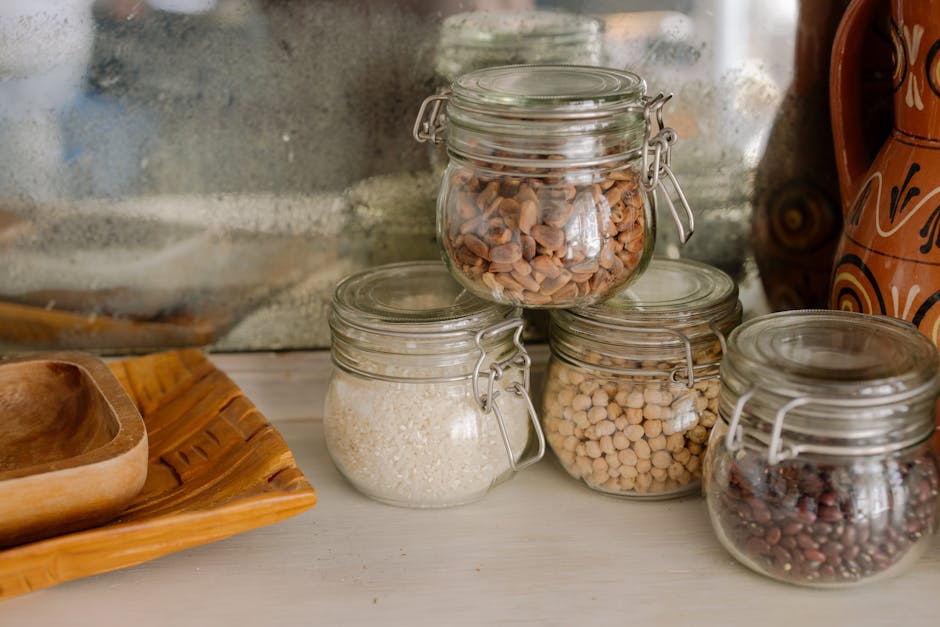
Imagine walking into your kitchen and finding everything perfectly organized—each item in its place, easy to find, and visually pleasing. Sounds dreamy, right?
The secret to achieving this kitchen bliss lies in choosing the right storage containers and knowing exactly what to put in them. With the right approach, not only will you save time when cooking and cleaning, but you’ll also create a space that feels inviting and stress-free.
This article will guide you through practical tips that will transform your kitchen into a haven of order and efficiency. You’ll learn what essentials deserve a spot in your containers, ensuring your kitchen is always ready to inspire your culinary creativity. Get ready to discover how simple tweaks can make a big difference in your daily routine, leaving you wondering why you didn’t start sooner. Let’s dive in and unlock the secrets to kitchen organization that will change the way you cook, eat, and enjoy your space.
Maximizing Space
Organize your kitchen with storage containers by placing dry goods like flour, rice, and pasta inside. Store snacks, cereals, and nuts for easy access. Group similar items together for quick retrieval and a tidy look.
Maximizing space in your kitchen is essential for organized storage. With the right strategies, your kitchen can be clutter-free. Consider these practical solutions to make the most of your storage.Stackable Solutions
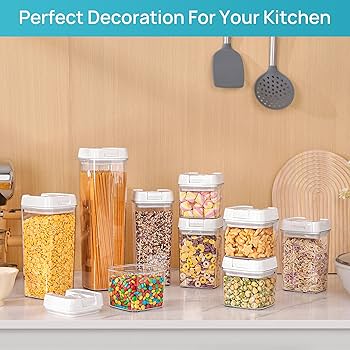
Stackable containers are perfect for saving space. They fit neatly together, reducing wasted areas. Choose containers that are uniform in size. This ensures they stack easily and stay stable. Opt for clear containers to see contents without opening them. This saves time during meal prep. Stackable solutions also help in maintaining a tidy look.Using Vertical Space
Vertical space is often overlooked in kitchen storage. Install shelves above counters or inside cabinets. Use tall containers to utilize height in cupboards. Hang pots and pans to free up drawer space. Consider magnetic strips on walls for storing metal utensils. This keeps essentials within easy reach. Using vertical space effectively can transform your kitchen storage.Choosing The Right Containers
Selecting kitchen storage containers can enhance organization and freshness. Store dry goods like rice and pasta in airtight containers. Use glass jars for spices and oils to maintain flavor.
Choosing the right containers for kitchen storage is crucial. They keep your food fresh and your kitchen organized. The right choice depends on several factors. Consider material, size, and shape to meet your needs.Material Matters
The material of your containers affects food safety. Glass containers are durable and don’t absorb odors. They are perfect for storing acidic foods. Plastic containers are lightweight and often cheaper. They can stain or retain smells over time. Stainless steel is another good option. It is sturdy and often used for dry goods.Size And Shape Considerations
Size and shape impact how well your containers fit. Larger containers are ideal for bulk items. Smaller ones are great for snacks and leftovers. Square or rectangular containers save space. Round containers can fit better in narrow places. Choose a variety to maximize storage efficiency.Organizing Pantry Staples
Organizing pantry staples can transform your kitchen into a haven of efficiency and style. Imagine opening your pantry and finding everything in its rightful place, easily accessible and beautifully displayed. The secret lies in choosing the right kitchen storage containers for your dry goods and spices. Let’s dive into how you can achieve that with practical tips and real-life examples.
Dry Goods
Dry goods are the backbone of your pantry. Items like rice, pasta, and flour deserve their own space to shine. Opt for clear, airtight containers to keep them fresh and visible. This way, you’ll never have to wonder if you need more rice for dinner.
Labeling is key. Use simple labels or chalkboard stickers to identify contents. It’s a small step that saves time and reduces frustration when you’re cooking. Ever spent ages searching for the right flour? With labeled containers, you won’t have to.
Consider stacking containers. They maximize space and create a neat, tidy look. Plus, they make it easy to grab what you need without digging through a mess. Your future self will thank you.
Spices And Herbs
Spices and herbs are the soul of your kitchen. They add flavor and excitement to every dish. But keeping them organized can be tricky. Store them in small jars or tins to maintain freshness and accessibility.
Arrange your spices by frequency of use or alphabetically. This method makes it easy to find your go-to spice without rummaging through the entire collection. Imagine the ease of grabbing cinnamon in a flash for your morning oatmeal!
Use tiered shelving or spice racks. They offer a clear view of each spice jar, letting you pick out your choice without hassle. It’s a simple upgrade that can turn your spice chaos into order.
Credit: www.amazon.ca
Fresh Produce Storage
Store fresh fruits and vegetables in airtight kitchen containers. Keep onions, potatoes, and garlic in cool, dark places. Use separate containers for leafy greens to maintain freshness.
Fresh produce storage is essential for maintaining the quality and taste of your fruits and vegetables. Proper storage helps keep them fresh and flavorful for longer periods. Understanding the best ways to store your produce can prevent spoilage and waste.Fruits And Vegetables
Fruits and vegetables have different storage needs. Some fruits, like apples and pears, emit ethylene gas. This gas can speed up the ripening of nearby produce. Store them separately to avoid premature spoilage. Berries, on the other hand, benefit from being kept dry. Rinse them only when you’re ready to eat them. Vegetables like carrots and celery prefer a bit of humidity. Wrapping them in a damp paper towel can help maintain their moisture.Tips For Longevity
Storing produce correctly extends its shelf life. Use airtight containers for leafy greens. This prevents them from wilting too quickly. For herbs, place them in a glass of water like flowers. Cover the leaves with a loose plastic bag. Keep potatoes and onions in a cool, dark place. This keeps them fresh and firm. Avoid storing them in the fridge, as cold temperatures can alter their texture.Preserving Leftovers
Choosing the right kitchen storage containers is essential for preserving leftovers. Airtight containers keep food fresh and prevent spoilage. Glass or BPA-free plastic containers are ideal for safe storage and easy organization.
Preserving leftovers is an art and science that can save you time, money, and food wastage. Imagine opening your fridge to find perfectly stored meals that taste as fresh as when they were first cooked. This dream can be a reality with the right kitchen storage techniques.Proper Sealing Techniques
Proper sealing is the cornerstone of keeping your leftovers fresh. Using airtight containers is essential to prevent air from sneaking in and spoiling the food. Consider using containers with locking lids or even vacuum-sealed bags for optimal freshness. But, did you know that even the best containers need a little help? A simple hack is to press plastic wrap directly onto the surface of the food before sealing the lid. This extra layer can make a big difference in extending the shelf life of your leftovers.Labeling And Dating
Labeling and dating your leftovers isn’t just for the overly organized. It’s a practical step that ensures you know exactly what you have and when you need to use it. Have you ever found a mystery container in the back of your fridge, unsure if it’s last week’s stew or something much older? Use a permanent marker or labels to write the contents and the date it was stored. This can be a fun task—get creative with colorful labels or stickers. Knowing when to consume your leftovers can prevent spoilage and keep your meals as tasty as possible. Plus, it can be a lifesaver when you’re planning your meals for the week.
Credit: food52.com
Specialty Items
Kitchen storage containers keep your pantry neat and organized. Specialty items deserve a dedicated space. These items often require special care. Proper storage ensures freshness and extends shelf life.
Let’s explore what to store in kitchen containers under the specialty items category.
Baking Supplies
Baking supplies need dry and cool storage. Containers keep them fresh and accessible. Store flour in airtight containers. This prevents moisture and pests. Sugar should be stored similarly. It avoids clumping and maintains texture.
Consider separate containers for different sugars. Baking powder and soda need airtight storage too. This maintains their effectiveness. Small containers work best. They fit easily into cabinets and shelves.
Unique Ingredients
Unique ingredients add flavor to dishes. Proper storage keeps them fresh. Spices should be stored in airtight jars. This preserves aroma and taste. Dried herbs also need airtight containers. This ensures they last longer.
Store specialty oils in dark containers. This prevents oxidation and keeps them fresh. Exotic grains need dry storage. Airtight containers protect them from moisture. This maintains their quality and taste.
Maintaining Cleanliness
Store dry goods like rice, pasta, and flour in airtight containers to keep them fresh. Use clear containers for easy identification of contents. Keep spices in small jars to save space and maintain flavor.
Keeping your kitchen storage containers clean is essential for a healthy and efficient kitchen. Imagine reaching for flour only to find it stale or contaminated. A little effort in maintaining cleanliness can save you from such unpleasant surprises and ensure your ingredients are always fresh and ready to use. Let’s dive into some practical steps to maintain cleanliness in your kitchen storage containers.Regular Cleaning
Regular cleaning is key to maintaining hygiene. Make it a habit to clean your containers every time you refill them. Use warm, soapy water for a thorough wash. Ensure they are completely dry before storing anything to prevent mold growth. Consider setting a monthly reminder on your phone to give all your containers a deep clean, especially those that hold grains and spices.Preventing Contamination
Preventing contamination starts with careful handling. Always use clean utensils when scooping ingredients from containers. Avoid dipping wet or dirty hands into containers, as moisture is a breeding ground for bacteria. Consider labeling containers with expiry dates to ensure you use the oldest stock first, minimizing the risk of contamination. Isn’t it satisfying to know that a small change in your routine can lead to a cleaner, healthier kitchen?
Credit: www.amazon.ca
Frequently Asked Questions
What Items Go In Kitchen Storage Containers?
Kitchen storage containers are perfect for dry goods like rice, pasta, and flour. Store snacks, cereals, and nuts to keep them fresh. Use them for spices, tea, and coffee for organization. They help in decluttering and maintaining freshness, ensuring your pantry is neat and accessible.
How Do I Organize Kitchen Storage Containers?
Start by categorizing items like grains, spices, and snacks. Label containers for easy identification. Use stackable and clear containers to save space. Arrange them by usage frequency, with frequently used items in easy reach. This enhances accessibility and maintains an organized kitchen environment.
Are Airtight Containers Necessary For Storage?
Airtight containers are essential for preserving freshness and preventing spoilage. They protect against moisture, pests, and odors. Use them for storing flour, sugar, and dried fruits. These containers extend the shelf life of food items, ensuring they remain safe for consumption and maintaining optimal quality.
Can I Store Liquids In Kitchen Containers?
Yes, you can store liquids in specially designed kitchen containers. Choose leak-proof and airtight containers for storing soups, sauces, and broths. Ensure they are made of durable materials like glass or BPA-free plastic. This prevents spills and maintains the freshness and quality of liquid foods.
Conclusion
Choosing the right items for kitchen storage containers is important. It keeps your kitchen organized and food fresh. Store dry goods like rice, pasta, and cereals in airtight containers. Use clear containers for easy visibility. Label each container for quick identification.
Keep spices and herbs in small, sealed jars. Store leftovers in stackable containers to save space. Proper storage helps reduce waste and saves money. A tidy kitchen is easier to work in and enjoy. Make smart choices with your kitchen storage solutions today.