
Imagine standing in your kitchen, ready to whip up a delicious meal. As you reach for your trusty pan, you might wonder: is the Teflon coating on your cookware still safe to use?
You’re not alone in asking this question. Many people, like you, are curious about the materials they use daily and how they impact health and the environment. We’ll dive deep into the world of Teflon, exploring its history, benefits, and controversies.
You’ll discover whether Teflon is still a popular choice in cookware today and learn about the alternatives you might consider for your kitchen. By the end, you’ll have the information you need to make confident decisions about the cookware you use. So, let’s uncover the truth about Teflon together!
The Origins Of Teflon
Teflon has played a significant role in cooking history. Its journey from discovery to becoming a staple in cookware is fascinating. Understanding its origins sheds light on why it remains a popular choice.
Discovery And Development
Teflon was discovered by accident in 1938. Chemist Roy Plunkett was working with gases when he noticed a waxy substance. This substance turned out to be polytetrafluoroethylene, or PTFE. Its non-stick properties were unique, leading to further research and development.
Scientists found PTFE could resist heat and chemicals. This made it suitable for a wide range of applications. Early research focused on its potential in various industries. Its non-stick attribute was particularly intriguing for cooking purposes.
Initial Applications In Cookware
In the 1950s, Teflon made its way into kitchens. Cookware manufacturers saw its potential to create non-stick pans. This marked the beginning of a new era in cooking. Home cooks embraced these pans for easy cooking and cleaning.
Non-stick cookware quickly gained popularity. It helped prevent food from sticking and burning. This innovation changed cooking habits worldwide. Teflon pans became a staple in households, simplifying meal preparation.
How Teflon Works
Teflon is a unique material in cookware, offering special advantages. It creates a slick surface, making cooking easier and cleaning faster. Understanding how Teflon works helps appreciate its benefits in the kitchen.
Non-stick Properties
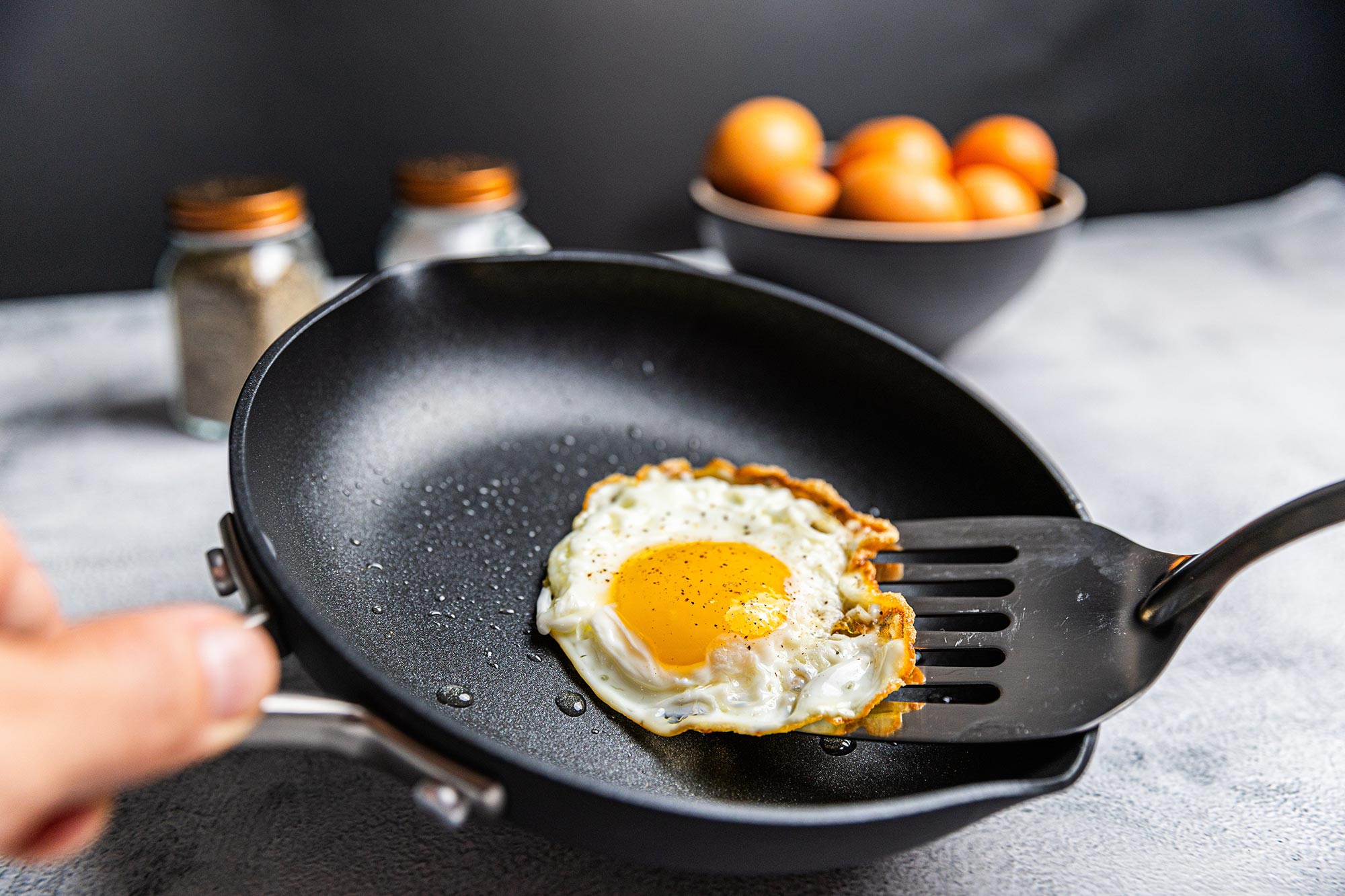
Teflon’s non-stick feature is its most famous trait. Food slides off, reducing residue. This property is due to its smooth surface. It prevents food from sticking during cooking. Scrambled eggs slide off effortlessly. Pancakes flip without tearing. This makes cooking more enjoyable and less messy.
Heat Resistance
Teflon resists high temperatures without damage. It maintains its structure under heat. This is useful for cooking at various temperatures. It ensures the coating doesn’t melt or warp. You can cook without worrying about damaging your pans. This durability adds to Teflon’s appeal.
Health Concerns
The use of Teflon in cookware has stirred up quite a debate, primarily due to health concerns. Many are wary about the potential risks associated with this non-stick coating. Understanding these concerns can help you make informed decisions about your kitchenware choices.
Potential Risks
Teflon is known for its convenient non-stick properties, but at high temperatures, it can release fumes. These fumes may cause flu-like symptoms, sometimes referred to as “Teflon flu.” Consider if the convenience outweighs the potential risk when using Teflon-coated pans.
Over time, scratched or damaged Teflon can potentially expose you to harmful chemicals. This is especially concerning if you frequently use metal utensils on Teflon surfaces. It’s crucial to think about how you handle and maintain your cookware.
Scientific Studies
Numerous scientific studies have examined the safety of Teflon. Some research suggests that the chemicals used in Teflon production, such as PFOA, can be harmful. While PFOA has been largely phased out, concerns about residual exposure linger.
Other studies highlight that the risk may be minimal when Teflon is used correctly. Cooking at moderate temperatures and avoiding overheating can significantly reduce the likelihood of harmful emissions. Reflect on how you typically use your cookware and if any changes might improve safety.
Are you willing to adjust your cooking habits for peace of mind? With the wealth of information available, you have the power to make choices that best suit your lifestyle and health priorities.
Regulations And Safety Measures
Teflon is still used in cookware, but safety regulations have tightened. Manufacturers follow strict guidelines to ensure user safety. Non-stick surfaces now meet health standards, reducing risks associated with harmful chemicals.
Regulations and safety measures surrounding Teflon cookware are important for ensuring consumer safety and product quality. Over the years, concerns about the safety of Teflon and its potential health risks have prompted governments and industries worldwide to implement stringent guidelines. These guidelines aim to balance innovation in cookware manufacturing with the assurance of safety for users. Let’s explore how government regulations and industry standards have shaped the use of Teflon in cookware today.Government Guidelines
Government agencies have laid down clear rules to regulate the use of Teflon and similar non-stick coatings in cookware. For instance, the Environmental Protection Agency (EPA) in the United States monitors the presence of perfluorooctanoic acid (PFOA), a chemical previously used in Teflon production. PFOA was phased out after studies suggested it might pose health risks. Many countries now require manufacturers to comply with standards that limit harmful emissions during production. Are you aware of how your local regulations impact the cookware you use daily?Industry Standards
The cookware industry has adopted strict standards to ensure products are safe for consumers. Many manufacturers have transitioned to using alternatives that are PFOA-free, adhering to international safety certifications. These standards not only cover the materials used but also the manufacturing processes to minimize environmental impact. Industry leaders often collaborate with health organizations to stay updated on safe practices. Have you noticed labels like “PFOA-free” on your cookware? It’s a testament to these evolving standards. Ultimately, understanding the safety measures in place can help you make informed choices about the cookware you use in your kitchen.Alternatives To Teflon
Many people are moving away from Teflon in cookware. Concerns about chemicals lead them to explore other options. Teflon alternatives offer safety and durability. Let’s look at some popular choices.
Ceramic Cookware
Ceramic cookware is a safe alternative to Teflon. It uses natural materials and lacks harmful chemicals. Ceramic pans are non-stick and easy to clean. They offer even heat distribution for better cooking. Many enjoy the vibrant colors and stylish designs. They are perfect for anyone seeking a healthier option.
Stainless Steel Options
Stainless steel cookware is another great choice. It’s known for its durability and strength. Stainless steel does not react with food, preserving flavors. It can withstand high temperatures without damage. Cleaning is simple with soap and water. It’s a reliable option for many kitchens around the world.

Credit: www.primarygoods.com
Current Use In Cookware
The use of Teflon in cookware has been a topic of much debate and evolution. In the past, Teflon was the go-to non-stick coating for frying pans and pots. But is it still the popular choice in today’s kitchens?
Market Trends
In recent years, there’s been a shift in the cookware market. Consumers are increasingly aware of the potential health risks associated with Teflon. This has led to a rise in alternative non-stick coatings like ceramic and stainless steel.
Manufacturers have responded by innovating and offering more Teflon-free options. Cookware brands now proudly advertise their products as PFOA-free, a chemical once commonly found in Teflon coatings. This change reflects the growing demand for safer kitchen products.
Consumer Preferences
As a consumer, you might find yourself weighing the pros and cons of Teflon. Many still appreciate the convenience of its non-stick properties. However, the desire for healthier cooking methods is pushing some to explore other options.
People are turning to cookware that promises safety and sustainability. Ceramic and cast iron are gaining popularity as viable alternatives. Have you noticed the shift in your own kitchen habits, or are you still a fan of the classic Teflon pan?
Ultimately, the choice often comes down to personal preference and cooking style. What matters most to you in your cooking experience?
Future Of Teflon In Cookware
Teflon remains popular in cookware due to its non-stick properties. Concerns over safety have decreased with improved manufacturing standards. Many brands continue using Teflon, ensuring safer cooking experiences.
The future of Teflon in cookware is a topic of great interest as consumers become more conscious of health and environmental impacts. While Teflon has been a staple in kitchens worldwide, its reputation has faced challenges due to concerns about chemical safety and environmental effects. As we look ahead, innovation and sustainability are key factors that will shape its journey in the cookware industry.Innovations And Developments
The cookware industry is buzzing with new ideas to improve Teflon’s safety and performance. Companies are investing in research to create coatings that withstand higher temperatures without releasing harmful fumes. Imagine frying your favorite dish without worrying about what might be released into the air. Some brands are exploring hybrid coatings, combining Teflon with other materials to enhance durability and scratch resistance. These advancements promise not only to extend the life of your pans but also to maintain their non-stick properties longer. Are you ready for a future where your cookware adapts to your cooking style and needs?Environmental Considerations
The environmental footprint of Teflon production has been under scrutiny, prompting a shift towards more sustainable practices. Manufacturers are now prioritizing eco-friendly processes to reduce emissions and waste. It’s an exciting time to see how industry leaders respond to the call for greener solutions. Recycling and reusability are becoming focal points, with some companies exploring how old Teflon products can be repurposed. This not only helps the environment but also offers consumers a chance to be part of a more sustainable cycle. What role do you think you can play in supporting these eco-friendly initiatives? As Teflon evolves, it’s clear that the focus will be on balancing innovation with responsibility. Your choices and awareness can drive positive change in the cookware landscape.
Credit: www.facebook.com
Credit: scitechdaily.com
Frequently Asked Questions
Is Teflon Safe For Cooking?
Teflon is generally considered safe for cooking. When used correctly, it prevents food from sticking. However, overheating Teflon can release harmful fumes. It’s essential to cook on low to medium heat and ensure proper ventilation. Regularly inspect your cookware for scratches or damage to maintain safety.
Has Teflon Been Banned In Cookware?
Teflon itself hasn’t been banned. Concerns arose from a chemical called PFOA used in its production. PFOA is now phased out. Modern Teflon products are PFOA-free and deemed safe. Always choose high-quality cookware and follow usage guidelines to ensure optimal safety.
What Replaced Teflon In Non-stick Cookware?
Ceramic coatings are a popular alternative to Teflon. They offer non-stick properties without the use of PFOA. Other options include cast iron, anodized aluminum, and stainless steel. Each has its advantages. Choose based on your cooking needs and preferences for durability and safety.
How Long Does Teflon Cookware Last?
Teflon cookware can last several years with proper care. Avoid using metal utensils that can scratch the surface. Clean gently with non-abrasive materials. Replace any damaged cookware to ensure safety. Always follow manufacturer guidelines for maintenance to prolong its lifespan.
Conclusion
Teflon still has a place in many kitchens today. It’s popular for non-stick features. People love easy cleaning and cooking. But some worry about safety concerns. Newer cookware options offer alternatives. Ceramic and stainless steel are popular choices. They provide safer cooking experiences.
Each option has its pros and cons. Consider your needs and preferences. Choose what fits your lifestyle best. Always prioritize health and safety in the kitchen. Stay informed on cookware trends. Make wise decisions for you and your family.