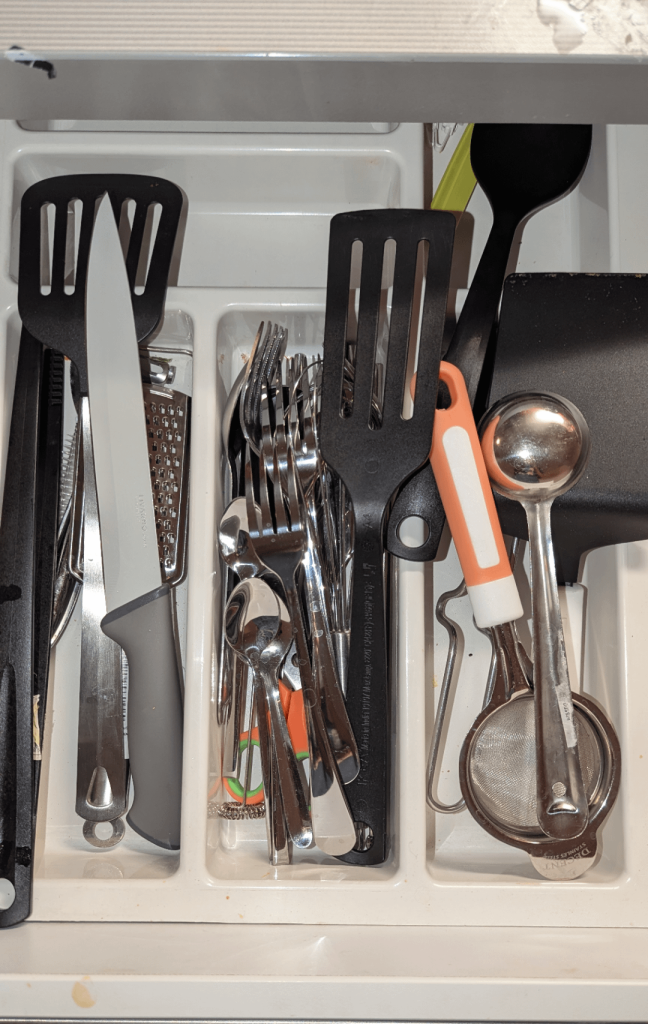
Are you tired of rummaging through a chaotic drawer every time you’re looking for a spatula or measuring spoon? You’re not alone.
Many people struggle with keeping their kitchen supplies organized, often leading to frustration and wasted time. Imagine opening your drawer and instantly finding what you need—sounds like a dream, right? This guide will show you how to transform that cluttered mess into a neat and efficient space.
By the end of this article, you’ll feel empowered to tackle your drawer organization and enjoy a more streamlined cooking experience. Let’s dive in and make your kitchen work for you!
Assessing Your Kitchen Supplies
Organizing a drawer of kitchen supplies involves sorting items by type and frequency of use. Utilize dividers to separate utensils, making them easy to find. Label sections for quick access and a tidy appearance.
Assessing your kitchen supplies is a crucial step in organizing your drawer. A cluttered drawer can hinder your cooking process. Taking the time to evaluate what you have can make a big difference. It helps you identify what you use often and what you don’t. This assessment clears the path to a more functional kitchen space.Inventory Check
Begin with a thorough inventory check. Pull everything out of the drawer. Lay the items on a flat surface. This gives a clear view of what you own. Check for duplicates and broken items. Dispose of anything that is unnecessary or damaged. Remember, less is more when it comes to kitchen efficiency.Categorizing Items
Once you’ve sorted your inventory, start categorizing items. Group similar items together. For instance, gather all measuring tools in one pile. Place cooking utensils in another. This makes it easier to find what you need quickly. Consider how often you use each item. Keep frequently used items within easy reach. Store less-used items towards the back of the drawer.
Credit: www.tiktok.com
Choosing The Right Drawer
Choosing the right drawer is the first step in organizing your kitchen supplies effectively. It’s not just about picking any drawer; it’s about selecting one that fits your needs and enhances the functionality of your kitchen. Consider factors like space, accessibility, and how often you use each item. A well-chosen drawer can transform your kitchen experience, making it more efficient and enjoyable.
Space Considerations
Begin by assessing the size of your kitchen. Smaller kitchens might benefit from deeper drawers that hold more items, while larger kitchens might prioritize multiple smaller drawers for better categorization. Measure the available space to ensure the drawer fits comfortably without obstructing other areas. Think about what you store—are they bulky appliances or small utensils? This will guide your choice.
- Measure the drawer dimensions and compare them to the items you plan to store.
- Consider vertical space for stacking items like containers.
- Check for any obstacles like cabinet doors or appliances.
Accessibility And Frequency Of Use
Accessibility is crucial for a functional kitchen. Choose a drawer that’s easy to reach, especially for items you use daily. If you find yourself struggling to access frequently used utensils, it might be time to rethink your drawer choice. Ideally, the drawer should be positioned near your cooking area to minimize unnecessary movement.
How often do you use each item? Items used daily should be in the most accessible drawer, while seasonal gadgets can be tucked away. This prevents clutter and ensures efficiency. For instance, if you brew coffee every morning, keep your coffee supplies within arm’s reach. This simple change can save you time and effort.
- Place daily-use items in the top drawers for easy access.
- Store less frequently used items in lower or further drawers.
- Consider the workflow of your kitchen tasks when arranging items.
Have you ever spent unnecessary time searching for a spoon or a spatula? Choosing the right drawer can eliminate this hassle and streamline your kitchen routine. So, take a moment to evaluate your space and usage habits. With thoughtful selection, your kitchen can become a hub of efficiency and ease.
Optimal Drawer Layout
Organizing a kitchen drawer efficiently can transform your cooking space. A well-organized drawer ensures quick access to essentials and saves time. Creating an optimal layout involves strategic placement of items for maximum functionality.
Dividers And Compartments
Dividers help categorize kitchen supplies neatly. They prevent clutter and make retrieval easy. Adjustable dividers offer flexibility for different item sizes. Compartments keep similar items grouped together. Using trays with compartments can further enhance organization. Choose dividers based on the drawer’s dimensions and contents.
Vertical Vs Horizontal Storage
Vertical storage suits long utensils like spatulas and ladles. It maximizes space and maintains order. Horizontal storage works well for flat items like lids and cutting boards. It allows stacking and easy access. The choice between vertical and horizontal depends on drawer depth and item shape.

Credit: www.yahoo.com
Maximizing Space Efficiency
Organizing a drawer of kitchen supplies can boost efficiency. Use dividers to separate utensils and tools. Stackable containers help in maximizing vertical space, keeping items neat and accessible.
Maximizing space efficiency in kitchen drawers enhances both functionality and aesthetics. A well-organized drawer simplifies cooking and saves time. By using clever organizing techniques, you can create more room even in small drawers.Stacking Techniques
Stacking can double the space in your drawer. Use small trays to group similar items. This prevents clutter and makes items easy to find. Stack lightweight items like lids or small bowls. Ensure heavier items are at the bottom. This keeps the stack stable. Consider adjustable dividers for flexible stacking. These dividers help customize space as needs change.Utilizing Drawer Depth
Make the most of your drawer’s depth. Store taller items upright. This utilizes vertical space effectively. Use deep bins for items like rolling pins or large spatulas. Label bins for easy identification. Consider tiered organizers for layered storage. They allow access to items at different heights. Always place less-used items at the back. This keeps frequently used items within easy reach.Maintaining Organization
Organize a kitchen drawer by sorting items into categories such as utensils, gadgets, and tools. Use dividers or small containers to keep items separated and easy to find. Label sections to maintain order and ensure everything has its place.
Maintaining organization in your kitchen drawer is an ongoing task that requires attention and effort. The key is to establish a routine that keeps your supplies in check, ensuring your kitchen remains a space of ease and efficiency. By regularly assessing and updating your drawer’s contents, you can prevent clutter from creeping back in.Regular Clean-up
Make it a habit to clean out your kitchen drawer regularly. Set aside a specific day each month to remove all items from the drawer and give it a quick wipe-down. This practice not only keeps your drawer clean but also gives you a chance to evaluate what you actually use. Consider taking a moment to reassess the placement of items. Are the tools you use most often easily accessible? Adjust their position for optimal convenience. This small change can streamline your cooking process.Updating Inventory
Keep an updated inventory of your kitchen supplies. Knowing what you have on hand can prevent unnecessary purchases and save you money. Create a simple list and place it inside the drawer for quick reference. Every couple of months, review this list and cross off items you’ve used up or no longer need. This proactive approach can help you maintain a clutter-free environment. Have you ever found a long-lost item in the back of your drawer? Regularly updating your inventory can prevent such surprises and keep everything you need within arm’s reach. Engage with your space, and let it reflect the efficiency and order you strive for in your kitchen.Expert Tips For Organization
Organize kitchen drawers by sorting items into categories. Use dividers or small bins to keep similar supplies together. Label each section for easy access and maintain tidiness.
Organizing a kitchen drawer filled with supplies can transform your cooking experience. Imagine reaching for a spatula and finding it effortlessly—no rummaging, no frustration. Expert tips for organization can turn this dream into reality, helping you maintain a tidy and efficient kitchen space. Let’s explore some professional recommendations and common mistakes to avoid.Professional Recommendations
- Assess Your Inventory:Start by taking everything out of the drawer. This gives you a clear view of what you actually have. You might discover duplicates or items you never use.
- Use Drawer Dividers:Invest in adjustable dividers or trays to compartmentalize items. This keeps utensils from tangling and makes them easily accessible.
- Prioritize Accessibility:Arrange items based on how frequently you use them. Keep everyday tools upfront and less-used gadgets towards the back.
- Label Sections:If you share your kitchen, labels can be a lifesaver. They ensure everyone knows where things belong, maintaining order effortlessly.
Common Mistakes To Avoid
- Overstuffing:Packing too much into a drawer can lead to chaos. Limit each drawer to a manageable number of items to prevent clutter.
- Ignoring Size and Shape:Not considering the dimensions of items can waste valuable space. Ensure each utensil fits comfortably within its designated area.
- Skipping Maintenance:Organization isn’t a one-time task. Regularly declutter and reorganize to keep your system effective and efficient.
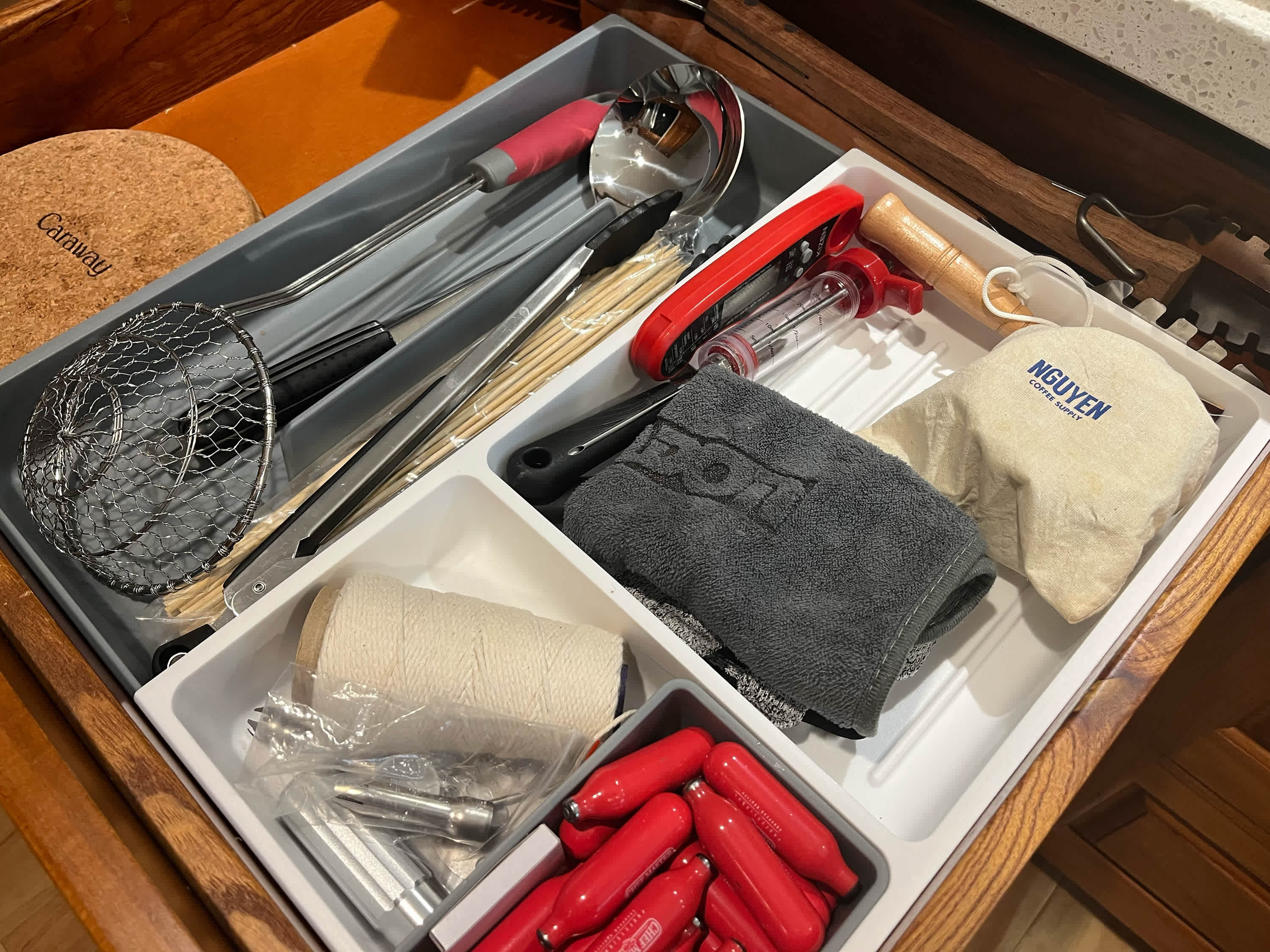
Credit: www.apartmenttherapy.com
Frequently Asked Questions
How Do I Start Organizing Kitchen Drawers?
Begin by emptying the drawer completely. Sort items into categories like utensils, gadgets, and tools. Discard duplicates and unused items. Use dividers or trays to separate different categories, ensuring everything has a designated place. Label sections if necessary to maintain organization.
What Tools Help In Organizing Kitchen Drawers?
Drawer dividers, trays, and organizers are essential tools. They help compartmentalize items, making it easier to find what you need. Consider adjustable dividers for flexibility. Non-slip liners keep items in place. Labeling can also enhance organization and efficiency.
How Can I Maximize Small Drawer Space?
Prioritize essential items and use stackable organizers. Utilize vertical space with tiered trays or racks. Consider drawer inserts for utensils. Store less-used items elsewhere to free up space. Regularly declutter to maintain optimal organization and efficiency.
Should I Group Similar Items Together?
Yes, grouping similar items together enhances accessibility and efficiency. It makes finding items quicker and reduces clutter. Use dividers to separate categories like utensils, gadgets, or baking tools. Regularly review and adjust groupings to suit your cooking habits.
Conclusion
A well-organized kitchen drawer saves time and reduces stress. Clear out clutter regularly. Use dividers for neat separation of items. Label sections for easy identification. Store frequently used items at the front. Keep similar items together for efficiency. Consider drawer liners for added protection.
Avoid overstuffing to maintain order. Enjoy a tidy kitchen space every day. Simple steps lead to a more organized life. Your kitchen drawer can be a model of simplicity. Start today and see the difference. Organizing is not just a task—it’s a lifestyle choice.