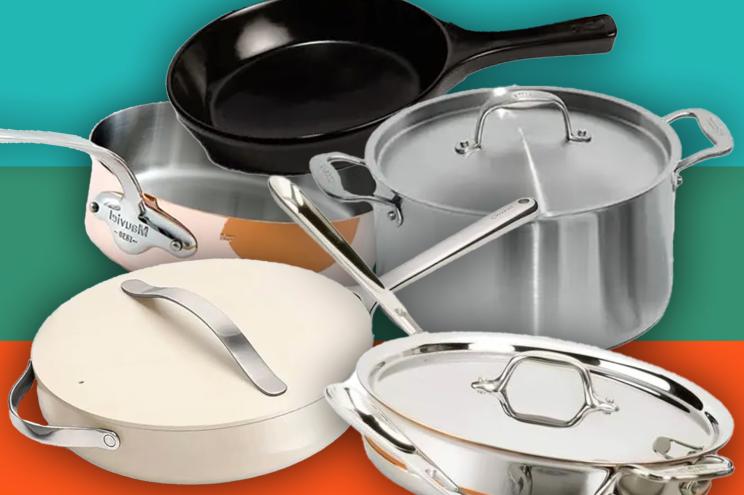
Choosing the right cookware can transform your cooking experience. Imagine effortlessly whipping up your favorite meals with ease, while your pots and pans work their magic.
But with so many options available, how do you decide which is the best type of cookware for you? Are you focusing on durability, heat distribution, or maybe even aesthetics? Your kitchen is a personal space, and the cookware you choose should align with your culinary style and preferences.
This article will guide you through the pros and cons of different types of cookware, helping you make an informed decision that enhances your cooking adventures. Ready to discover what will make your kitchen sing? Let’s dive in!

Credit: therationalkitchen.com
Types Of Cookware Materials
Choosing the right cookware is essential for cooking success. The material of your pots and pans affects cooking time, flavor, and even health. Some materials are better for certain dishes, while others offer versatility. This guide explores popular cookware materials to help you make the best choice.
Stainless Steel
Stainless steel is durable and resistant to rust. It’s great for browning and searing. This material is non-reactive, making it safe for acidic foods. Most stainless steel cookware has an aluminum or copper core for even heating.
Cast Iron
Cast iron is known for its heat retention. It’s perfect for slow-cooked dishes and baking. With proper seasoning, it becomes non-stick over time. Cast iron is heavy, requiring care during use and cleaning.
Non-stick
Non-stick cookware prevents food from sticking. It’s ideal for low-fat cooking. Easy to clean, it suits cooking eggs and pancakes. Avoid high heat to protect the coating.
Copper
Copper heats quickly and evenly. It offers precise temperature control. Often lined with stainless steel for safety. Copper cookware requires regular polishing to maintain its shine.
Ceramic
Ceramic cookware is non-toxic and eco-friendly. It provides a non-stick surface without chemicals. Suitable for low to medium heat cooking. Avoid using metal utensils to prevent scratches.
:max_bytes(150000):strip_icc()/faw-stainless-steel-cookware-sets-primary-badge-nsimpson-132_preview-b5e4c5199196447fbc512c817c1baa74.jpg)
Credit: www.foodandwine.com
Factors To Consider
Choosing the right cookware is essential for enhancing your culinary experience and achieving the desired results in your kitchen. With a wide variety of materials and designs available, selecting the best type of cookware can be a daunting task. To make an informed decision, you need to consider several factors that will impact your cooking efficiency, safety, and satisfaction.
Cooking Style
Your cooking style plays a crucial role in determining the ideal cookware. If you’re a fan of slow-cooked stews and soups, consider investing in heavy-duty cast iron or stainless steel pots. For quick stir-fry dishes, non-stick pans can be your best friend. Think about the dishes you love to prepare and match your cookware to those techniques.
Durability
Durability is a key factor when choosing cookware. You want something that can withstand frequent use without showing signs of wear. Stainless steel and cast iron are known for their longevity. They are less likely to warp or dent compared to aluminum or ceramic. Investing in durable cookware means less frequent replacements, saving you time and money.
Heat Conductivity
Heat conductivity determines how evenly and efficiently your cookware heats up. Copper and aluminum are excellent conductors of heat, ensuring your food cooks uniformly. Stainless steel, while durable, tends to be less conductive, often requiring a copper or aluminum core. Consider how important precise temperature control is for your cooking habits.
Maintenance And Care
Maintenance can make or break your relationship with your cookware. Non-stick surfaces require careful handling to avoid scratches, while cast iron needs regular seasoning to prevent rust. Stainless steel is relatively low-maintenance but might need occasional polishing. Think about the time you can dedicate to upkeep and choose accordingly.
Budget
Your budget is an important consideration. High-end cookware like copper or professional-grade stainless steel may offer great benefits but can be costly. On the other hand, you can find quality options in more affordable materials like aluminum or ceramic. Determine your budget and balance it with the features you value most.
Have you ever found yourself frustrated with uneven cooking or scrubbing burnt-on food from your pans? Exploring these factors can help you find cookware that fits seamlessly into your kitchen routine, making cooking a joy rather than a chore. What’s your top priority when selecting cookware? Share your thoughts below!
Expert Recommendations
Choosing the right cookware can transform your cooking experience from average to exceptional. But with so many options available, how do you know which ones to trust? Expert recommendations provide valuable insights into this dilemma. By understanding what professionals and avid home cooks prefer, you can make informed decisions that enhance your culinary adventures. Let’s dive into the choices that experts swear by.
Professional Chefs’ Choices
Professional chefs often lean towards stainless steel cookware for its durability and versatility. It’s perfect for searing, browning, and deglazing. The even heat distribution ensures consistent cooking results, a critical factor in restaurant-quality dishes.
Cast iron is another favorite, known for its unparalleled heat retention. It’s ideal for slow cooking and creating rich flavors in stews and sauces. Imagine making a perfectly crispy-skinned roast chicken—cast iron can do just that.
Chefs also favor copper cookware for its precision and control. While it requires some upkeep, its quick response to heat changes is unmatched. You may not use it every day, but it’s perfect for delicate sauces that require precise temperature adjustments.
Home Cooks’ Favorites
Home cooks often prioritize convenience and affordability. Non-stick cookware tops their list due to its ease of use and cleanup. It’s great for everyday cooking, whether you’re flipping pancakes or frying eggs.
Ceramic cookware is gaining popularity for its eco-friendly properties. It doesn’t release harmful chemicals, giving you peace of mind while cooking family meals. Plus, its aesthetic appeal can brighten up your kitchen.
For those who enjoy a mix of styles, enameled cast iron offers versatility. It marries the benefits of cast iron with a non-stick coating. Think of it as a trusty friend that can handle soups, casseroles, and even baking.
Versatile Options For All
Multi-clad cookware, combining layers of stainless steel and aluminum, offers the best of both worlds. It provides excellent heat conductivity with the added benefit of stainless steel’s durability. Perfect for any dish, from pasta to stir-fry.
If you’re looking for adaptability, consider hybrid cookware. These pieces often feature a non-stick surface with stainless steel exteriors, allowing you to switch from sautéing to baking seamlessly.
Silicone bakeware is another versatile option, especially for bakers. It’s flexible, easy to clean, and safe for both oven and freezer use. You might find yourself reaching for it more often than you expect.
So, what cookware will you choose to elevate your kitchen game? Explore these expert recommendations and discover what suits your style and needs best.
Comparative Analysis
Choosing the right cookware can be daunting with many options available. Each type of cookware offers unique features. This section provides a comparative analysis to help make an informed decision.
Performance
Performance is crucial when selecting cookware. Stainless steel is known for its durability and even heat distribution. It resists rust and stains, making it a long-lasting choice. Cast iron retains heat well, ideal for slow cooking and searing. Non-stick pans offer easy food release, perfect for cooking eggs and pancakes. Copper cookware heats quickly and evenly, providing precise temperature control.
Ease Of Use
Ease of use is a significant factor for many. Non-stick cookware provides easy cleaning and food release. Lightweight aluminum pans are easy to handle and store. Cast iron requires seasoning but offers excellent cooking results. Stainless steel needs more maintenance to prevent food from sticking. Copper requires regular polishing to maintain its shine but offers excellent heat control.
Environmental Impact
Environmental impact is becoming more important to consumers. Stainless steel and cast iron are recyclable, making them environmentally friendly. Non-stick coatings can release harmful chemicals if overheated, raising concerns. Copper mining has environmental implications, but the cookware is durable and long-lasting. Aluminum is recyclable, though its production can be energy-intensive.
Latest Trends In Cookware
The world of cookware is constantly evolving. Home cooks and chefs seek better tools. New trends in cookware offer exciting options for every kitchen. These trends focus on sustainability, design, and technology. Let’s explore these latest developments.
Eco-friendly Cookware
Eco-friendly cookware is gaining popularity. Many choose materials that are kind to the planet. Options like ceramic and recycled metals lead the way. These materials reduce waste and use fewer resources. Non-toxic coatings are a key feature. They ensure healthy cooking without harmful chemicals. This trend supports a healthier lifestyle and planet.
Innovative Designs
Design plays a crucial role in cookware. New designs focus on both form and function. Stackable pots save space in small kitchens. Detachable handles offer versatility and easy storage. Sleek, modern aesthetics appeal to style-conscious cooks. Such designs enhance cooking efficiency and kitchen appearance.
Technological Advancements
Technology is transforming cookware. Smart pots and pans connect to apps. They guide users through recipes and cooking times. Induction-compatible cookware is also on the rise. It heats quickly and evenly, saving energy. Embedded sensors monitor temperature for perfect cooking results. These advancements make cooking more accessible and precise.
Credit: shopping.yahoo.com
Tips For Choosing Cookware
Choosing the right cookware can enhance your cooking experience. The variety of materials and styles can be overwhelming. You need to focus on what suits your cooking habits and lifestyle. This guide offers simple tips to help you make an informed decision.
Assessing Your Needs
First, think about your cooking habits. Do you often cook large meals? Do you prefer quick meals? This will help decide the size and type of cookware.
Consider the type of stove you use. Gas, electric, or induction stoves work best with specific cookware materials. Check if the cookware is compatible with your stove type.
Budget is also important. Set a budget and explore options within that range. Quality cookware may cost more but lasts longer.
Testing Cookware
Visit stores to feel the weight and balance of cookware. A comfortable grip is essential. Heavier pans often indicate quality but should not strain your wrist.
Look for even heat distribution. Test the cookware by heating it. Does it heat evenly? This ensures consistent cooking results.
Non-stick surfaces are popular. They ease cleaning. Check if the non-stick layer is durable. Avoid using metal utensils with non-stick cookware.
Seeking Expert Advice
Consult cooking enthusiasts or professionals. They can share valuable insights. Online reviews can also provide real user experiences.
Some cookware brands offer expert recommendations. Trustworthy brands often have endorsements. This can guide you to reliable choices.
Consider attending cookware demonstrations. They showcase the product’s performance. This firsthand experience is often enlightening.
Frequently Asked Questions
What Cookware Material Is Most Durable?
Stainless steel is highly durable and resistant to corrosion. It’s ideal for daily use and maintains its appearance. Unlike other materials, stainless steel doesn’t react with acidic foods, ensuring safety and flavor preservation. It’s often combined with aluminum or copper cores for even heat distribution.
Is Nonstick Cookware Safe For Health?
Nonstick cookware is safe if used correctly and not overheated. Modern nonstick coatings are free from PFOA, reducing health risks. It’s important to use non-metal utensils to avoid damaging the surface. Regular checks for scratches or peeling ensure continued safety and effectiveness.
What Cookware Is Best For Induction Stoves?
Cookware with a magnetic base, like cast iron or stainless steel, works best on induction stoves. Induction cooking requires materials that can conduct magnetic energy. Ensure your cookware is labeled “induction compatible” for optimal performance. This ensures efficient heat transfer and cooking results.
How To Clean Cast Iron Cookware Effectively?
Clean cast iron cookware using warm water and a brush. Avoid soap as it strips seasoning. Dry immediately to prevent rusting. Apply a light coat of oil to maintain seasoning. Proper cleaning ensures longevity and enhances the non-stick properties of cast iron cookware.
Conclusion
Choosing the right cookware improves your cooking experience. Each type has benefits and drawbacks. Non-stick is great for easy cleanup. Stainless steel offers durability and even heating. Cast iron adds flavor and retains heat well. Consider your cooking habits and budget.
Make informed decisions to fit your needs. The right choice enhances your meals and kitchen efficiency. Remember, quality cookware lasts longer and improves your dishes. Happy cooking with your perfect cookware!