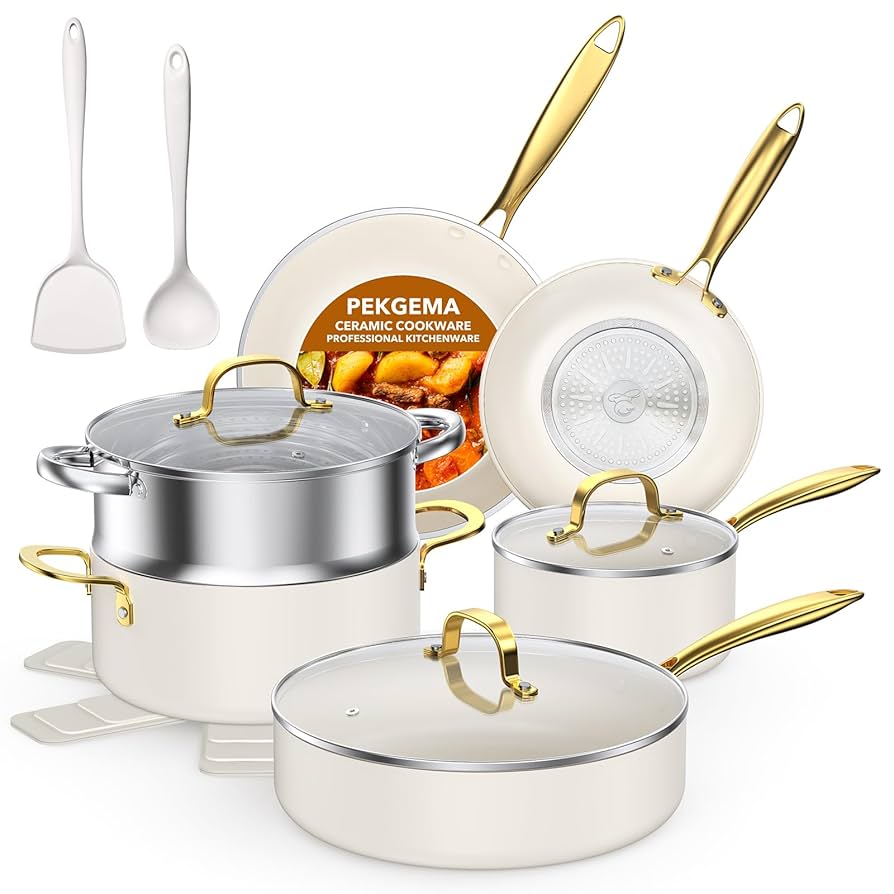
When you choose cookware for your kitchen, you want the best option that suits your cooking style and meets your health needs. Ceramic cookware is a popular choice that you may have come across.
But what exactly is ceramic cookware made of? Understanding the materials and process behind ceramic cookware can help you make an informed decision about adding it to your kitchen collection. Imagine cooking with pots and pans that offer a natural non-stick surface without harmful chemicals.
Picture the vibrant colors that could brighten your kitchen and enhance your cooking experience. This isn’t just a dream; it’s the reality of ceramic cookware. By the end of this article, you’ll know the secrets behind its composition, why it’s gaining popularity, and how it can transform your cooking adventures. Let’s dive into the fascinating world of ceramic cookware and discover why it might be your next favorite kitchen companion.
Ceramic Cookware Basics
Understanding ceramic cookware is essential for anyone looking to enhance their kitchen experience. This versatile cookware is appreciated for its non-stick surface and aesthetic appeal, making it a popular choice among home cooks and professionals alike. But what makes ceramic cookware unique? Let’s delve into the basics and uncover the materials that contribute to its charm.
What Is Ceramic Cookware?
Ceramic cookware is typically made from clay that is baked in a kiln at high temperatures. This process gives it a sturdy and durable structure, suitable for various cooking techniques. Unlike traditional non-stick pans, ceramic cookware boasts a natural non-stick coating derived from minerals, free from synthetic chemicals.
The Composition Of Ceramic Cookware
At its core, ceramic cookware is composed of a mixture of clay, water, and sand. This combination is shaped and then heated, resulting in a solid base. The outer layer is often enhanced with a glaze, contributing to its smooth finish and vibrant colors.
Benefits Of Using Ceramic Cookware
One of the standout benefits is its eco-friendly nature. You won’t find harmful chemicals like PTFE or PFOA in its composition. Its non-stick surface also means you can use less oil, promoting healthier cooking. Additionally, ceramic cookware distributes heat evenly, ensuring your food is cooked uniformly.
Durability And Maintenance
Ceramic cookware is generally robust and long-lasting, but it requires proper care. Avoid using metal utensils, as they can scratch the surface. Washing by hand is recommended to maintain its non-stick properties. With the right care, your ceramic cookware can serve you well for years.
Ever considered how the materials in your cookware influence your cooking style? Exploring ceramic cookware basics might just be the key to elevating your culinary adventures.

Credit: cookswarehouse.com
Types Of Ceramic Cookware
Understanding the types of ceramic cookware helps in making informed choices. Ceramic cookware comes in various forms, each with distinct features. The main types are pure ceramic and ceramic-coated cookware. Let’s explore each type to grasp their unique properties and benefits.
Pure Ceramic
Pure ceramic cookware is crafted entirely from clay. It undergoes firing at high temperatures to ensure durability. This type is known for being natural and eco-friendly. Pure ceramic offers a non-toxic cooking surface. It doesn’t leach harmful chemicals into food. It’s ideal for slow cooking and retaining heat. This cookware can safely go from oven to table. However, it needs careful handling due to its fragility.
Ceramic-coated
Ceramic-coated cookware features a metal base. It’s covered with a ceramic layer for non-stick properties. This type is favored for easy cleaning and cooking. It provides a smooth surface that prevents food from sticking. The coating is usually free from PFOA and PTFE. Ceramic-coated cookware heats quickly and evenly. It’s affordable and widely available. Despite its convenience, the coating may wear over time.
Key Materials Used
Ceramic cookware is crafted from a mix of clay and minerals. These materials are kiln-fired to create a durable surface. Often, a glaze is added to enhance non-stick properties and color.
Ceramic cookware is prized for its smooth surface and heat retention. Understanding its composition helps appreciate its benefits in the kitchen. Let’s explore the key materials used in ceramic cookware.Clay And Minerals
Ceramic cookware often starts with natural clay. This clay is mixed with minerals to enhance durability. The blend is then shaped into cookware pieces. Once shaped, the pieces are fired at high temperatures. This process hardens the cookware. It gives ceramic its characteristic strength. Minerals like quartz can be added. They improve heat resistance.Non-stick Coatings
Many ceramic cookware items have non-stick coatings. These coatings are often silica-based. Silica provides a smooth cooking surface. It prevents food from sticking. This makes cleaning easier. The coatings are applied in layers. Each layer is baked to ensure durability. Non-stick surfaces help reduce the need for oil. This promotes healthier cooking methods.
Credit: www.greenpan.us
Manufacturing Process
Ceramic cookware is crafted from clay, hardened through high-temperature firing. This process creates a durable, non-stick surface. Often coated with a glaze, it enhances heat resistance and provides a smooth finish.
The manufacturing process of ceramic cookware is intricate yet fascinating. It involves transforming raw materials into durable, heat-resistant kitchen essentials. Each step is crucial to ensure quality and functionality.Forming And Shaping
The process begins with forming and shaping the clay. Manufacturers use a mix of minerals and clay to create the base. This mixture is molded into desired shapes using techniques like casting or extrusion. These methods help achieve precise shapes and sizes. Consistency in thickness is crucial for even cooking and durability.Glazing And Firing
Once shaped, the cookware undergoes glazing. Glazing involves applying a liquid glass coating to the surface. This step enhances the cookware’s appearance and provides a smooth finish. After glazing, the items are fired in high-temperature kilns. Firing solidifies the glaze and strengthens the clay. It ensures the cookware can withstand high heat and daily use. Quality control checks are performed to ensure each piece meets standards before packaging.Safety And Health Benefits
Ceramic cookware is crafted from clay, hardened by heat. This non-toxic material ensures safe cooking. It offers health benefits by reducing the need for excess oil, making meals healthier.
Ceramic cookware is gaining popularity for its safety and health benefits. Many people choose it for its non-toxic properties. It offers an eco-friendly alternative to traditional cookware. Let’s explore why ceramic cookware is a safer choice for you and the planet.Non-toxic Properties
Ceramic cookware is free from harmful chemicals. It does not contain PFOA or PTFE. These chemicals are in many non-stick pans. They can release toxins when heated. Ceramic cookware has a smooth, non-stick surface. This makes cooking and cleaning easier. It is also safe for your health. You can cook without worrying about harmful substances.Eco-friendly Aspects
Ceramic cookware is environmentally friendly. It is made from natural materials. This reduces the carbon footprint. The manufacturing process is also cleaner. It uses less energy compared to other cookware. Ceramic cookware is durable and long-lasting. It reduces waste by lasting longer than other pans. You can feel good about using a product that cares for the earth.Performance And Durability
Ceramic cookware is crafted from a mixture of clay, minerals, and water. This blend is baked at high temperatures to create a durable surface. Known for its excellent heat distribution, ceramic cookware enhances cooking performance while ensuring longevity.
Ceramic cookware is celebrated for its performance and durability, making it a popular choice in kitchens around the world. But how does it hold up over time, and what makes it stand out in terms of cooking efficiency? Let’s dive into its key attributes.Heat Distribution
One of the standout features of ceramic cookware is its ability to evenly distribute heat. This characteristic ensures that your food cooks uniformly, eliminating hot spots that can ruin a dish. Imagine preparing a delicate sauce; with ceramic cookware, you can be confident that each ingredient will blend seamlessly, as the heat spreads evenly across the surface. This consistency not only enhances flavor but also saves time, allowing you to multitask without constantly stirring or adjusting the heat.Scratch Resistance
Ceramic cookware is known for its impressive scratch resistance. Unlike traditional non-stick pans that wear and tear quickly, ceramic surfaces are robust and resistant to scratches. This makes them ideal for everyday use and for those who frequently use metal utensils without worrying about damaging the surface. Consider how often you’ve hesitated to use a metal spatula for fear of scratching your pans. With ceramic cookware, this concern becomes a thing of the past. It brings a sense of freedom to your cooking experience, letting you focus on creating the perfect dish without restrictions. So, next time you’re choosing cookware, think about what you value most. Is it the even heat that ensures perfectly cooked meals, or the durable surface that withstands the rigors of daily cooking? Ceramic cookware offers both, promising a reliable and enjoyable cooking journey.Care And Maintenance Tips
Ceramic cookware is crafted from clay and baked at high temperatures. The smooth, non-stick surface is often achieved with a glaze. Regular cleaning and gentle handling preserve its quality and longevity.
Caring for your ceramic cookware can significantly extend its lifespan and ensure it remains a joy to cook with. Proper care and maintenance not only preserve the aesthetic appeal of your pots and pans but also enhance their performance. Let’s explore some practical tips to keep your ceramic cookware in top shape.Cleaning Methods
Cleaning ceramic cookware doesn’t have to be a chore. Begin by allowing your cookware to cool down before washing. Sudden temperature changes can cause damage. Use warm, soapy water with a soft sponge or cloth. Avoid abrasive scrubbers that can scratch the surface. If food is stuck, soak the cookware in warm water for a while. A gentle scrub should lift off any residue.Storage Suggestions
Proper storage can prevent chips and scratches. Consider using pan protectors between stacked items. If space is tight, hanging cookware can be an excellent alternative. It adds a decorative touch to your kitchen. Avoid storing ceramic cookware in damp places to prevent mold and unpleasant odors.Comparing With Other Cookware
Ceramic cookware is crafted from clay, minerals, and water, making it a natural choice in kitchens. Its non-stick surface comes from a glaze, not chemicals, unlike some other cookware. This ensures a healthier cooking experience with fewer toxins.
Comparing with other types of cookware can help you decide whether ceramic cookware is the right choice for your kitchen. Each material offers unique benefits and drawbacks, influencing your cooking style and maintenance efforts. Let’s dive into how ceramic cookware stands up against its counterparts.Metal Cookware
Metal cookware, like stainless steel or cast iron, is a popular choice in many kitchens. Stainless steel is known for its durability and resistance to rust and staining. It’s perfect for browning meat or sautéing vegetables. However, stainless steel can be heavy and may require more oil to prevent sticking, unlike ceramic. Cast iron, while excellent for heat retention, demands regular seasoning to maintain its non-stick surface. In contrast, ceramic cookware offers a lighter option with natural non-stick properties. This means less oil is needed, potentially leading to healthier cooking.Non-stick Alternatives
Traditional non-stick pans often use a coating like Teflon, which provides a slick surface for easy cooking and cleaning. Yet, concerns about chemical release at high temperatures have made some cooks wary. Ceramic cookware offers a non-toxic alternative, free from PTFE and PFOA, the chemicals often found in traditional non-stick coatings. This can be a significant advantage for health-conscious cooks. Additionally, ceramic pans can often withstand higher temperatures than their traditional non-stick counterparts. This gives you more flexibility when experimenting with different cooking techniques. Have you considered the impact of your cookware on both your health and the environment? Ceramic cookware might just be the answer, offering a balance between performance and peace of mind.Choosing The Right Ceramic Cookware
Choosing the right ceramic cookware can enhance your cooking experience. Ceramic cookware offers a unique blend of style and functionality. Its non-stick surface makes cooking and cleaning easier. Understanding what ceramic cookware is made of helps you make informed choices. Factors like budget and cooking needs play a crucial role.
Budget Considerations
Ceramic cookware comes in a range of prices. Set a budget before shopping. High-end options offer durability and advanced features. They might include better heat distribution and stylish designs. Budget-friendly options provide basic functionality without breaking the bank. Consider the long-term value of your investment. Quality cookware lasts longer and saves money in the end.
Cooking Needs
Assess your cooking habits before choosing ceramic cookware. Do you cook daily meals or occasional feasts? Lightweight options suit everyday cooking. They are easy to handle and clean. Heavy-duty cookware is ideal for complex recipes. It withstands high temperatures and frequent use. Match your cookware to your preferred cooking style. Proper selection enhances your culinary experience. Enjoy cooking with the right tools at hand.

Credit: www.ebay.com
Frequently Asked Questions
What Materials Are Used In Ceramic Cookware?
Ceramic cookware is made from clay that is baked at high temperatures. The coating is usually a non-stick ceramic glaze. This makes it durable and resistant to scratching. Some ceramic cookware may also include a metal core to improve heat conductivity and distribution.
Is Ceramic Cookware Safe For Cooking?
Ceramic cookware is considered safe for cooking as it is free from harmful chemicals like PFOA and PTFE. The non-stick coating is made from natural minerals, making it eco-friendly. It is important to use it at recommended temperatures to maintain its safety and longevity.
How Durable Is Ceramic Cookware?
Ceramic cookware is relatively durable, but it requires proper care to avoid chipping or cracking. Avoid using metal utensils to prevent scratches. Hand washing is recommended over dishwashing. With proper maintenance, ceramic cookware can last for several years without losing its non-stick properties.
Can Ceramic Cookware Be Used On All Stovetops?
Ceramic cookware can generally be used on gas and electric stovetops. However, it may not be suitable for induction cooktops unless it has a metal base. Always check the manufacturer’s instructions to ensure compatibility with your stovetop and avoid damaging the cookware.
Conclusion
Ceramic cookware offers a safe, efficient cooking choice. Made from natural materials, it provides even heat. No harmful chemicals like some other cookware. Easy to clean, making kitchen life simpler. Many enjoy its non-stick feature. Keeps food healthy and tasty.
Perfect for daily cooking needs. A wise addition to any kitchen. Remember to handle with care. Proper use extends its lifespan. Explore its benefits for healthier meals. Ideal for those seeking non-toxic options. Ceramic cookware meets diverse cooking styles. A blend of tradition and modernity.
Enjoy cooking with peace of mind.