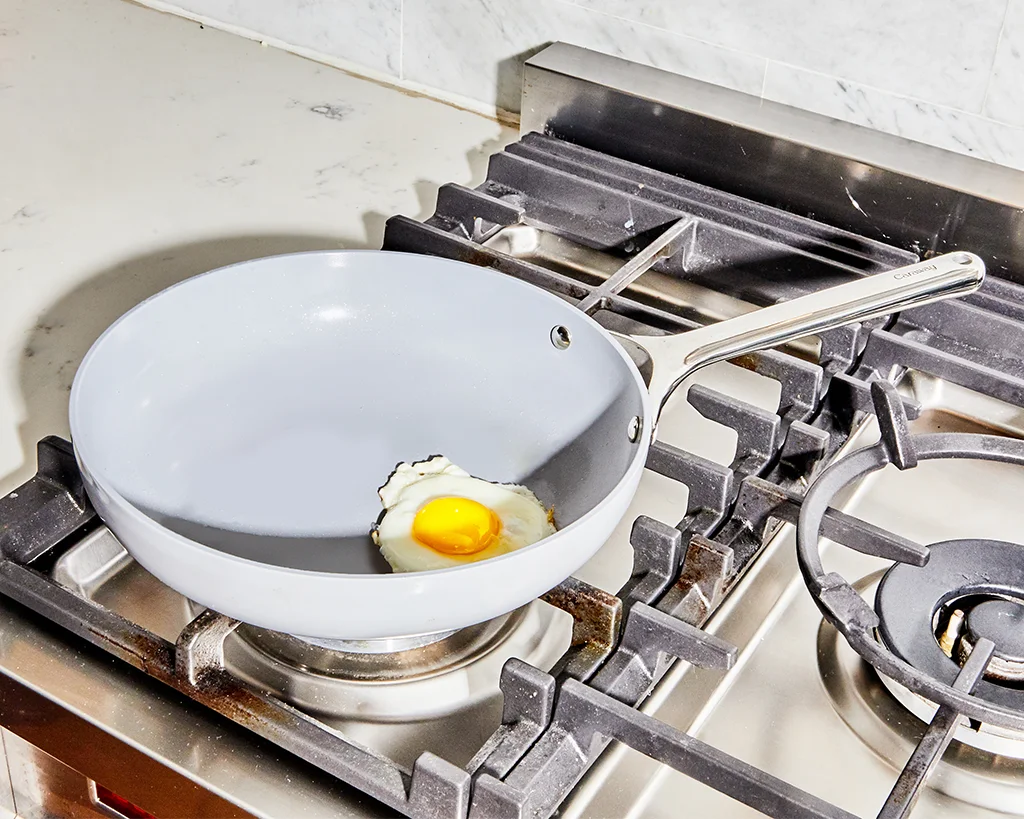
Have you ever looked at your old pots and pans and wondered if they can be recycled? You’re not alone.
Many people find themselves asking the same question when it comes time to replace their cookware. As you stand there, holding that worn-out skillet, you might feel a mix of guilt and curiosity. Guilt for contributing to waste and curiosity about greener alternatives.
What if there was a way to ensure your cookware doesn’t just end up in a landfill? We’re going to explore the possibilities of recycling your cookware. You’ll discover what materials can be reused, how to identify recyclable items, and where you can take them. Let’s dive in and find out how you can make your kitchen a little more environmentally friendly.
Cookware Materials And Their Recyclability
Cookware materials like aluminum and stainless steel are recyclable. Recycling varies based on local facilities and material types. Always check if your local recycling center accepts specific cookware items.
Cookware Materials and Their Recyclability When you’re looking to declutter your kitchen, you might wonder about the recyclability of your old pots and pans. It’s not just about clearing space; it’s about doing your part for the planet. Understanding the materials your cookware is made from can help you make informed decisions about recycling.Common Cookware Materials
Cookware comes in various materials, each with unique properties. Aluminum, stainless steel, cast iron, copper, and non-stick coatings are the most common. These materials impact how you cook, but they also affect how you can recycle them. Aluminum is lightweight and often used in affordable cookware. Stainless steel is durable and resistant to corrosion, making it a popular choice for its longevity. Cast iron offers excellent heat retention, while copper is prized for its superior heat conductivity. Non-stick coatings, typically made from synthetic materials, provide easy cleanup but complicate recycling efforts.Recycling Potential Of Each Material
Aluminum cookware is highly recyclable and can be melted down and reused with minimal energy. Check with local recycling facilities to ensure they accept it. Stainless steel is also recyclable, but you’ll want to remove any plastic or rubber parts first. Cast iron might seem daunting, but it’s recyclable too! Many scrap metal yards will accept it. Copper is valuable and has a high recycling rate, so it’s worth seeking out specialized facilities if necessary. Non-stick coatings pose a challenge. While the base metal can often be recycled, the coating itself is usually not recyclable. Consider donating or repurposing non-stick items if they’re still usable. Have you ever thought about how your choice of cookware could impact the environment? By knowing what your pots and pans are made from, you can take steps to recycle responsibly and reduce waste.
Credit: www.facebook.com
Challenges In Recycling Cookware
Recycling cookware presents challenges due to mixed materials like metal, plastic, and non-stick coatings. Many facilities lack the technology to separate these components efficiently. Proper disposal or specialized recycling centers may be needed for effective recycling.
Recycling cookware presents unique challenges that complicate the process. Cookware materials vary widely, including metals, plastics, and ceramics. Each requires special handling and processing. This complexity can hinder efficient recycling. Understanding the obstacles is key to finding better solutions.Contamination Issues
Cookware often contains food residue. This can contaminate the recycling stream. Dirty pans and pots make recycling difficult. They require thorough cleaning before processing. Some coatings on cookware are non-recyclable. Non-stick surfaces complicate recycling further. Removing these coatings is essential. This step can be resource-intensive.Dismantling And Sorting Difficulties
Cookware comes in various shapes and materials. Sorting these materials is challenging. Many items contain mixed materials. Handles may be plastic, while the body is metal. Sorting these components requires extra effort. Dismantling cookware can be time-consuming. It involves separating different parts. This adds complexity to the recycling process.Eco-friendly Disposal Methods
Disposing of old cookware can pose an environmental challenge. Eco-friendly disposal methods offer sustainable solutions. These methods reduce waste and support a greener planet. Whether your cookware is still usable or not, there are various ways to dispose of it responsibly.
Donating Usable Cookware
Cookware in good condition can benefit others. Many charities and shelters welcome donations. They provide these items to families in need. Check local organizations for donation options. You can also use online platforms to find people who need kitchenware. Sharing your cookware helps reduce waste and supports community welfare.
Upcycling Ideas
Transform old cookware into creative projects. Upcycling gives new life to items that might otherwise be discarded. Turn pots and pans into plant holders. Use lids as unique wall decorations. Get creative with handles by making hooks or hangers. Upcycling not only saves resources but also adds charm to your home. It’s a fun and rewarding way to recycle.
Recycling Programs And Initiatives
Recycling old cookware helps reduce waste and supports sustainability. Many recycling programs accept metal pots and pans. Non-stick or ceramic items require special handling, as they contain unique materials.
Recycling cookware might seem tricky, but there’s good news. Many programs and initiatives are stepping up to tackle this challenge. Have you ever wondered if your old pots and pans could have a second life? It turns out they can, thanks to various recycling efforts aimed at reducing waste and conserving resources. Let’s explore some practical ways you can recycle your cookware effectively.Local Recycling Centers
Local recycling centers are often the first stop for eco-conscious individuals looking to recycle their old cookware. These centers usually have specific guidelines on what types of cookware they accept. It’s essential to check with your local center about their policies. Some centers may require you to separate metal cookware from non-metal items. Others might ask you to remove any plastic handles or glass lids before recycling. By following these rules, you help streamline the recycling process and ensure your cookware is recycled correctly.Specialized Recycling Services
Specialized recycling services are dedicated to handling items that traditional centers might reject. Have you ever had a pan that seemed impossible to recycle? These services could be your answer. They often accept a wider range of cookware materials, including non-stick coatings and mixed materials. Many of these specialized services offer convenient pick-up options or drop-off locations to make the process easier for you. Consider contacting a specialized service if you have unique cookware that doesn’t fit the mold of regular recycling centers. You might be surprised at the solutions they offer.Sustainable Alternatives To Traditional Cookware
Recycling cookware is possible, offering a sustainable solution. Many materials like stainless steel and aluminum can be recycled. This reduces landfill waste and supports eco-friendly practices. Consider donating or repurposing old pots and pans to minimize environmental impact.
In today’s world, where sustainability is more important than ever, many of us are re-evaluating everyday items, including cookware. If you’ve ever wondered about eco-friendly options, you’re not alone. People are now seeking sustainable alternatives to traditional cookware that align with their environmental values.Biodegradable Options
Imagine using cookware that can return to nature without leaving a trace. Biodegradable cookware is made from materials like bamboo and palm leaves, which can decompose naturally after disposal. This not only reduces waste but also offers a guilt-free cooking experience. While these options might not be ideal for high-heat cooking, they are perfect for serving and storage. Next time you’re hosting a dinner party, consider biodegradable serving dishes. You’ll impress your guests and contribute to a healthier planet.Long-lasting Cookware Choices
Longevity is the new luxury. Investing in durable cookware ensures that you’re not frequently replacing items, which reduces waste. Cast iron, stainless steel, and ceramic are excellent long-lasting choices. Cast iron pans, for instance, can last generations if cared for properly. They offer even heat distribution and improve with age. Stainless steel, on the other hand, is resistant to rust and corrosion, making it a staple in many kitchens. Does your current cookware stand the test of time? If not, consider upgrading to these sustainable options. Not only will you save money in the long run, but you’ll also enjoy cooking with reliable tools.
Credit: www.instagram.com
Impact Of Recycling On The Environment
Recycling cookware can significantly benefit the environment. It helps reduce waste and conserves energy. Let’s explore how recycling cookware impacts our planet.
Reduction Of Waste
Recycling cookware keeps it from ending up in landfills. Landfills are overflowing with waste. By recycling, we reduce the amount of trash sent there.
Cookware materials like metal and glass are recyclable. This process transforms old cookware into new products. It prevents waste accumulation and pollution.
Energy Savings
Recycling cookware saves energy. Producing new cookware requires a lot of energy. Recycling uses less energy compared to manufacturing from raw materials.
Energy savings come from using recycled metals. Melting down old cookware consumes less power. This leads to lower energy demands and emissions.

Credit: www.facebook.com
Frequently Asked Questions
Can Old Cookware Be Recycled?
Yes, most old cookware can be recycled. Metal cookware like aluminum, stainless steel, and cast iron are recyclable. Check local recycling guidelines for specific instructions. Non-metal cookware may need special recycling facilities. Always ensure cookware is clean before recycling to prevent contamination.
Where To Recycle Cookware?
You can recycle cookware at local recycling centers. Some municipalities offer curbside pickup for metal items. Check for community recycling events. Retail stores sometimes accept cookware for recycling. Verify with local authorities for specific disposal guidelines.
Is Non-stick Cookware Recyclable?
Non-stick cookware is more challenging to recycle due to its coating. Some recycling facilities accept it. Check local guidelines for proper disposal. Consider donating if it’s in good condition. Always try to remove the non-stick coating before recycling.
Can Stainless Steel Pans Be Recycled?
Yes, stainless steel pans are highly recyclable. Most local recycling centers accept them. Ensure pans are clean before recycling. Some facilities may offer special programs for metal cookware. Stainless steel is valuable and often recycled into new products.
Conclusion
Recycling cookware helps the environment and reduces waste. Many materials like metal can be recycled. Check local recycling centers for options. Some cookware brands offer recycling programs. Donate usable items to thrift stores or shelters. This extends their life and helps others.
Always separate cookware by material type. This makes recycling more efficient. Remember, small steps make a big impact. Every piece recycled counts towards a cleaner planet. Stay informed and encourage others to recycle. Together, we can make a difference. Your efforts today shape a sustainable future tomorrow.