Are your deep kitchen cabinets more of a cluttered abyss than a storage solution? You’re not alone.
Many people struggle to keep these spaces organized, often finding themselves digging through piles of pots, pans, and forgotten gadgets just to find that one elusive item. But what if we told you there’s a way to transform your chaotic cabinets into a haven of order and efficiency?
Imagine opening your cabinet doors to find everything neatly arranged and easy to access. It’s not just a dream—it’s a possibility you can achieve with the right strategies. Dive into this article to discover simple yet effective tips that will revolutionize how you use your deep kitchen cabinets. Your kitchen will thank you.
Maximizing Space Efficiency
Organize deep kitchen cabinets by using pull-out shelves for easy access. Utilize labeled bins to categorize items efficiently. Store taller items at the back and frequently used ones in front for convenience.
Maximizing Space Efficiency Deep kitchen cabinets can be both a blessing and a curse. They offer ample storage space, but without proper organization, that space can quickly become a cluttered mess. The key to maintaining order and utilizing every inch efficiently is to implement strategic solutions that make the most of the depth and height these cabinets offer.Utilizing Shelf Risers
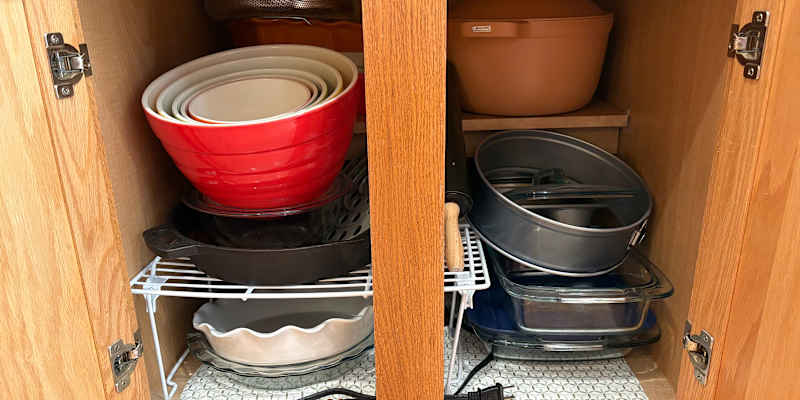
Shelf risers are a game-changer for deep cabinets. They allow you to stack items at different heights, making it easy to access everything without having to dig through layers. Picture your pantry: instead of a pile of canned goods, you have a neat display where each can is visible. Place risers in cabinets where you store dishes or pantry items. This not only maximizes vertical space but also keeps items from getting lost at the back. It’s a simple, cost-effective solution that can transform your kitchen organization.Incorporating Lazy Susans
Lazy Susans are perfect for making deep cabinets more user-friendly. They bring the contents of the back of your cabinet to the front with a simple spin. Imagine reaching for your spices and not having to fumble through dozens of jars. Install a Lazy Susan in a corner cabinet to make use of that awkward space. It’s particularly helpful for storing items you use frequently, like sauces or baking supplies. This tool ensures nothing is forgotten and everything is within easy reach. Are there areas in your kitchen that feel like a black hole? Consider these solutions to transform your deep cabinets into organized, efficient spaces.
Credit: www.tiktok.com
Smart Storage Solutions
Deep kitchen cabinets can be a challenge to organize. Smart storage solutions make it easier. They help you maximize every inch of space. By using innovative methods, you can keep your kitchen tidy. Here, we explore two effective strategies.
Using Stackable Containers
Stackable containers are efficient for deep cabinets. They save space and keep items organized. Choose clear containers to see contents easily. Label each container for quick access. This reduces time spent searching. Group similar items together. For example, store baking supplies in one container. This method simplifies your kitchen routine.
Employing Vertical Dividers
Vertical dividers are great for organizing cabinets. They create separate sections for items. Use them to store cutting boards or baking sheets. This method prevents items from toppling over. Customize dividers to fit your cabinet size. Adjustable dividers offer more flexibility. They are ideal for a variety of items. Dividers help maintain order and accessibility.
Labeling And Categorization
Labeling and categorization simplify organizing deep kitchen cabinets. Use bins and baskets for grouping similar items. Label each container clearly to find spices, canned goods, and utensils easily.
Labeling and categorizing items in deep kitchen cabinets can transform your storage. This practice helps you find things quickly and keeps your kitchen tidy. Labels provide clear identification, while categorization ensures items are grouped logically. Let’s delve into effective strategies for labeling and grouping kitchen essentials.Creating Clear Labels
Use simple, bold fonts for easy reading. Choose durable materials like vinyl or laminated paper for longevity. Ensure labels are large enough to see at a glance. Consider using color-coded labels to differentiate categories. For example, green for baking items, blue for canned goods.Grouping Similar Items
Start by sorting items into logical categories. Place similar items together to streamline access. Consider common usage patterns. Group all baking supplies in one section. Store canned goods in another area. This reduces the time spent searching. Use containers or bins for smaller items. This avoids clutter and keeps things organized.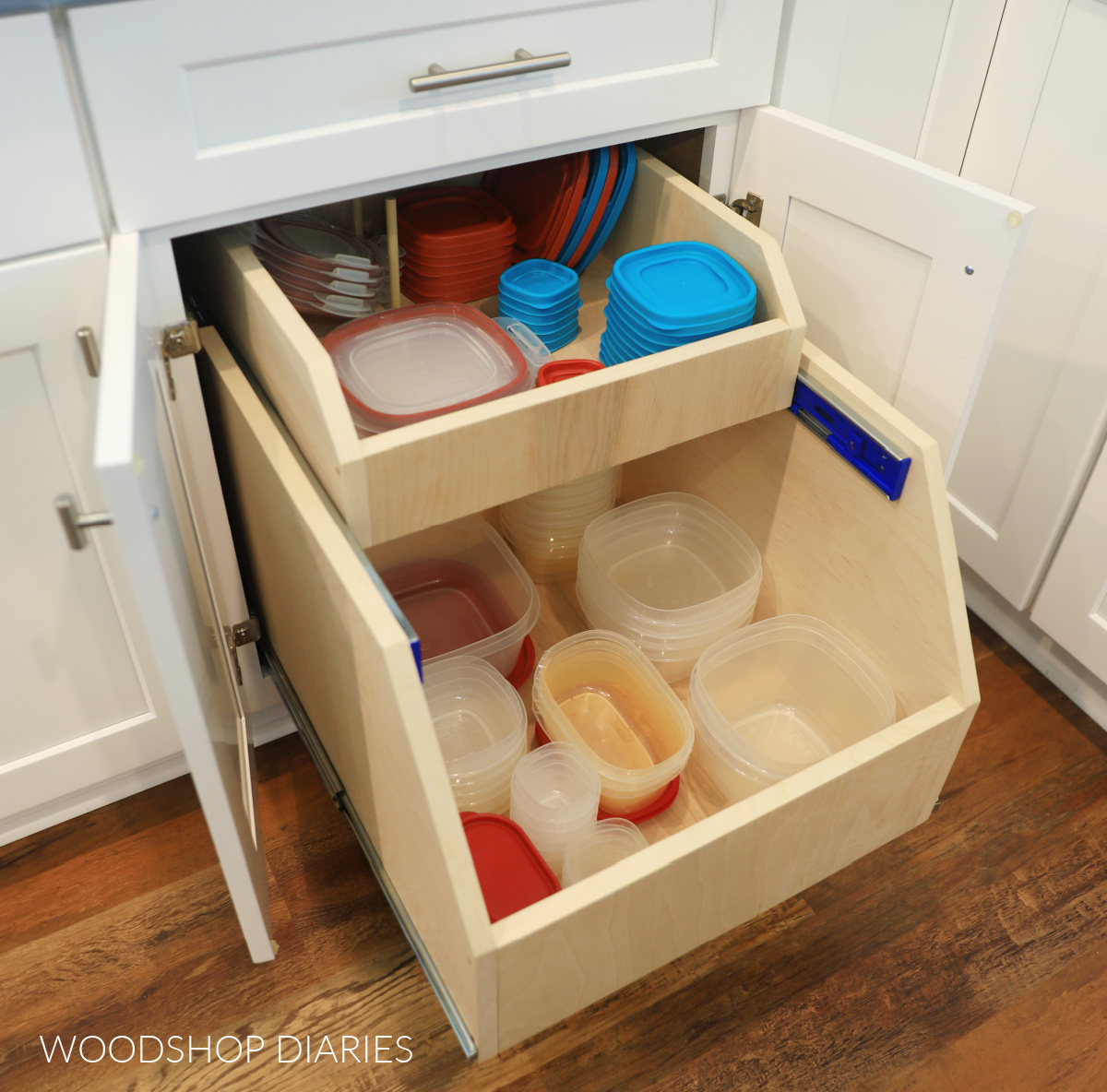
Credit: www.woodshopdiaries.com
Easy Access Techniques
Utilize pull-out shelves to reach items at the back easily. Stackable bins help categorize and save space. Install lazy Susans to keep essentials within arm’s reach.
Organizing deep kitchen cabinets can be a daunting task, especially when items get lost in the depths of shelves. Efficiently arranging your cabinets not only saves time but also enhances your cooking experience. With the right techniques, accessing your kitchen essentials can be a breeze. Implementing easy access methods can transform your kitchen from chaotic to organized.Implementing Pull-out Drawers
Pull-out drawers are game changers for deep cabinets. They allow you to see and reach everything without having to dig through layers of items. Consider installing adjustable pull-out drawers to accommodate different sizes of kitchenware. A friend of mine installed pull-out drawers and immediately noticed how much simpler meal prep became. She no longer had to shuffle through stacks of pots and pans. Imagine opening a drawer and having your baking sheets and cutting boards at your fingertips.Positioning Frequently Used Items
Place your most-used items in the most accessible spots. It’s a simple trick that makes a big difference. Store your go-to pots, pans, and utensils at the front of the cabinet or on the top shelf of pull-out drawers. Every morning, reaching for that coffee mug becomes effortless when it’s right there, ready for you. Think about the items you use daily. Do they have a prime position in your cabinets? If not, it might be time to rearrange. Engage with your kitchen space. Organize it in a way that reflects your daily habits. Wouldn’t you want to make cooking not just easy, but enjoyable?Maintaining Organization
Keeping deep kitchen cabinets organized is an ongoing task that requires diligence and creativity. It’s easy for these spacious storage areas to become cluttered and disorganized over time. However, with the right strategies, you can maintain a tidy and efficient kitchen space. Let’s explore some practical ways to keep your cabinets in check.
Regularly Reassessing Contents
One key to maintaining organization is to regularly reassess the contents of your cabinets. It’s surprising how quickly items accumulate without you noticing. Every few months, take a moment to look through and evaluate what’s inside. Ask yourself: Are there expired or unused items taking up space? Removing these can instantly make your cabinets more functional.
Consider rotating seasonal items or those used infrequently to the back, while keeping everyday essentials easily accessible. This simple shift can streamline your cooking process and prevent clutter from building up.
Adopting A Consistent System
Consistency is crucial for maintaining order in deep cabinets. Develop a system that works for you and stick to it. For instance, categorizing items by type—such as baking supplies, canned goods, or snacks—and assigning each category its own space can help keep things organized.
- Label shelves or containers to ensure items return to their designated spots after use.
- Utilize clear bins or baskets to group similar items together, making them easier to find.
Think of this system as a helpful roadmap for your kitchen activities. Once established, it reduces the time spent searching for ingredients and adds a sense of order to your cooking routine.
How does your current cabinet organization strategy stack up? Could it benefit from a little tweaking or a fresh approach? Reflect on your needs and create a plan that complements your lifestyle. Remember, the goal is to make your kitchen work for you, not the other way around.
Credit: www.apartmenttherapy.com
Frequently Asked Questions
How Do I Maximize Space In Deep Kitchen Cabinets?
Maximizing space in deep kitchen cabinets requires strategic organization. Use stackable containers, pull-out shelves, or lazy Susans to make items accessible. Group similar items together, and label containers to quickly locate essentials. Consider vertical dividers for pans and trays to utilize height effectively.
What Are The Best Organizers For Deep Cabinets?
Pull-out shelves, wire baskets, and lazy Susans are ideal for deep cabinets. They provide easy access and visibility to items stored at the back. Adjustable dividers and stackable bins can help categorize items, making the space more functional and organized.
How Can I Keep Cabinets Tidy And Clutter-free?
To keep cabinets tidy, regularly declutter and remove expired or unused items. Use labeled containers or baskets to group similar items together. Implement a system where frequently used items are at the front for easy access, and less-used items are stored at the back.
Should I Use Vertical Storage Solutions In Cabinets?
Yes, vertical storage solutions maximize space in deep cabinets. Use dividers or racks for baking sheets, trays, and cutting boards. This keeps items organized and prevents them from stacking and creating a mess. Vertical solutions also make it easier to grab items without disturbing others.
Conclusion
Organizing deep kitchen cabinets can simplify your cooking routine. Use trays and baskets to group similar items. Install pull-out shelves for easy access. Label everything clearly to know what’s where. Rotate items to keep them fresh and used. Regularly clean and declutter to maintain order.
With these tips, your kitchen stays tidy and functional. No more wasted time searching for things. Enjoy a stress-free cooking experience. A well-organized kitchen saves time and effort. Happy cooking!