
Does your kitchen junk drawer frustrate you every time you open it? You’re not alone.
Many people have that one drawer filled with a chaotic mix of random items, from batteries and tape to old receipts and pens. It’s easy for this space to become a catch-all for everything that doesn’t have a designated spot.
But here’s the thing: a cluttered drawer can actually increase stress and waste your precious time. Imagine opening it to find exactly what you need, without having to dig through piles of clutter. Wouldn’t that be a relief? You’ll discover simple and effective ways to transform your kitchen junk drawer from a chaotic mess into an organized haven. You’ll learn practical tips that will not only make your drawer more functional but also help you feel more in control. Ready to reclaim your space and reduce daily frustration? Keep reading to find out how you can turn that drawer into an organized powerhouse. Your future self will thank you!
Assess The Contents
Assess the contents of your kitchen junk drawer to identify what truly belongs there. Separate essential items from clutter. This step helps create a more organized space.
Assessing the contents of your kitchen junk drawer can be a daunting yet rewarding task. Understanding what lies within is the first step towards transforming chaos into order. This process can reveal forgotten treasures and highlight items you no longer need.Empty The Drawer
Start by completely emptying the drawer onto a flat surface. This step allows you to see everything at once, making it easier to identify what’s important. You’ll be amazed at the forgotten items that have accumulated over time. Don’t rush this process. Take a moment to appreciate each item as you pull it out. Perhaps you’ll find that elusive measuring tape or a long-lost recipe card.Sort Items By Category
With everything laid out, begin sorting items into categories. Group similar items together, such as office supplies, kitchen tools, or miscellaneous gadgets. This categorization helps in visualizing the space each group will occupy when you return them to the drawer. It also highlights duplicates or unnecessary items that can be discarded. Consider creating a small pile for items that don’t belong in the kitchen. These can be relocated to their proper places, freeing up valuable space. By assessing and sorting, you’re not just organizing your drawer—you’re reclaiming a piece of your home. What surprising finds will you uncover during your organization journey?Decide What To Keep
Organizing your kitchen junk drawer starts with deciding what to keep. This step helps declutter and simplify your drawer space. Begin by assessing each item carefully. Understanding what you truly need is crucial for maintaining an organized space. It’s easy for drawers to become cluttered with unnecessary items. So, make a conscious choice about what stays and what goes.
Identify Essentials
Identify items used frequently. These are your essentials. Think about what you reach for often. Pens, scissors, or tape can be useful. Essentials should be the first to find their place. They deserve easy access in your drawer. Group similar items together for better organization. This reduces the time spent searching later.
Eliminate Unnecessary Items
Unnecessary items take up valuable space. Remove duplicates and items you never use. Old batteries, expired coupons, or broken gadgets can go. Freeing up space makes room for essentials. Consider donating or recycling items if possible. This step is crucial for a clutter-free drawer. Less clutter means more efficiency.
Choose Storage Solutions
Organizing your kitchen junk drawer can be a satisfying task. Choosing the right storage solutions is key to maintaining order. This approach ensures everything has a designated spot. It reduces clutter and makes finding items easier. Let’s dive into selecting drawer dividers and small containers.
Select Drawer Dividers
Drawer dividers are perfect for keeping things separate. They help create sections for different items. You can choose adjustable dividers for flexibility. This allows you to change the layout as needed. Fixed dividers are also useful for specific arrangements. Ensure the dividers fit your drawer size perfectly.
Consider Small Containers
Small containers are great for holding tiny items. They prevent things from rolling around. Use containers for items like paper clips or batteries. Clear containers are ideal for visibility. You can see what’s inside without opening them. Choose containers of various sizes for different needs.

Credit: www.tiktok.com
Arrange Items Efficiently
Organizing a kitchen junk drawer can feel overwhelming. But arranging items efficiently makes it manageable. A well-organized drawer saves time and reduces stress. It ensures everything is easy to find when needed.
Group Similar Items Together
Start by sorting items into categories. Place similar items together. For example, keep all pens and markers in one section. Group rubber bands, paper clips, and other small office supplies. This method helps in quickly finding what you need.
Consider using small bins or dividers. They keep grouped items in place. This prevents them from scattering. Clear containers are helpful. They allow you to see contents at a glance.
Utilize Vertical Space
Don’t forget the vertical space. Use stackable trays to create layers. This maximizes drawer space. You can store more without clutter.
Consider using drawer organizers with tiers. They allow items to be easily accessed. Tall containers can hold longer items. These might include scissors or rulers.
Ensure heavier items are at the bottom. This keeps the drawer balanced. It prevents tipping and makes it easier to open and close.
Label For Easy Access
Label for Easy Access Neatly label every section in the kitchen junk drawer. This ensures quick identification and easy access to items.
Labeling is a game-changer when it comes to organizing your kitchen junk drawer. It transforms chaos into order and ensures you can always find what you need without the frustration of rummaging through a mess. Let’s dive into how you can use labels effectively for easy access and a clutter-free drawer.Use Clear Labels
Clear labels are essential for quick identification. They help you know exactly where each item belongs and maintain the order you worked hard to achieve. Consider using a label maker or pre-printed labels for a professional look. Place labels on the top edge of containers or the inside edge of the drawer for visibility. Use simple words that everyone in your household understands. For example, “batteries,” “tools,” or “coupons” are straightforward and effective. You might be surprised how much time you save when you don’t have to dig around for that stray screwdriver or tape measure. Labels are a simple investment in your daily convenience.Create A Map
A map of your drawer layout takes organization to the next level. It acts as a guide, especially if you have multiple people using the kitchen. A quick glance at the map helps everyone know exactly where to return items. Draw a simple sketch of your drawer on a piece of paper. Mark sections and label them according to the categories you’ve set. You can even tape this map to the inside of the drawer or a nearby cabinet door. This method eliminates guesswork and keeps your drawer tidy over time. Have you ever thought about how much easier it would be if everyone knew where things should go? A drawer map makes that possible.
Credit: www.yahoo.com
Maintain Organization
Organize your kitchen junk drawer by sorting items into categories like tools, stationery, and miscellaneous. Use dividers or small containers to keep everything in place. Regularly declutter and remove items you no longer need.
Maintaining organization in your kitchen junk drawer can be simple. Once you’ve decluttered and organized, keeping it tidy requires consistent effort. A well-organized drawer saves time and reduces stress. Follow these steps to ensure your drawer remains neat.Regular Cleanups
Set a reminder for regular cleanups. Monthly or quarterly works well. During cleanups, remove items that don’t belong. Put away anything misplaced. Dust and wipe the drawer interior. Regular cleanups prevent clutter buildup.Reevaluate Contents Periodically
Every few months, reevaluate the contents. Check for items not used in months. Remove duplicates and broken items. Ask yourself if each item is necessary. This helps keep only essentials in the drawer. Reevaluate contents to ensure functionality and space efficiency.Personalize Your Drawer
Organizing your kitchen junk drawer doesn’t have to be a generic chore. Why not infuse a bit of personality into it? A personalized drawer can make every rummage feel more delightful and less chaotic. By tailoring it to suit your unique needs and style, you transform a cluttered space into one that genuinely reflects you.
Add A Personal Touch
Consider what makes you smile. Maybe it’s vibrant colors or quirky patterns. Use drawer liners or dividers that match your taste. These small touches can bring joy every time you open the drawer. You can even add labels with fun fonts or doodles that add a splash of creativity.
Think about personal items that hold sentimental value. Adding a small photo or a miniature keepsake can make the drawer feel more like a curated space rather than a catch-all.
Customize For Your Needs
What do you reach for most often? Tailor the drawer’s contents to your lifestyle. If you frequently cook, prioritize easy access to kitchen gadgets, measuring spoons, or spice packets. If you’re a DIY enthusiast, make space for small tools and tape.
Using small containers or trays can help you group items effectively. This not only makes retrieval easier but also prevents the drawer from becoming a chaotic mess. Consider adjusting the layout based on your routines—maybe the front row should house items you use daily.
Think about what frustrates you the most when searching for items. By customizing the layout to address these pain points, you ensure a smoother experience every time you open the drawer.
So, what will you do to make your junk drawer truly yours? Start small, make it personal, and watch how a simple drawer can become a source of joy and functionality.
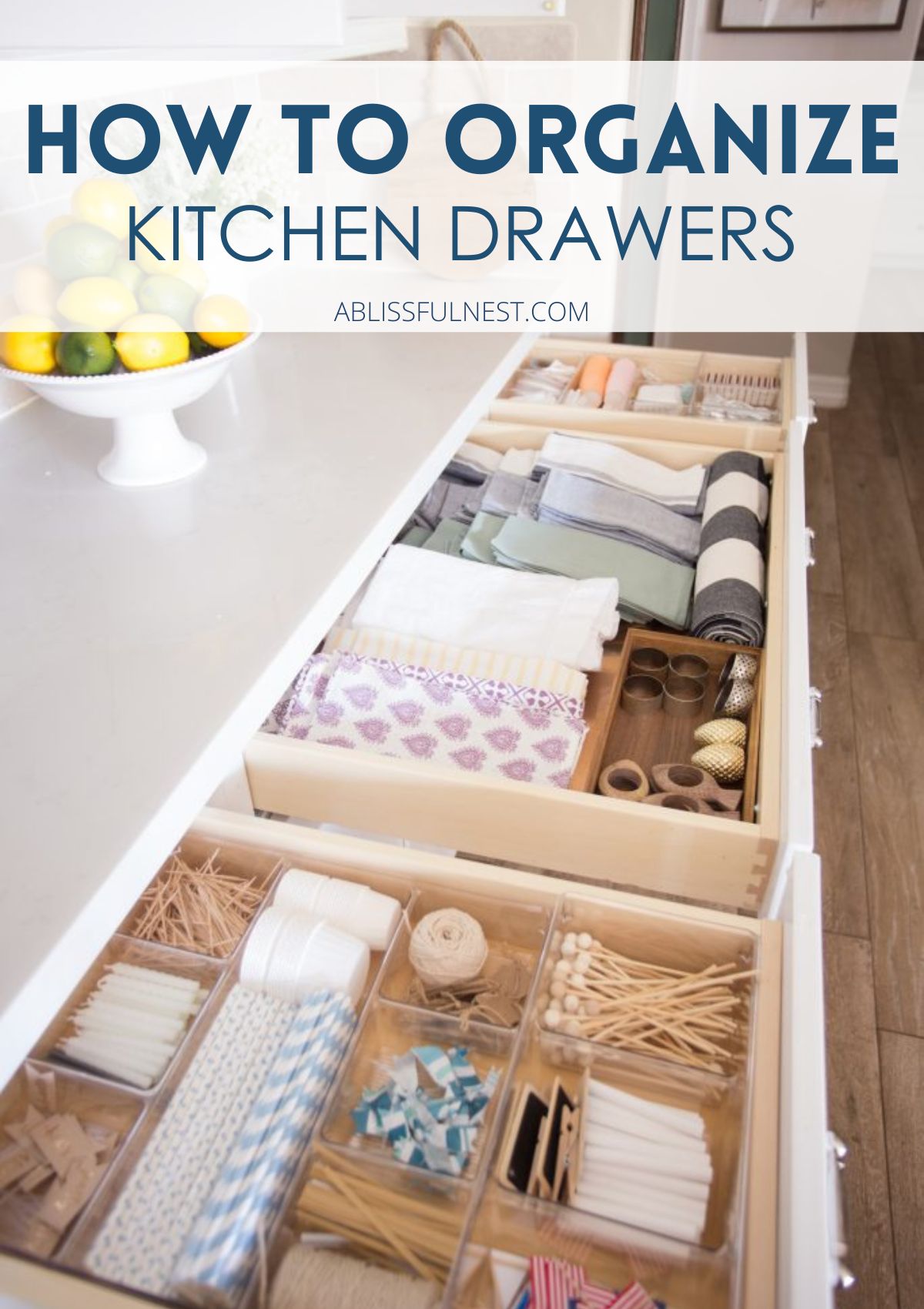
Credit: ablissfulnest.com
Frequently Asked Questions
How To Start Organizing A Junk Drawer?
Begin by emptying the drawer completely. Sort items into categories like tools, stationery, and miscellaneous. Discard or donate items you no longer need. Consider using dividers or small containers to keep items organized. Label sections if needed to maintain order in the future.
What Items Belong In A Kitchen Junk Drawer?
A kitchen junk drawer can hold essentials like scissors, tape, batteries, and pens. Include commonly used household tools like screwdrivers or measuring tape. Keep miscellaneous items like rubber bands and paperclips organized. Avoid storing expired items or broken gadgets to maintain functionality.
How To Maintain An Organized Junk Drawer?
Regularly declutter the drawer by removing unnecessary items. Use dividers or trays to keep contents sorted. Reassess the drawer’s contents monthly to ensure it remains organized. Label sections to make retrieval easy. Encourage family members to return items to their designated spots.
Are Organizers Helpful For Junk Drawers?
Yes, organizers are very helpful. They provide structure and help categorize items efficiently. Use trays, dividers, or small containers to keep items sorted. They prevent clutter from accumulating and make finding items easier. Choose adjustable organizers to accommodate changing needs.
Conclusion
Organizing your kitchen junk drawer can simplify your daily routine. With a tidy drawer, finding items becomes quick and easy. No more hunting for lost pens or batteries. Try dividing the space into sections. Use small containers or trays. Label them for extra clarity.
This method keeps everything in its place. Regularly declutter to maintain order. Discard or donate what you don’t need. A neat drawer saves time and reduces stress. Enjoy a more efficient kitchen experience. Start organizing today and see the difference it makes.
A little effort leads to big rewards.