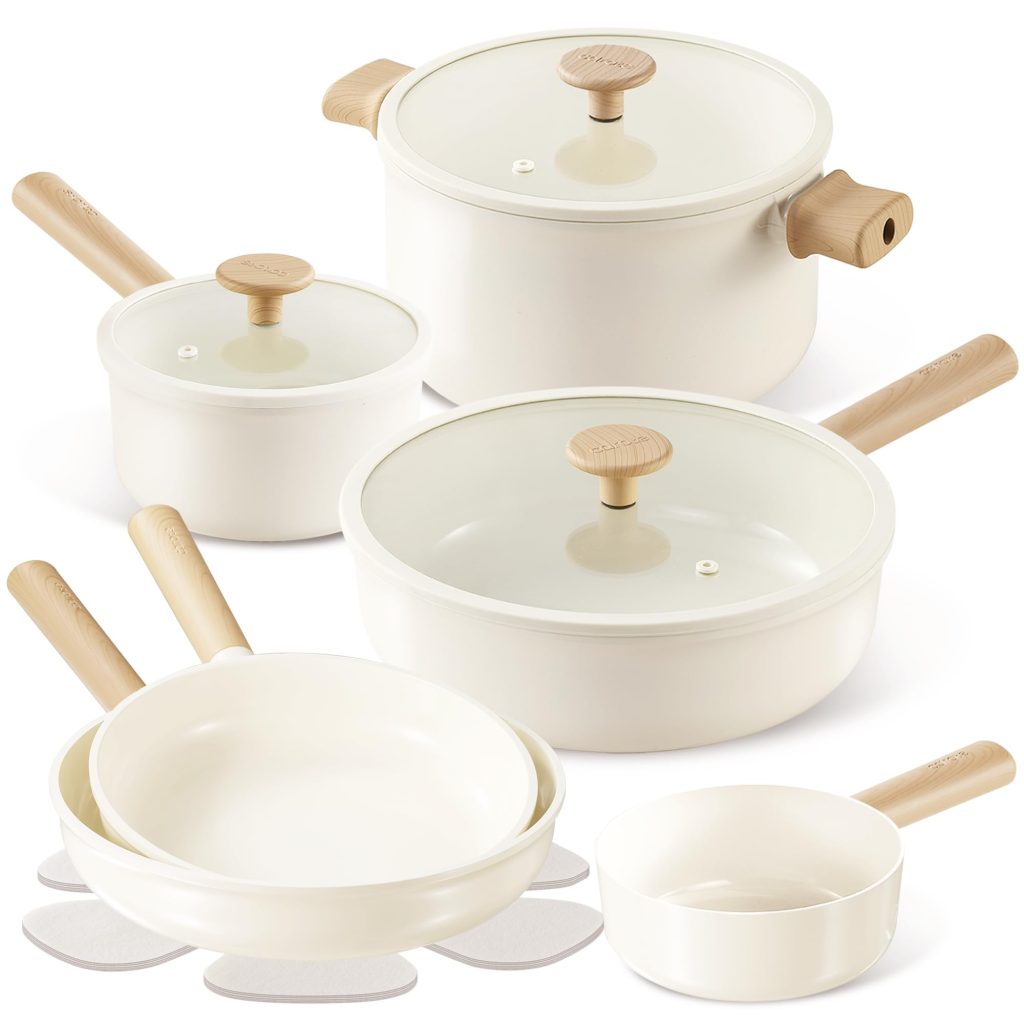
Have you ever wondered if your nonstick ceramic cookware is safe for your family? With all the buzz around kitchen gadgets, it’s easy to get caught up in the excitement without considering the potential risks.
You deserve peace of mind when cooking your favorite meals, knowing that your cookware is doing its job without compromising your health. Imagine effortlessly preparing a delicious dinner, where every dish slides off the pan with ease, yet you’re left wondering about the safety of the materials you’re using.
Are there hidden dangers lurking in your kitchen? You will discover the truth behind nonstick ceramic cookware and learn whether it’s a safe choice for you and your loved ones. Dive into the facts and make informed decisions for a healthier kitchen experience.
History Of Nonstick Cookware
Is Nonstick Ceramic Cookware Safe Nonstick cookware emerged in the mid-20th century, offering convenience in kitchens worldwide. Ceramic variants are popular due to their non-toxic nature. These are often deemed safer compared to traditional nonstick pans.
The history of nonstick cookware is rich and varied. It began with the desire for easier cooking and cleaning. Early cooking surfaces were functional but lacked convenience. Over time, innovation led to the development of new materials. These changes shaped how we cook today.Evolution Of Cooking Surfaces
Cooking surfaces have evolved significantly. Initially, cast iron and stainless steel dominated kitchens. These materials were durable but required maintenance. Cleaning was often a challenge. Then came the discovery of Teflon in the mid-20th century. This material introduced nonstick properties, making cooking and cleaning simpler. Teflon quickly became popular for its ease of use.Rise Of Ceramic Alternatives
Ceramic cookware emerged as a safer alternative. Concerns about Teflon’s safety grew, leading to the search for new options. Ceramic coatings offered a nonstick surface without chemical risks. Made from natural minerals, ceramic is eco-friendly. It doesn’t release harmful fumes and is safe at high temperatures. This made ceramic a popular choice in modern kitchens.Understanding Ceramic Cookware
Understanding ceramic cookware can enhance your kitchen experience, offering both safety and efficiency in your cooking endeavors. Ceramic cookware is known for its nonstick properties, which make it a popular choice among home cooks and professionals alike. But what exactly is this cookware made of, and how is it produced? Let’s dive into the composition and manufacturing process of ceramic cookware to answer these questions.
Composition And Materials
Ceramic cookware typically consists of a metal base, often aluminum, coated with a layer of ceramic. This ceramic coating is derived from natural minerals, mainly silica, which is then transformed into a glossy surface. This process ensures the cookware is free of harmful chemicals such as PFOA and PTFE, commonly found in traditional nonstick pans.
Have you ever wondered why your ceramic pan doesn’t stick? The secret lies in its slick surface that prevents food from clinging, allowing for healthier cooking with less oil. This makes ceramic cookware not only safe but also a smart choice for those conscious about their dietary habits.
Manufacturing Process
The manufacturing process of ceramic cookware begins with the creation of the metal base. This base is shaped and designed to ensure even heat distribution, a crucial aspect of efficient cooking. Next, the ceramic coating is applied using a high-temperature firing process, bonding the ceramic layer to the metal.
This firing process is akin to pottery making, where the ceramic is baked to form a durable, nonstick surface. It’s fascinating how ancient pottery techniques influence modern cookware production. Would you believe that a piece of your cookware shares its heritage with centuries-old ceramics?
By understanding these elements, you can make informed decisions in your kitchen. Is ceramic cookware the right choice for you? Consider the composition and manufacturing process to weigh its benefits against your needs.
Safety Concerns
Nonstick ceramic cookware has gained popularity for its sleek design and easy-to-clean surfaces. But as you stand in your kitchen wondering about dinner, have you ever paused to consider its safety? Understanding the possible risks associated with these kitchen staples can help you make informed decisions for your family’s health.
Chemical Leaching Risks
One of the primary concerns with nonstick ceramic cookware is the potential for chemical leaching. Unlike traditional nonstick coatings that may contain PTFE or PFOA, ceramic options promise a safer alternative. However, some manufacturers still use harmful chemicals during production.
It’s crucial to check labels and research brands. You wouldn’t want chemicals to seep into your food, especially when cooking for young ones or the elderly. Opt for high-quality brands that clearly state their chemical-free composition.
Heat Stability Issues
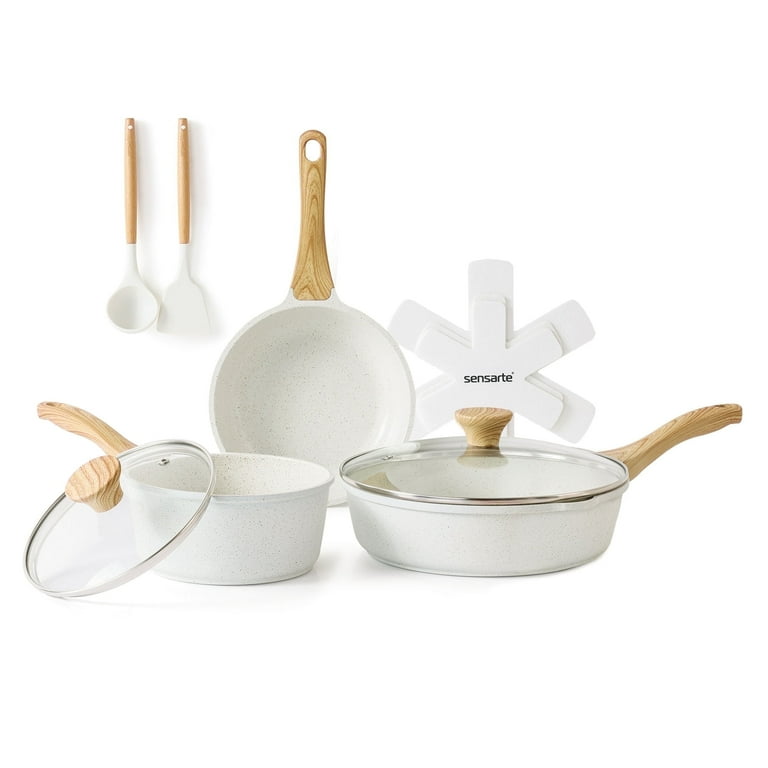
Another safety concern is the heat stability of nonstick ceramic cookware. While these pots and pans can handle moderate temperatures, overheating can lead to cracking or degradation of the coating. This instability may release particles into your food.
Keep an eye on your stove settings. Have you ever heated a pan too quickly and seen it warp? It’s not just about preserving your cookware—it’s about ensuring safe cooking surfaces. Use medium heat to prolong the life of your ceramic cookware and maintain its safety.
Credit: www.walmart.com
Comparing Ceramic And Traditional Nonstick
Nonstick ceramic cookware offers a safer alternative to traditional nonstick pans. It uses a mineral-based coating, free from harmful chemicals like PFOA and PTFE. This makes ceramic cookware a popular choice for health-conscious individuals seeking non-toxic cooking options.
Comparing Ceramic and Traditional Nonstick When choosing between ceramic and traditional nonstick cookware, understanding the differences can help you make an informed decision. Each has its own set of advantages and potential drawbacks that impact your cooking experience. Let’s take a closer look at how these two options stack up against each other.Performance Differences
Ceramic cookware is known for its ability to distribute heat evenly. This ensures your food cooks consistently without hot spots. On the other hand, traditional nonstick tends to heat up quicker, which can be a boon for quick meals but might require more attention to avoid burning. You might notice that ceramic pans can handle higher temperatures. This makes them versatile for a variety of cooking methods, including oven use. Traditional nonstick, however, usually has a lower heat threshold, which means you should be cautious when cranking up the heat.Durability And Longevity
Ceramic coatings are generally more robust and resistant to scratches compared to traditional nonstick. This durability can translate to a longer lifespan, especially if you’re careful with metal utensils. Traditional nonstick surfaces, while effective, may chip or wear down over time, especially if not properly cared for. However, ceramic cookware might lose its nonstick properties faster if subjected to repeated dishwasher cycles. Handwashing is often recommended to extend its life. In contrast, traditional nonstick pans, with proper care, can maintain their slick surface for a longer period, making them a reliable choice for many home cooks. When considering your next cookware purchase, ask yourself: Are you willing to trade a bit of convenience for longevity, or do you prioritize quick and efficient cooking? Your answer could determine the best choice for your kitchen.Environmental Impact
Nonstick ceramic cookware is gaining popularity for its safety and performance. But its environmental impact is a growing concern. Understanding the eco-friendly benefits and production processes can help you make informed choices. Let’s explore how nonstick ceramic cookware affects our planet.
Eco-friendly Benefits
Nonstick ceramic cookware offers several eco-friendly advantages. It often uses natural materials that are less harmful to the environment. Traditional nonstick coatings can release toxic chemicals. In contrast, ceramic coatings are free from PTFE and PFOA. This makes them a safer choice for both you and the planet.
Ceramic cookware requires less energy during use. It heats quickly and evenly, reducing cooking time. This means lower energy consumption, which benefits the environment. By choosing ceramic, you support a more sustainable lifestyle.
Production And Disposal
The production process of ceramic cookware is more environmentally friendly. Manufacturers often use renewable resources and follow strict safety standards. This reduces the carbon footprint and minimizes waste.
Disposing of ceramic cookware is also less harmful. Unlike other materials, ceramic breaks down more naturally. It doesn’t release harmful toxins into the soil. This makes it a better option for those concerned about waste management.
Recycling programs are also available for ceramic cookware. These programs ensure that materials are reused, reducing landfill impact. By choosing ceramic, you contribute to a cleaner and greener planet.

Credit: www.amazon.com
Consumer Opinions
Consumer opinions on nonstick ceramic cookware often center around safety concerns. Many appreciate its eco-friendly composition, free from harmful chemicals like PFOA. Others highlight the importance of proper use to avoid damage and maintain its nonstick properties.
Consumer opinions on nonstick ceramic cookware vary widely, offering a fascinating glimpse into kitchen dynamics and preferences. Many home cooks appreciate its ease of use and quick cleanup, while others remain skeptical about its longevity and safety. This range of perspectives highlights the importance of weighing personal experiences and market insights before making a purchase.User Experiences
Personal stories from those who’ve used nonstick ceramic cookware can be quite telling. Some users rave about the effortless cooking experience, noting that eggs and pancakes glide off the surface with minimal oil. One user mentioned how this cookware transformed their morning routine, saving time and reducing the hassle of scrubbing pans. However, others have reported mixed results, with some pans losing their nonstick quality after a few months. This raises an important consideration: does the convenience outweigh potential durability issues?Market Trends
The cookware market is buzzing with innovations and trends that influence consumer choices. Nonstick ceramic cookware has gained popularity due to its eco-friendly appeal, as it is typically free from harmful chemicals like PFOA and PTFE. More brands are hopping on this trend, expanding their product lines to include vibrant colors and unique designs. Yet, with growing demand, some consumers wonder if all products meet the same safety standards. As the market evolves, staying informed about these trends can help you make a smarter purchase decision.Expert Recommendations
Nonstick ceramic cookware is generally considered safe for cooking. Experts recommend checking for quality and durability. Opt for cookware free from harmful chemicals like PFOA and PFAS.
Nonstick ceramic cookware is popular for its safety and ease of use. Experts share valuable advice to ensure its safe usage. Their insights help maximize the benefits of ceramic cookware.Guidelines For Safe Use
Proper care ensures the longevity of ceramic cookware. Always use low to medium heat settings. High temperatures can damage the nonstick surface. Use wooden or silicone utensils. Metal utensils can scratch the surface. Avoid using abrasive cleaners. Gentle, non-abrasive sponges work best. Hand wash the cookware for better results. Dishwashers may degrade the coating over time. Ensure the cookware cools before washing. Sudden temperature changes can cause cracks.Choosing Quality Cookware
Select cookware with a reputable brand. Trusted brands ensure quality and safety. Check for certifications like FDA or similar. These ensure the cookware meets safety standards. Opt for cookware with a thicker base. It distributes heat evenly, preventing hotspots. Consider the weight of the cookware. Heavier cookware usually indicates quality materials. Examine the handle construction. Securely attached handles enhance safety during use. Look for warranties or satisfaction guarantees. They often signal confidence in product durability.
Credit: www.facebook.com
Frequently Asked Questions
What Is Nonstick Ceramic Cookware Made Of?
Nonstick ceramic cookware is made from a metal base, often aluminum, coated with a ceramic layer. This ceramic coating is derived from sand and is free from harmful chemicals like PFOA and PTFE. It offers a smooth cooking surface and is environmentally friendly.
Is Ceramic Cookware Safe For Health?
Yes, ceramic cookware is generally safe for health. It doesn’t release toxic fumes when heated, unlike some traditional nonstick options. It’s free from harmful chemicals such as PFOA and PTFE. However, ensure you use it as per manufacturer guidelines to maintain its safety features.
Does Ceramic Cookware Contain Harmful Chemicals?
Ceramic cookware is free of harmful chemicals like PFOA and PTFE. The ceramic coating is derived from natural materials, making it a safer choice. It’s designed to offer a non-toxic cooking experience. Always check product labels to confirm the absence of these chemicals.
How Long Does Ceramic Cookware Last?
Ceramic cookware generally lasts between one to five years. Its lifespan depends on usage, maintenance, and quality. Regular care, such as using non-metal utensils and avoiding high heat, can extend its life. Always follow the manufacturer’s care instructions for best results.
Conclusion
Choosing nonstick ceramic cookware involves understanding its safety features. This type of cookware is generally safe when used correctly. It offers a toxin-free alternative to traditional nonstick options. Always follow the manufacturer’s instructions to maintain its quality. Avoid using metal utensils to prevent scratches.
Regularly inspect your cookware for chips or wear. Consider your cooking habits and needs before purchasing. Nonstick ceramic cookware can be a valuable addition to your kitchen. Safe and effective when properly maintained. Perfect for those seeking healthier cooking options.