Imagine upgrading your kitchen with cookware that not only looks sleek but also cooks your meals faster and more efficiently. If you’ve been hearing about induction cooktops, you might be wondering, what exactly is induction capable cookware?
You’re not alone. As more people discover the benefits of induction cooking, curiosity about the right cookware grows. This cookware is specially designed to work with induction cooktops, offering precision and energy efficiency that traditional cooking methods can’t match. You might be tempted to dismiss it as just another trend, but induction capable cookware is transforming kitchens worldwide.
Dive into this article to uncover why this cookware might be the key to unlocking the full potential of your culinary creations. You’ll gain insights into how it works, what makes it unique, and why it could be the best investment for your kitchen. Keep reading to discover how you can elevate your cooking experience effortlessly.
Induction Cooking Basics
Induction cooking is a modern method that uses electromagnetic fields to heat cookware. This technique is different from gas or electric cooking. It requires specific types of pots and pans. Understanding induction basics can enhance your culinary experience.
How Induction Cooking Works
Induction cooktops use magnetic fields to heat pots directly. Coils beneath the surface create these fields. When a pot is placed on the cooktop, it completes the circuit. This causes the pot to heat up rapidly. Unlike traditional methods, the cooktop itself remains cool.
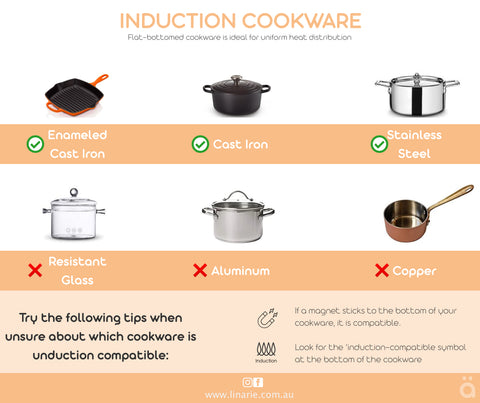
Only magnetic cookware works with induction. Stainless steel and cast iron are common choices. The bottom of the cookware must contain iron. This ensures the magnetic field can heat the pot efficiently.
Benefits Of Induction Cookware
Induction cookware offers several advantages. Heat is distributed evenly across the pot. This ensures consistent cooking results. The cooktop heats the cookware, not the surrounding air. This makes induction cooking energy-efficient.
Safety is another benefit. The cooktop remains cool, reducing burn risk. Induction cooktops also have automatic shut-off features. This helps prevent overheating and accidents.
Induction cookware is easy to clean. Since the cooktop stays cool, spills don’t burn onto the surface. This makes cleanup quick and hassle-free.
Identifying Induction Capable Cookware
Induction capable cookware is essential for those using induction cooktops. It relies on magnetic fields to heat pots and pans directly. Knowing how to identify such cookware ensures efficient cooking. Let’s explore the key factors that determine induction capability.
Materials Suitable For Induction
Induction cooking requires cookware made from specific materials. These materials must contain iron for the magnetic field to work. Common suitable materials include:
- Stainless Steel:Some stainless steel pots are induction-ready. Check for labels or markings indicating compatibility.
- Cast Iron:Naturally magnetic, making it perfect for induction cooking.
- Enamel Cast Iron:Works well due to its iron base.
- Carbon Steel:Often used in cookware, it responds well to induction.
Other materials like aluminum or copper require a magnetic base. Without iron or a magnetic layer, they won’t work on induction cooktops.
Magnetic Compatibility Test
A simple test helps determine if your cookware is induction-ready. Use a refrigerator magnet to check the bottom of the cookware.
- If the magnet sticks firmly, the cookware is induction compatible.
- If the magnet does not stick, it may lack the necessary magnetic properties.
It’s an easy and quick method to test at home. Remember, cookware must cover the entire induction burner for effective heating.
Popular Induction Cookware Materials
Induction capable cookware is made from materials like stainless steel, cast iron, and aluminum with magnetic bases. These materials ensure efficient heat transfer, making them ideal for induction cooking. Quality induction cookware enhances cooking precision and energy efficiency.
Induction cooking is efficient and fast. It requires specific cookware with magnetic properties. Popular induction cookware materials vary in their characteristics. Understanding these can help you choose the best fit for your kitchen.Stainless Steel
Stainless steel is a favorite choice for induction cooking. It offers durability and resistance to rust. Not all stainless steel is induction-friendly. Look for pots with an added magnetic layer. They heat evenly and retain heat well.Cast Iron
Cast iron is another excellent option. It has natural magnetic properties. Cast iron cookware is robust and long-lasting. It can maintain heat efficiently. Seasoning is required to prevent sticking. They can be heavy but worth the effort for perfect results.Aluminum With Magnetic Base
Aluminum is light and conducts heat rapidly. Alone, it’s not suitable for induction. But, many cookware pieces have a magnetic base. This makes them compatible with induction stoves. They offer quick heating with a lightweight feel.Copper Cookware Considerations
Copper is admired for its heat conductivity. Like aluminum, it needs a magnetic layer. Copper cookware can be expensive. It’s important to ensure they are induction-compatible before purchasing. They offer precision in cooking temperature control.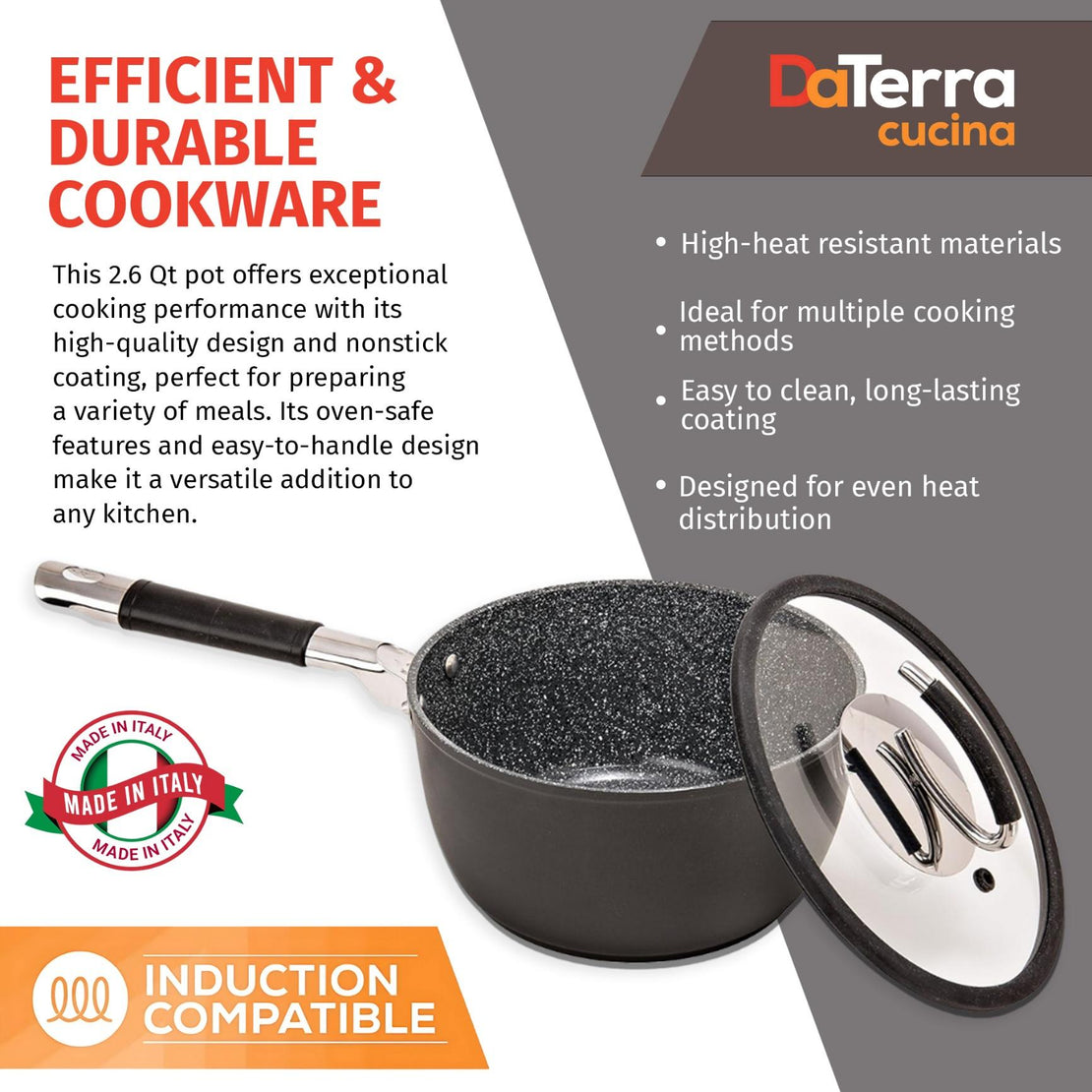
Credit: daterracucina.com
Choosing The Right Induction Cookware
Induction capable cookware features a magnetic base, essential for efficient cooking on induction stoves. Pots and pans made from stainless steel or cast iron typically work well. Always check for a flat bottom to ensure proper heat distribution.
Choosing the Right Induction Cookware Choosing the right induction cookware can transform your cooking experience. Not all cookware is created equal, and not every pot or pan will work on an induction cooktop. It’s crucial to make informed choices to ensure your meals are cooked evenly and efficiently.Factors To Consider
When selecting induction cookware, the material is key. Induction cooktops require magnetic materials like cast iron or stainless steel. Test your cookware with a simple magnet; if it sticks to the bottom, it’s likely compatible. Consider the weight and balance of the cookware. You want something sturdy yet easy to handle. Heavy cookware might retain heat well, but it can be cumbersome for everyday use. Size matters, too. Ensure the base of your cookware matches the size of the induction burner. This ensures even heat distribution and prevents energy wastage.Top Brands And Models
Several brands stand out in the induction cookware market. T-fal offers a range of affordable yet reliable options. Their non-stick pans are a favorite in many kitchens. All-Clad is known for its high-quality stainless-steel cookware. While pricier, their products are durable and perform exceptionally well on induction cooktops. For those seeking versatility, Cuisinart’s induction cookware sets offer a mix of pots and pans suitable for various cooking techniques. Their ergonomic designs make cooking a pleasure. Have you ever invested in cookware that promised the world but under-delivered? Choosing wisely can save you from that disappointment. Prioritize quality and compatibility, and you’ll enjoy every moment in the kitchen.Maintenance And Care
Induction capable cookware requires proper maintenance for long-lasting performance. Caring for your cookware ensures optimal function and appearance. Follow these tips to maintain its quality.
Cleaning Tips
Use mild soap and a soft sponge for cleaning. Avoid harsh chemicals and abrasive pads to prevent scratches. Dry thoroughly after washing to prevent water spots and rust.
Preserving Magnetic Properties
Avoid extreme heat that can damage the cookware’s magnetic properties. Store cookware properly, ensuring no heavy items are stacked on top. This prevents warping and maintains magnetic effectiveness.
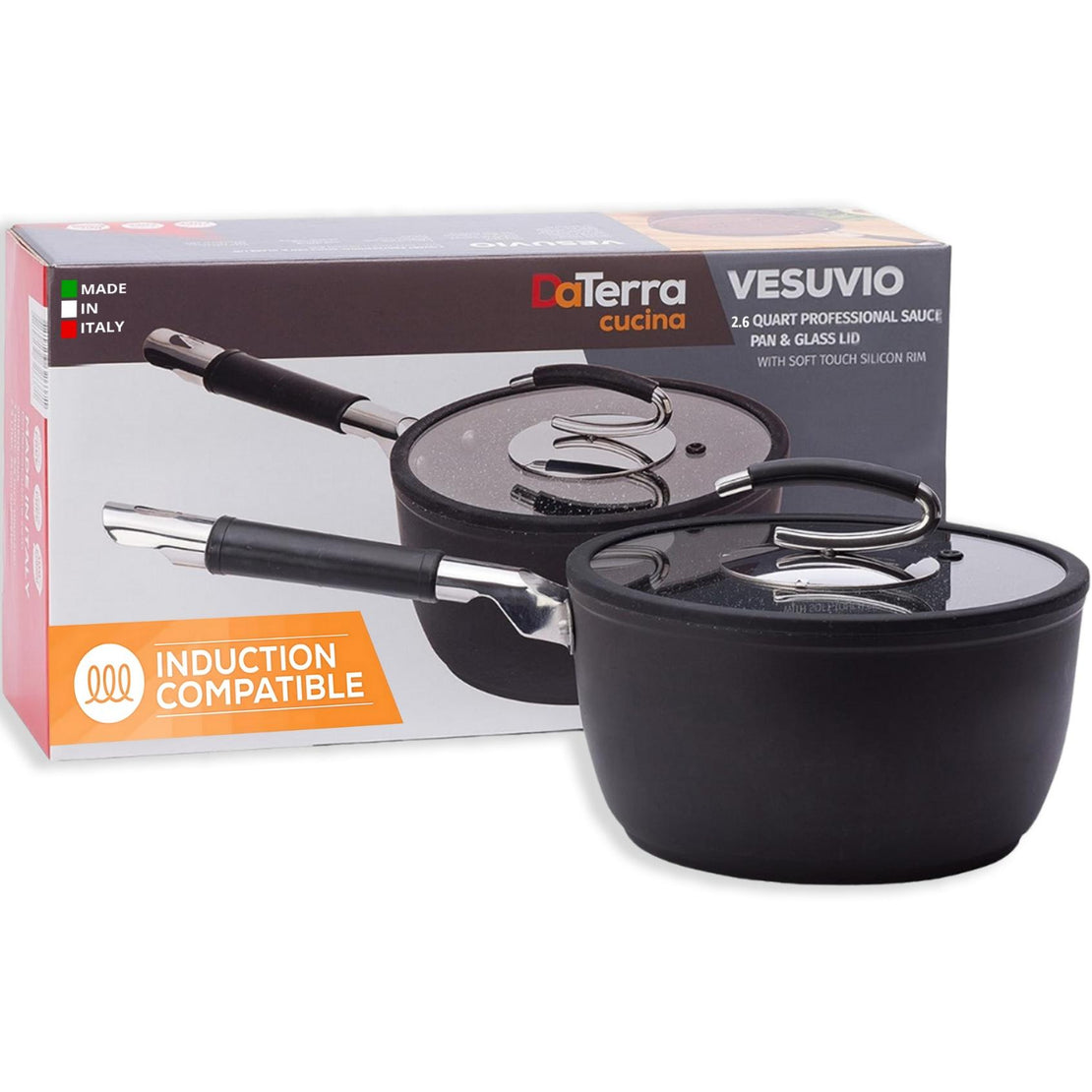
Credit: daterracucina.com
Troubleshooting Common Issues
Understanding induction capable cookware is crucial for efficient cooking. These pots and pans have magnetic properties, making them compatible with induction cooktops. Look for materials like stainless steel or cast iron to ensure proper heating.
Troubleshooting common issues with induction capable cookware can save you time and frustration in the kitchen. If you’ve ever faced the perplexing problem of your cookware not heating or strange noises emanating from your induction cooktop, you’re not alone. These hiccups can disrupt your culinary adventures, but understanding the root causes can help you find solutions and get back to cooking with ease.Cookware Not Heating
It’s baffling to see a pot that looks perfectly fine refusing to heat up. This could be due to several reasons: – Compatibility Issues: Ensure your cookware is truly induction-compatible. Look for a label or symbol indicating compatibility; a magnet should stick to the bottom of the pan if it’s suitable. – Size Matters: Your cooktop might not recognize cookware that’s too small. Make sure the base of your pan covers at least 70% of the induction burner. – Surface Cleanliness: Residue or dirt on the cooktop can interfere with heating. Keep both your cookware base and cooktop surface clean for optimal performance. Have you double-checked these factors and still face issues? Perhaps it’s time to consider if the cookware’s material is the culprit.Noise And Vibrations
Unexpected sounds can make cooking feel like you’re in a science experiment. Here’s what might be causing them: – Pan Material: Some pans made of multiple layers or thinner metal can vibrate and cause noise. Opt for heavier, high-quality induction-compatible cookware to minimize this. – High Heat Settings: Strong vibrations can result from using high heat settings. Experiment with adjusting the power level to see if it reduces the noise. – Cookware Design: The shape and design of your cookware can affect the sound it makes. Flat-bottomed pans often work better, reducing vibrations and noise. If you’re still puzzled by the sounds, ask yourself: Is it the pan, or could it be something else within your cooktop’s mechanism? Understanding these nuances can enhance your cooking experience and keep your kitchen quiet and efficient.Future Trends In Induction Cookware
Induction capable cookware uses magnetic technology for efficient heating. Future trends focus on eco-friendly materials and smart features. This cookware ensures quick cooking and energy conservation, making it ideal for modern kitchens.
Future trends in induction cookware are shaping the culinary world. As technology evolves, so does the way we cook. Induction cookware is at the forefront of this evolution. This cookware is efficient and versatile. It offers a glimpse into the future of cooking. Let’s explore these exciting trends.Technological Advances
Induction cookware is witnessing rapid technological growth. Manufacturers are integrating smart features. These features include temperature sensors and timers. Such advancements enhance cooking precision. Many brands are developing app-controlled cookware. This allows users to monitor cooking remotely. Connectivity with smart home devices is also increasing. It makes the cooking process seamless. These innovations promise a smarter kitchen experience.Sustainability And Innovation
Sustainability is a key focus in new cookware designs. Induction cookware is becoming more eco-friendly. Brands use sustainable materials in production. Recyclable and non-toxic materials are now common. Energy efficiency remains a top priority. Induction technology reduces energy consumption. This aligns with global sustainability goals. Continuous innovation ensures minimal environmental impact. This trend is crucial for future generations.
Credit: www.nuwavenow.com
Frequently Asked Questions
What Makes Cookware Induction Capable?
Induction cookware must have a magnetic base. This ensures it can heat effectively on induction stoves. Materials like stainless steel and cast iron are commonly used. Always check for an induction symbol to confirm compatibility.
Can All Stainless Steel Cookware Be Used?
Not all stainless steel is induction compatible. Some lack the necessary magnetic properties. Check for an induction symbol or use a magnet. If a magnet sticks to the base, it’s suitable.
How Can I Identify Induction Cookware?
Look for an induction symbol on the packaging or bottom. This symbol indicates compatibility. You can also test with a magnet. If the magnet sticks, it’s induction-ready.
Why Won’t My Cookware Work On Induction?
Your cookware may not have a magnetic base. Induction stoves require magnetic materials for heating. Ensure your cookware is labeled as induction-compatible. Otherwise, it won’t work efficiently.
Conclusion
Induction cookware is essential for modern kitchens. It makes cooking faster and safer. You need pots and pans with magnetic bases. This ensures proper heat distribution. Check for compatibility before buying. Look for symbols or labels indicating induction readiness. Choosing the right cookware can enhance your cooking experience.
It can also save energy and time. Remember, quality cookware lasts longer. So, invest wisely for the best results. Induction cooking is a smart choice. It offers efficiency and precision. Now you know what to look for in induction capable cookware.
Happy cooking!